Baby Proofing Your Kitchen
The kitchen contains some of the most serious hazards in your home, from hot surfaces to toxic cleaners and sharp utensils, so access control matters more than convenience.
Why this room matters
Children are drawn to kitchens because there is constant movement, interesting sounds, and cabinets full of objects they can reach and repeat-open every day.
Common hazards
- ✓Low cabinets with cleaners, glassware, and sharp tools.
- ✓Hot drinks, pans, and appliances near reachable edges.
- ✓Oven doors and stove knobs at toddler height.
- ✓Trash, pet food, and pantry items that become choking or poison risks.
Safety checklist
Start with the hazards your child can already reach, then revisit this checklist after the next mobility leap.
- ✓Install child-proof locks on all low cabinets and drawers.
- ✓Use stove knob covers to reduce accidental burner activation.
- ✓Move cleaning supplies to high or locked cabinets.
- ✓Keep knife blocks and sharp utensils out of reach.
- ✓Store appliance cords away from the edge of counters.
Room walkthrough
A walk through the kitchen with a baby-proofing lens
Decide how the kitchen will work first
Before you buy any product, decide whether the kitchen is open to your child during cooking or closed off. Both setups can be safe, but they need different equipment. An open kitchen needs comprehensive cabinet locks, stove knob covers, oven door locks, and a habit of pot handles always turned in. A closed kitchen needs a reliable doorway gate and consistent enforcement so no one props it open during a quick trip in and out.
Many families discover the closed-kitchen approach works better when both parents are cooking or when an active toddler makes counter-level supervision difficult. The gate is a single, reliable barrier rather than a dozen small interventions.
Sort the cabinets by stakes
Not every cabinet needs the same level of protection. The under-sink cabinet — typically home to dish soap, dishwasher pods, and cleaners — is the highest-stakes cabinet in the room. It deserves a strong magnetic lock or a lockable storage box for the contents. Cabinets with knives, glassware, or sharp tools come next.
Lower-stakes cabinets can sometimes be left unlocked deliberately. A pots-and-pans drawer or a tupperware cabinet keeps a toddler busy while you cook, and the contents are heavy but not dangerous. Choosing one safe cabinet to be the kid cabinet often reduces interest in the locked ones.
The stove deserves its own plan
Front-control gas and electric ranges put burner knobs at toddler height. Knob covers add friction that prevents accidental ignition or heating. Pair them with the consistent habit of turning pot handles inward toward the back of the stove, and never walking out of the kitchen with a burner on.
Oven door locks become useful once your child is tall enough to interact with the door. They prevent a curious toddler from opening the oven during preheating, when the door itself is hot enough to cause burns. Built-in oven controls usually have a child-lock setting on the touchpad — check the manual and enable it.
The kitchen is the room where products and habits work together most closely. No lock or cover replaces an alert adult; instead, products buy you the seconds you need when supervision lapses.
Related reading
Guides that support your kitchen plan
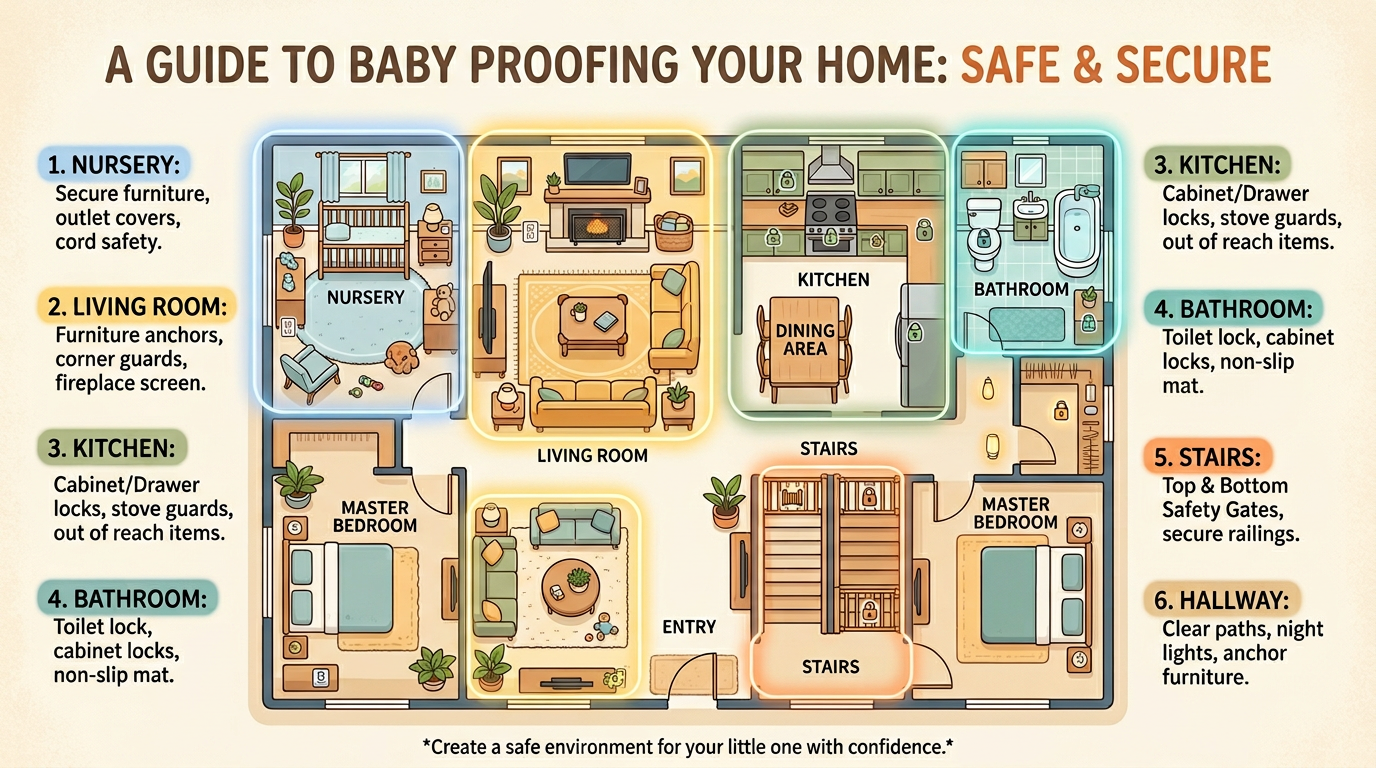
Baby Proofing Checklist: Room-by-Room Safety Priorities for the Whole House
A practical whole-home baby proofing checklist that helps parents think through common considerations in each room, with editorial product picks and next steps.
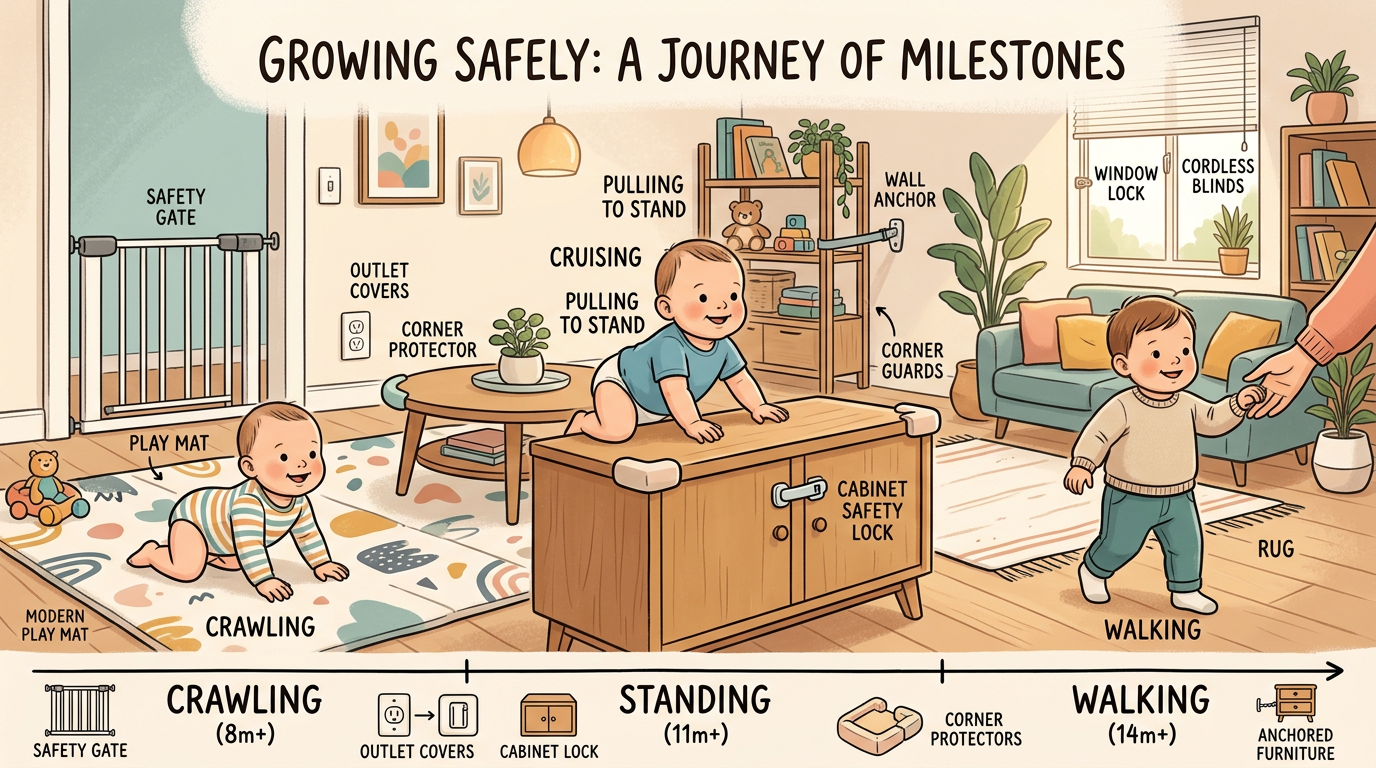
Age-by-Age Baby Proofing Checklist: What to Secure Before Crawling, Walking, and Climbing
A stage-based baby proofing guide that helps parents match home safety upgrades to the skills their child is about to unlock next.
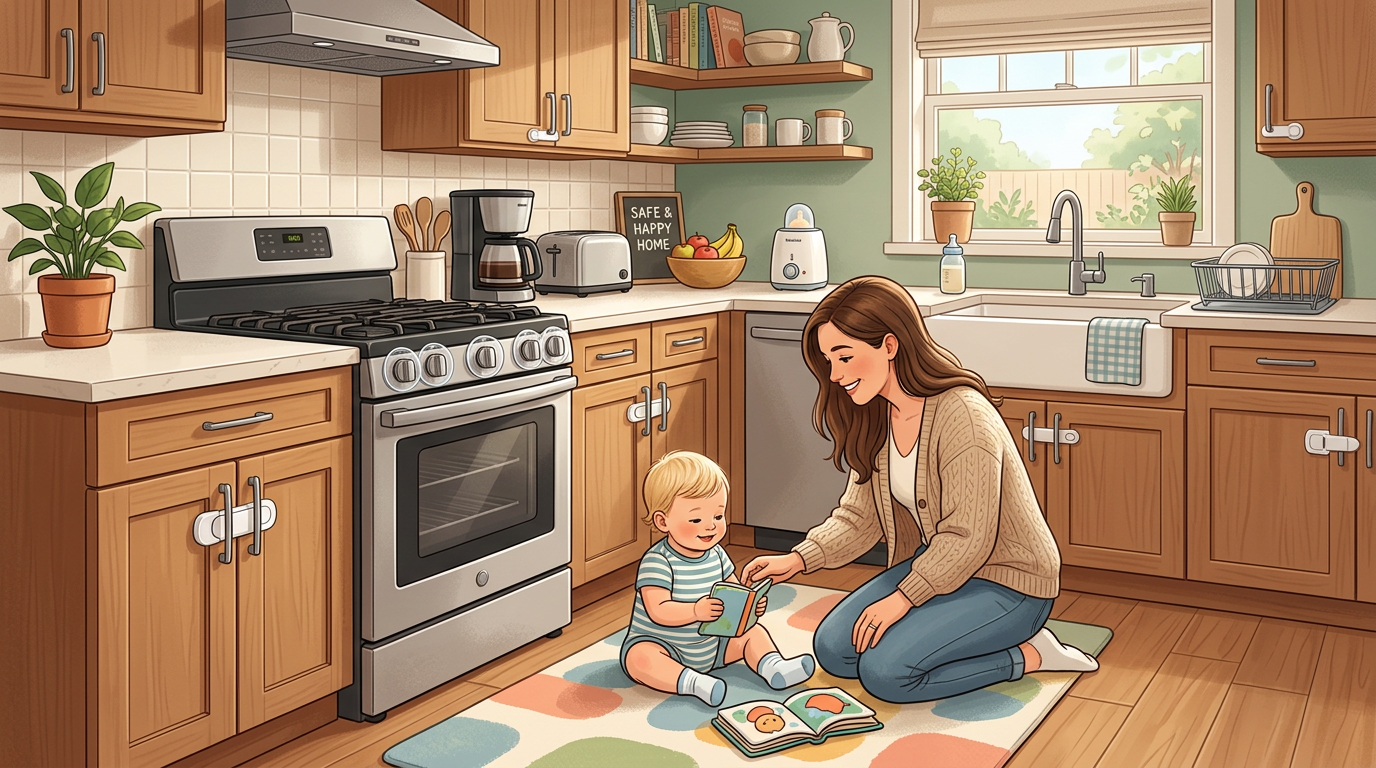
How to Baby Proof Your Kitchen Without Turning It Into a Fortress
A practical kitchen baby proofing guide that covers cabinets, stove knobs, cleaners, knives, cords, and family routines so the busiest room in your home stays usable and safe.
Featured products
Use these product pages to compare options, room fit, and related categories.
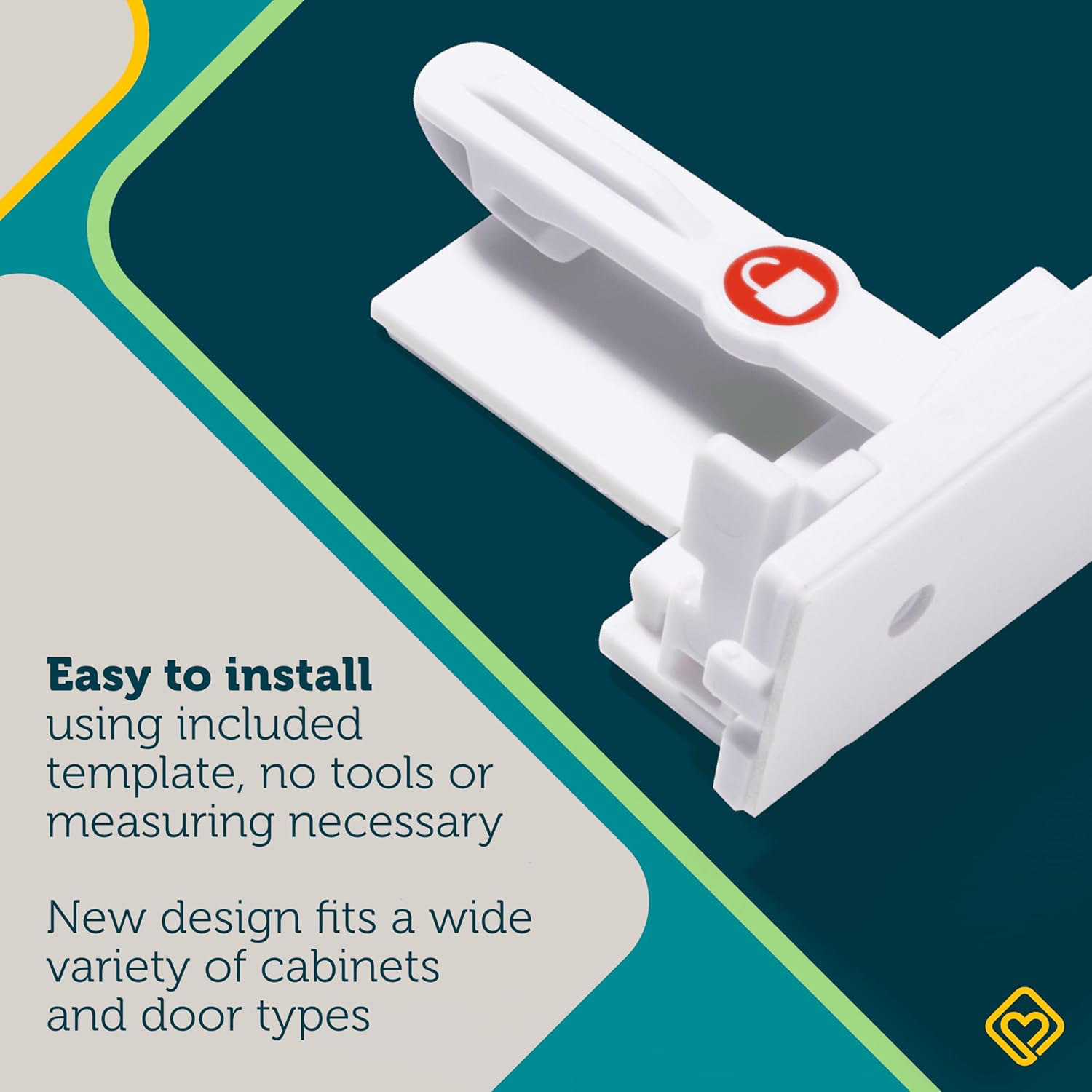
Adhesive Cabinet Locks (4-Pack) for Baby Proofing
Internal adhesive cabinet latches that help prevent toddlers from opening doors and drawers.
View details →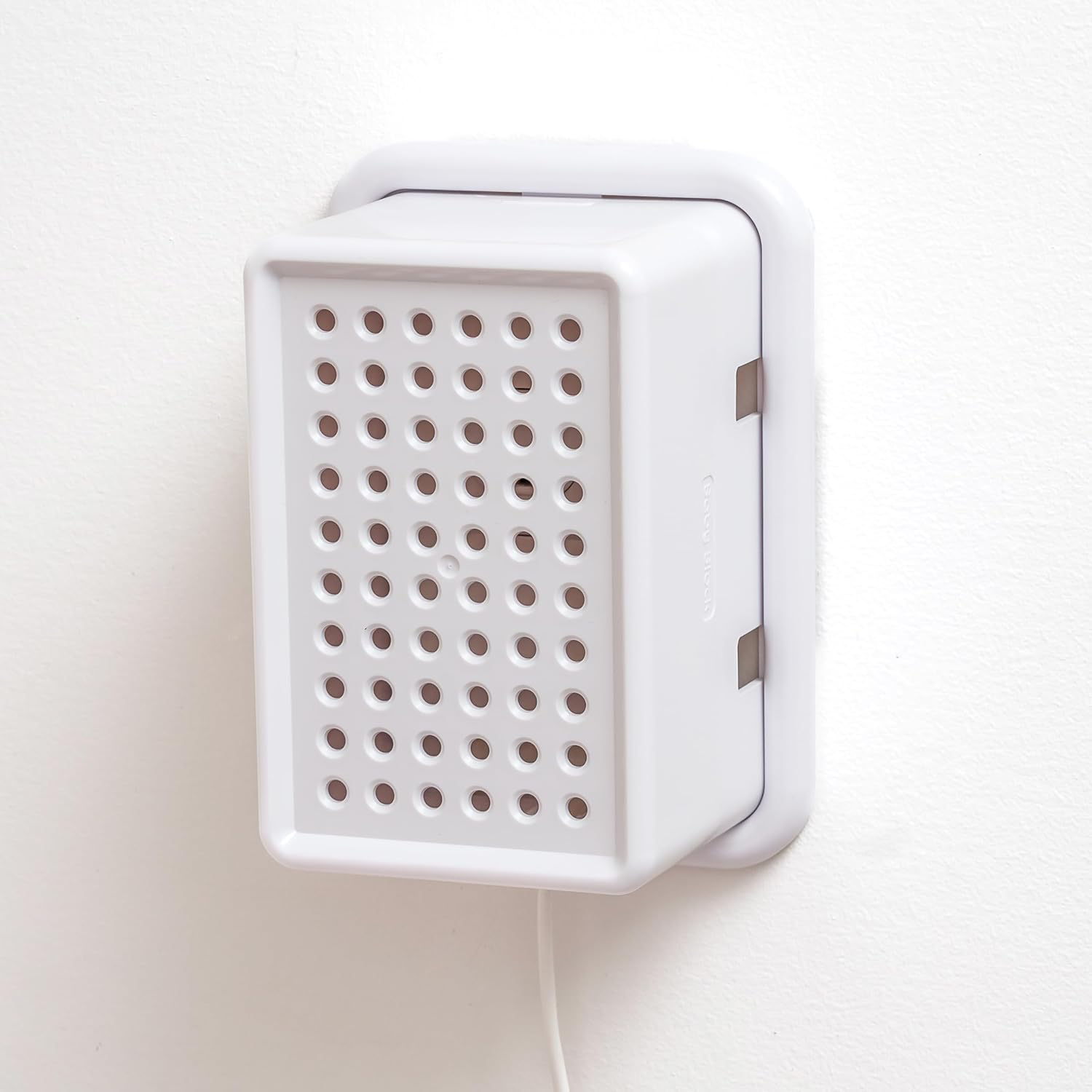
Outlet Plug Covers (24-Pack) Childproof Socket Protectors
Simple press-fit outlet caps that block unused electrical sockets from curious little fingers.
View details →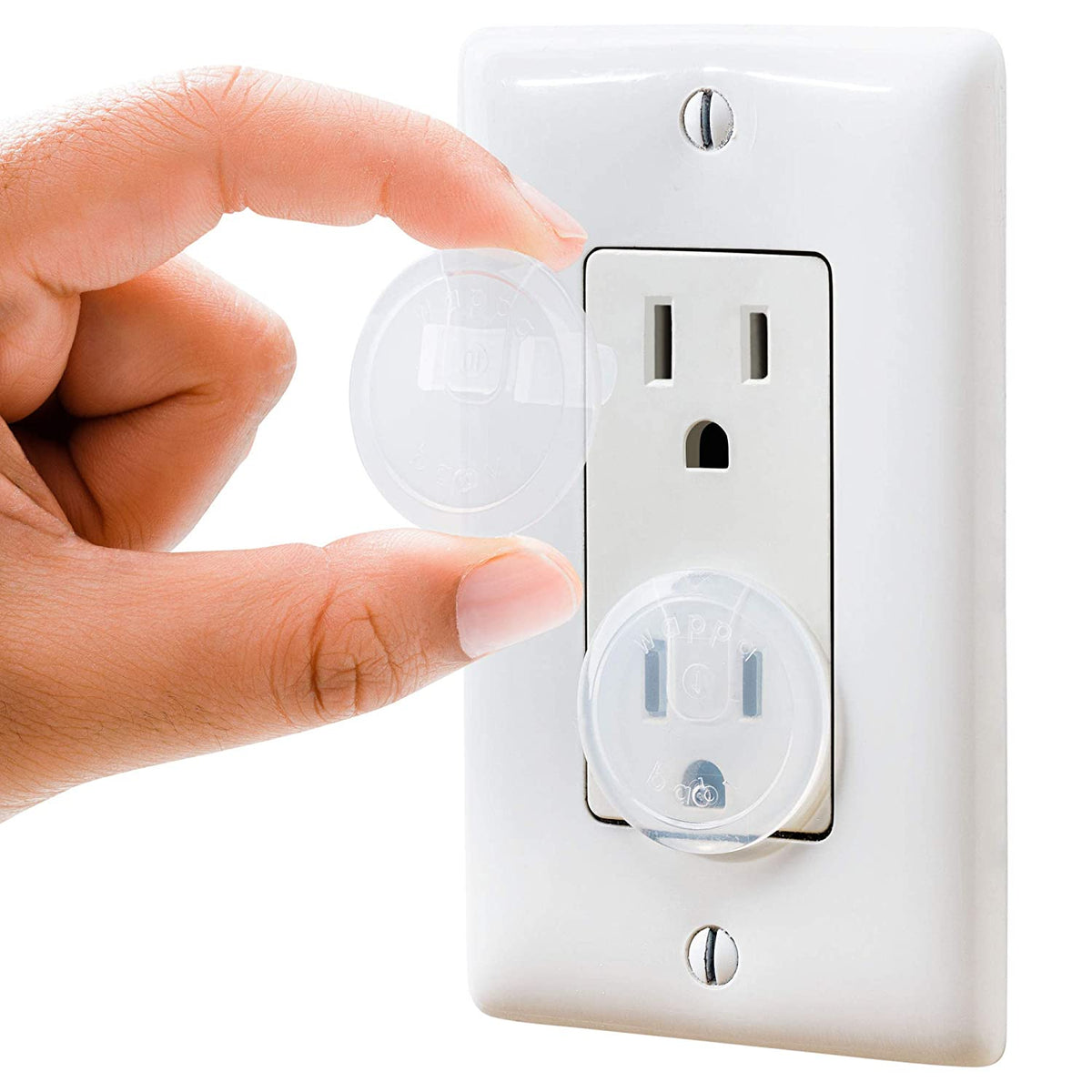
Wappa Clear Outlet Covers (50 Pack)
Transparent 50-pack of press-fit outlet plug covers for unused standard wall outlets across a whole home.
View details →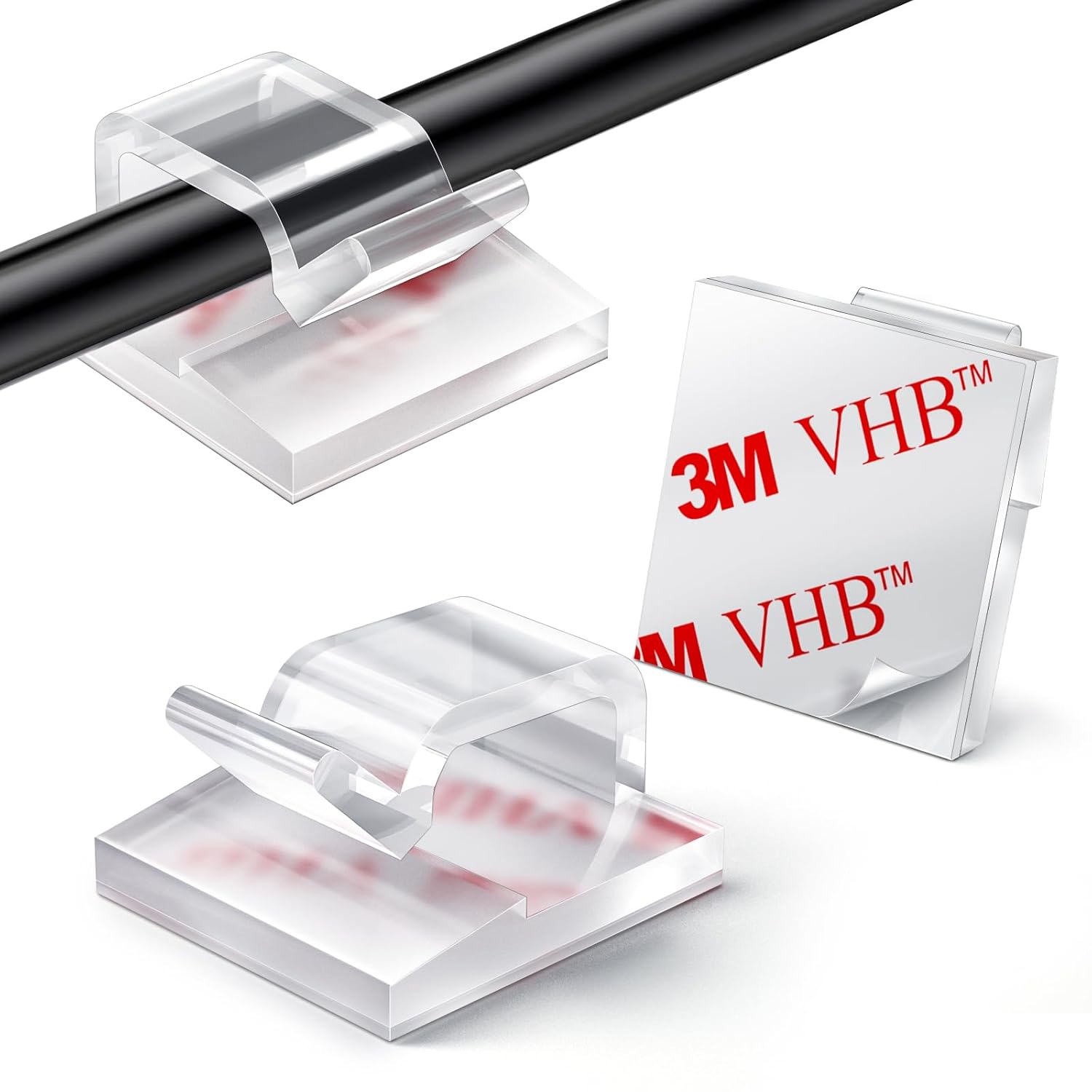
KGROTE 100PCS Adhesive Cable Clips
Small clear adhesive clips that route light cords and cables along walls, furniture, or desks so loose runs are less tempting and less likely to snag.
View details →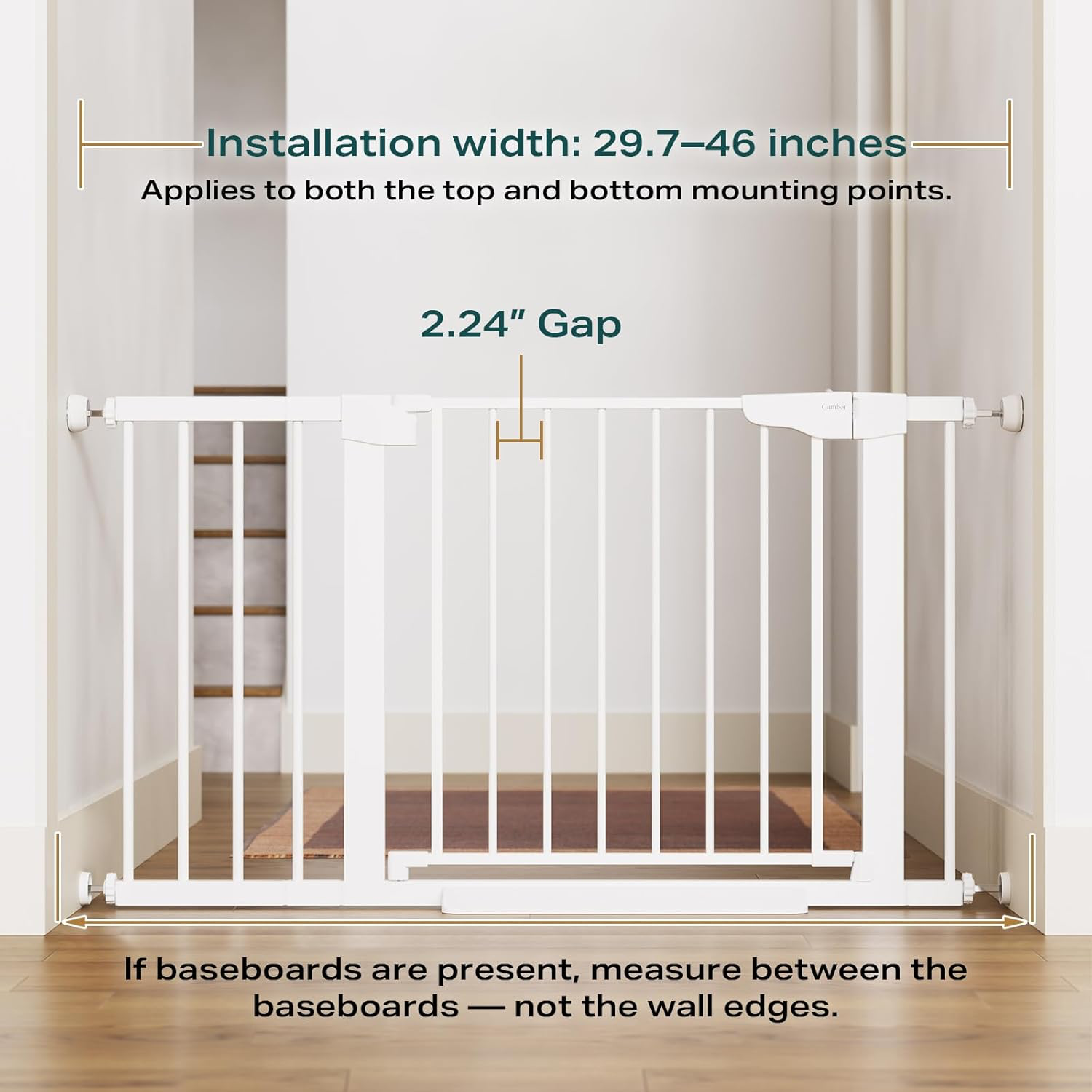
Pressure-Mounted Baby Gate for Doorways
No-drill pressure gate for doorways and low-risk openings to create clear child-safe zones.
View details →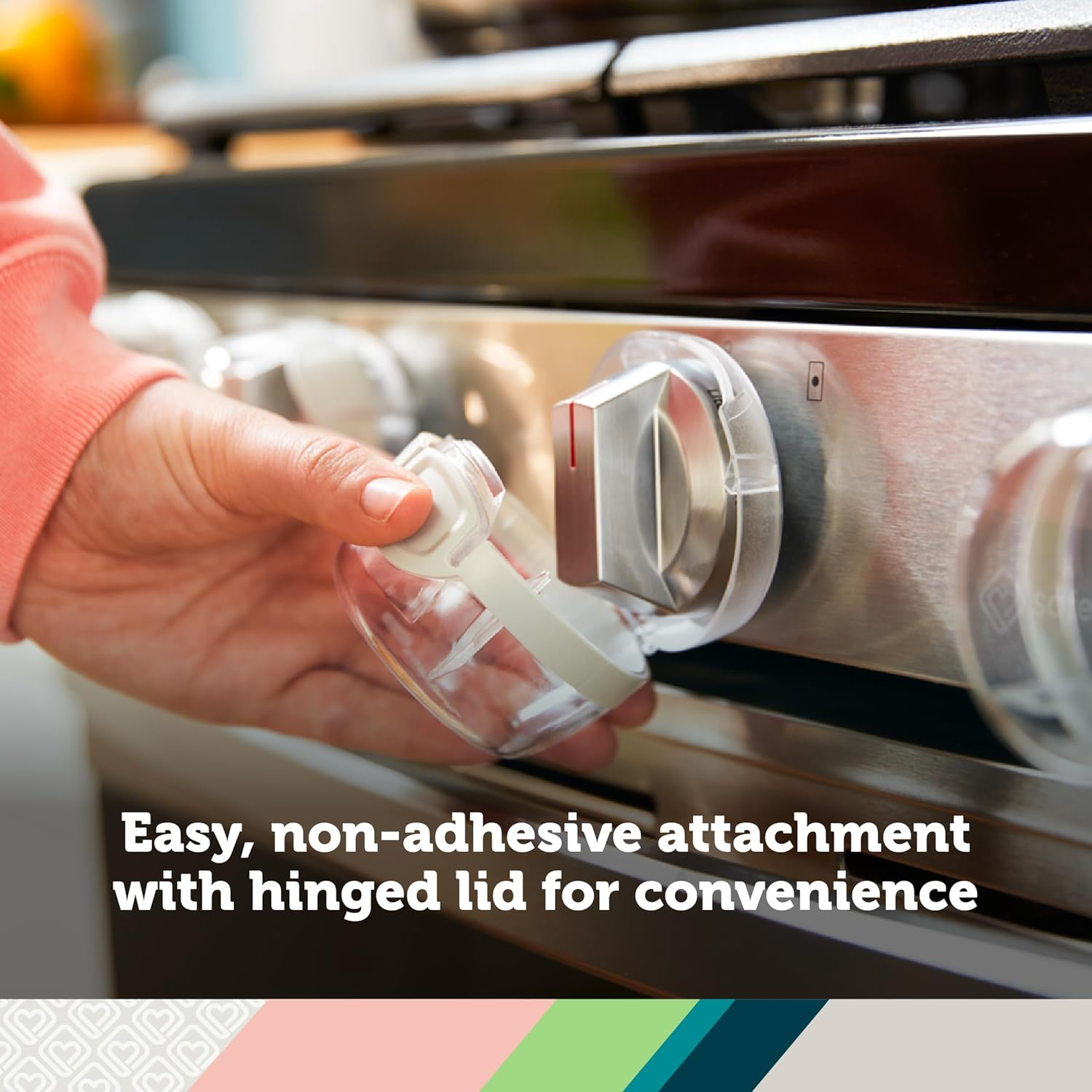
Driddle Clear Stove Knob Safety Covers (6 Pack)
Clear six-pack of stove knob safety covers that adds a child-resistant barrier over reachable gas or electric range knobs while keeping the dial position visible.
View details →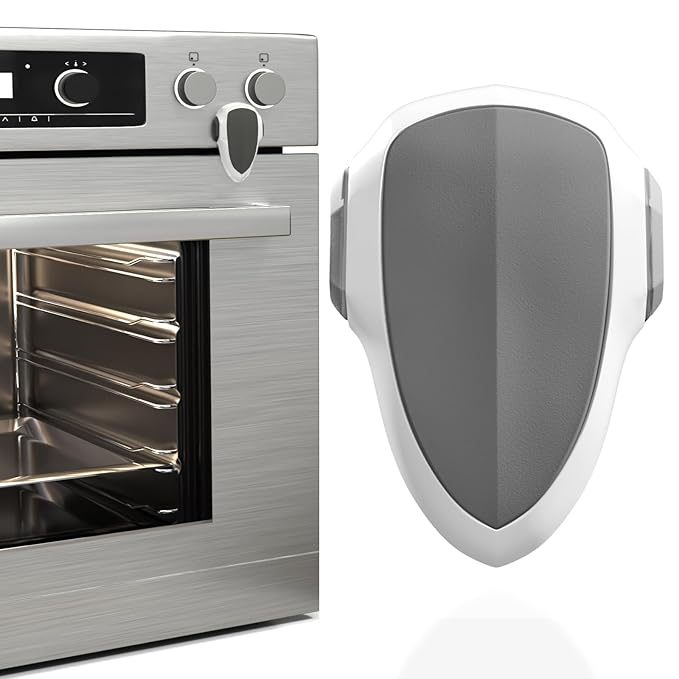
BABY PROOF ME Oven Lock Child Safety
Adhesive child-safety oven door lock with a rotating latch and adult two-button release.
View details →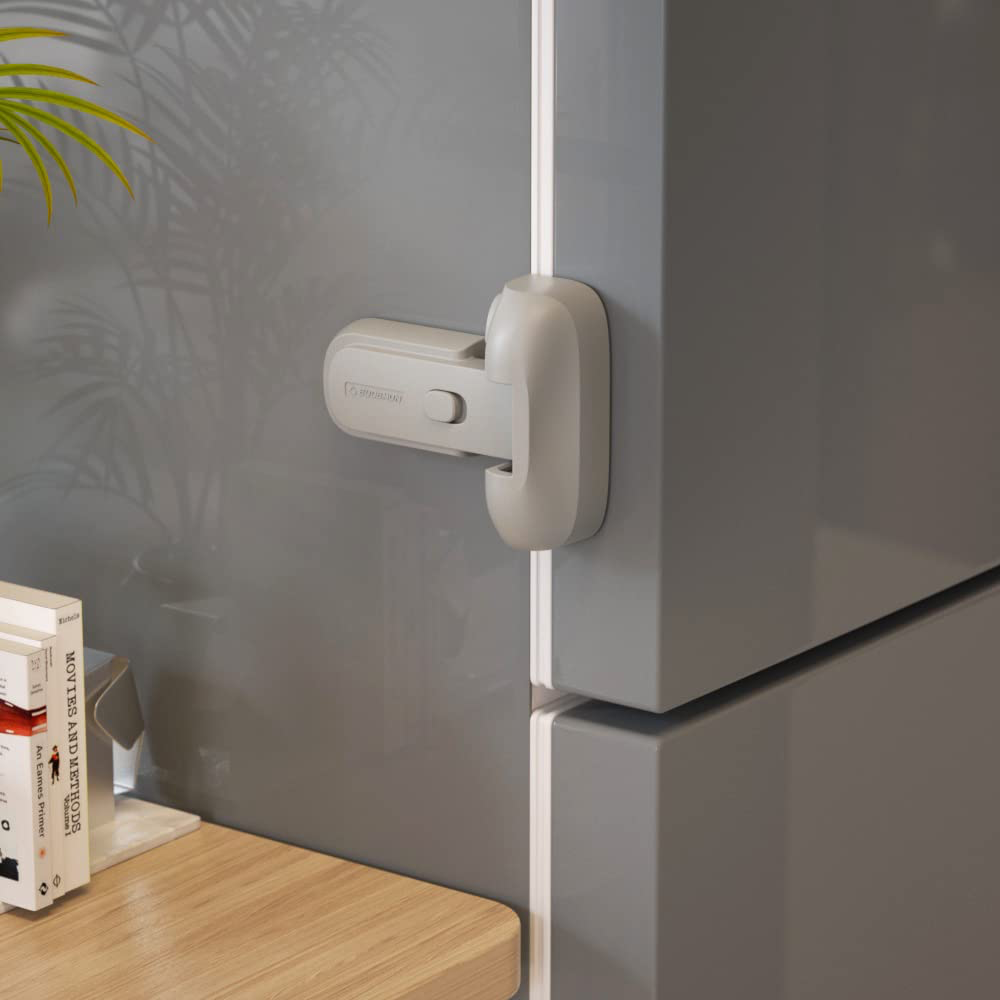
5 Pack Child Proof Refrigerator Lock, Baby Proofing Cabinet Locks, Oven Lock Child Safety, Fridge Lock, for Fridge, Drawers, Dishwasher, Oven, Cupboard, Closet, Adhesive, No Tools Need
Adhesive 5-pack of multi-use child safety latches for refrigerators, cabinets, drawers, dishwashers, ovens, and cupboards.
View details →Roocickee Adjustable Cabinet Strap Locks (10 Pack)
A 10-pack of adjustable adhesive strap locks for cabinets, drawers, refrigerators, trash cans, toilet seats, and other odd-shaped access points.
View details →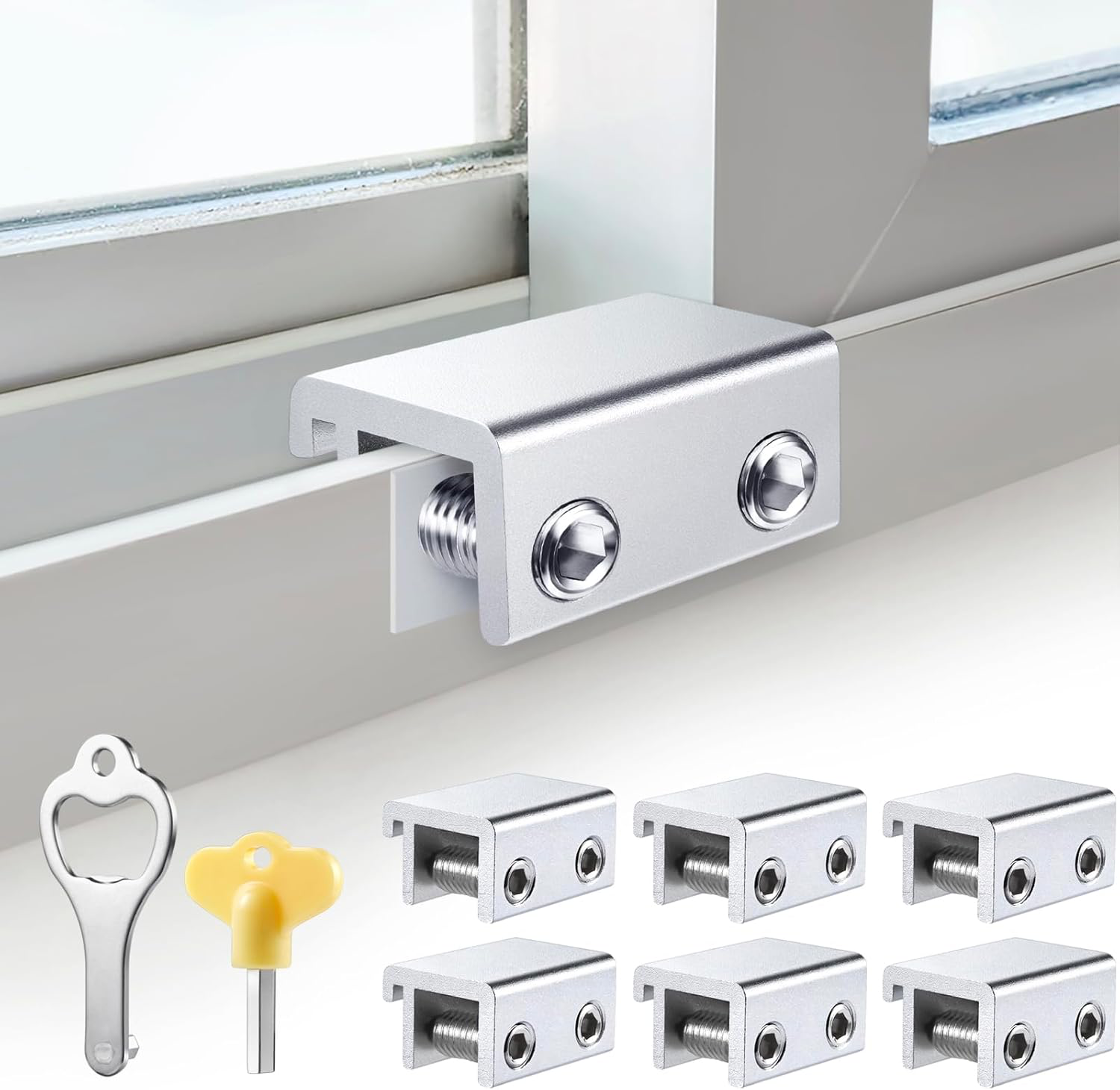
Sliding Window Locks
Adjustable security locks for sliding windows and doors to prevent children from opening them.
View details →Cumbor 29.7-46 Baby Gate for Stairs
A pressure-mounted barrier sized for typical hallway and stairway openings between roughly 30 and 46 inches. We like it for renters because it sets up without drilling, and the auto-close latch helps when you walk through with a baby on your hip. Confirm it fits your specific opening before you buy.
View details →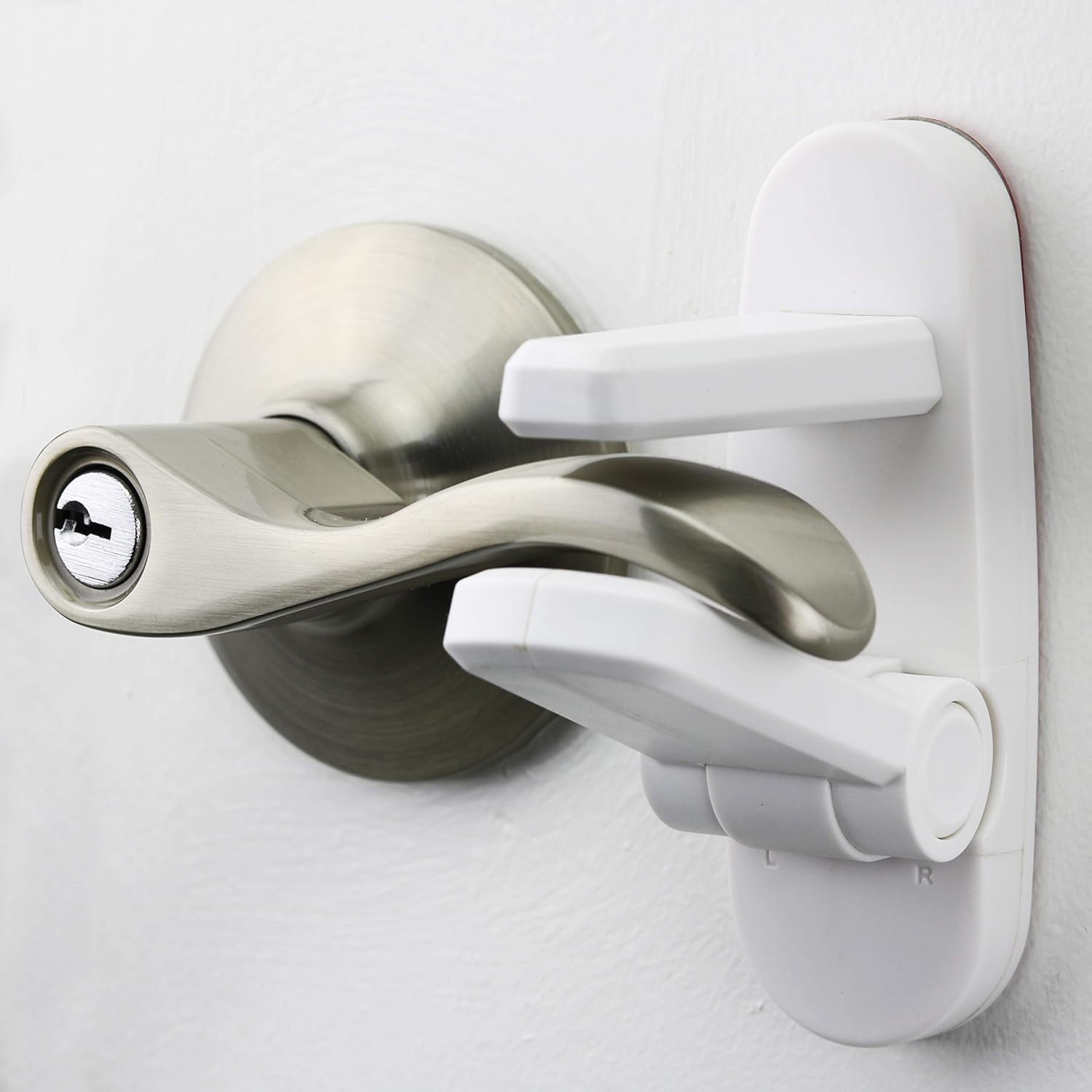
Wappa Baby Door Lever Lock (2 Pack)
Adhesive door lever locks that keep toddlers from opening lever-handle doors while still allowing adult one-hand operation.
View details →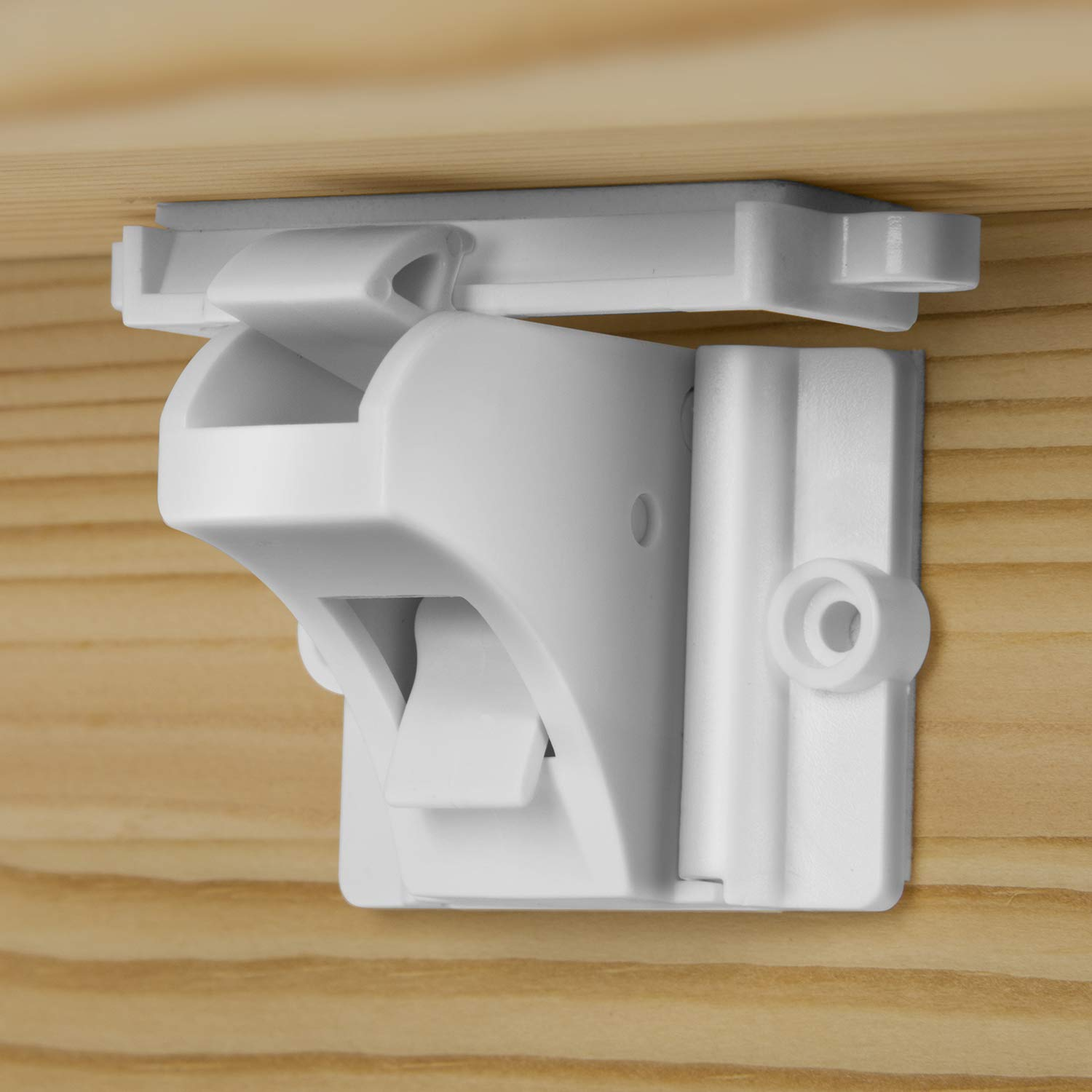
Vmaisi 20 Pack Magnetic Cabinet Locks Baby Proofing
Hidden magnetic cabinet locks that install inside cabinets and drawers for a clean look. Opened with a magnetic key, adhesive installation with no drilling required. 20-pack with keys included.
View details →
LifeVac Home Choking Rescue Device
A non-powered suction device used as a last resort during a choking emergency when back blows and abdominal thrusts have failed. Keep one in the kitchen and one in the diaper bag.
View details →