An educational baby-proofing guide, room by room.
Calm, practical baby-proofing information for new parents, expecting parents, and grandparents who want a room-by-room walk through common considerations — not a shopping list.
For general educational purposes only. Not professional, medical, or safety advice. Use your own judgment and consult appropriate professionals for anything specific to your child or home.
Room scan
Living room review
Unanchored dresser
Anchor furniture before climbing starts.
Sharp table corner
Add low-profile corner guards.
Blind cord reach
Move cords above child height.
A common starting point
Many parents start with furniture anchoring, then table edges and cords.
What NestProof AI is
An educational resource for parents, not a children's site or a store.
NestProof AI is built for parents, expecting parents, grandparents, nannies, and other caregivers who want a calmer way to think about home safety for babies and toddlers. The site is intended for adults and is for general educational purposes only — not professional, medical, or safety advice.
What we do is straightforward: we walk you through the rooms of your home and surface common considerations parents think about at your child's current stage, so you can decide what makes sense for your family. Some responses are products. Many are free habits, layout changes, or supervision adjustments.
Who it's for
Parents and caregivers of children roughly four months through age four — the crawling, cruising, climbing, and early exploring years.
What it isn't
This is general education, not professional or medical advice. For anything specific to your child or home, talk to your pediatrician or a qualified professional. If you suspect ingestion or injury, call your provider or local emergency number.
How we choose what to feature
Each product is evaluated on review depth, install simplicity, renter friendliness, and how well it relates to a single common consideration. We feature a short list per category, not a long one.
How we're funded
Some product links are affiliate links. We may earn a commission at no additional cost to you. Affiliate relationships do not influence which topics we cover or which products we feature.
How it works
Three steps, paced for real parenting hours.
You don't need to read everything before you start. The flow is short on purpose.
Tell us about your home
Share your child's stage, the rooms they actually use, and whether you rent or own. Takes a couple of minutes.
See common considerations by room
We surface the things many parents think about at this stage — anchored furniture, reachable cords, water risk, electrical access — one room at a time, so you can decide what fits your family.
Browse product picks chosen for renters and homeowners
Each topic links to a short, editor-curated product list chosen for review depth, install simplicity, and renter-friendliness.
How we curate our picks
Editorial first. Affiliate revenue is passive.
Our short lists are chosen by people, not by commission rate. Here is the bar a product has to clear before it shows up on NestProof AI.
Renter-friendly where possible
We favor pressure-mount, adhesive, and removable options so the same picks work in apartments and owned homes.
Minimal install complexity
If a product needs a contractor or specialized tools, we say so plainly and usually point to a simpler alternative.
Widely available and well-reviewed
Picks are stocked at major retailers and have a deep base of real-world reviews — not one-off finds with thin feedback.
Affiliate revenue does not influence selection
Commissions are flat across retailers and we don't accept payment to feature a product. The editorial list is the same list whether or not links are affiliated.
Age-stage overview
The hazards that matter shift as your child changes.
Most baby-proofing information gets simpler when you tie it to a stage instead of a calendar age. Use these as rough markers — every child develops on their own schedule.
0 to 6 months
Pre-crawling
Sleep environment, feeding setup, safe carrying.
Risks are mostly about supervised setups: a clear crib, secure car seat fit, no loose bedding, and stable changing surfaces. This is the planning window — a good time to walk the house and note what will need addressing once your baby is mobile.
6 to 12 months
Crawling
Floor-level hazards, outlets, low cabinets.
Once a baby is on the move, anything within an 18-inch reach becomes relevant: outlet access, cleaning supplies under the sink, dangling cords, sharp coffee table corners, and small objects that can become choking hazards.
9 to 18 months
Cruising and walking
Furniture stability, stairs, doors.
Pulling up to stand changes the geometry. Anchor dressers and bookshelves, install gates at the top and bottom of stairs, and check for tipping risk on lamps and TVs. Door pinch guards and lever locks become useful.
18 months to 4 years
Climbing and exploring
Climbing access, locks, water and heat.
Toddlers climb. Re-check anchored furniture, move tempting objects off counters, and look at how your child is approaching stairs, balconies, pools, and bathtubs. Cooking, water temperature, and medication storage become the focus.
Room-by-room priorities
Where to focus first in the rooms a baby actually uses.
You don't have to do everything at once. These are the highest- leverage moves per room — the ones that cover the most common, most preventable incidents.
Kitchen
See product picks →Most ingestion and burn incidents start here.
- Lock the cabinet and any drawer that holds cleaning supplies, dishwasher pods, sharp tools, or medications.
- Use back burners when cooking and turn pot handles inward; a stove knob cover prevents accidental ignition.
- Keep step stools and chairs away from counters where hot food, knives, or appliances sit.
Bathroom
See product picks →Water and reach matter most.
- Never leave a baby or toddler unattended in or near a bath, even for a few seconds.
- Set the water heater to 120 degrees Fahrenheit (49 Celsius) or below to reduce scald risk.
- Toilet locks, a non-slip bath mat, and a soft spout cover handle the bulk of the room’s daily risks.
Living room
See product picks →Tip-overs and corners are the headline risks.
- Anchor dressers, bookshelves, and large TVs to wall studs before climbing starts, not after.
- Add corner guards to coffee tables and other sharp edges at standing or pulling-up height.
- Move blind cords above child height or replace with cordless treatments; tuck loose electrical cords behind furniture.
Stairs and doors
See product picks →These are the spaces parents most commonly retrofit late.
- Use a hardware-mounted gate at the top of stairs; pressure-mounted gates are appropriate at the bottom or in doorways.
- Add pinch guards to door hinges in rooms toddlers play in unsupervised for short stretches.
- Lever-style door handles benefit from a child-resistant cover for rooms holding medications or laundry products.
How we write this content
Calm, practical guidance — independent of what we're paid.
Our editorial process is simple. We start from publicly available child safety guidance — sources like the Consumer Product Safety Commission, the American Academy of Pediatrics, and Safe Kids Worldwide — and translate it into language that fits how parents actually move through their homes.
We avoid panic language. A hazard is “identified” or “detected,” not labeled “dangerous” or “deadly.” We assume readers are capable adults making reasonable trade-offs for their families. And we say so plainly when a problem is one we can't responsibly solve in an article — which is when a professional should step in.
Independent picks
We don't accept payment to feature a product. Affiliate commissions are flat across retailers and never determine which items make the catalog.
Reviewed and dated
Every guide carries a last-reviewed date. When standards or product availability change meaningfully, we revise the underlying article rather than spinning up a new one.
Reader-friendly disclosures
Affiliate links are disclosed near product cards and in our affiliate policy. Editorial standards live in the about page.
When DIY isn't enough
When to bring in a professional
Many parents make a meaningful dent with off-the-shelf products and an afternoon of work. A few situations are worth outside help:
- Open stair railings or balcony gapsFor plexiglass, netting, or custom guards, an experienced handyman or installer is often the right call.
- Pools, ponds, and water featuresDrowning is a leading cause of unintentional death for children one to four. Fencing, alarms, and CPR training go beyond what a checklist can cover.
- Older homes with lead, radon, or asbestos concernsEnvironmental hazards require licensed testing and remediation, not consumer products.
- Medical or developmental questionsA pediatrician is the right resource for sleep, feeding, ingestion concerns, and stage-specific guidance for your child.
The International Association for Child Safety maintains a directory of certified professional childproofers. NestProof AI is independent and not affiliated with any certification body.
See your room from a baby's perspective.
A crawling baby sees the room differently than you do. Our app scans a photo and surfaces things many parents think about — plus a product option for each.
- 1Take a photo of any room
- 2See common considerations surfaced in seconds
- 3Browse one product option per topic — nothing extra
Hazard plan
Ready
Start with the rooms your baby uses most.
Every room has its own set of common considerations. These are the ones worth working through first.
Living Room
Protect against sharp corners, TV tip-overs, and cord hazards
Kitchen
Secure cabinets, stove knobs, and hazardous cleaning supplies
Stairs & Doors
Gates, locks, and guards for high-risk transition areas
Electrical
Cover outlets and manage cords throughout your home
Bathroom
Prevent slips, toilet access, and hot water burns
Essentials most parents start with.
A short list, not a long one. Each pick is chosen for strong reviews, simple installation, and renter-friendly use where possible.
As an Amazon Associate I earn from qualifying purchases.

12-Pack Corner Protectors Baby Proof, Furniture Corner and Edge Safety Bumpers
Soft foam corner guards with 3M adhesive backing to cushion sharp furniture edges.
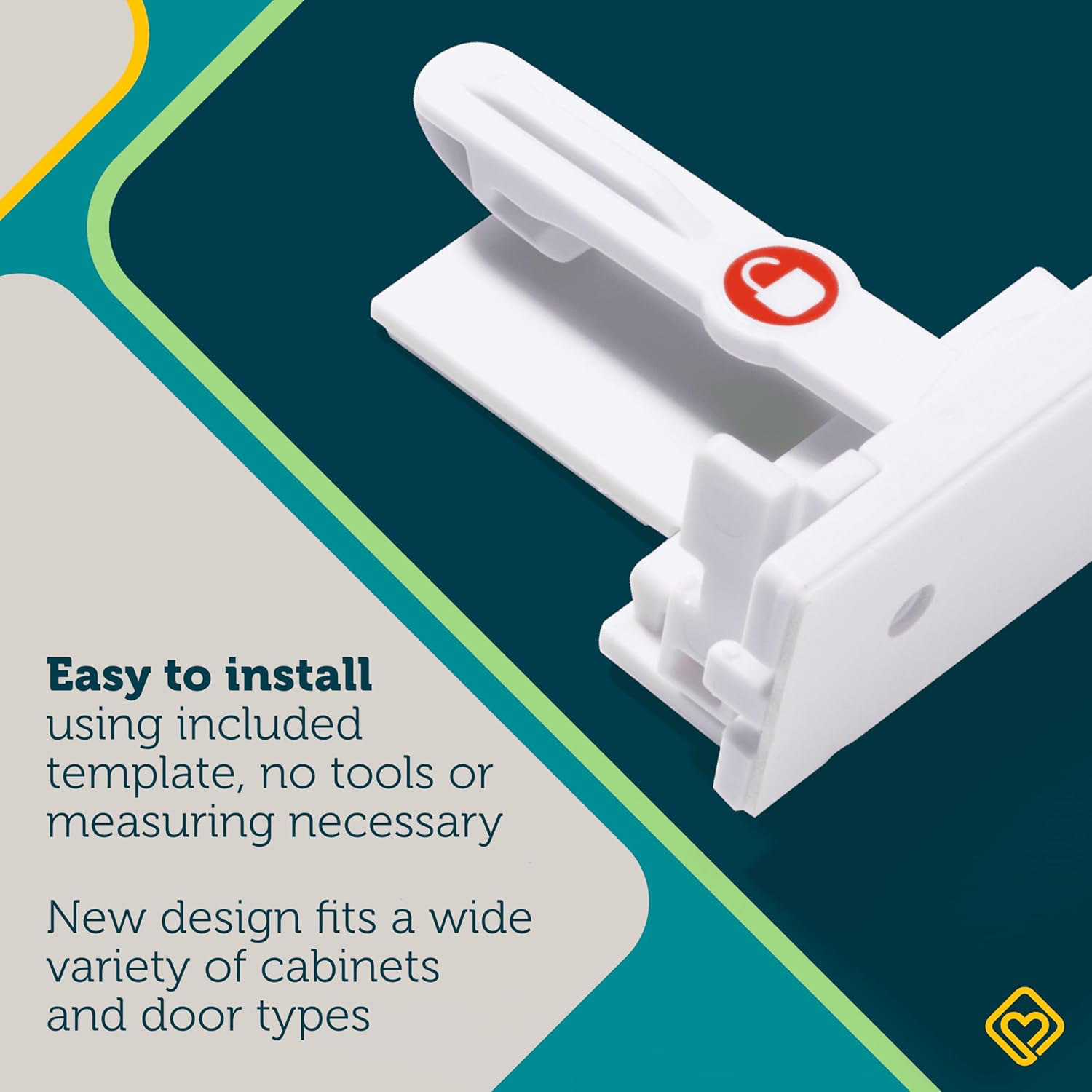
Adhesive Cabinet Locks (4-Pack) for Baby Proofing
Internal adhesive cabinet latches that help prevent toddlers from opening doors and drawers.
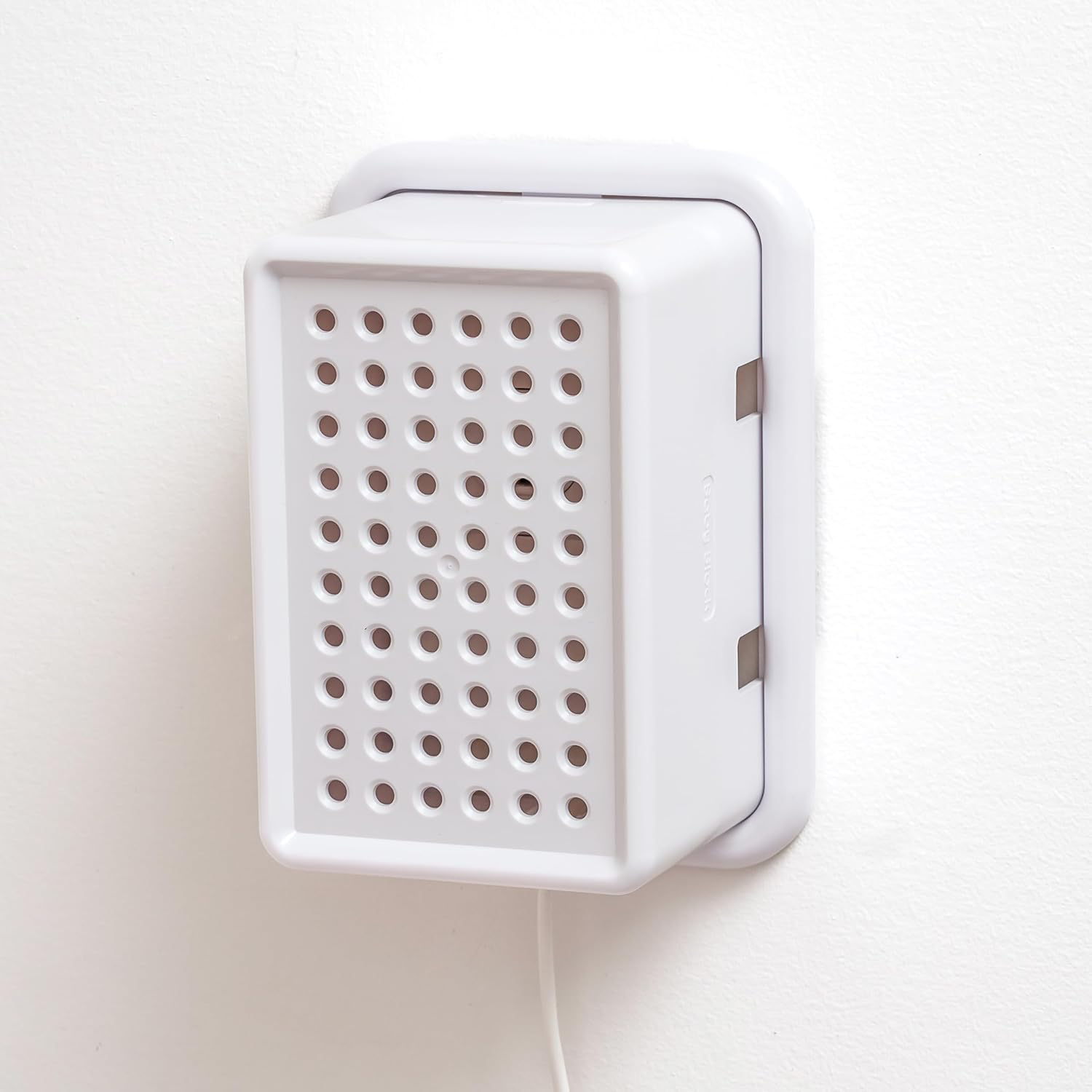
Outlet Plug Covers (24-Pack) Childproof Socket Protectors
Simple press-fit outlet caps that block unused electrical sockets from curious little fingers.
Learn before you buy
Plain-language safety guides written for real parents.
Education comes first. Read room-by-room walkthroughs, age-by-age checklists, and topic guides on furniture anchoring, electrical safety, water safety, and more. Products are only featured when they relate to a topic the article covers.
Baby proofing checklist, room by room
A single, plain-English starting point - what to handle in each room and in what order.
Age-by-age baby proofing checklist
What to baby proof at 4, 6, 9, 12, and 18 months, paced for real life.
Furniture tip-over prevention
Why furniture anchoring matters and exactly how to do it - including in rentals.
Common questions
Baby Proofing FAQ
When should I start baby proofing my home?+
What rooms should I baby proof first?+
How much does baby proofing a house cost?+
What baby proofing products do parents commonly use?+
Do I need to baby proof if I rent my home?+
Is baby proofing really necessary?+
What is the difference between baby proofing and childproofing?+
How do I know if I've covered the common considerations in my home?+
Are your product picks editorially independent?+
Do you take payments from brands to feature products?+
What does 'qualifying purchase' mean?+
Do you ever feature non-Amazon products?+
How are products vetted before they appear on the site?+
Not sure where to begin?
Our guides walk you through baby proofing one room at a time — short, specific, and paced for real life.
Read the beginner's guideAs an Amazon Associate I earn from qualifying purchases. Affiliate relationships do not influence the identification of safety considerations or the educational information provided.