Adhesive Cabinet Locks (4-Pack) for Baby Proofing
Kitchen

Adhesive Cabinet Locks (4-Pack) for Baby Proofing

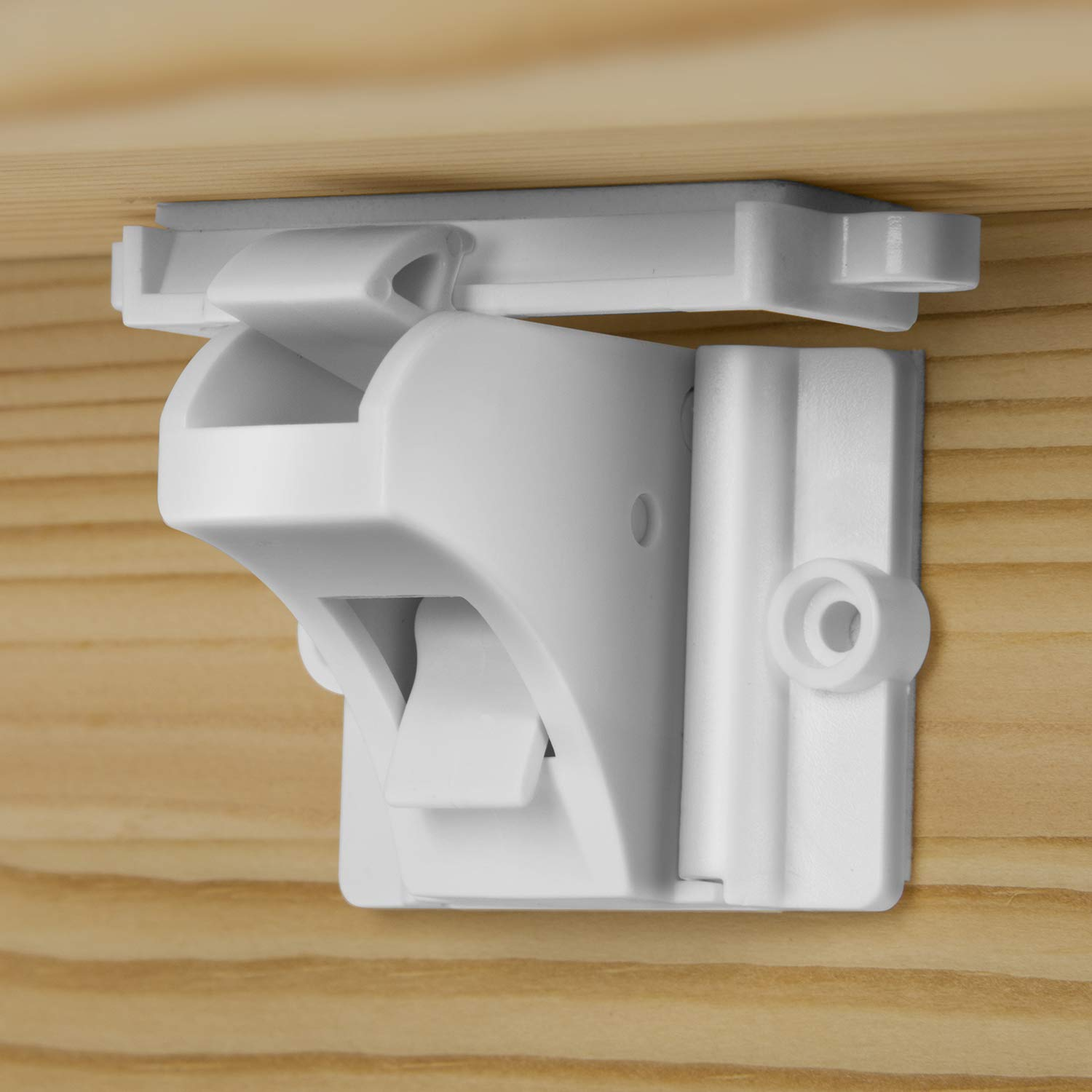
Internal adhesive cabinet latches that help prevent toddlers from opening doors and drawers.

Commonly used in

KitchenBathroomLaundry Room

Why we feature it

A reliable starter lock for two or three problem cabinets - the ones with cleaners, knives, or breakables. The strap-and-latch design tolerates a pulling toddler better than a single hook, and the small pack lets you trial-fit without committing to your whole kitchen.

Installation notes

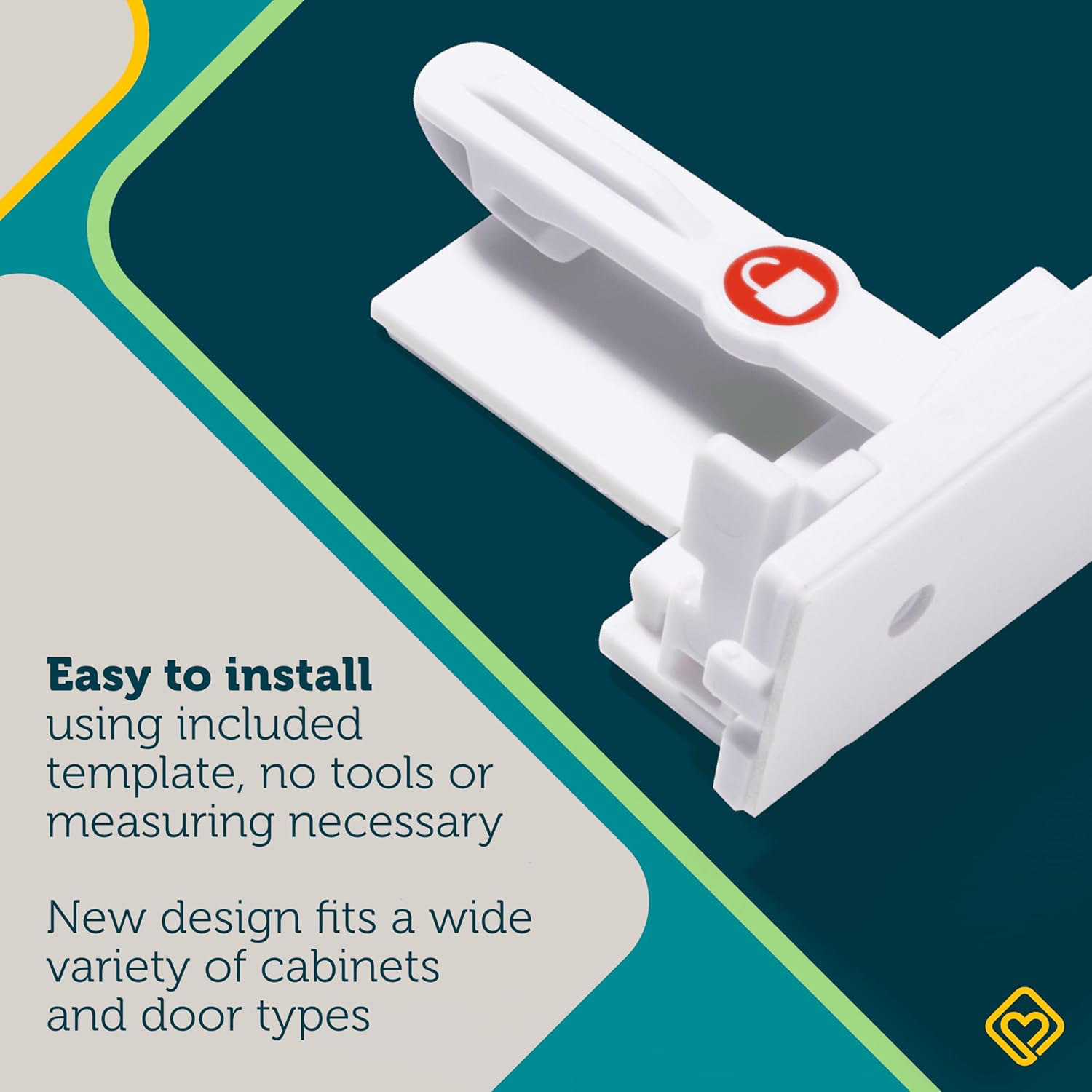
Test the swing of the door first - cabinets that flex too much will let the latch pop. Apply with the door closed so the alignment is automatic, then leave the door taped shut for 24 hours while the adhesive cures.

Renter-friendly?

Yes. No drilling. Adhesive comes off most cabinet finishes with heat and isopropyl alcohol, though glossy thermofoil cabinets occasionally show a faint outline.

Best for

Crawling (8m) through preschool (around 4y).

Honest tradeoffs

  • Adhesive-only locks fail eventually under repeated yanking - check monthly
  • Not appropriate for cabinets that store firearms, medications, or chemicals - use a key or magnetic system there
  • Doors with magnetic catches may need the latch repositioned to engage cleanly
  • Four units only covers a small zone - measure before ordering

When to consider an alternative

If you want an invisible install or are locking 8+ cabinets at once, magnetic locks scale better. For high-stakes contents, choose a keyed lock instead of adhesive.

As an Amazon Associate I earn from qualifying purchases.

We may receive a commission if you buy through this link, at no additional cost to you.

Opens amazon.com in a new tab. View latest price and details on Amazon.

Prices and availability are accurate as of the date/time indicated and are subject to change. Any price and availability information displayed on Amazon at the time of purchase will apply.

Editorial independence

We choose products based on safety relevance and parent-tested suitability, not commission rates. Read more about our selection methodology.

Reviewed by NestProof AI · April 2026
Buying guide

What to know before buying

Why cabinet locks matter

Most household poisonings of small children happen in cabinets and drawers parents already know are unsafe. Cleaners, dishwasher pods, vitamins, and medications often live in the same low storage that a toddler can open in under a second. A simple internal latch buys time — usually a lot of it — between curiosity and access.

Adhesive cabinet locks are the lowest-friction starting point for kitchen and bathroom safety. They install in minutes, they are renter-friendly, and they create a consistent expectation: closed cabinets stay closed.

What to look for when buying

Two factors matter most: adhesive strength and the angle of pull required to disengage the latch. Strong VHB-style 3M adhesive is the difference between a lock that holds for years and one that pops off after a month of toddler tugging. Look for a one-handed adult release — anything that requires two hands or a tool tends to get bypassed by tired parents.

Pack size depends on how much storage you actually need to secure. Four locks usually cover the under-sink cabinet, the cleaning supply cabinet, and the two most-pulled drawers. Whole-kitchen plans typically need eight to twelve.

Installation tips

Clean both surfaces with isopropyl alcohol and dry completely before peeling the adhesive. Press for at least 30 seconds and let the bond cure for 24 hours before testing. On older painted MDF, the paint can lift before the adhesive fails — placement on a structurally sound area matters.

Test the latch geometry once installed. A latch should engage when the cabinet is closed, not require the door to be jammed against the frame. If the door rattles when locked, reposition the strap before the adhesive fully cures.

Who this is best for

Renters, families who do not want to drill, and parents looking for a fast first-pass on the kitchen and bathroom. Also good for grandparent and caregiver homes where children visit but do not live.

When this is not the right pick

Adhesive locks are not ideal for cabinets that store the heaviest hazards if you have a determined climber and a long timeframe. Magnetic locks or lockable storage boxes are a better fit for medications, sharp tools, and concentrated cleaners. Adhesive can also struggle on rough or unfinished interiors.

Common questions

Adhesive Cabinet Locks (4-Pack) for Baby Proofing FAQ

What type of cabinet lock is best for baby proofing?+
Adhesive-mounted locks work well for most cabinets and are renter-friendly. Magnetic locks are more discreet but require a magnetic key. Screw-mounted locks are the most secure option for heavy-use cabinets. The best choice depends on your cabinet style and whether you rent or own.
How do I install adhesive cabinet locks?+
Clean both surfaces with rubbing alcohol, peel the adhesive backing, press firmly into place, and wait 24 hours before use. Make sure the cabinet surface is smooth and dry. Adhesive locks work best on finished wood, laminate, and painted surfaces.
Do cabinet locks work on all cabinet types?+
Most cabinet locks work on standard hinged cabinets with knobs or handles. Frameless cabinets, sliding drawers, and unusual handle styles may need specific lock types. Check the product specifications for compatibility with your cabinet design.

More in Kitchen

Affiliate links

The products below contain Amazon affiliate links. As an Amazon Associate I earn from qualifying purchases.