What grandparents' homes really need to change
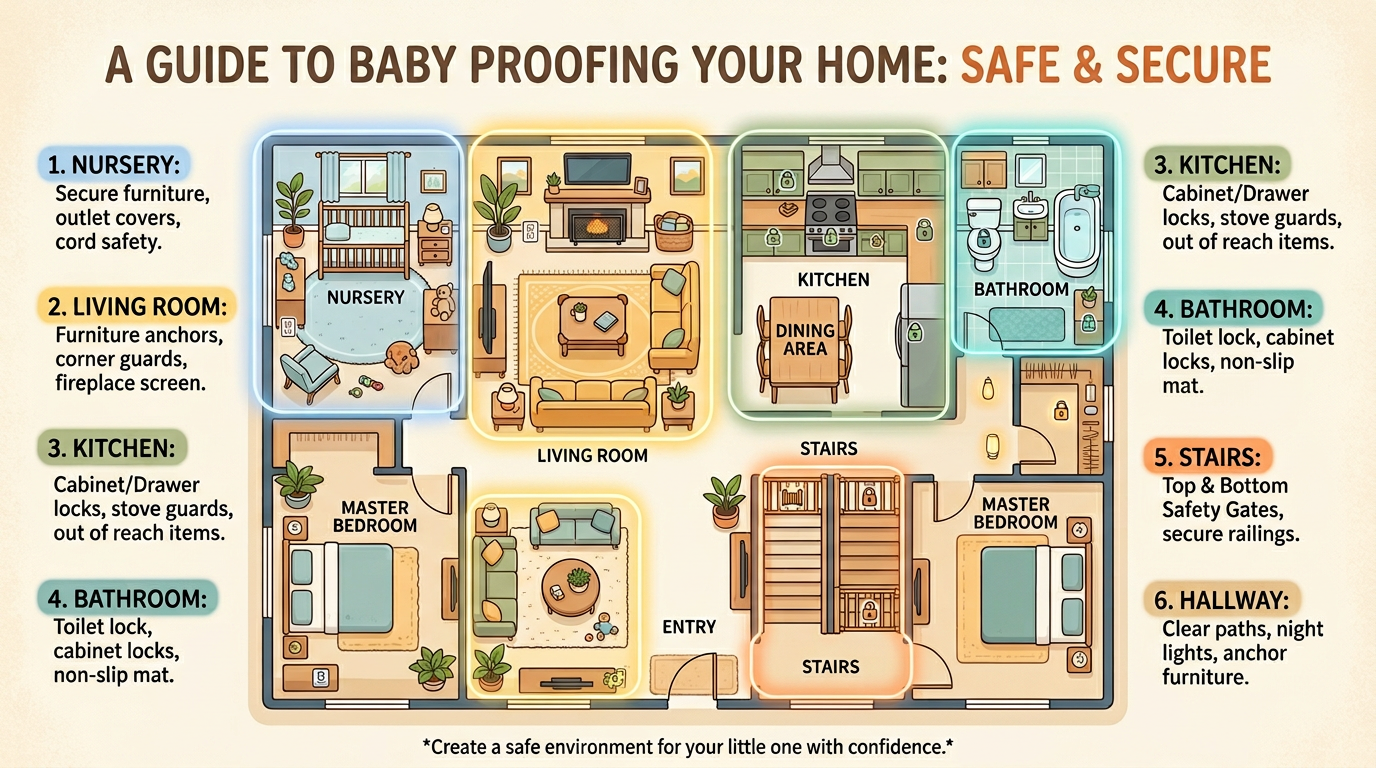
Grandparents' houses tend to be set up for adults. That is fine for short visits, but a few specific hazards show up consistently: medications on counters or in low drawers, stairs without gates, hot water at higher temperatures, and tall furniture that no one ever needed to anchor. These are the items worth addressing first, and most can be handled in an afternoon.
The aim is not to convert their home into a baby-only space. It is to lower the chance of a serious incident during a visit, with tools that can be removed easily and stored for the next time. Most grandparents are happier with a small focused list than a long catalog of gear.
Younger grandparents who are watching the baby regularly may want to invest more, but for occasional visits, the goal is reasonable preparation, not a renovation.
The short-visit safety list
Medications are the highest-priority change. In many grandparents' homes, daily medications live on a counter, in a low drawer, or in an open pillbox where a curious toddler can reach. Moving these to a high cabinet during visits — or to a locked container if visits are frequent — is a fast, high-impact upgrade. Vitamins and supplements count too; iron pills in particular have caused serious incidents in young children.
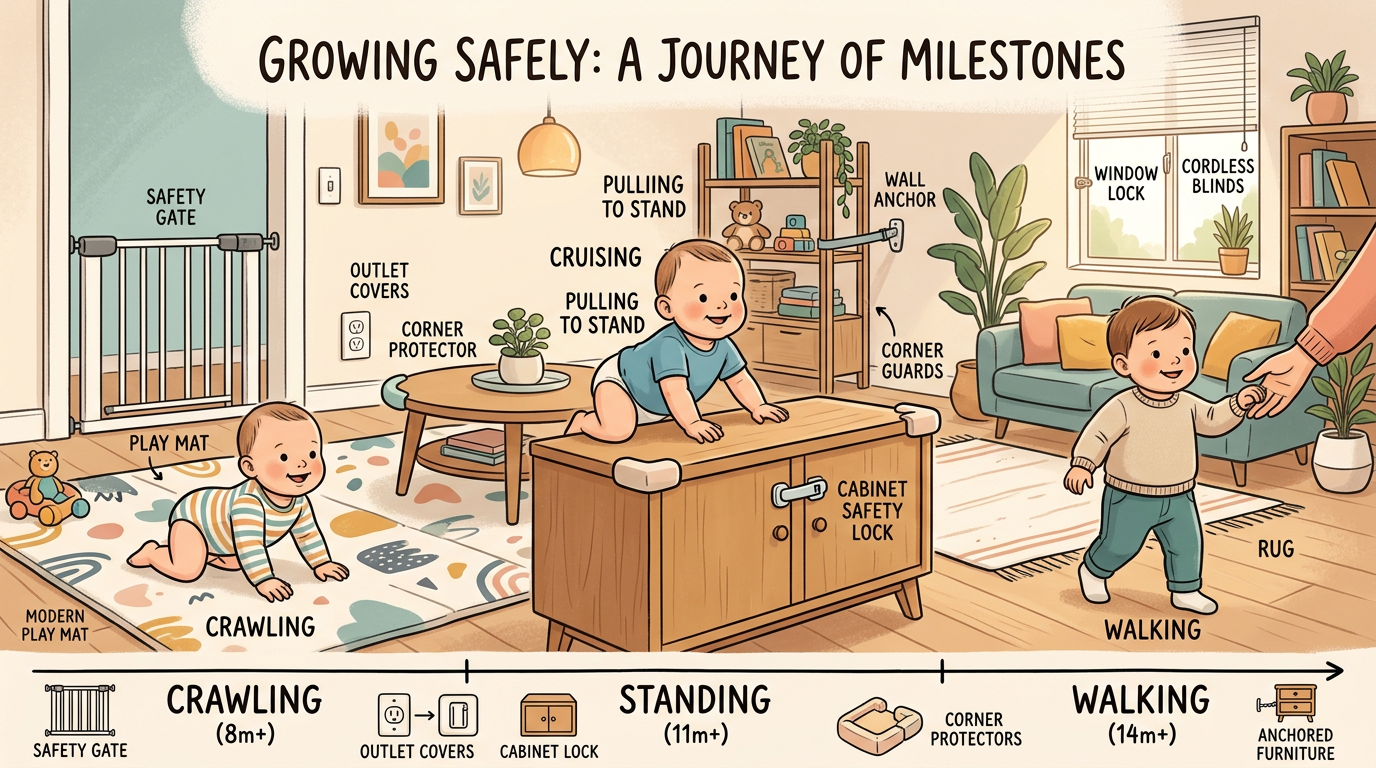
Stairs are the second priority. A pressure-mounted gate is often appropriate at the bottom of a flight, and a hardware-mounted gate is the standard for the top. If grandparents are uncomfortable drilling into trim, a fitted gate that uses tension brackets at the top of stairs may be acceptable for occasional use when installed exactly to the manufacturer's instructions, but extra care is needed.
Hot water is often hotter at grandparents' houses than at home. Tap water above about 120 degrees Fahrenheit can scald a small child quickly. Lowering the water heater to a moderate setting protects the whole family, including aging adults, and is a one-time change.
Tall, heavy furniture — china cabinets, bookshelves, dressers in guest rooms — should be anchored if there is any chance a visiting toddler will be in those rooms. Wall straps are inexpensive and removable, and patching the small holes when they come down is straightforward.
Quick checklist
- ✓Move medications, vitamins, and supplements to a high or locked location.
- ✓Add a baby gate at the top and bottom of any staircase the child can reach.
- ✓Lower the water heater to about 120 degrees Fahrenheit.
- ✓Anchor tall furniture in any room the child will use.
A portable safety kit for visits
For families who visit grandparents regularly, a small portable kit handles most situations without leaving anything permanently installed. Pack a few outlet covers, a couple of corner guards, a cord winder or two, a portable stove knob cover or stove guard if cooking is involved, and a folded pressure-mounted gate. A toilet lock and bath spout cover finish off the bathroom.
Keep the kit in a labeled bag in the car or in a closet at grandparents' house. The point is not to install everything every visit, but to have the right item available when a specific room becomes the play zone for the afternoon.
When the baby starts walking and climbing, add a small basket of safe distractions — books, soft toys, a few cups — to a low shelf grandparents can reach quickly. A child who has something appealing to do is less likely to look for a hazardous distraction.
Quick checklist
- ✓Pack outlet covers, corner guards, cord winders, and a portable gate.
- ✓Add a toilet lock and bath spout cover for bathroom visits.
- ✓Keep a basket of safe toys and books ready at grandparents' house.
Walk through the house together
The most important step is the one most families skip: a calm, no-blame walk through the house with whoever will be supervising. This is not about criticizing how the home is set up; it is about pointing out the few things you would like watched, locked, or moved during the visit.
Common conversation points include where medications are kept, which doors should stay closed, what the baby is currently into climbing, and any food allergies or feeding rules. Sharing the baby's nap and feeding schedule helps grandparents recognize the windows when supervision needs to be tightest.
Grandparents are often eager to help; they simply need specific information. Five minutes of conversation tends to do more for safety than another product purchase.
Quick checklist
- ✓Walk the house together before the first long visit.
- ✓Share medication locations, climbing habits, and feeding rules.
- ✓Confirm which rooms are off-limits and how doors will be handled.
Frequently asked questions
For a short visit, a small set of changes — medications moved up, stairs gated, tall furniture anchored — is usually enough. The level of effort scales with how often the baby is there.
Common patterns include medications on counters or in low drawers, hot tap water, ungated stairs, and unsecured tall furniture. These are the first items to address.
A small portable kit with outlet covers, corner guards, a cord winder, a toilet lock, and a foldable gate covers most homes without leaving permanent changes behind.
Frame it as your baby's current developmental stage rather than a critique of their home. A friendly walk-through together usually works better than a list sent ahead of time.
Featured products
Affiliate linksProducts that support this guide
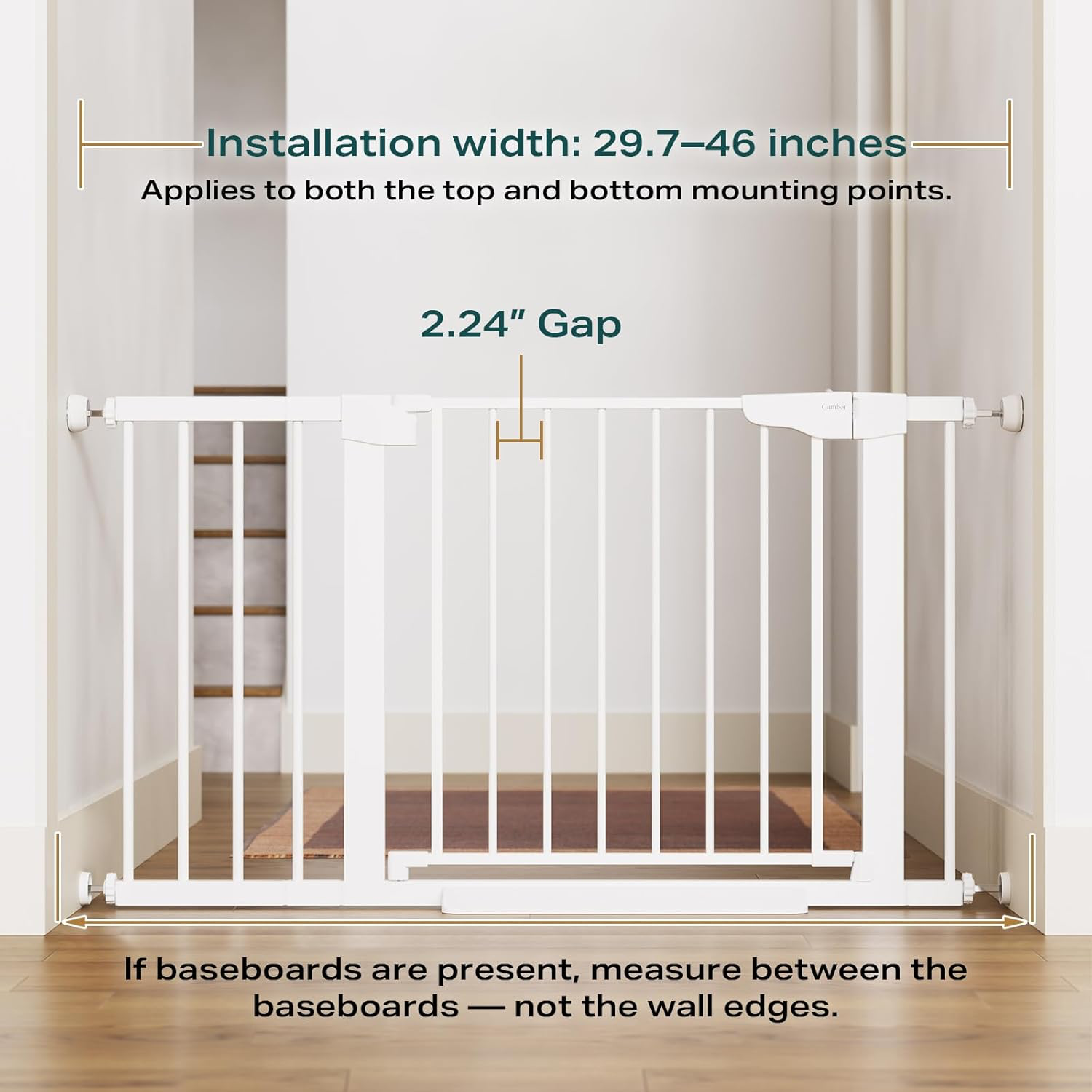
Pressure-Mounted Baby Gate for Doorways
No-drill pressure gate for doorways and low-risk openings to create clear child-safe zones.
View product→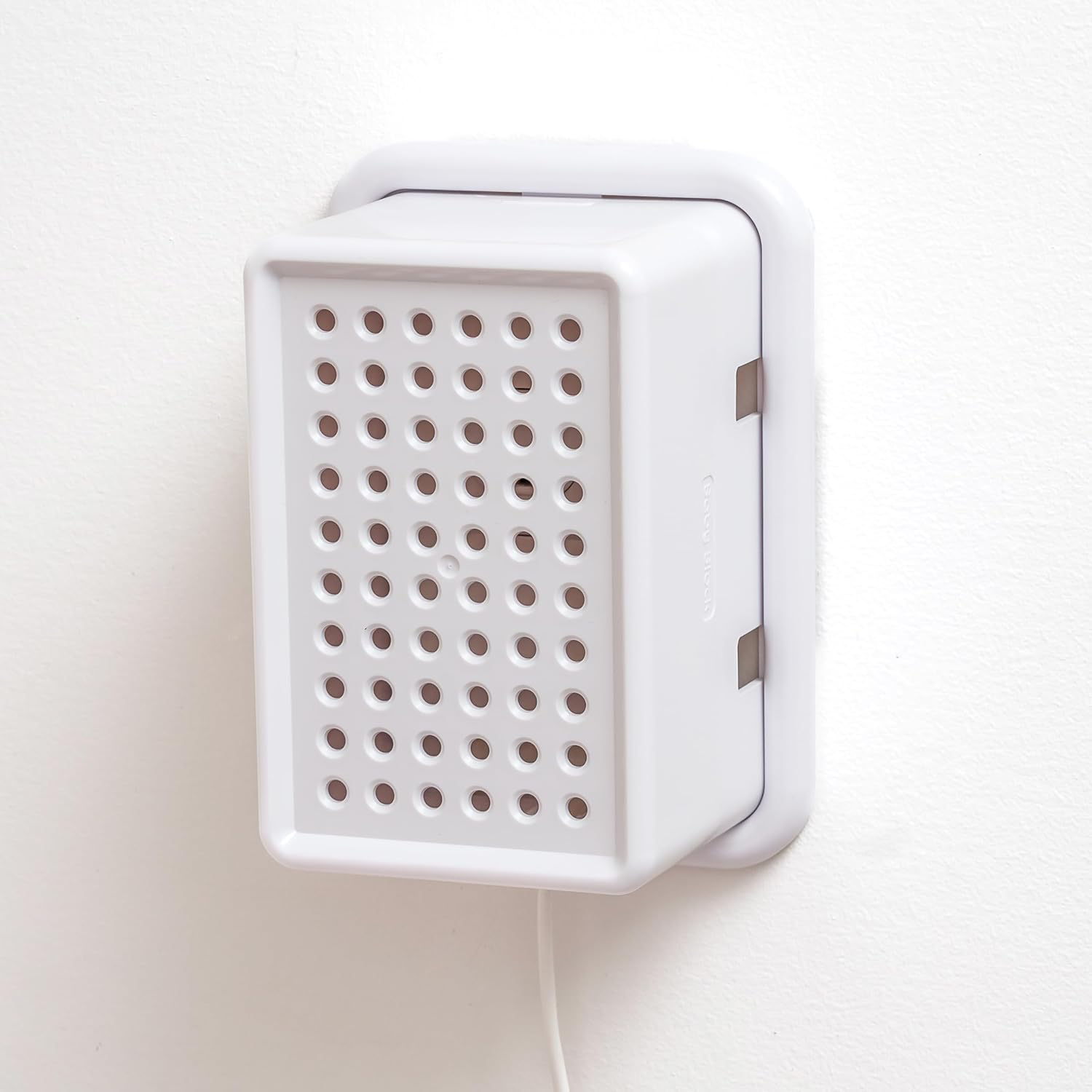
Outlet Plug Covers (24-Pack) Childproof Socket Protectors
Simple press-fit outlet caps that block unused electrical sockets from curious little fingers.
View product→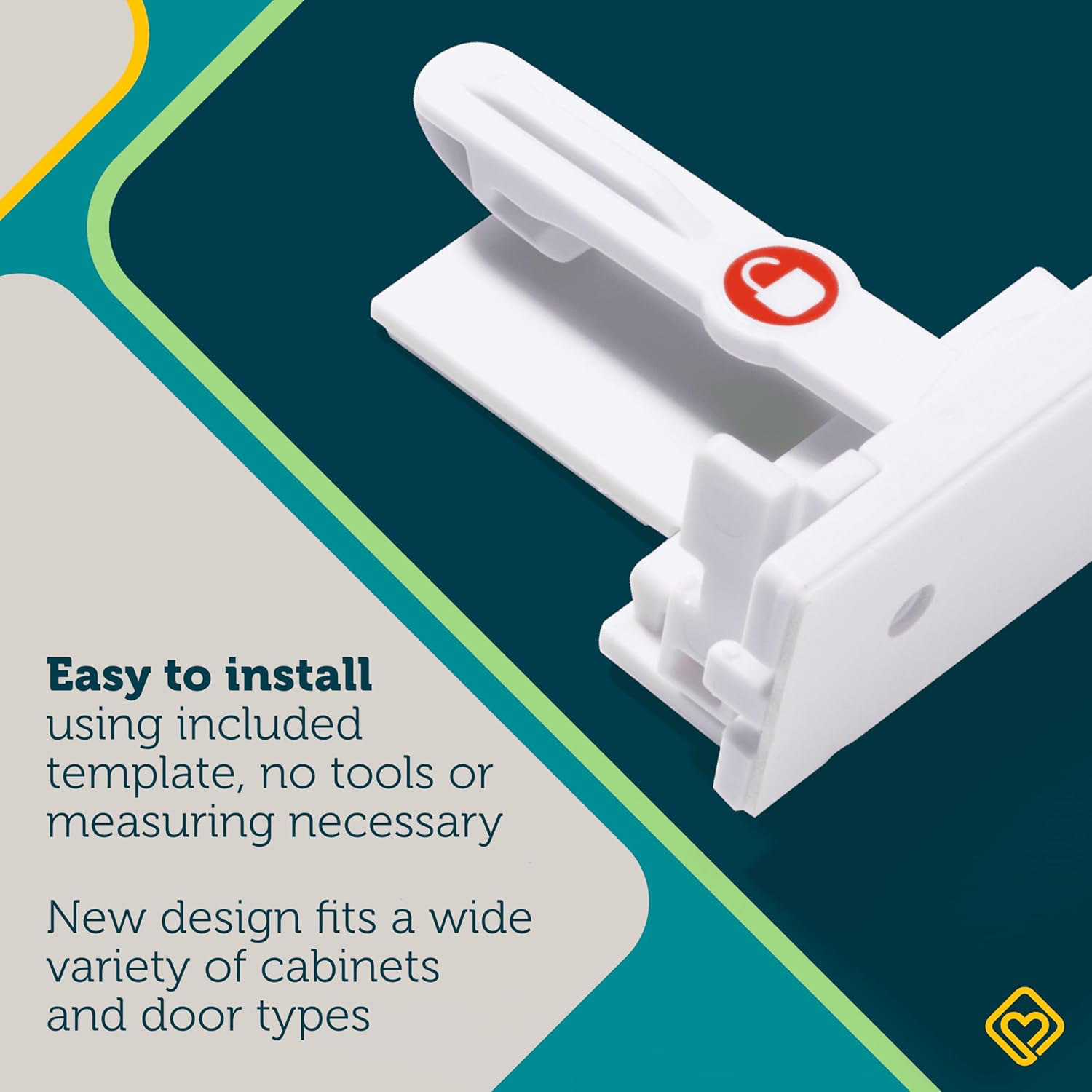
Adhesive Cabinet Locks (4-Pack) for Baby Proofing
Internal adhesive cabinet latches that help prevent toddlers from opening doors and drawers.
View product→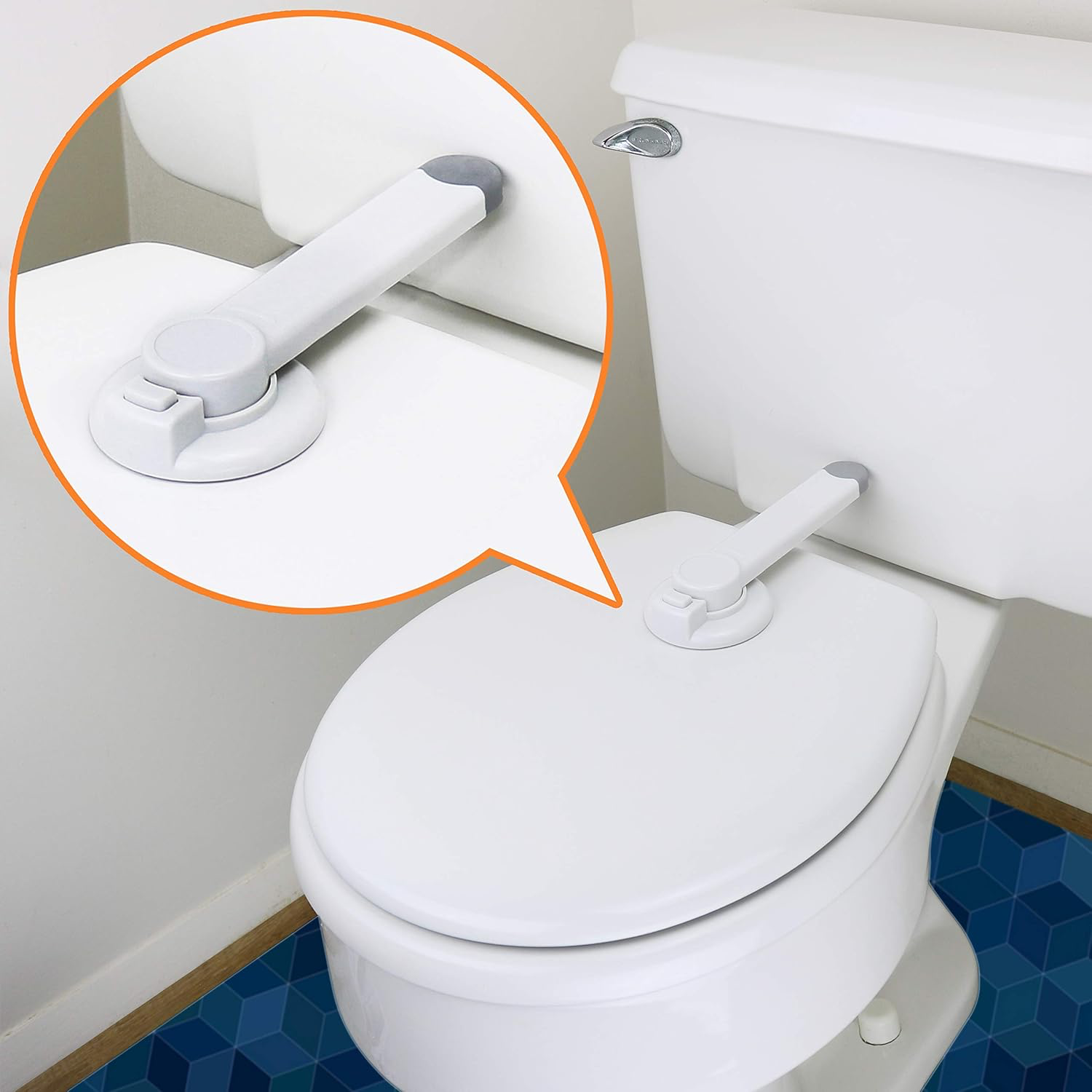
Wappa Baby Toilet Lock
Adhesive toilet lid lock that keeps curious toddlers from opening the toilet. No tools needed for installation, uses strong 3M adhesive, fits most standard toilets.
View product→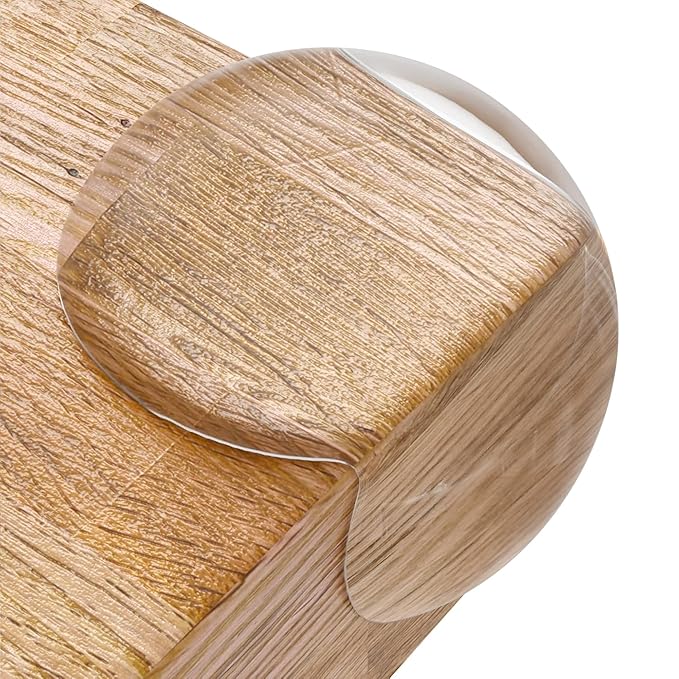
12-Pack Corner Protectors Baby Proof, Furniture Corner and Edge Safety Bumpers
Soft foam corner guards with 3M adhesive backing to cushion sharp furniture edges.
View product→Last reviewed
Sources used for this guide
Reviewed on April 24, 2026. This content is educational and practical, but it is not a substitute for professional safety inspections or medical advice.
U.S. Consumer Product Safety Commission
Childproofing your home: 12 safety devices to protect childrenHealthyChildren.org / American Academy of Pediatrics
Safety for Your Child: 6 to 12 MonthsSafe Kids Worldwide
Protecting children in your home