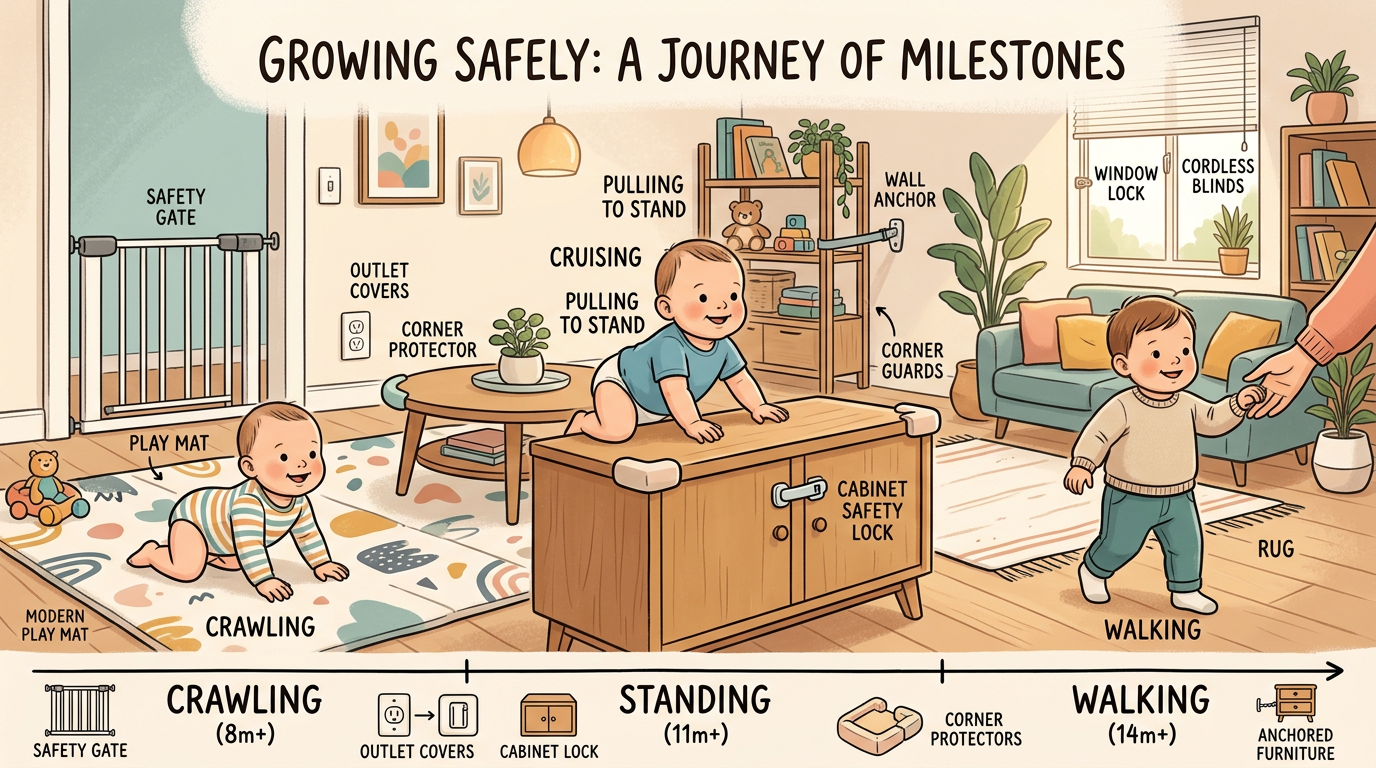
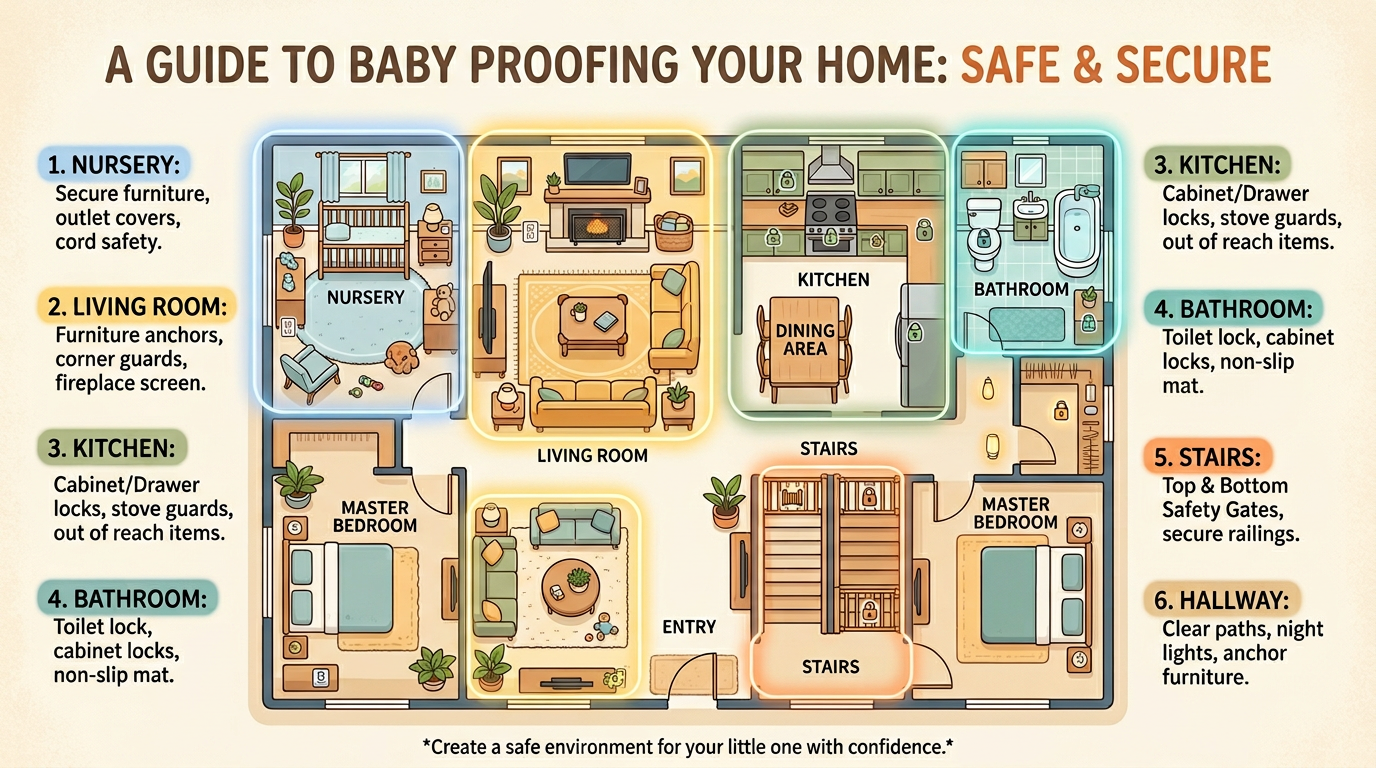
Mistake one and two: skipped anchors and the wrong gate at stairs
Skipping furniture anchors is the most common high-consequence baby proofing mistake. Dressers, bookshelves, and televisions on stands can tip when a child pulls up on them, opens drawers like a ladder, or climbs to reach an interesting object. Anchoring is inexpensive, fast, and one of the few baby proofing steps with clear safety guidance from federal regulators.
The other widely repeated mistake is using a pressure-mounted gate at the top of stairs. Pressure gates are convenient for doorways and room dividers, but they are not designed for stair tops, where a fall risk is involved. Hardware-mounted gates that screw into wall studs are the appropriate choice in that location, and they are widely available in styles that suit most homes.
Quick checklist
- ✓Anchor every tall freestanding piece of furniture, including TVs.
- ✓Use only hardware-mounted gates at the top of stairs.
- ✓Re-check anchors and gate hardware each season.
Mistake three through five: button batteries, magnets, and choking-size objects
Button batteries — the small disc batteries in remotes, key fobs, scales, candles, and greeting cards — are one of the most serious household hazards because of how they can react if swallowed. Many homes have ten or more in places adults forget about. A short inventory and tape over battery compartments where the cover is loose addresses most of this risk.
Small high-powered magnets, often sold as desk toys or from older sets, are another quietly missed hazard. When more than one is swallowed, they can attract through tissue. Removing magnet sets entirely from any home with young children is the simplest answer.
Routine choking-size objects — coins, jewelry, small caps, dried foods, and parts of older siblings' toys — are easy to underestimate during a quick room scan. A floor-level walk with a small tube to check object size is one of the most useful five-minute exercises in any home.
Quick checklist
- ✓Inventory and tape down button battery compartments.
- ✓Remove high-powered magnet sets entirely from the home.
- ✓Walk each room at floor level with a choking-size reference tool.
Mistake six through eight: windows, cords, and standing water
Open windows above the first floor are often missed, especially in older homes without modern window stops. Screens are not a fall protection device. Window stops or guards that limit how far a window can open are a simple addition that families often skip until a near miss happens.
Blind cords and appliance cords continue to come up in pediatric injury reports despite long-running guidance. Cordless window coverings, cord winders, and routine attention to dangling cords from coffee makers, slow cookers, and lamps reduce a category of risk that is otherwise easy to ignore.
Standing water — in bathtubs, mop buckets, kiddie pools, and even pet bowls — is another widely missed item. Babies and toddlers can drown in very small amounts of water in less time than most parents realize. Emptying these immediately after use is more effective than any single product.
Quick checklist
- ✓Add window stops or guards to upper-floor windows.
- ✓Replace corded blinds with cordless options where possible.
- ✓Empty mop buckets, tubs, and pools immediately after use.
Mistake nine and ten: setting and forgetting, and skipping walkthroughs
The ninth common mistake is treating baby proofing as a one-time project. Children's reach, climbing skill, and curiosity change every few months. A setup that fit at nine months can be insufficient by fifteen, and even good products can loosen, lose adhesion, or shift over time. A quarterly walkthrough catches most of this drift before it becomes a problem.
The tenth is skipping the floor-level walkthrough entirely. Adults rarely see a home from the perspective of a crawler. Sitting on the floor in each room and looking around at child eye level reveals hazards that no checklist can fully capture: a low cabinet that was overlooked, a cord behind a couch, a candle within reach. This single habit is one of the highest-value baby proofing exercises a parent can build.
Quick checklist
- ✓Schedule a short safety walk every season.
- ✓Walk each room at child eye level, not adult.
- ✓Log loose anchors, weak adhesives, or shifted gates and fix them the same week.
Frequently asked questions
Skipping furniture anchors is the most common high-consequence mistake. Tall furniture can tip when a child pulls up, opens drawers like a ladder, or climbs. Anchoring is fast, inexpensive, and consistently flagged by federal safety regulators.
Pressure gates rely on tension against a wall or doorway and are not designed for fall-risk locations. Hardware-mounted gates that screw into studs are the appropriate choice at the top of any staircase.
Yes. Button batteries can react when swallowed and are taken seriously by pediatric safety organizations. Most homes have more of them than parents realize, in remotes, key fobs, candles, scales, and greeting cards.
Loose blind cords, button batteries, small magnets, low candles, and standing water in tubs or buckets are commonly missed. A floor-level walk with attention to small reachable objects catches most of them.
A quarterly walk works well for most families because children's reach and abilities change quickly. Anchors, gates, and adhesives also drift over time and benefit from regular rechecks.
It can help in homes with stairs, multiple levels, or unusual layouts. For most apartments and single-level homes, a careful walkthrough using a checklist and a small set of well-installed products is sufficient.
Featured products
Affiliate linksProducts that support this guide
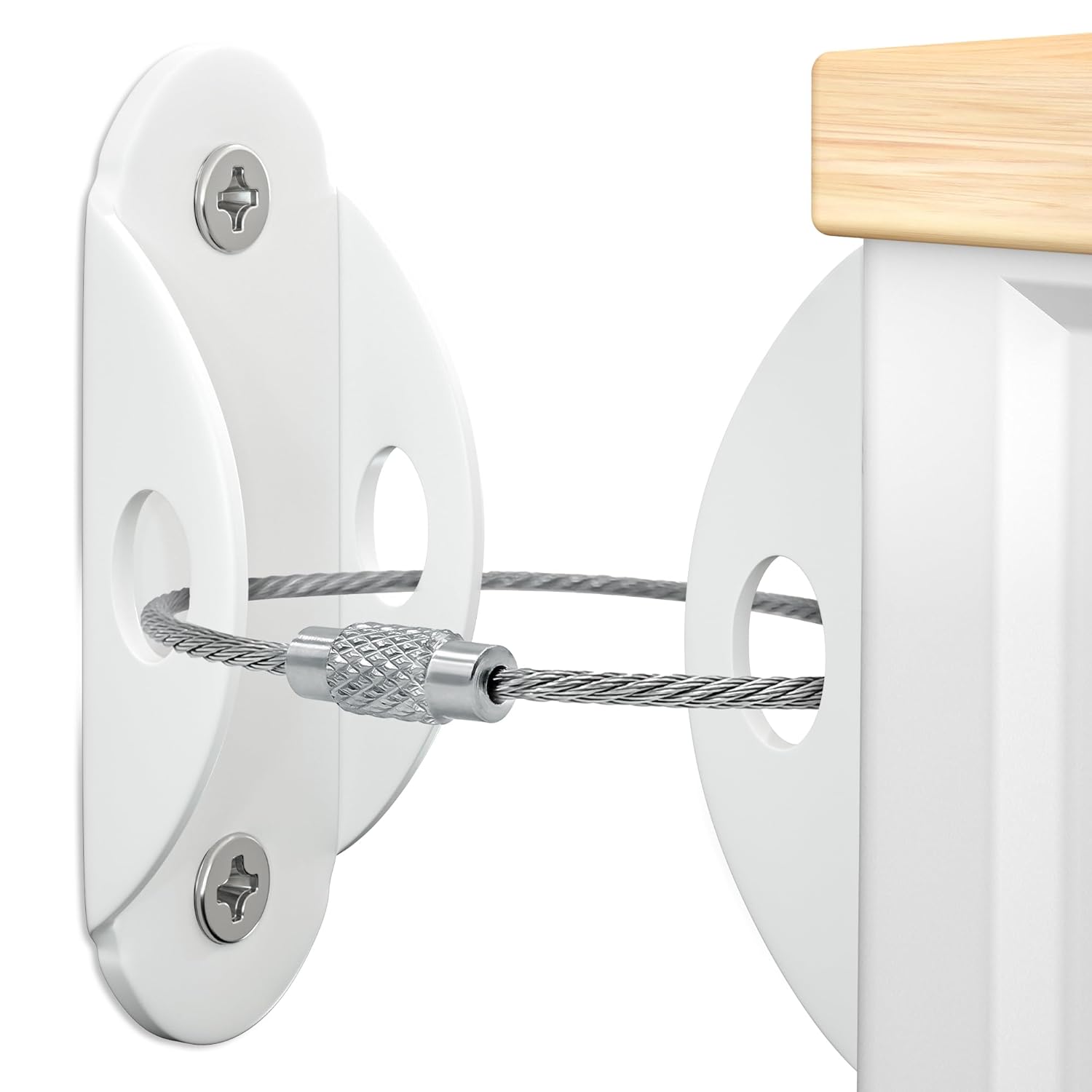
Booda Brand Furniture Anchors (10 Pack) Anti Tip Straps
Steel anti-tip straps for tall furniture and televisions, sold as a multi-pack so you can do a whole room in one afternoon. Tip-overs are one of the most common serious household injuries for toddlers, and we recommend anchoring anything taller than a child even if it feels stable when you push on it. The included hardware works for wood studs and most wall anchors; for plaster or masonry you may need different fasteners.
View product→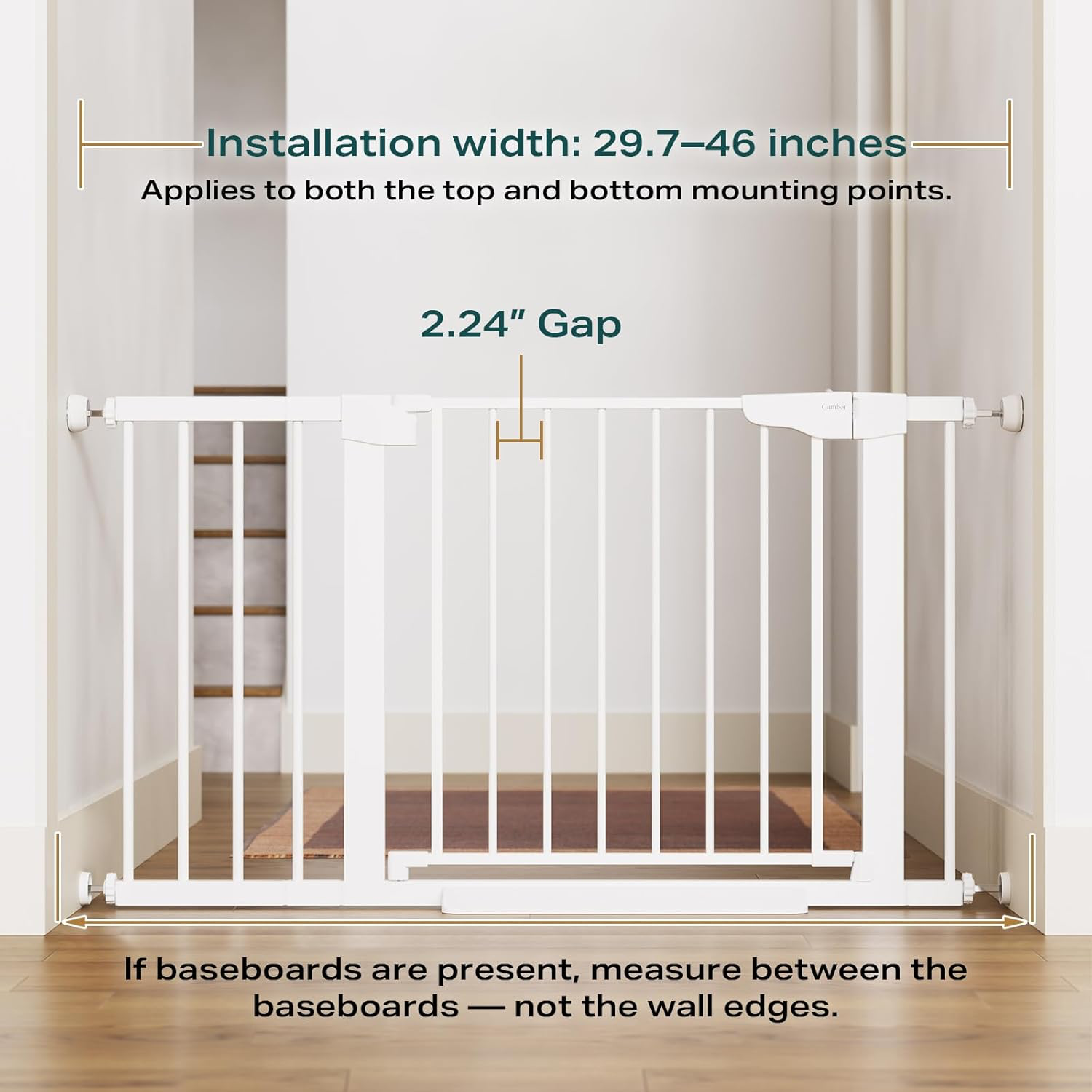
Cumbor 29.7-46 Baby Gate for Stairs
A pressure-mounted barrier sized for typical hallway and stairway openings between roughly 30 and 46 inches. We like it for renters because it sets up without drilling, and the auto-close latch helps when you walk through with a baby on your hip. Confirm it fits your specific opening before you buy.
View product→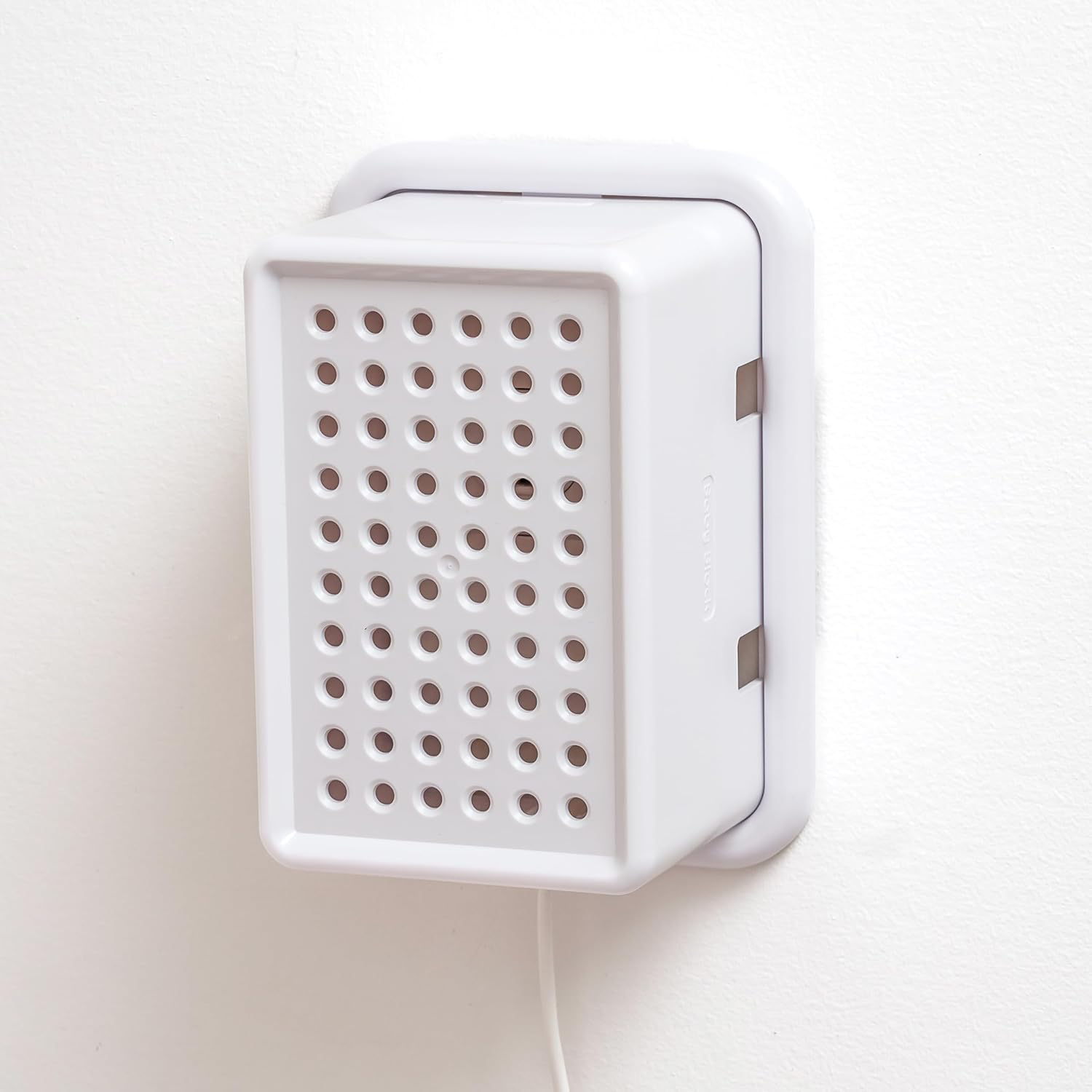
Outlet Plug Covers (24-Pack) Childproof Socket Protectors
Simple press-fit outlet caps that block unused electrical sockets from curious little fingers.
View product→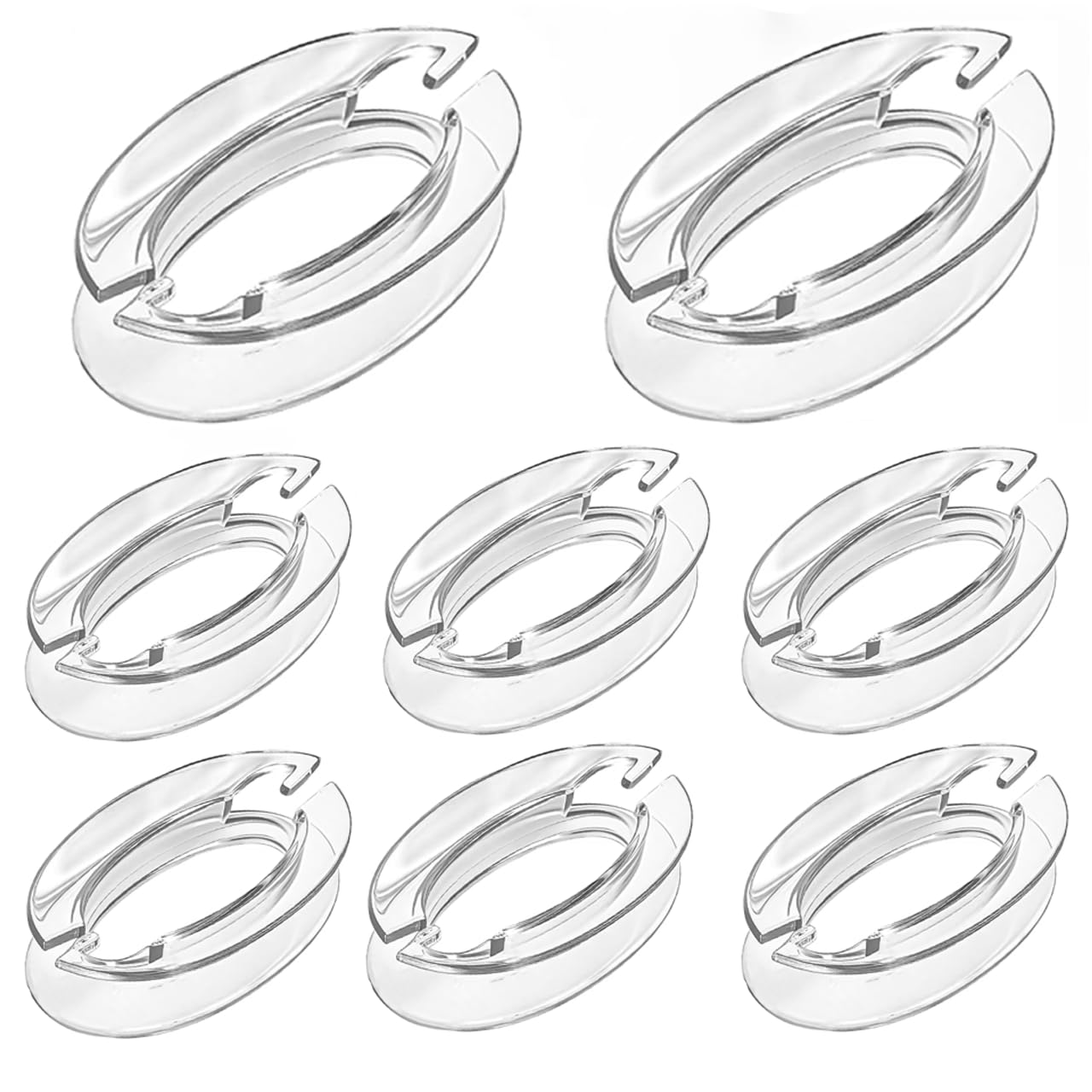
Dreambaby Blind Cord Wind-Ups
Helps keep dangling blind cords out of reach of children to prevent entanglement.
View product→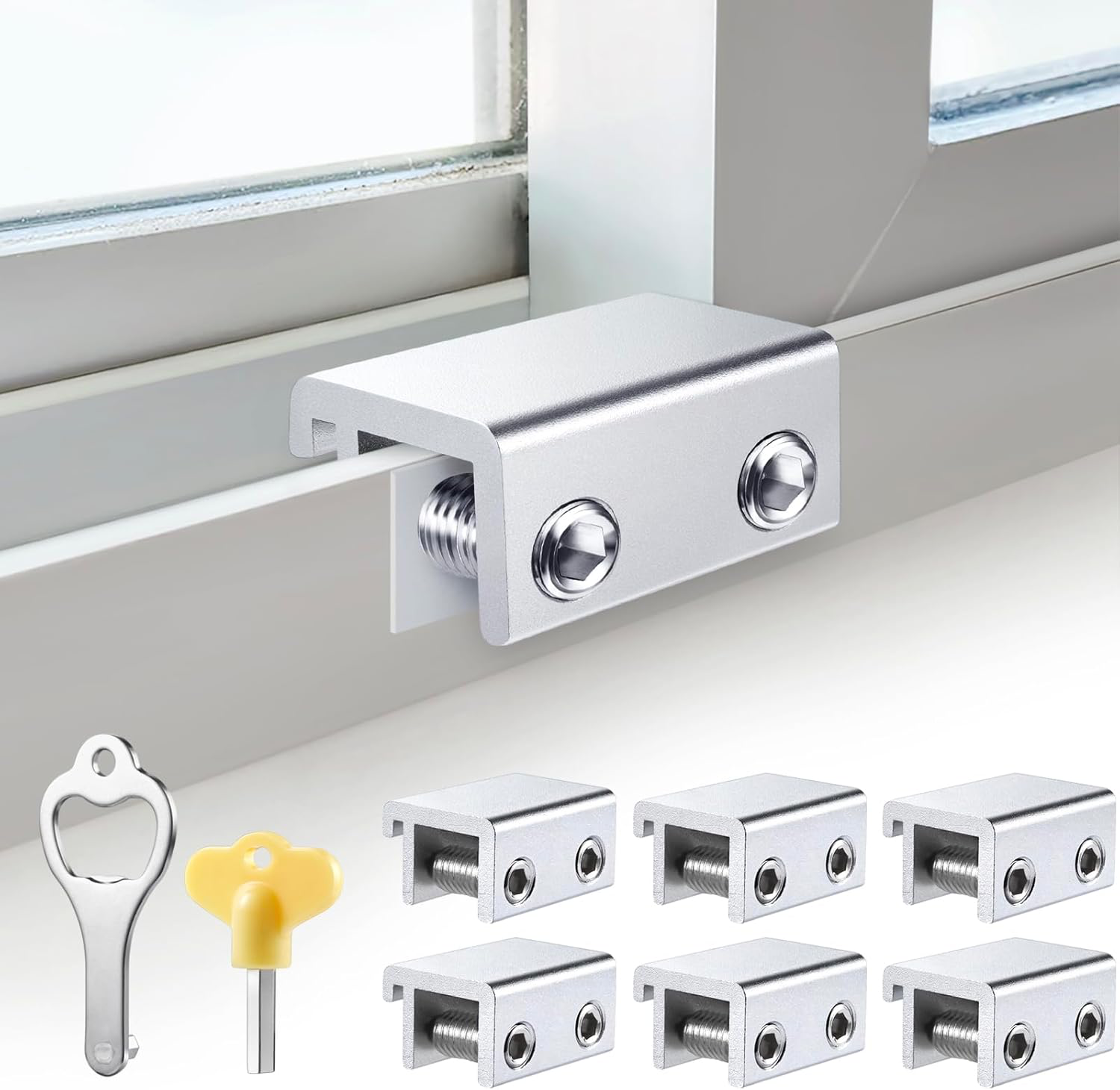
Sliding Window Locks
Adjustable security locks for sliding windows and doors to prevent children from opening them.
View product→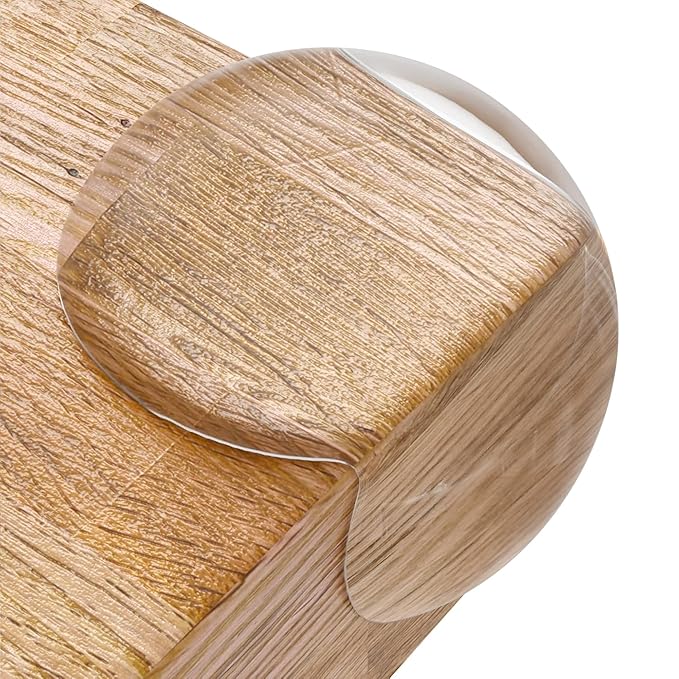
12-Pack Corner Protectors Baby Proof, Furniture Corner and Edge Safety Bumpers
Soft foam corner guards with 3M adhesive backing to cushion sharp furniture edges.
View product→Last reviewed
Sources used for this guide
Reviewed on April 26, 2026. This content is educational and practical, but it is not a substitute for professional safety inspections or medical advice.
U.S. Consumer Product Safety Commission
Anchor It! furniture tip-over safetyU.S. Consumer Product Safety Commission
Childproofing your home: 12 safety devices to protect childrenSafe Kids Worldwide
Protecting children in your homeHealthyChildren.org / American Academy of Pediatrics
Safety for Your Child: 6 to 12 Months