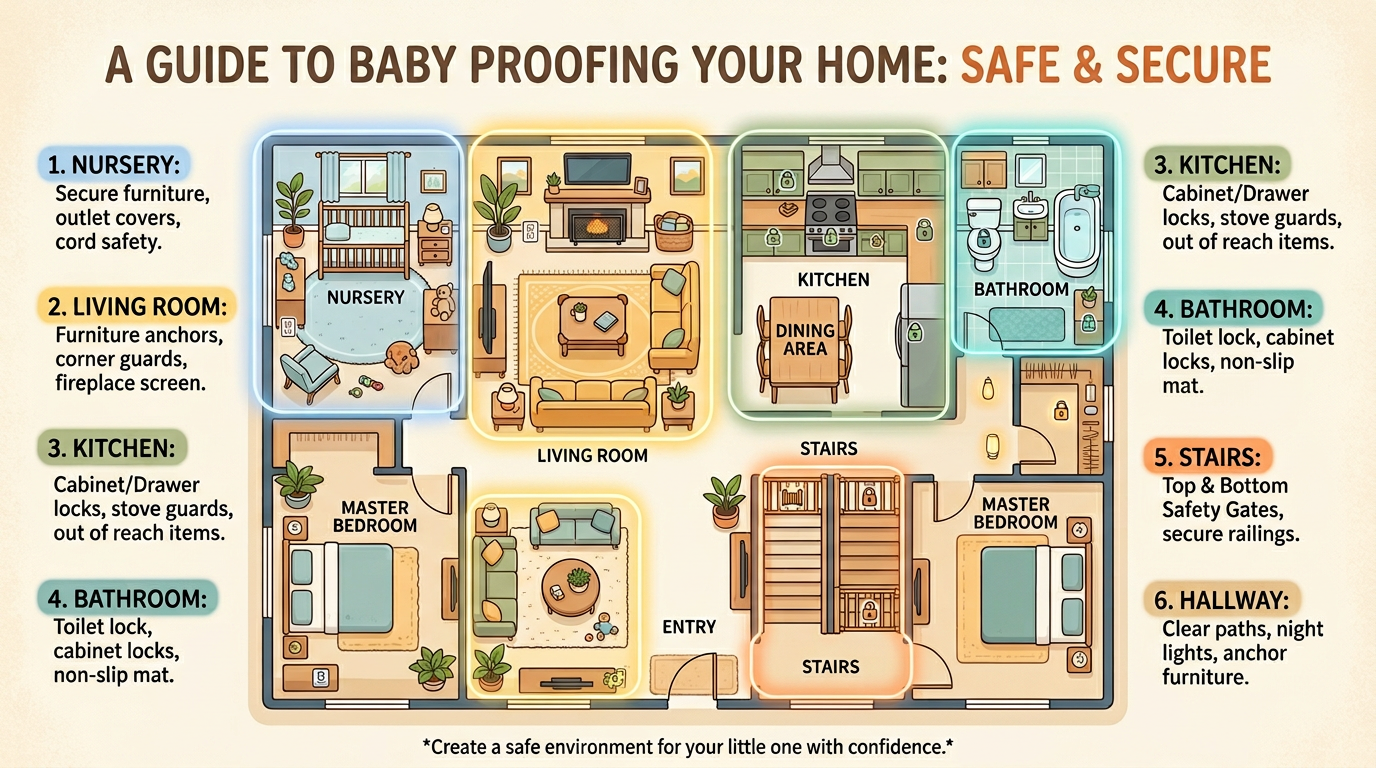
Spend where failure has the biggest consequences
When budgets are tight, the most useful question is not which products are cheapest, but which ones you cannot afford to have fail. A failed cabinet lock on a stash of cooking utensils is annoying. A failed furniture anchor on a tipped dresser is a different category entirely. The first dollars in your baby proofing budget should go toward the items where the cost of failure is highest.
In most homes, that short list looks similar: furniture anchors for any tall freestanding piece, a hardware-mounted gate for the top of any stairs, and reliable locks for cabinets that store medicines or cleaning supplies. These three areas account for a large share of the serious incidents pediatricians and emergency rooms see each year, and they are also where store-brand bargain versions sometimes fall short.
It is reasonable to read a few reviews before buying anchors and gates, and to look for products that have been third-party tested. You do not need the most expensive option on the shelf, but the very cheapest unbranded one may not be where to save money.
Quick checklist
- ✓Anchor every tall or top-heavy piece of furniture in the home.
- ✓Use a hardware-mounted gate at the top of any staircase.
- ✓Lock cabinets containing medicines, cleaning supplies, or sharp tools.
- ✓For these three categories, choose well-reviewed products with consistent feedback.
Where store-brand and basic options are usually fine
Many small baby proofing items are commodity products. Outlet plug covers, corner protectors, blind cord winders, drawer stops, and basic adhesive cabinet locks are widely available in store-brand or value packs and tend to perform similarly across brands. If a budget pack arrives and the adhesive is weak or the foam is thin, it is usually obvious immediately and easy to replace.
It is also fine to buy in bulk. A 24-pack of outlet covers will cover most homes with extras for daycare bags and trips to grandparents. A 12-pack of corner guards often costs about the same as a 4-pack from a name-brand reseller. Most parents end up wanting more of these items than they expect, so larger packs reduce future trips to the store.
The one caveat is sliding plate outlet covers and tamper-resistant outlets. These are sturdier than plug-in covers but often cost more or require an electrician. Either is fine; what is not ideal is mixing many different cover types in one home, which makes it harder to remember which outlets are protected.
Quick checklist
- ✓Buy outlet covers, corner guards, and cord winders in larger value packs.
- ✓Test adhesive products on a small spot before committing the whole home.
- ✓Pick one outlet protection style and apply it consistently across the home.
What many families can skip without feeling it
Baby proofing aisles include a long list of niche gadgets that look helpful but rarely earn their cost: full stove-front shields when knob covers and back-burner habits already work, motion sensors for cabinets that already have locks, fancy electronic monitors for low-risk indoor spaces, or branded versions of the same product you can buy generically.
Some products solve a problem most homes do not have. A swimming pool fence alarm is essential if you have a pool, and irrelevant if you do not. A second baby monitor may be unnecessary if your home is small enough to hear from any room. The aim is not to own every tool — it is to own the tools that match your specific home and routine.
It is easy to feel like spending more money equals more safety, but that is not how risk works. A well-installed twenty-dollar gate is safer than an unboxed one-hundred-dollar gate sitting on the closet floor. Buy what you will actually install and maintain.
Quick checklist
- ✓Resist gadgets that solve problems your home does not actually have.
- ✓Choose fewer products that you will install correctly over many you might not.
- ✓Re-evaluate purchases as your child develops; needs shift quickly.
Free and almost-free strategies that lower risk
Some of the most effective baby proofing changes do not cost anything. Moving a heavy dresser away from a window removes a climbing path. Pushing dining chairs in fully takes ten seconds and prevents a frequent climbing scenario. Storing medications above adult eye level changes the access pattern even before locks go on.
Routines beat gadgets in many situations. Closing a bathroom door each time you leave it, returning cleaning supplies to a high shelf after use, and pulling appliance cords back from the counter edge are zero-cost habits that lower risk every day. These work especially well in rentals or shared housing where physical changes are limited.
Free guidance is also widely available. Pediatricians, county health departments, and safety nonprofits often share basic checklists, and many libraries and parenting groups host free baby proofing sessions. A short conversation with someone experienced is often more useful than another product purchase.
Quick checklist
- ✓Move climbable furniture away from windows and high-fall areas.
- ✓Push chairs and stools fully in after every meal.
- ✓Build a habit of returning hazards (medicines, knives, cleaners) to safe storage.
- ✓Take advantage of free safety classes through local clinics or libraries.
Frequently asked questions
Start with free changes: move climbable furniture away from windows, store medications and cleaners high, and close doors to off-limits rooms. Then add a small set of anchors, gates, and cabinet locks for the highest-risk areas.
For low-risk items like outlet covers, corner guards, and cord winders, value-priced versions usually work fine. For anchors, gates, and stair barriers, choose products with consistent reviews and clear instructions even if they cost a little more.
Most families can address the major hazards in a typical home for well under a few hundred dollars by focusing on essentials and skipping niche gadgets. The exact number depends on the size of the home and how many tall furniture pieces need anchoring.
Many specialty gadgets repeat what simpler products already do. Full stove shields, novelty cabinet alarms, and branded duplicates of generic locks are common examples. Spend instead on the items you will install and rely on every day.
Featured products
Affiliate linksProducts that support this guide
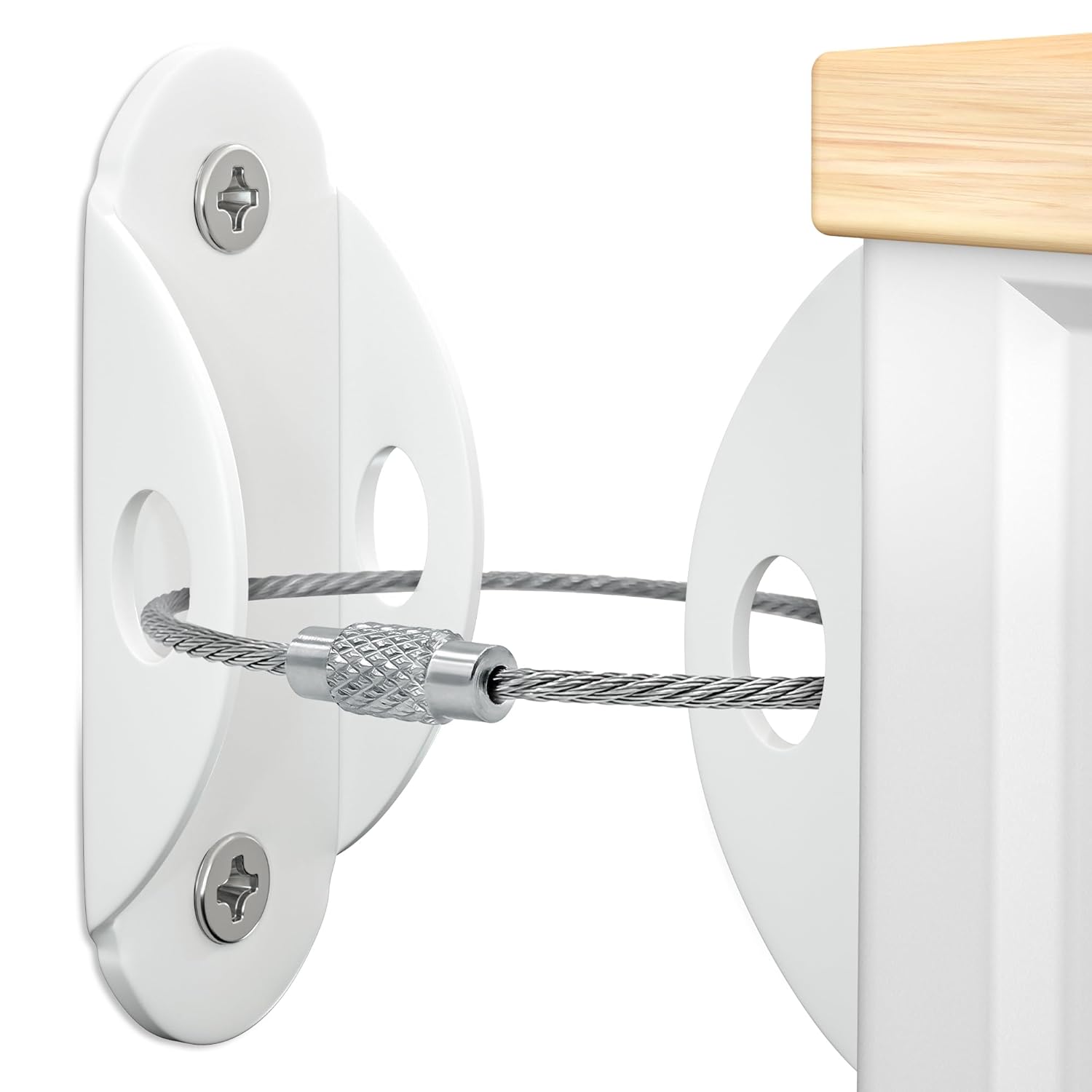
Booda Brand Furniture Anchors (10 Pack) Anti Tip Straps
Steel anti-tip straps for tall furniture and televisions, sold as a multi-pack so you can do a whole room in one afternoon. Tip-overs are one of the most common serious household injuries for toddlers, and we recommend anchoring anything taller than a child even if it feels stable when you push on it. The included hardware works for wood studs and most wall anchors; for plaster or masonry you may need different fasteners.
View product→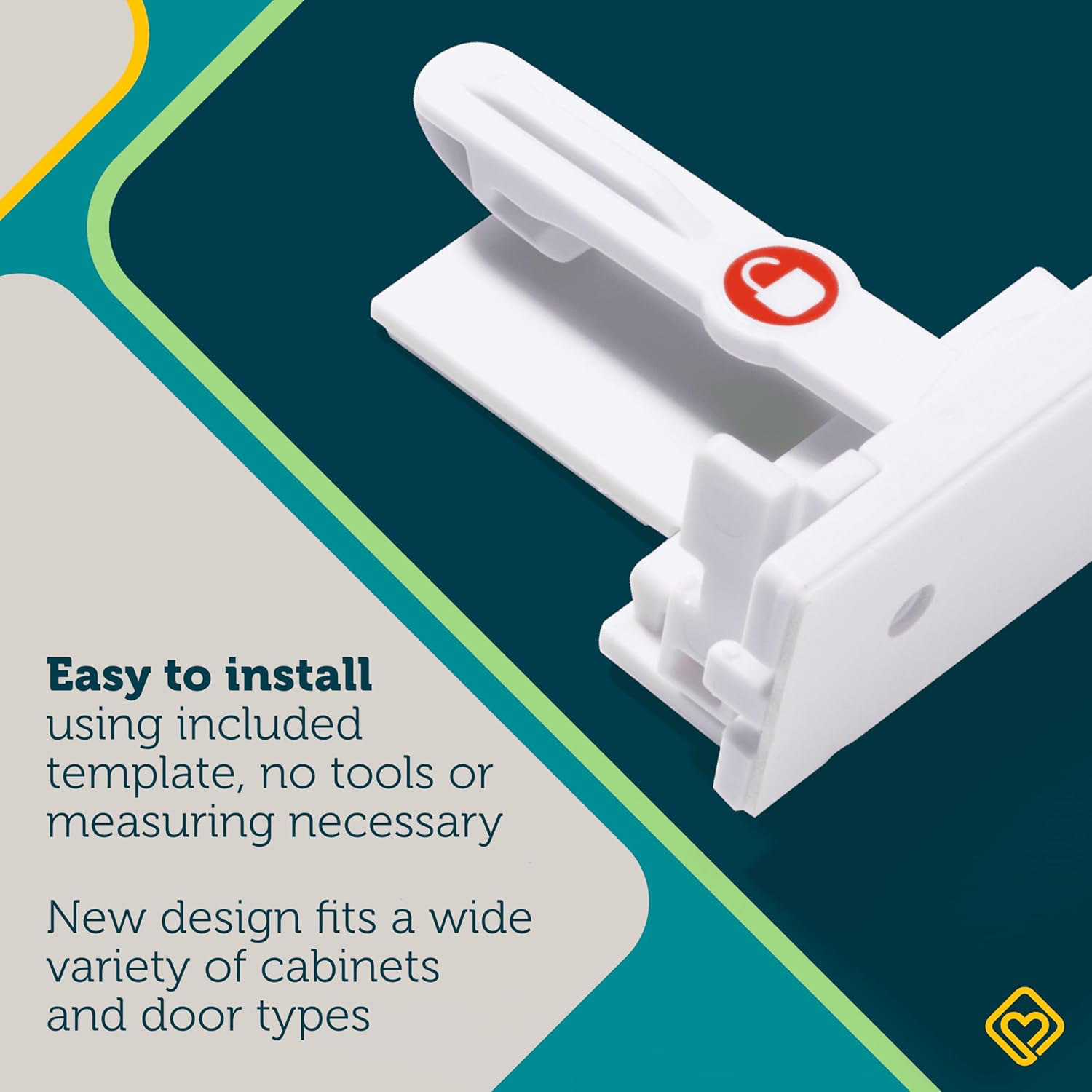
Adhesive Cabinet Locks (4-Pack) for Baby Proofing
Internal adhesive cabinet latches that help prevent toddlers from opening doors and drawers.
View product→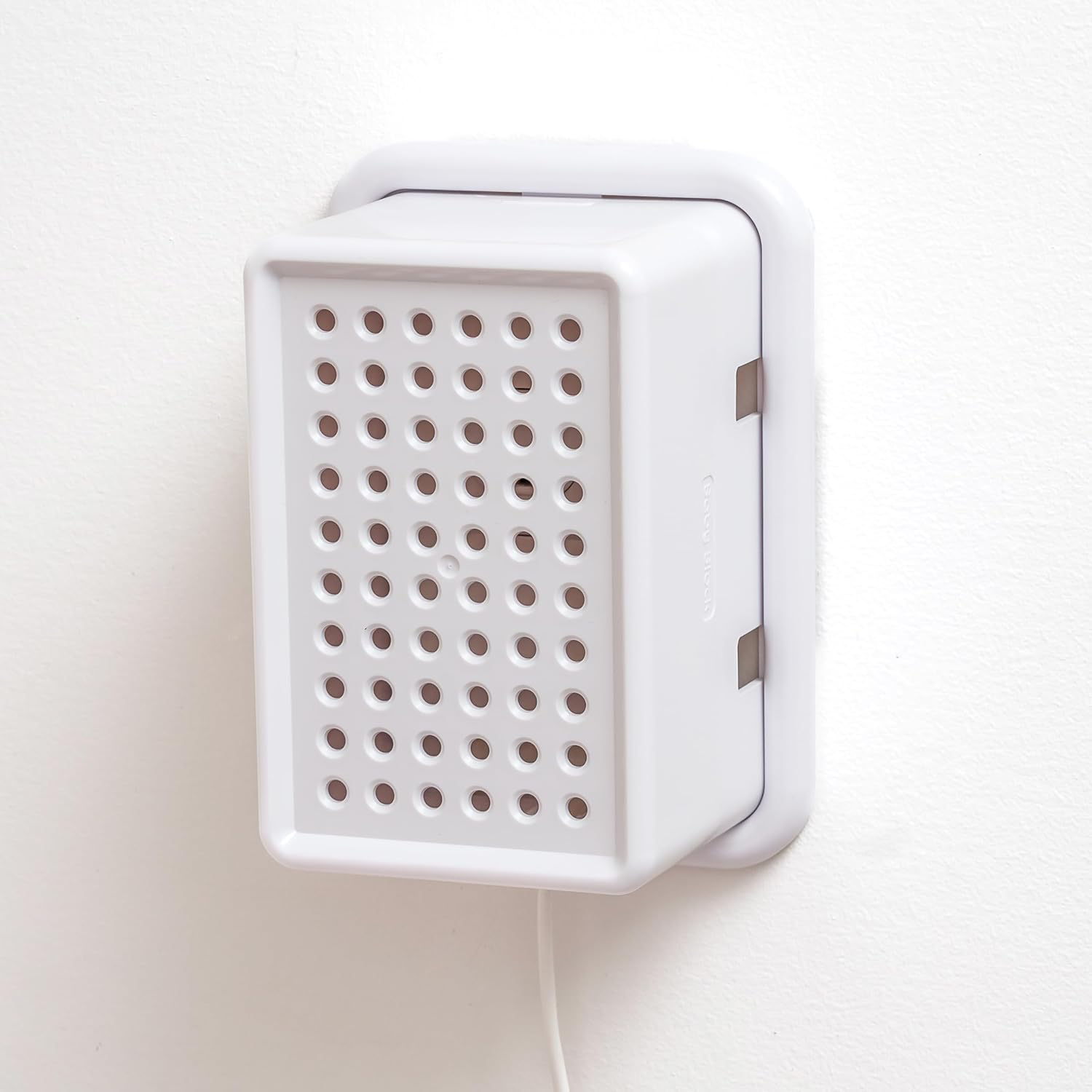
Outlet Plug Covers (24-Pack) Childproof Socket Protectors
Simple press-fit outlet caps that block unused electrical sockets from curious little fingers.
View product→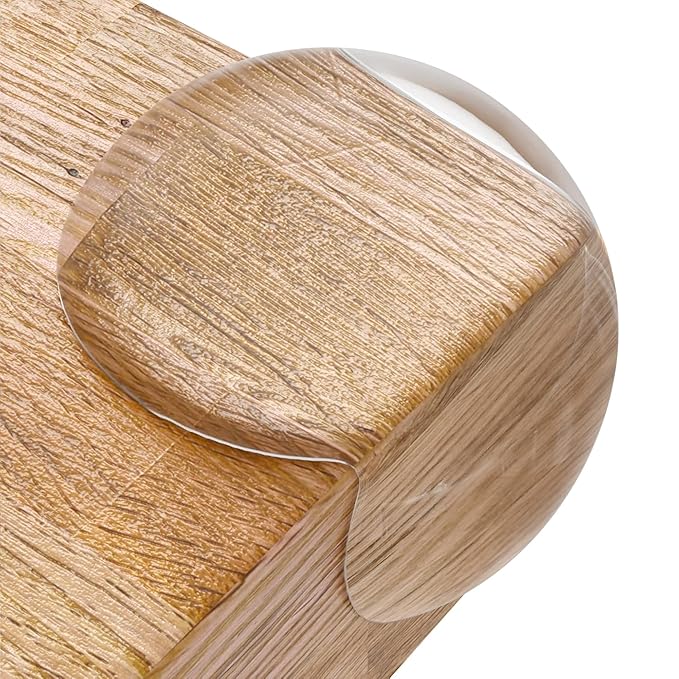
12-Pack Corner Protectors Baby Proof, Furniture Corner and Edge Safety Bumpers
Soft foam corner guards with 3M adhesive backing to cushion sharp furniture edges.
View product→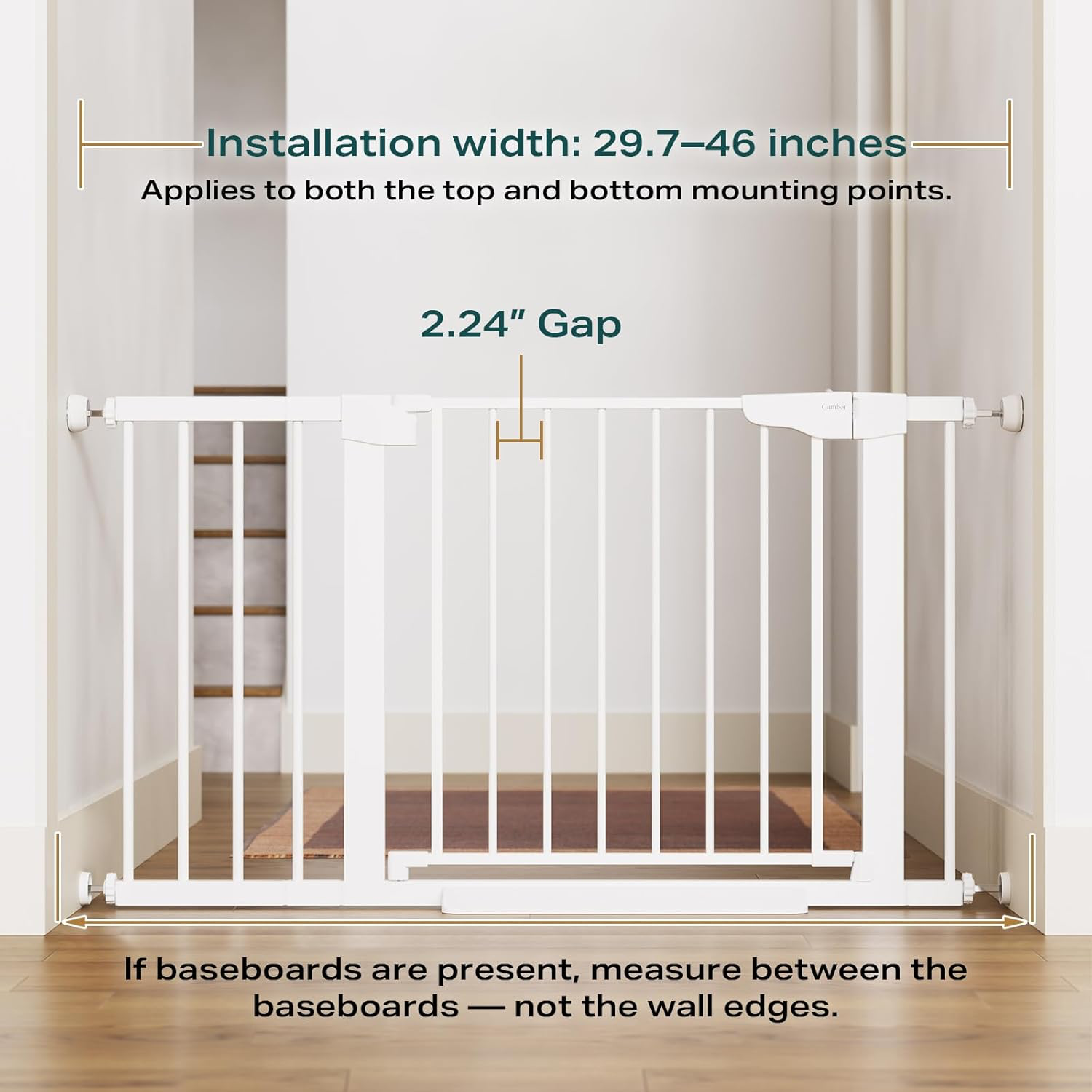
Cumbor 29.7-46 Baby Gate for Stairs
A pressure-mounted barrier sized for typical hallway and stairway openings between roughly 30 and 46 inches. We like it for renters because it sets up without drilling, and the auto-close latch helps when you walk through with a baby on your hip. Confirm it fits your specific opening before you buy.
View product→Last reviewed
Sources used for this guide
Reviewed on April 22, 2026. This content is educational and practical, but it is not a substitute for professional safety inspections or medical advice.
U.S. Consumer Product Safety Commission
Childproofing your home: 12 safety devices to protect childrenU.S. Consumer Product Safety Commission
Anchor It! furniture tip-over safetySafe Kids Worldwide
Protecting children in your home