The short list of essentials that cover most homes
When a new parent walks down a baby proofing aisle, the volume of products can feel overwhelming. The honest reality is that most households are well covered by a short list: furniture anchors for any tall furniture, a hardware-mounted gate for any staircase, outlet covers for accessible outlets, and a small set of cabinet locks for the cabinets that store cleaners or medicines. That short list addresses the categories where pediatric injury data has been concentrated for years.
Everything else on the shelf is either a refinement of these basics or designed for a hazard your home may not have. A pool fence is essential when a pool exists and irrelevant otherwise. A stair gate is essential with stairs and unnecessary in a single-level apartment. The point of a budget plan is not to avoid spending; it is to spend on what matches your home.
Quick checklist
- ✓Anchor every tall freestanding piece of furniture.
- ✓Install a hardware-mounted gate at the top of any stairs.
- ✓Cover accessible outlets at toddler height.
- ✓Lock cabinets that store cleaners, medicines, or sharp tools.
Phase purchases by your child's stage
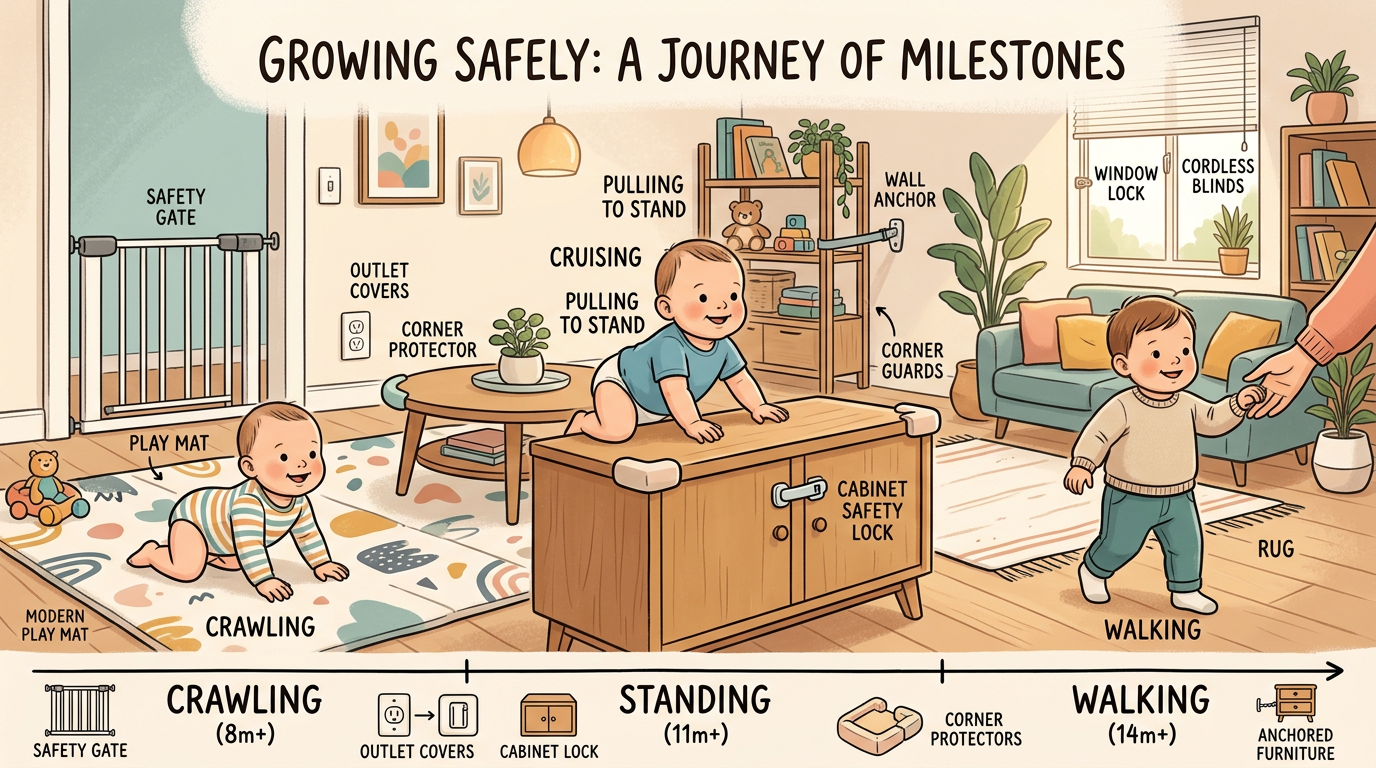
Buying everything at once is one of the most common ways budgets get strained. Most baby proofing only becomes relevant once a child is mobile, which means the bulk of the spend can wait until around the time a baby starts to roll, scoot, and pull up. Before that, a safe sleep setup and a few cabinet locks for nighttime cleaning routines are usually enough.
Once crawling and pulling up start — often somewhere around six to nine months — anchors, outlet covers, and gates become the right next layer. Stove knob covers, toilet locks, and door pinch guards are usually more relevant during the toddler stage when reach and curiosity grow quickly. Buying gear three months before it is needed is fine; buying it a year early often means storage clutter and forgotten products.
Quick checklist
- ✓Newborn months: focus on safe sleep and stable car-seat handling.
- ✓Pre-crawling: add a starter set of cabinet locks for cleaners.
- ✓Crawling and cruising: anchors, outlet covers, gates.
- ✓Walking and climbing: stove knob covers, door guards, toilet lock as needed.
Free and low-cost changes that punch above their weight
Some of the most useful safety changes are free. Pushing dining chairs in fully prevents climbing routes onto the table. Moving a dresser away from a window removes one of the most common climbing-to-fall paths in pediatric reports. Storing all medications above adult eye level changes the access pattern even before any lock is installed.
Routine changes also stack well. Closing the bathroom door whenever it is empty turns a high-risk room into a controlled one. Returning kitchen knives, scissors, and cleaners to high storage immediately after use removes the moments when curious hands meet a hazard. These habits cost nothing and are often the difference between a 'baby proofed' home and a 'baby ready' one.
Quick checklist
- ✓Move climbable furniture away from windows.
- ✓Push chairs in after every meal.
- ✓Store medicines above adult eye level by default.
- ✓Close bathroom doors whenever the room is empty.
Where to spend and where store-brand is fine
Spending matters most where failure has the largest consequence. Furniture anchors, stair gates, and locks on cabinets that store medicines or cleaners are worth choosing carefully. For these items, well-reviewed mid-priced products tend to be a better choice than the cheapest unbranded option on the shelf, even if the price difference is small.
Many other items are commodity products. Outlet covers, corner guards, blind cord winders, and basic adhesive cabinet locks tend to perform similarly across brands. Buying these in larger value packs usually saves money and provides spares for diaper bags, daycare drop-offs, and visits to grandparents.
Budget baby proofing works when families resist the temptation to buy everything and instead build a small, well-installed set of essentials. A confident parent with five well-installed devices is in a better position than a tired parent with twenty half-installed ones.
Frequently asked questions
For most homes, a minimum setup includes anchors for tall furniture, a hardware-mounted stair gate if stairs exist, outlet covers, and locks on cabinets storing cleaners or medicines. That short list addresses most of the highest-consequence household hazards.
A small starter set is helpful, especially anchors, since dressers can tip when a child first pulls up. Most other items only become relevant once crawling and cruising begin, so phased buying is reasonable.
For low-risk items like outlet covers, corner guards, and cord winders, store-brand or value-pack versions usually perform comparably to branded ones. Anchors and gates are categories where reading reviews matters more.
Furniture anchors come up frequently in incident reports because dressers and bookshelves can tip during normal pulling-up behavior. Anchoring is one of the highest-impact, lowest-cost upgrades a family can make early.
It can be, especially in homes with stairs, multiple levels, or unusual layouts. For most apartments and small homes, a careful walkthrough with a checklist and a short list of products is sufficient.
Yes. Many of the most effective changes — moving furniture, storing hazards high, closing doors, and pushing in chairs — cost nothing. Combined with a small set of essential products, they cover most everyday household risk.
Featured products
Affiliate linksProducts that support this guide
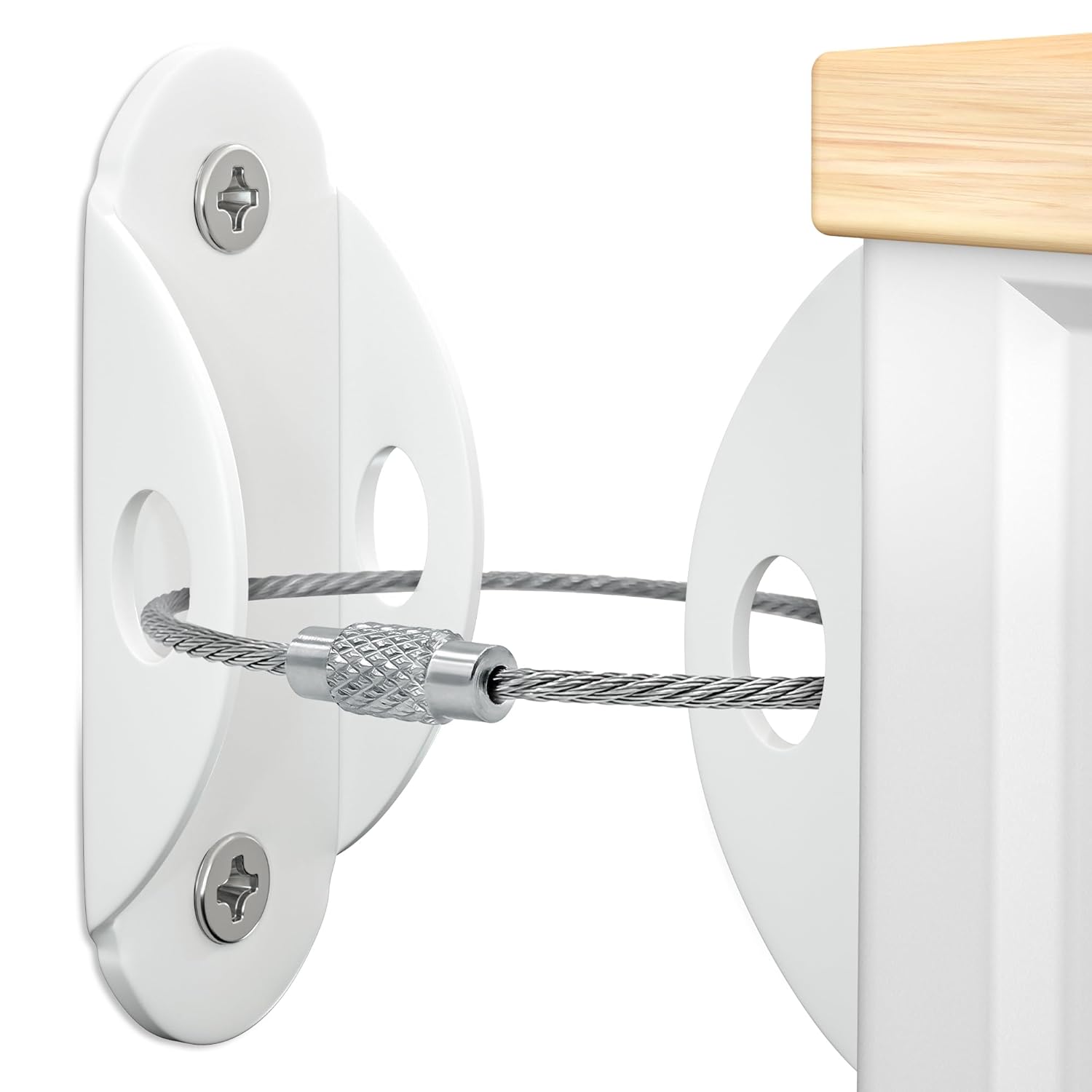
Booda Brand Furniture Anchors (10 Pack) Anti Tip Straps
Steel anti-tip straps for tall furniture and televisions, sold as a multi-pack so you can do a whole room in one afternoon. Tip-overs are one of the most common serious household injuries for toddlers, and we recommend anchoring anything taller than a child even if it feels stable when you push on it. The included hardware works for wood studs and most wall anchors; for plaster or masonry you may need different fasteners.
View product→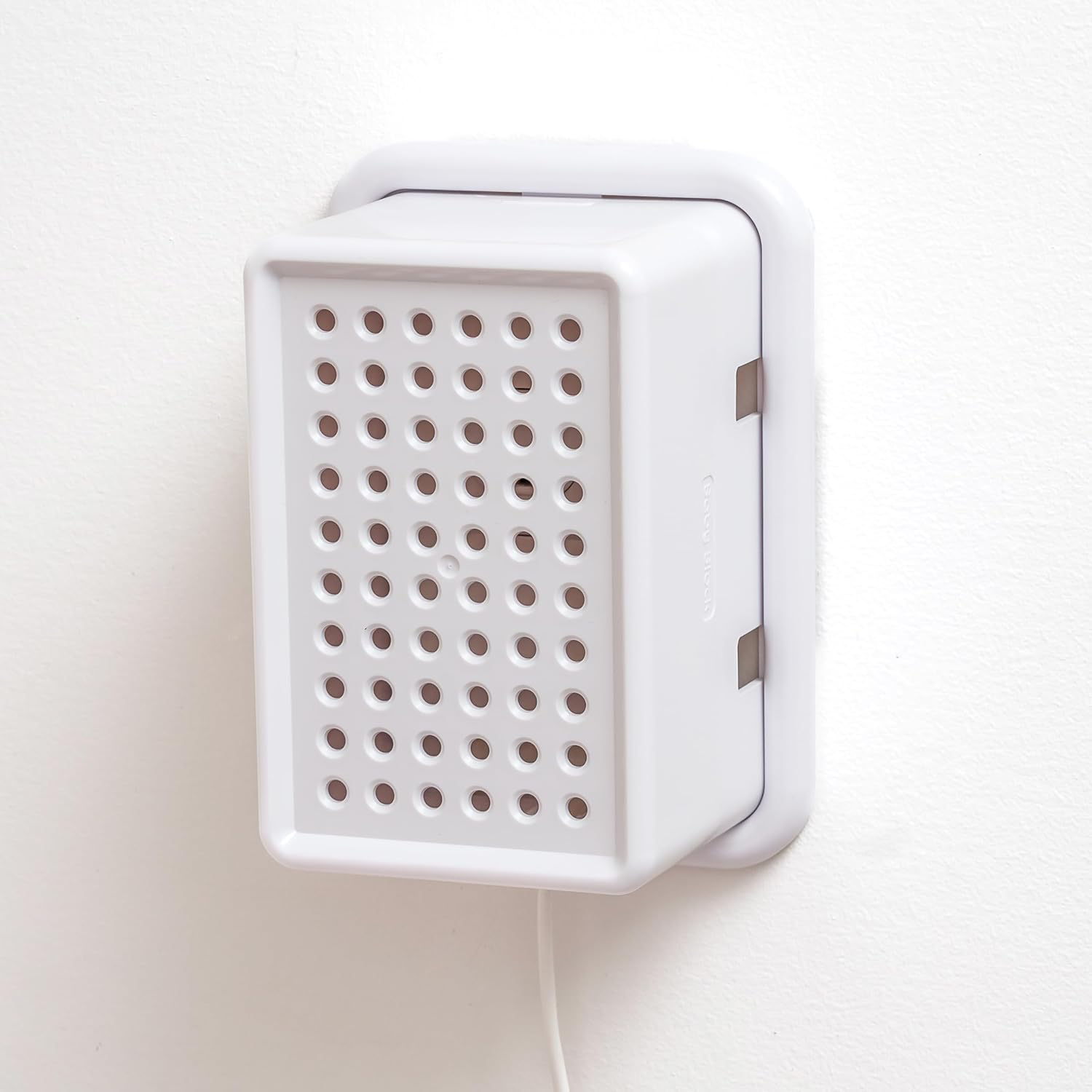
Outlet Plug Covers (24-Pack) Childproof Socket Protectors
Simple press-fit outlet caps that block unused electrical sockets from curious little fingers.
View product→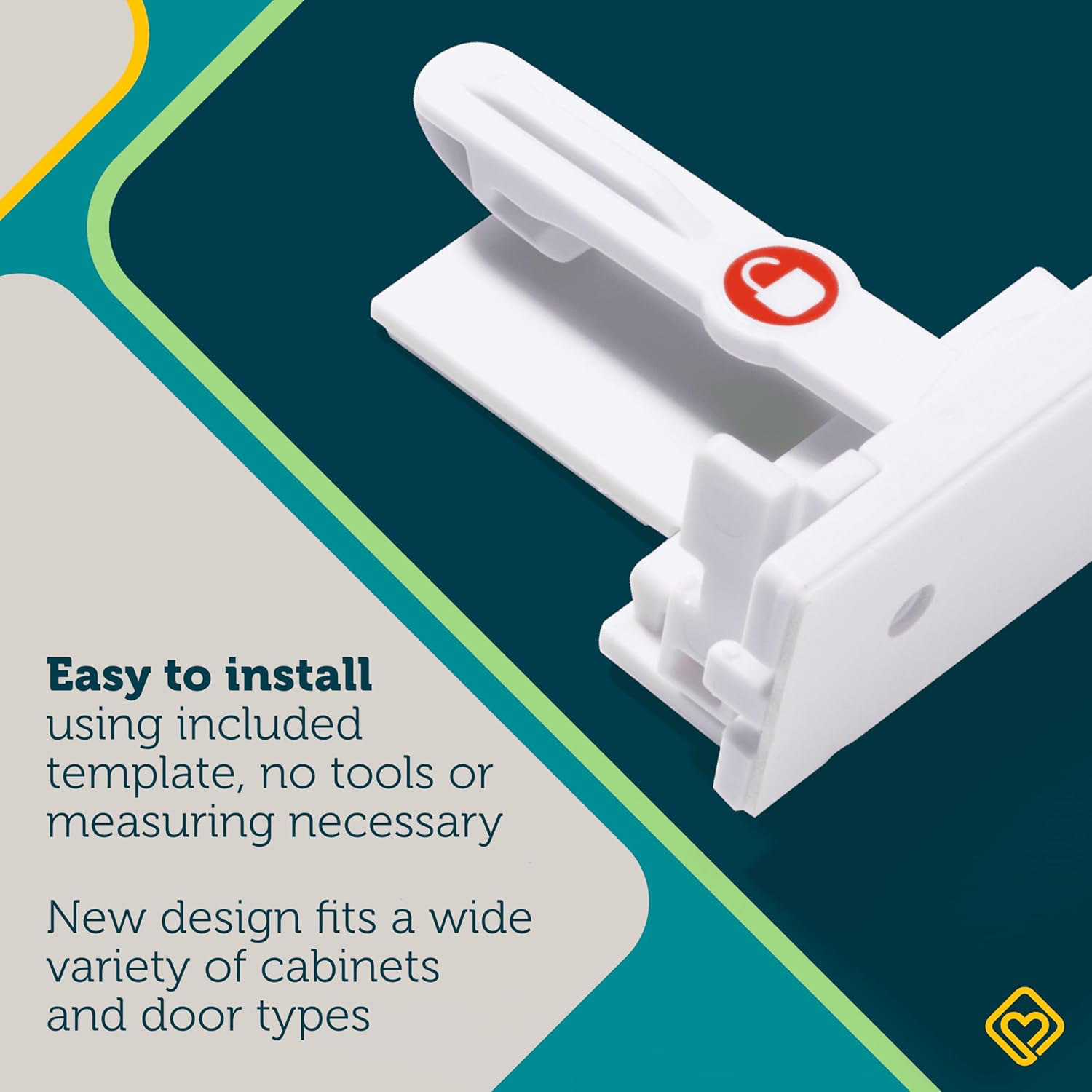
Adhesive Cabinet Locks (4-Pack) for Baby Proofing
Internal adhesive cabinet latches that help prevent toddlers from opening doors and drawers.
View product→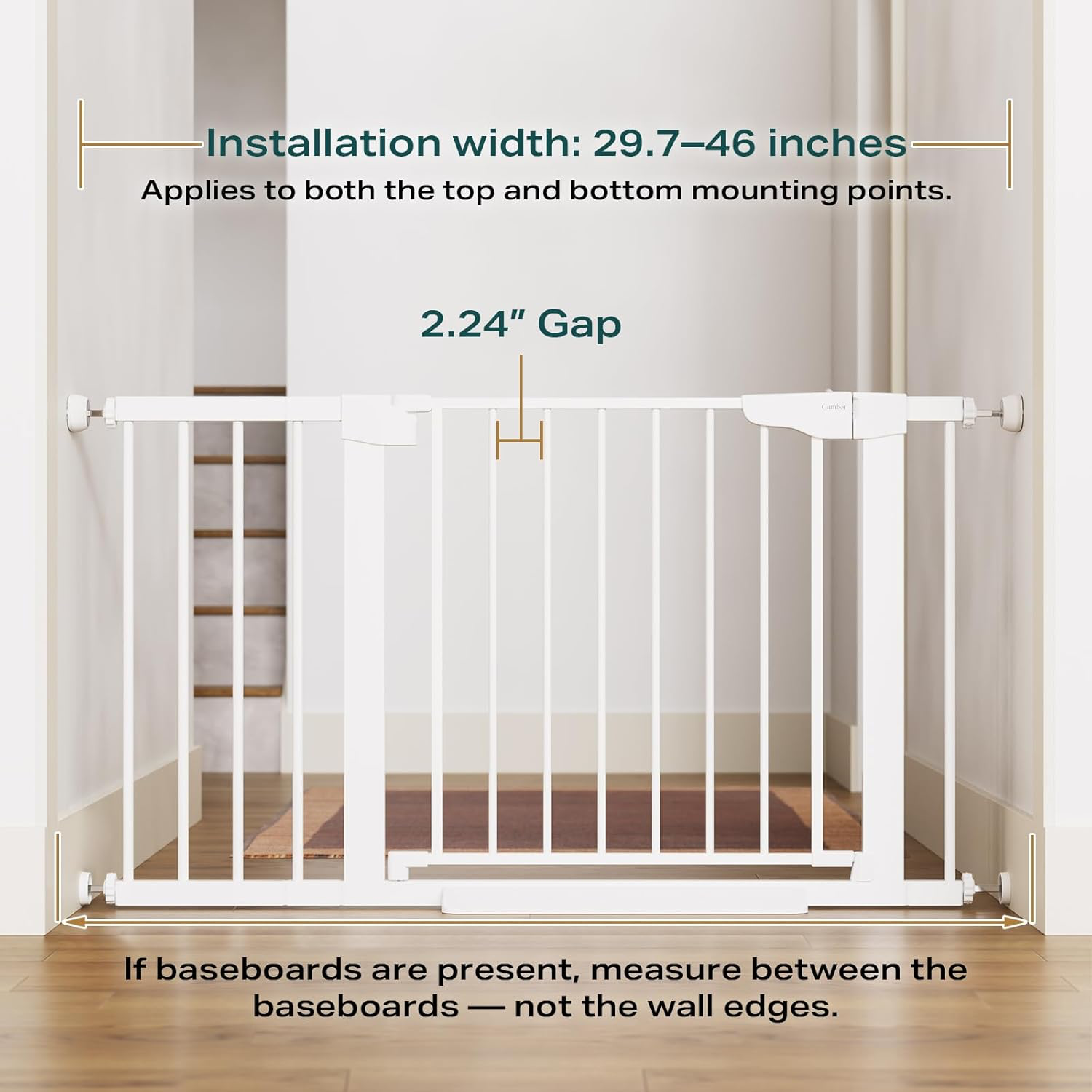
Cumbor 29.7-46 Baby Gate for Stairs
A pressure-mounted barrier sized for typical hallway and stairway openings between roughly 30 and 46 inches. We like it for renters because it sets up without drilling, and the auto-close latch helps when you walk through with a baby on your hip. Confirm it fits your specific opening before you buy.
View product→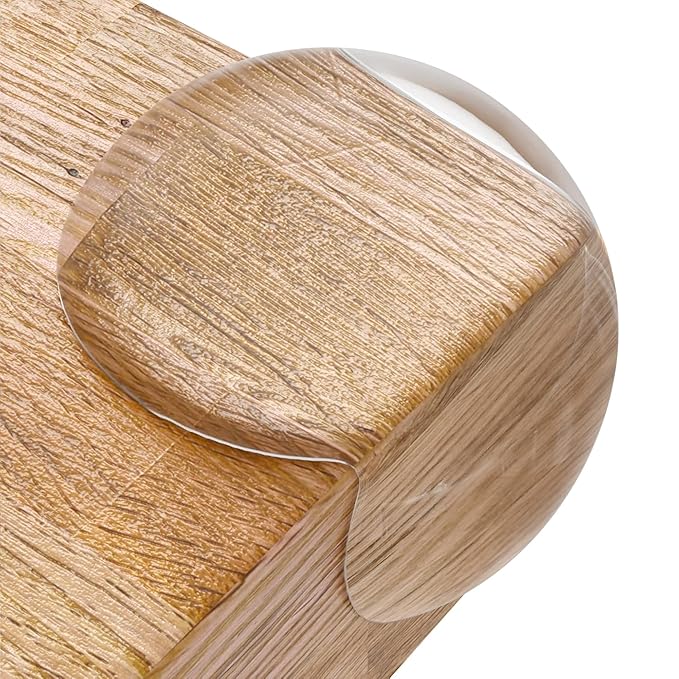
12-Pack Corner Protectors Baby Proof, Furniture Corner and Edge Safety Bumpers
Soft foam corner guards with 3M adhesive backing to cushion sharp furniture edges.
View product→Last reviewed
Sources used for this guide
Reviewed on April 23, 2026. This content is educational and practical, but it is not a substitute for professional safety inspections or medical advice.
U.S. Consumer Product Safety Commission
Childproofing your home: 12 safety devices to protect childrenU.S. Consumer Product Safety Commission
Anchor It! furniture tip-over safetyHealthyChildren.org / American Academy of Pediatrics
Safety for Your Child: 6 to 12 Months