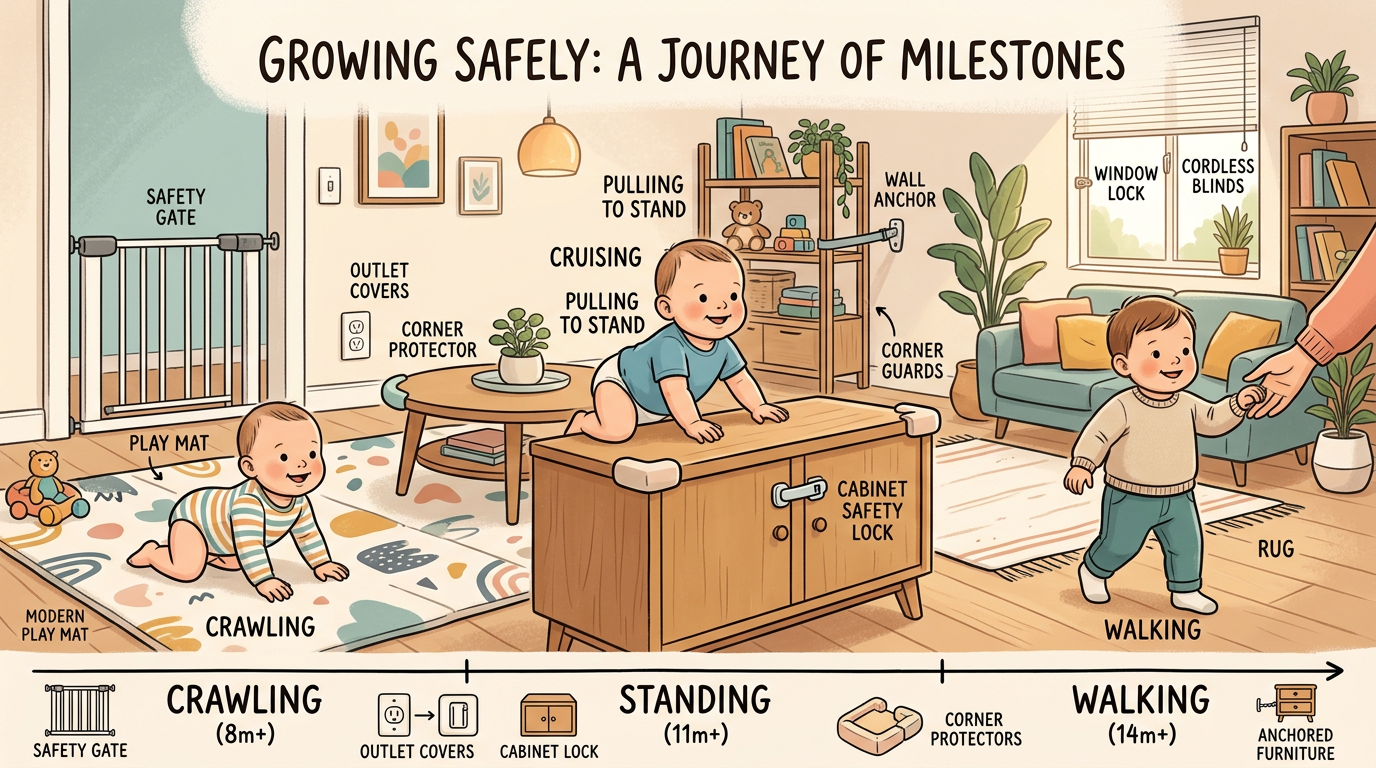
During pregnancy: nursery, sleep surface, and big furniture
Pregnancy is a calmer, lower-pressure window for the baby proofing changes that involve furniture and the nursery. Anchoring the dresser, choosing a crib that meets current safety standards, and setting up a bare sleep surface with a firm mattress and fitted sheet are all easier to handle before a newborn is in the house.
It is also a useful time to look at the nursery from a longer view. Where will the crib be once the baby starts pulling up? Is the changing area near a window with cords? Are heavy items stored on top of dressers? Setting these decisions thoughtfully now avoids a more rushed reorganization six months later.
Quick checklist
- ✓Anchor the nursery dresser and any tall furniture in the room.
- ✓Set up a bare crib with a firm, fitted mattress.
- ✓Choose cordless window coverings or wind cords out of reach.
- ✓Position the crib away from windows, cords, and heat sources.
Birth to six months: small adjustments, big habits
Most newborn-stage hazards are around sleep, feeding, and handling rather than household products. Safe sleep practices, secure car-seat use, and careful supervision during bath time matter more than any cabinet lock during these months. That said, a small starter set of cabinet locks for cleaning supplies and a thermometer to confirm bath water temperature are reasonable early purchases.
Use this period to build habits. Closing the bathroom door, returning cleaners to high storage, and keeping cords tucked back are easier to make automatic before a baby is on the move. Habits are harder to build in a hurry once a curious crawler is exploring every corner.
Quick checklist
- ✓Confirm safe sleep setup is followed at every nap and night.
- ✓Install a starter set of cabinet locks for cleaners.
- ✓Begin a habit of high storage for medicines and sharp tools.
- ✓Confirm smoke and carbon monoxide alarms are working.
Six to twelve months: the main proofing window
Most babies start rolling, scooting, crawling, and pulling up between six and twelve months. This is the window where the bulk of physical baby proofing happens. Furniture anchors that may have felt optional are now essential; outlet covers, corner guards, and a hardware-mounted gate at the top of any stairs become directly relevant.
It is also the window when small choking hazards become a daily concern. Coins on side tables, button batteries from remotes, and small toys borrowed from older siblings all need a new storage plan. Walking each room from the floor, eye-level with a crawler, is the single most useful exercise during this stage.
Quick checklist
- ✓Anchor every tall furniture piece, including TVs.
- ✓Install gates at the top of stairs and around off-limit areas.
- ✓Cover accessible outlets and secure cords.
- ✓Walk each room from a crawler's eye level to find missed hazards.
Twelve to thirty-six months: climbing, reach, and routines
The toddler years bring two changes that often require a second baby proofing pass: climbing and increased reach. A child who could not access a windowsill at ten months can often pull up onto a couch and reach a window at fifteen. A latch that frustrated them at nine months may be effortless at two years.
Stove knob covers, door pinch guards, toilet locks, and dressers fully cleared of climbable items are common toddler-stage upgrades. It is also a good moment to re-check earlier products: anchors that were installed quickly may have loosened, gates may have shifted, and cabinet locks may need refresh. A short quarterly walkthrough is one of the highest-value habits during these years.
Quick checklist
- ✓Add stove knob covers and an oven door lock if cooking together.
- ✓Re-check existing anchors and gates each season.
- ✓Reassess windows now that climbing is possible.
- ✓Update first aid supplies and emergency contact info as routines change.
Frequently asked questions
Many families begin during the third trimester with the nursery and any tall furniture, then add anchors, gates, and outlet covers around the time a baby starts rolling and pulling up, usually between six and nine months.
Pregnancy is a reasonable time to handle nursery setup, anchor furniture, and confirm a safe sleep arrangement. Buying every cabinet lock and gate this early is rarely necessary, but the bigger items are easier to address before a newborn arrives.
It is never too late. If a child is already crawling or walking, the priorities simply shift toward urgent items first: anchors for tall furniture, gates at stairs, and locks on cabinets with cleaners or medicines.
Yes. Older siblings often leave small toys, art supplies, and choking hazards in places a younger sibling can reach. A second pass focused on shared spaces and sibling routines is usually worthwhile.
A short check every season works well for most families. Children change quickly, so a setup that fit at nine months may need adjustments by twelve, fifteen, or twenty months as climbing, reach, and curiosity grow.
For visited homes like grandparents' houses, a portable kit with a few outlet covers, cabinet locks, and a corner-guard pack covers most short-stay risks. Anchors and gates may still be worth installing if visits are frequent.
Featured products
Affiliate linksProducts that support this guide
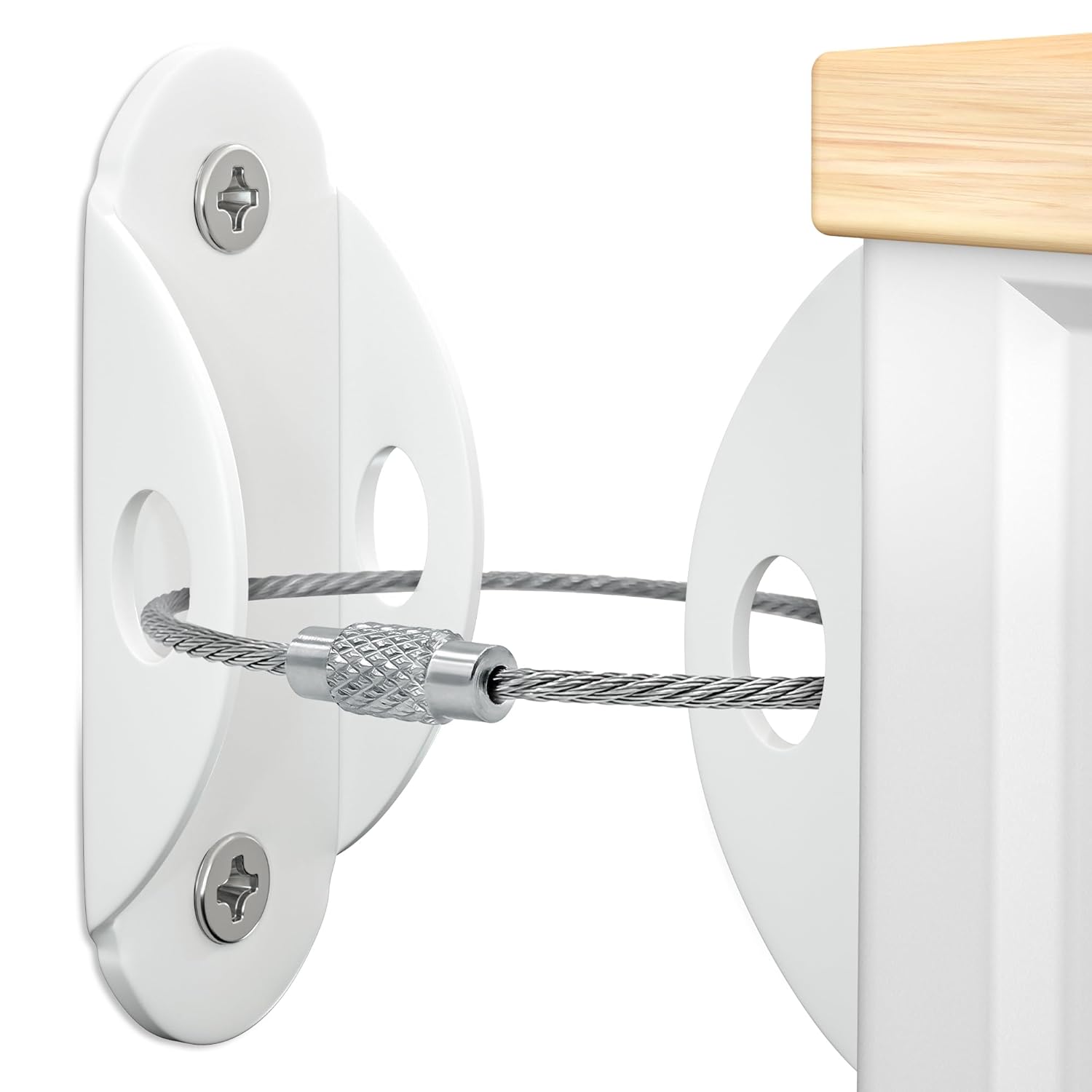
Booda Brand Furniture Anchors (10 Pack) Anti Tip Straps
Steel anti-tip straps for tall furniture and televisions, sold as a multi-pack so you can do a whole room in one afternoon. Tip-overs are one of the most common serious household injuries for toddlers, and we recommend anchoring anything taller than a child even if it feels stable when you push on it. The included hardware works for wood studs and most wall anchors; for plaster or masonry you may need different fasteners.
View product→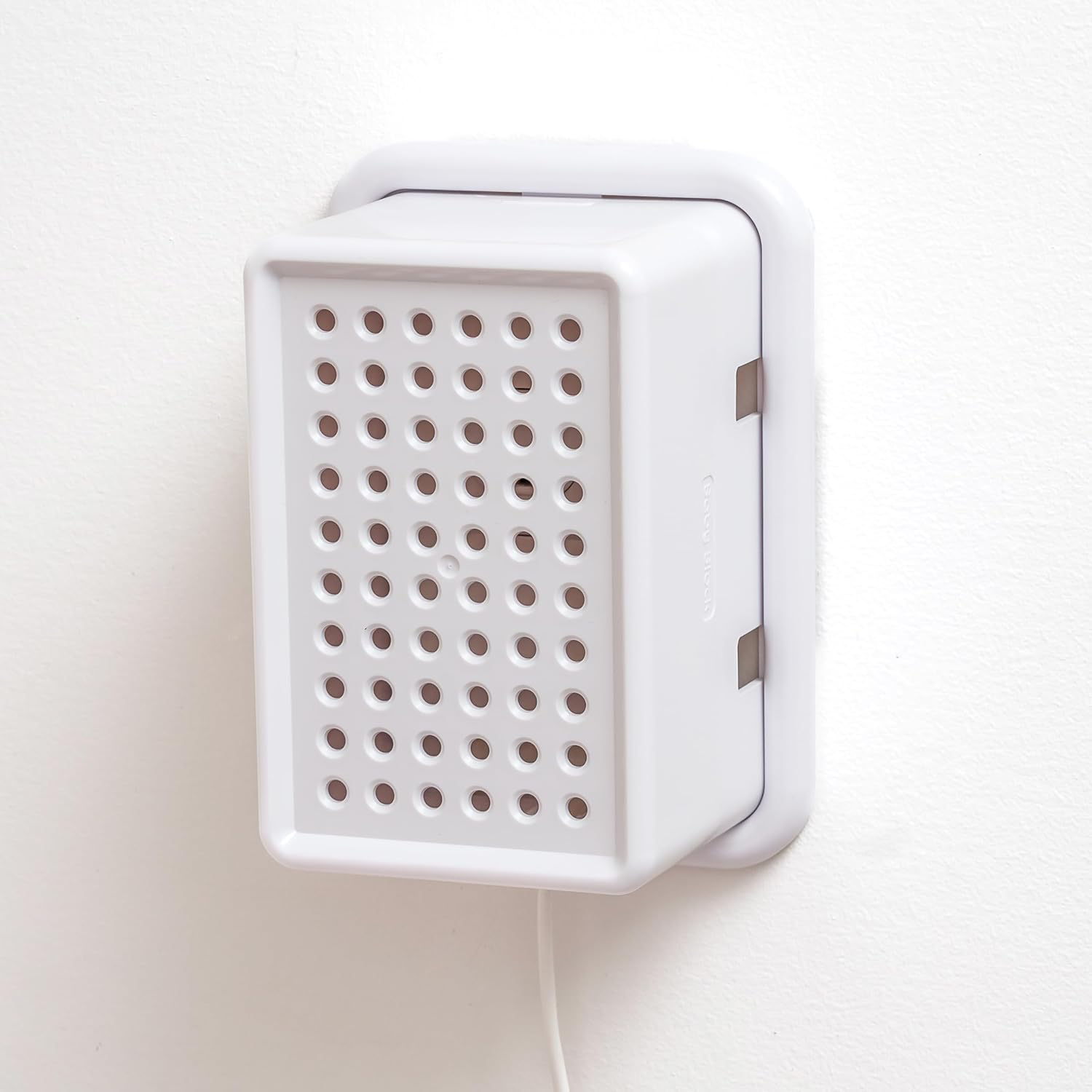
Outlet Plug Covers (24-Pack) Childproof Socket Protectors
Simple press-fit outlet caps that block unused electrical sockets from curious little fingers.
View product→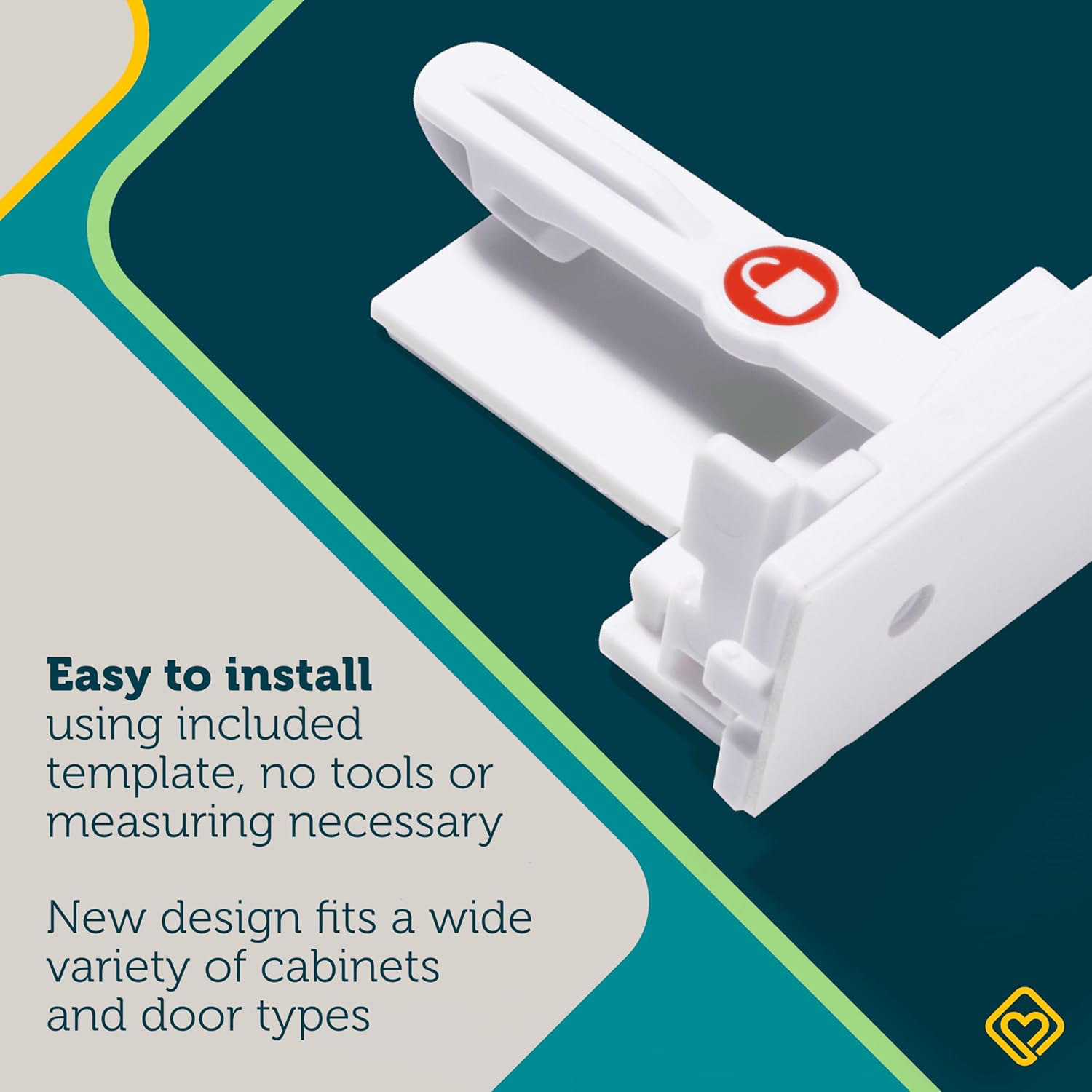
Adhesive Cabinet Locks (4-Pack) for Baby Proofing
Internal adhesive cabinet latches that help prevent toddlers from opening doors and drawers.
View product→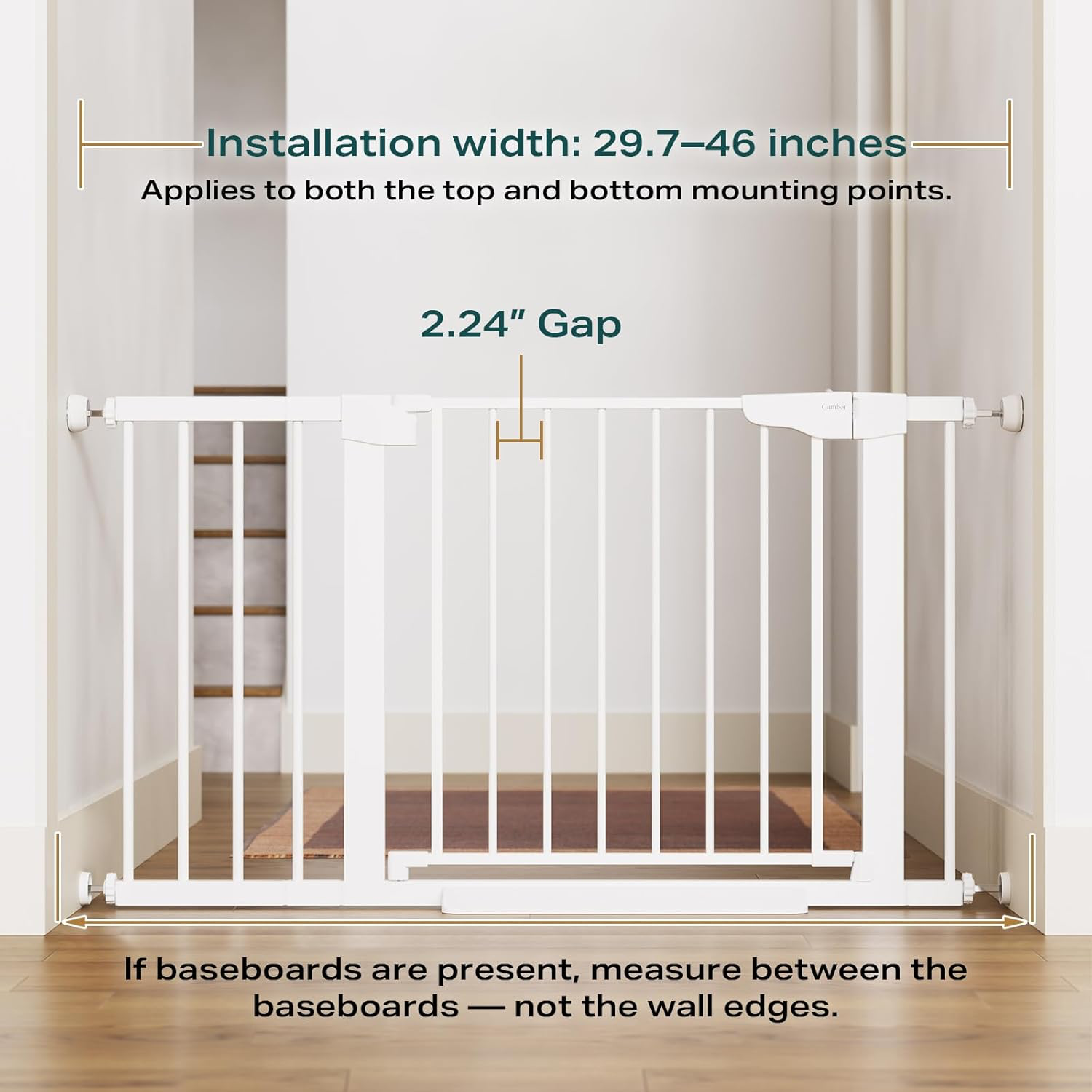
Cumbor 29.7-46 Baby Gate for Stairs
A pressure-mounted barrier sized for typical hallway and stairway openings between roughly 30 and 46 inches. We like it for renters because it sets up without drilling, and the auto-close latch helps when you walk through with a baby on your hip. Confirm it fits your specific opening before you buy.
View product→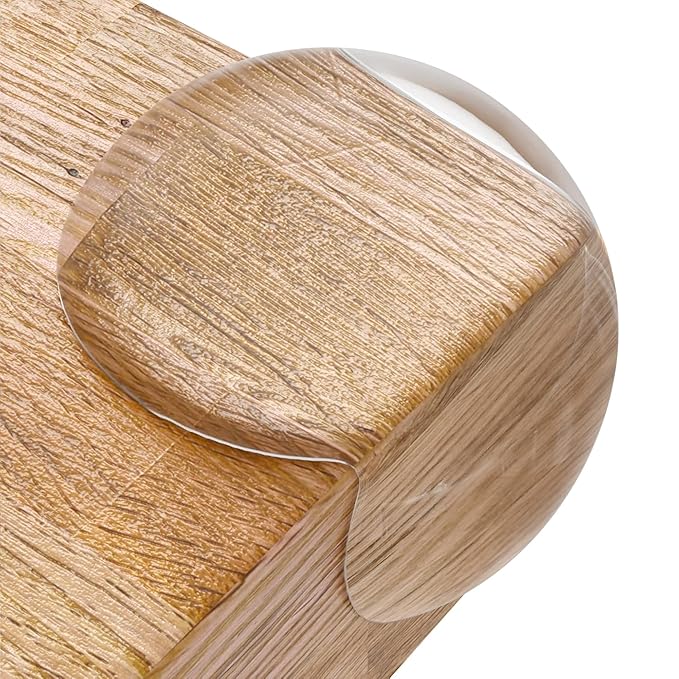
12-Pack Corner Protectors Baby Proof, Furniture Corner and Edge Safety Bumpers
Soft foam corner guards with 3M adhesive backing to cushion sharp furniture edges.
View product→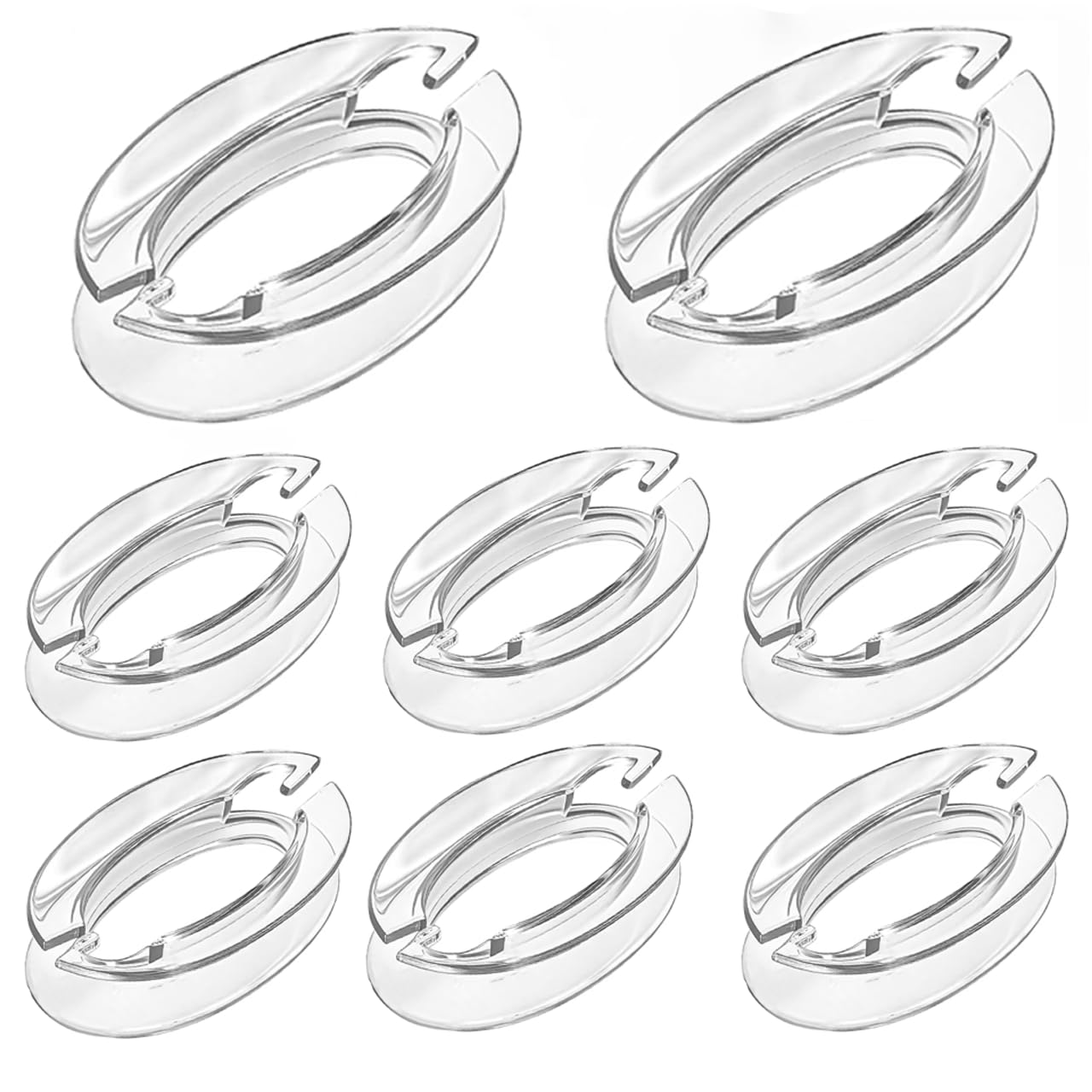
Dreambaby Blind Cord Wind-Ups
Helps keep dangling blind cords out of reach of children to prevent entanglement.
View product→Last reviewed
Sources used for this guide
Reviewed on April 24, 2026. This content is educational and practical, but it is not a substitute for professional safety inspections or medical advice.
HealthyChildren.org / American Academy of Pediatrics
Safety for Your Child: 6 to 12 MonthsHealthyChildren.org / American Academy of Pediatrics
Movement: Babies 8 to 12 MonthsU.S. Consumer Product Safety Commission
Childproofing your home: 12 safety devices to protect childrenHealthyChildren.org / American Academy of Pediatrics
Make Baby's Room Safe