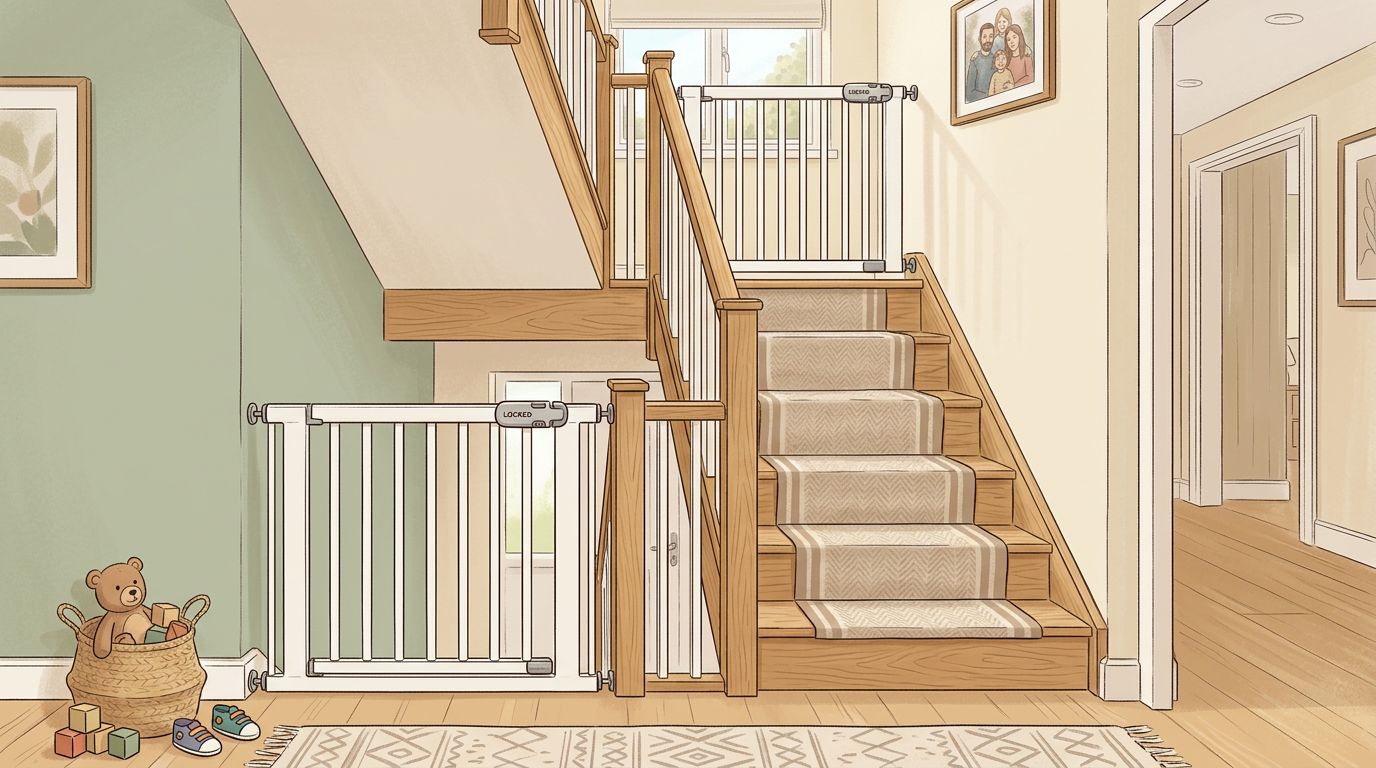
The crib and sleep surface come first
The single most important decision in a nursery is the sleep surface. Current pediatric guidance is consistent: a firm, flat crib mattress with a tightly fitted sheet, and nothing else inside the crib for the first year. No bumpers, no loose blankets, no stuffed animals, no pillows. The look of an empty crib can feel stark to first-time parents, but it reflects what is best understood about safe sleep.
Choose a crib that meets current safety standards rather than reusing a much older hand-me-down. Slats should be no more than about two and three-eighths inches apart, and the mattress should fit snugly with no gaps along the sides. If you can fit more than two fingers between the mattress and the crib frame, the fit is too loose.
Place the crib away from windows, blinds, cords, wall hangings, and any furniture a child could later reach to climb out. As your baby grows, anything within arm's reach of the crib becomes part of the sleep environment, so plan placement for the toddler years, not just the newborn weeks.
Quick checklist
- ✓Use a firm, flat mattress with a fitted sheet and nothing else in the crib.
- ✓Confirm slats are no more than 2 3/8 inches apart with a snug mattress fit.
- ✓Place the crib away from windows, cords, shelves, and climbable furniture.
Anchor the dresser, bookshelf, and changing table
Every tall piece of furniture in a nursery deserves a wall anchor. Dressers are involved in a high share of furniture tip-over incidents, often when an open drawer is used as a step. Bookshelves, wardrobes, and freestanding changing tables are similar. Wall straps are inexpensive, take a few minutes to install, and remove a category of risk that is otherwise hard to predict.
If you are using a dresser as a changing surface, anchor the dresser even if a separate changing pad sits on top. The combined weight, plus a moving baby and a leaning parent, creates exactly the conditions that have led to past injuries. A securely strapped changing pad with raised edges adds another layer.
Bookshelves in a nursery often hold heavier picture books at the bottom, which keeps them more stable than top-heavy decorative arrangements. Keep that pattern over time; as books move around, the heaviest items should stay low.
Quick checklist
- ✓Anchor the dresser, bookshelf, and any tall freestanding furniture.
- ✓Strap the changing pad to the dresser top and use the safety strap on baby every change.
- ✓Keep heavier items on lower shelves to lower the center of gravity.
Windows, cords, and air quality
Window blind cords have caused serious strangulation incidents in nurseries. Cordless blinds and shades are now widely available and worth choosing whenever possible. If you cannot replace existing window coverings, use cord winders or cleats placed well out of reach, and never place a crib, changing table, or chair within reach of a cord.
Window locks or stops that limit how far a window can open are worth installing in any nursery on an upper floor. Even a few inches of opening is enough for fresh air without creating a fall hazard. Move furniture far enough from windows that a climbing toddler cannot use it as a step.
Air quality matters too. A working smoke alarm in or near the nursery is essential, along with a carbon monoxide detector if any fuel-burning appliance is in the home. White noise machines should be placed at least a few feet from the crib and kept at a moderate volume, since prolonged loud sound can affect hearing.
Quick checklist
- ✓Use cordless blinds or move all cords well out of reach.
- ✓Install window locks or stops on upper-floor nursery windows.
- ✓Confirm working smoke and CO alarms near the nursery.
- ✓Keep white noise machines a few feet from the crib at a moderate volume.
Layout, lighting, and routines that age well
A calm, low-clutter nursery is easier to keep safe. Open floors mean fewer trip points for tired parents during night feedings, and fewer small objects in reach when your baby starts grabbing. A simple lamp with a warm bulb, an out-of-reach phone charger, and a designated spot for diapers and wipes covers most night-time needs.
Plan for the toddler years from the start. The pretty mobile above the crib comes down as soon as your baby can push up on hands and knees. The cute basket of stuffed animals lives outside the crib. The decorative wall garland is at adult-reach height, not toddler-pull height.
Routines also matter. Putting baby down on the back for every sleep, keeping the door clear of laundry piles, and checking that the crib is empty before each nap are small habits that compound. A safe nursery is built mostly from steady habits, not from gadgets.
Quick checklist
- ✓Keep floor space open and clutter low for night-time movement.
- ✓Plan early for toddler reach: take down mobiles, keep decorations out of grasp.
- ✓Place baby on the back for every sleep, in a clear crib.
Frequently asked questions
Only a firm, flat mattress with a tightly fitted sheet. No blankets, bumpers, pillows, or stuffed animals during the first year. Wearable sleep sacks are a common choice when warmth is needed.
Yes. The combined weight of the dresser, an active baby, and a leaning parent creates exactly the conditions that lead to tip-over incidents. Anchoring the dresser to a wall stud is quick and inexpensive.
Far enough that no cords, blinds, curtains, or wall hangings are within reach of the crib, including as your baby grows. A general guideline is to keep at least three feet between the crib and any window or cord.
Padded crib bumpers are no longer recommended and are now restricted by federal regulations in the U.S. due to suffocation and strangulation risk. A bare crib remains the current guidance.
Featured products
Affiliate linksProducts that support this guide
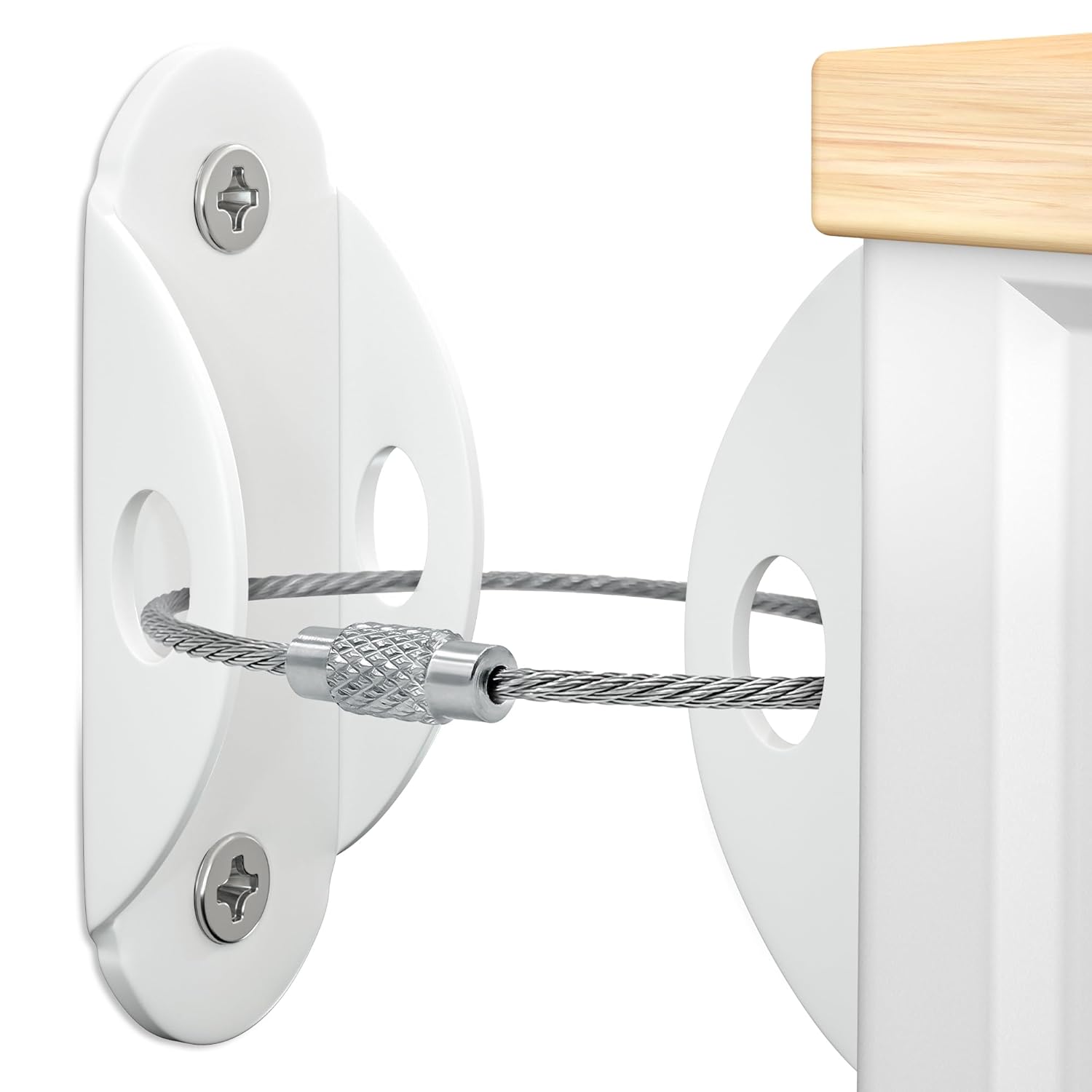
Booda Brand Furniture Anchors (10 Pack) Anti Tip Straps
Steel anti-tip straps for tall furniture and televisions, sold as a multi-pack so you can do a whole room in one afternoon. Tip-overs are one of the most common serious household injuries for toddlers, and we recommend anchoring anything taller than a child even if it feels stable when you push on it. The included hardware works for wood studs and most wall anchors; for plaster or masonry you may need different fasteners.
View product→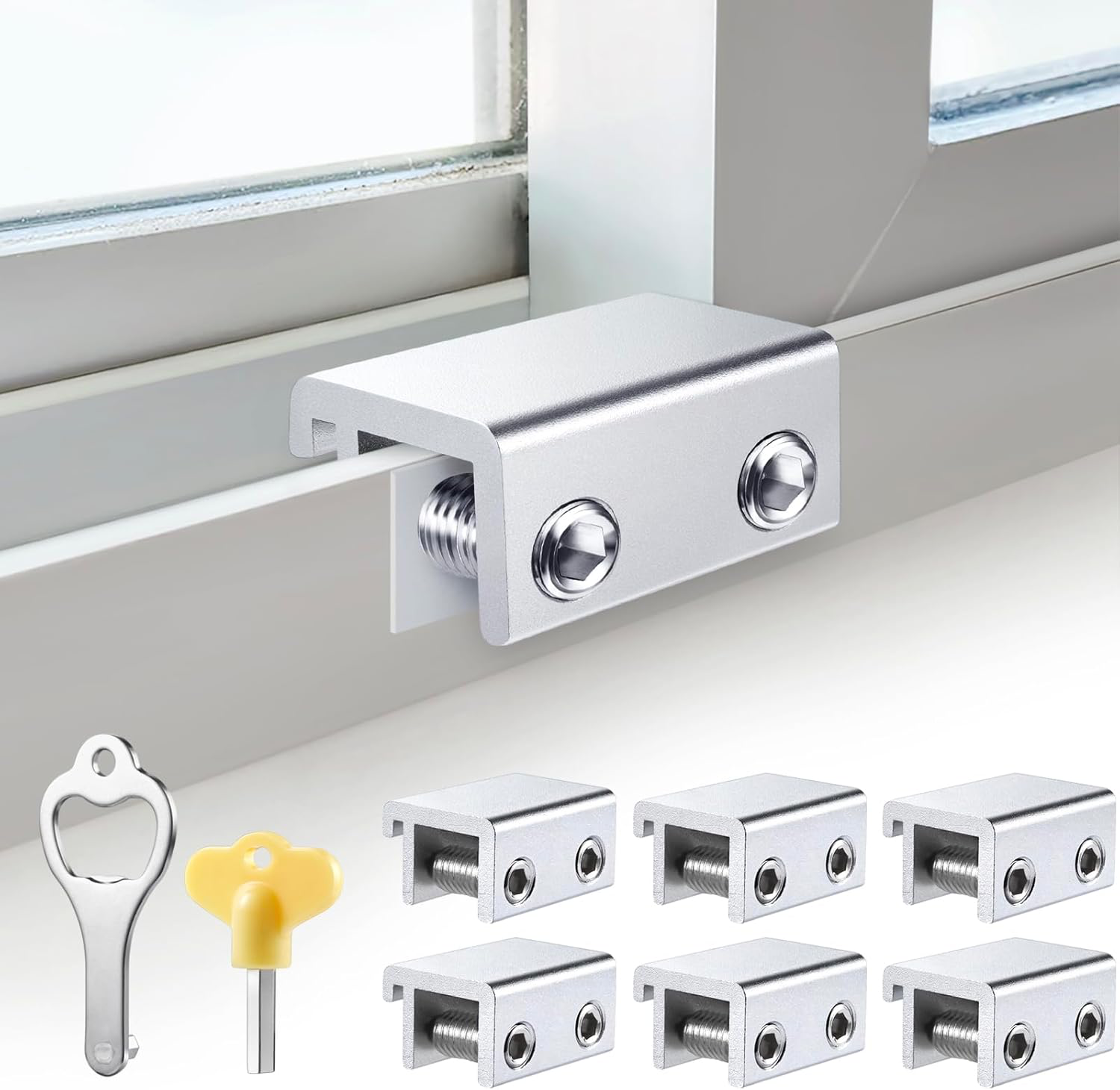
Sliding Window Locks
Adjustable security locks for sliding windows and doors to prevent children from opening them.
View product→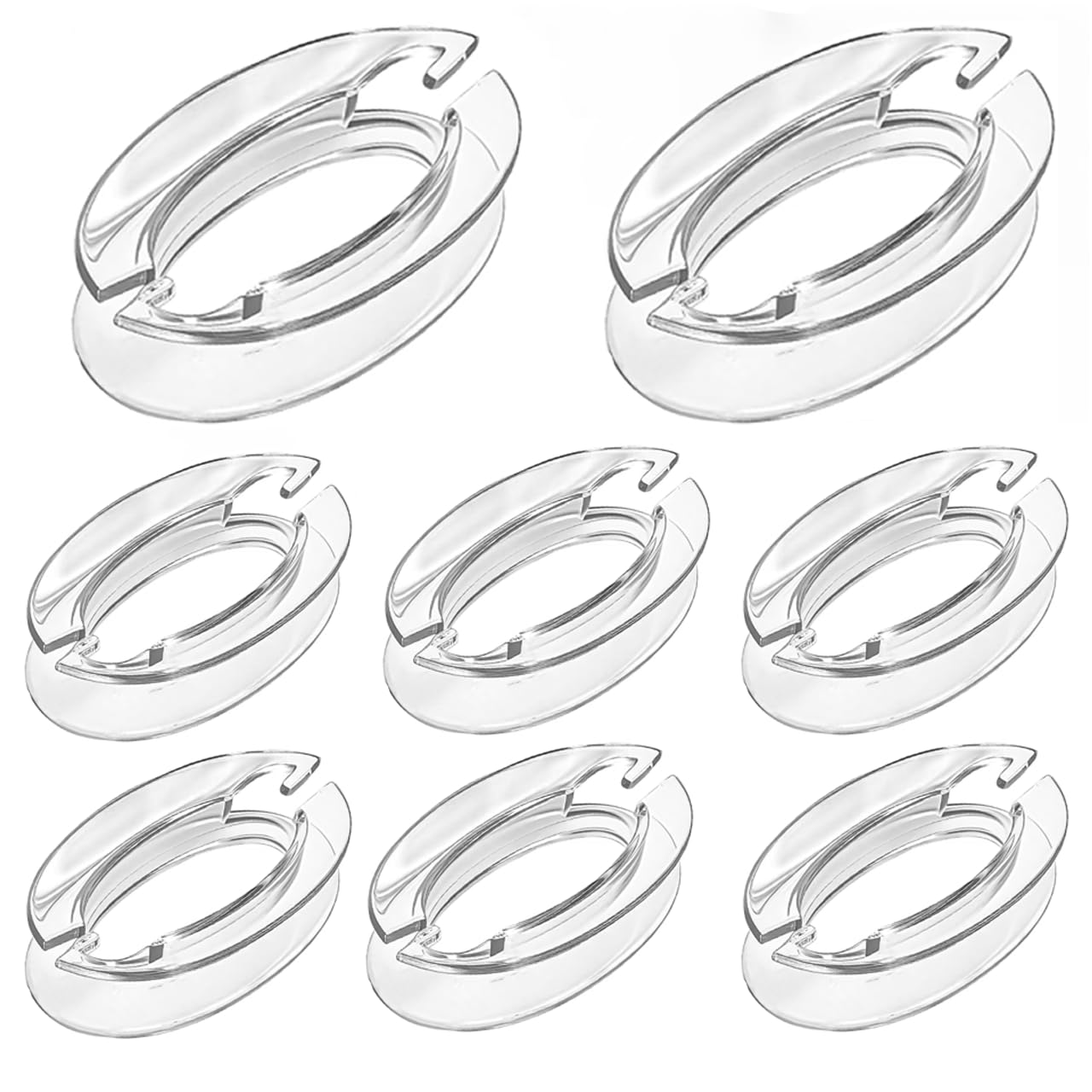
Dreambaby Blind Cord Wind-Ups
Helps keep dangling blind cords out of reach of children to prevent entanglement.
View product→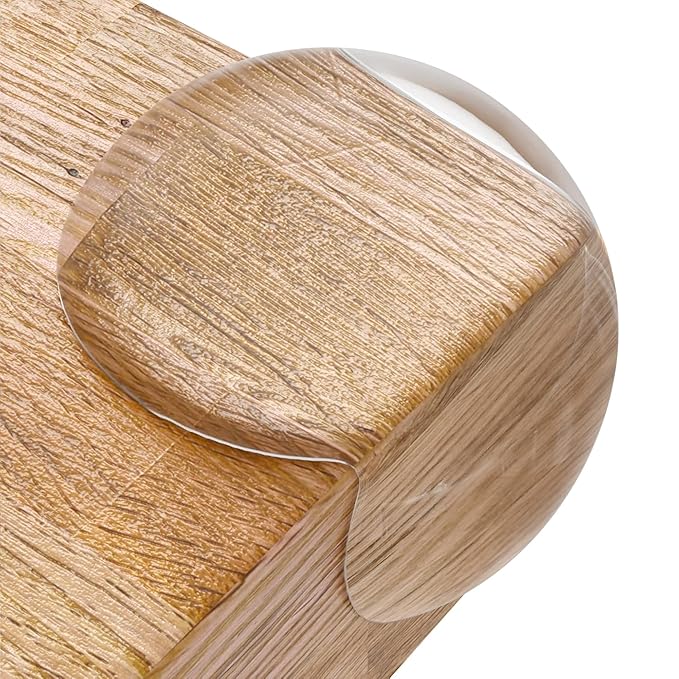
12-Pack Corner Protectors Baby Proof, Furniture Corner and Edge Safety Bumpers
Soft foam corner guards with 3M adhesive backing to cushion sharp furniture edges.
View product→Last reviewed
Sources used for this guide
Reviewed on April 23, 2026. This content is educational and practical, but it is not a substitute for professional safety inspections or medical advice.
HealthyChildren.org / American Academy of Pediatrics
Make Baby's Room SafeU.S. Consumer Product Safety Commission
Anchor It! furniture tip-over safetyU.S. Consumer Product Safety Commission
Childproofing your home: 12 safety devices to protect children