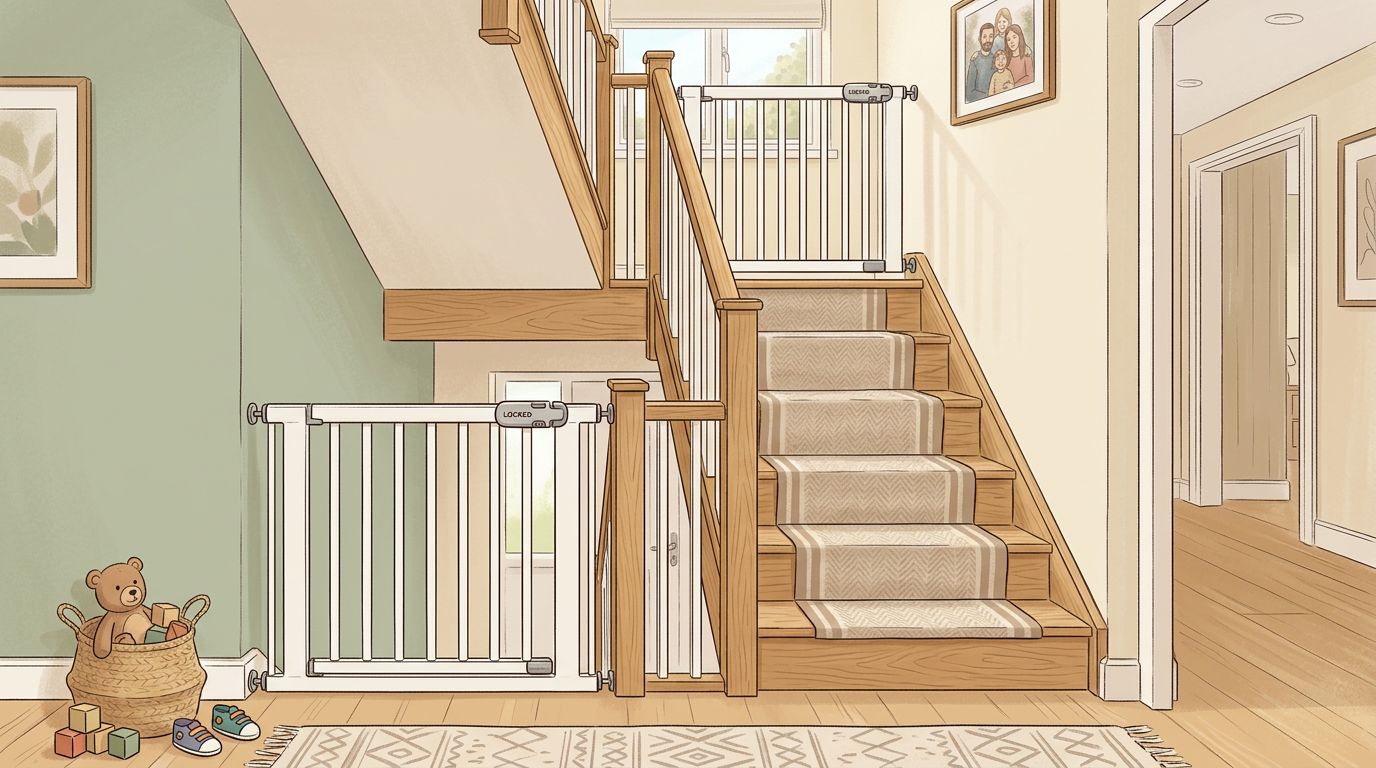
What changes when a toddler starts climbing
Climbing tends to appear in stages. First it is hands and knees onto the couch. Then a foot on the coffee table. Then a determined effort to reach a counter using a dining chair as a step. Many parents notice the third version before realizing the first two have been happening for weeks. The home that worked at ten months often needs another pass at fourteen.
The aim is not to stop a toddler from climbing — climbing is a normal motor skill — but to remove the climbing paths that lead to serious injury. Anchored furniture, blocked counters, and clear sightlines do most of the work. Saying no rarely keeps up with a determined toddler.
It also helps to give safe climbing outlets. A couch with cushions on the floor, a small indoor climber, or a sturdy step stool used with supervision channels the urge to climb into places where falls are less consequential.
Quick checklist
- ✓Re-walk the home assuming your toddler can reach about three feet up by climbing.
- ✓Anchor every dresser, bookshelf, TV stand, and tall freestanding piece.
- ✓Provide safe climbing outlets so climbing is not always discouraged.
The climbing spots that matter most
Dressers continue to be the highest-risk furniture in this age range, especially when drawers can be opened to use as steps. A wall anchor is the single most useful upgrade you can make in a toddler's bedroom. Bookshelves, TV stands, wardrobes, and tall standing lamps belong in the same conversation.
Kitchen counters become reachable through dining chairs and stools. Push chairs in fully after every meal, store stools in a closet or out of reach, and consider whether bar stools should be used with a toddler in the home at all. Stoves, knife blocks, and small appliances are typical objects of climbing interest.
Cribs become a climb-out risk for many toddlers around 18 months. When your child can lift a leg over the rail or has fallen out of the crib, it is time to lower the mattress to its lowest setting if possible, and to plan a transition to a toddler bed soon after. Continuing to use a crib that the child can climb out of often leads to head and neck injuries from falls.
Windows are another underestimated climb. Couches, beds, and chairs near windows turn into staircases. Move furniture at least two feet from windows, and confirm that window locks or stops are installed and used.
Quick checklist
- ✓Anchor every tall freestanding piece of furniture in the home.
- ✓Push dining chairs and bar stools fully in; store step stools out of reach.
- ✓Lower the crib mattress to its lowest setting; transition to a toddler bed when climbing out begins.
- ✓Move beds, couches, and chairs at least two feet from windows.
Routines that quietly reduce risk
Several small routines pay off through this stage. Tucking dining chairs in after every use takes less than a minute and eliminates the most common counter-access path. Putting away step stools rather than leaving them out is similar. Closing doors to off-limits rooms removes whole categories of climbing without any new product.
Supervision adjusts too. The climbing stage is when many parents stop being able to leave the room for a quick task without checking what their toddler is doing first. That is not failure; it is an accurate read of where development is. Once running and climbing are reliable, the rule of thumb is simple: if the room contains a hazard, the child or the hazard needs to leave the room.
Above all, expect surprises. Toddlers will figure out climbing solutions adults never imagined. The job is to make sure that the worst available climb in the home is not also the most dangerous one.
Quick checklist
- ✓Push chairs in and put step stools away after every use.
- ✓Close doors to rooms that have not been fully toddler-proofed.
- ✓Adjust supervision to match the new climbing reality.
Frequently asked questions
Many toddlers start climbing between 12 and 15 months, with serious climbing common by 18 months. A few start earlier, especially if older siblings model the behavior.
It is hard to stop climbing entirely; it is easier to remove unsafe climbing paths. Anchor tall furniture, push chairs in, store stools, and offer safe climbing outlets so the urge has somewhere to go.
When your toddler can climb out of the crib or has fallen out, it is time. Most children make the transition between 18 months and 3 years, depending on size and motor development.
Climbing on a low couch with cushions on the floor is generally a manageable risk. The bigger concern is using couches as a path to higher surfaces — windows, mantels, or shelves above.
Featured products
Affiliate linksProducts that support this guide
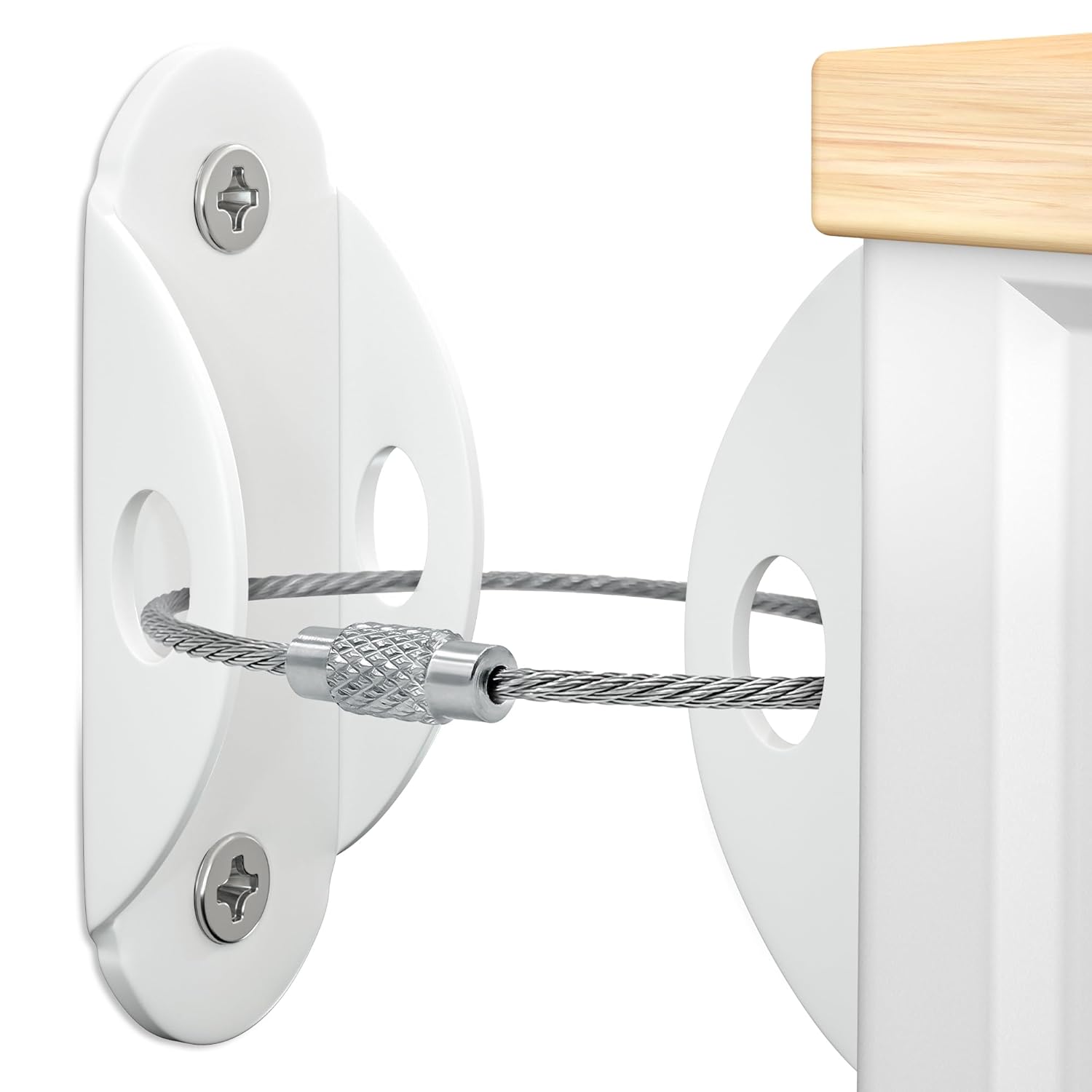
Booda Brand Furniture Anchors (10 Pack) Anti Tip Straps
Steel anti-tip straps for tall furniture and televisions, sold as a multi-pack so you can do a whole room in one afternoon. Tip-overs are one of the most common serious household injuries for toddlers, and we recommend anchoring anything taller than a child even if it feels stable when you push on it. The included hardware works for wood studs and most wall anchors; for plaster or masonry you may need different fasteners.
View product→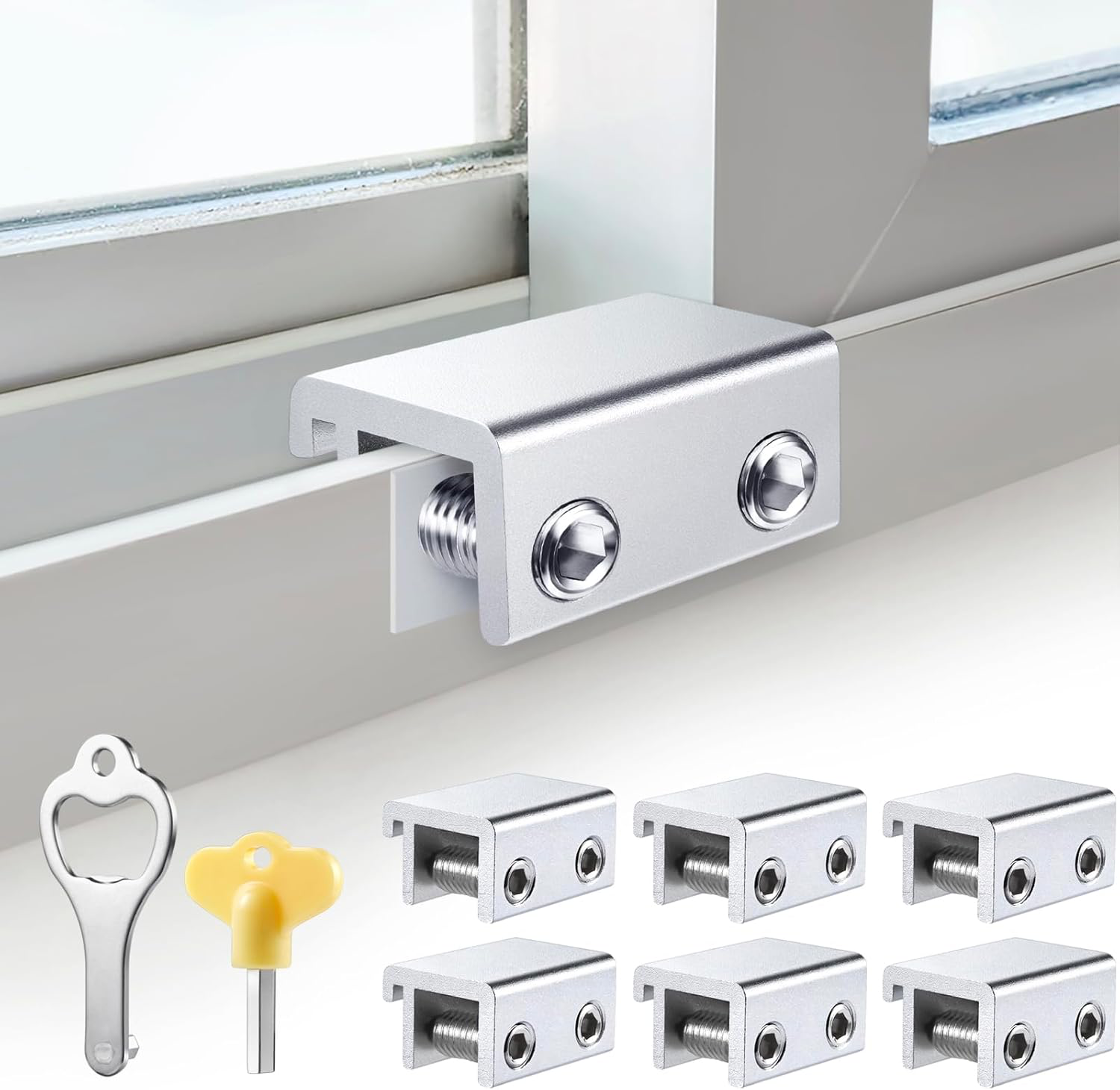
Sliding Window Locks
Adjustable security locks for sliding windows and doors to prevent children from opening them.
View product→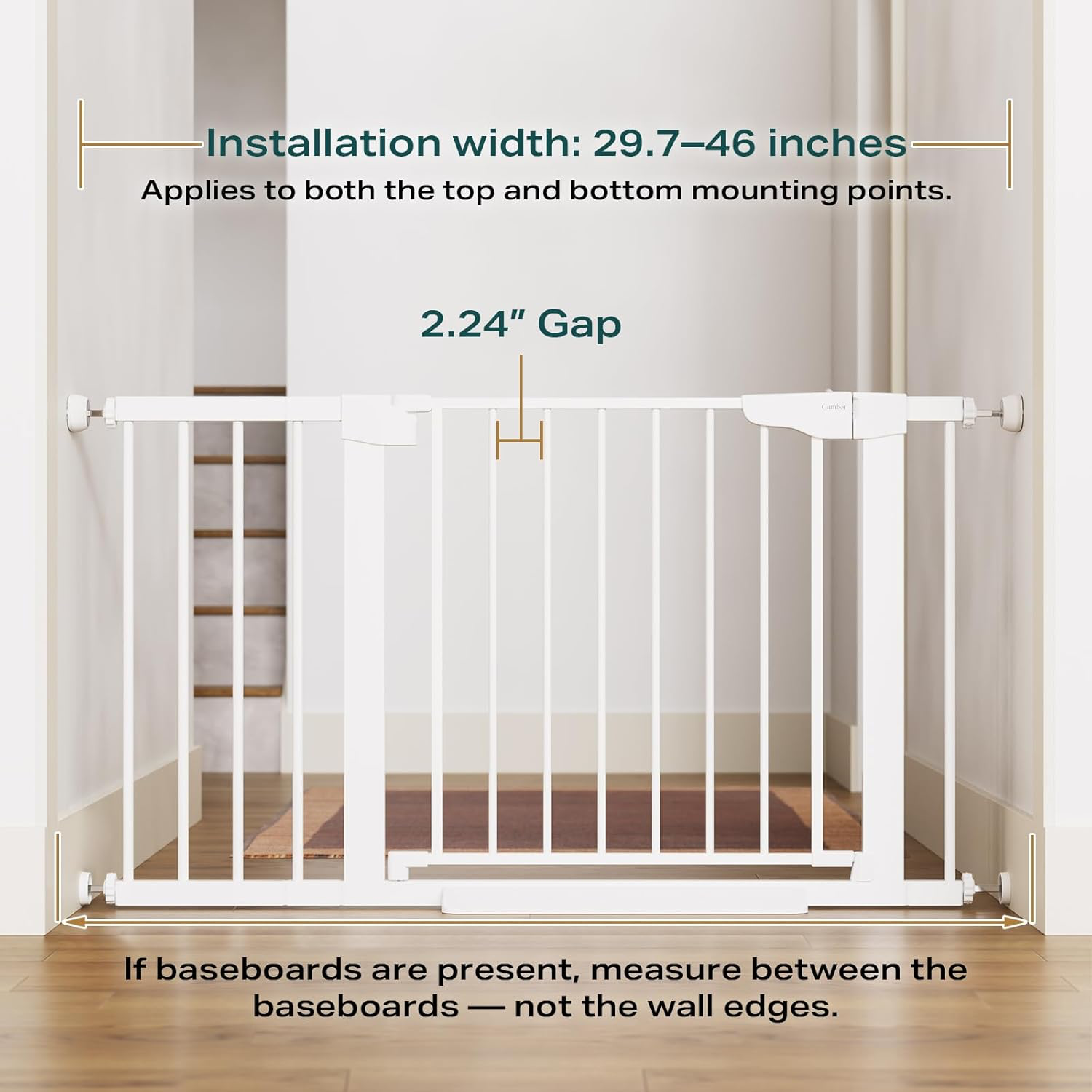
Cumbor 29.7-46 Baby Gate for Stairs
A pressure-mounted barrier sized for typical hallway and stairway openings between roughly 30 and 46 inches. We like it for renters because it sets up without drilling, and the auto-close latch helps when you walk through with a baby on your hip. Confirm it fits your specific opening before you buy.
View product→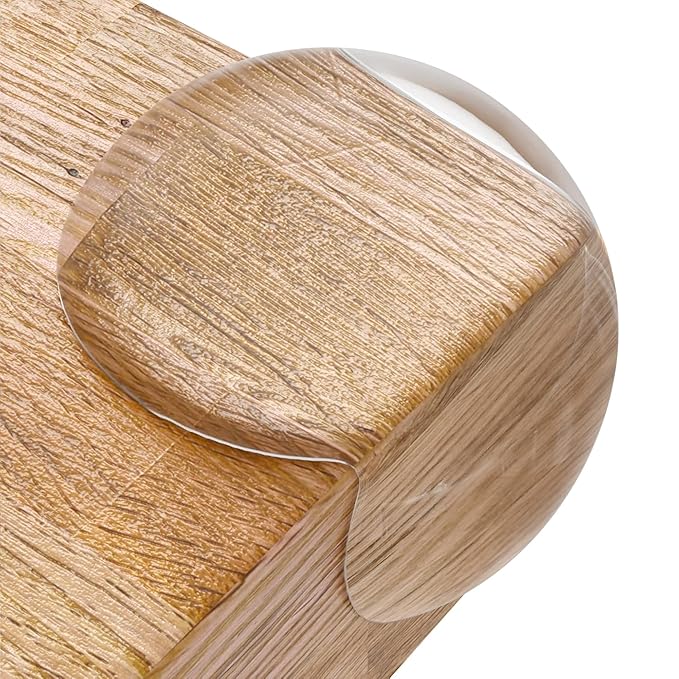
12-Pack Corner Protectors Baby Proof, Furniture Corner and Edge Safety Bumpers
Soft foam corner guards with 3M adhesive backing to cushion sharp furniture edges.
View product→Last reviewed
Sources used for this guide
Reviewed on April 25, 2026. This content is educational and practical, but it is not a substitute for professional safety inspections or medical advice.
U.S. Consumer Product Safety Commission
Anchor It! furniture tip-over safetyU.S. Consumer Product Safety Commission
Federal safety standard for dressers and clothing storage unitsHealthyChildren.org / American Academy of Pediatrics
Movement: Babies 8 to 12 Months