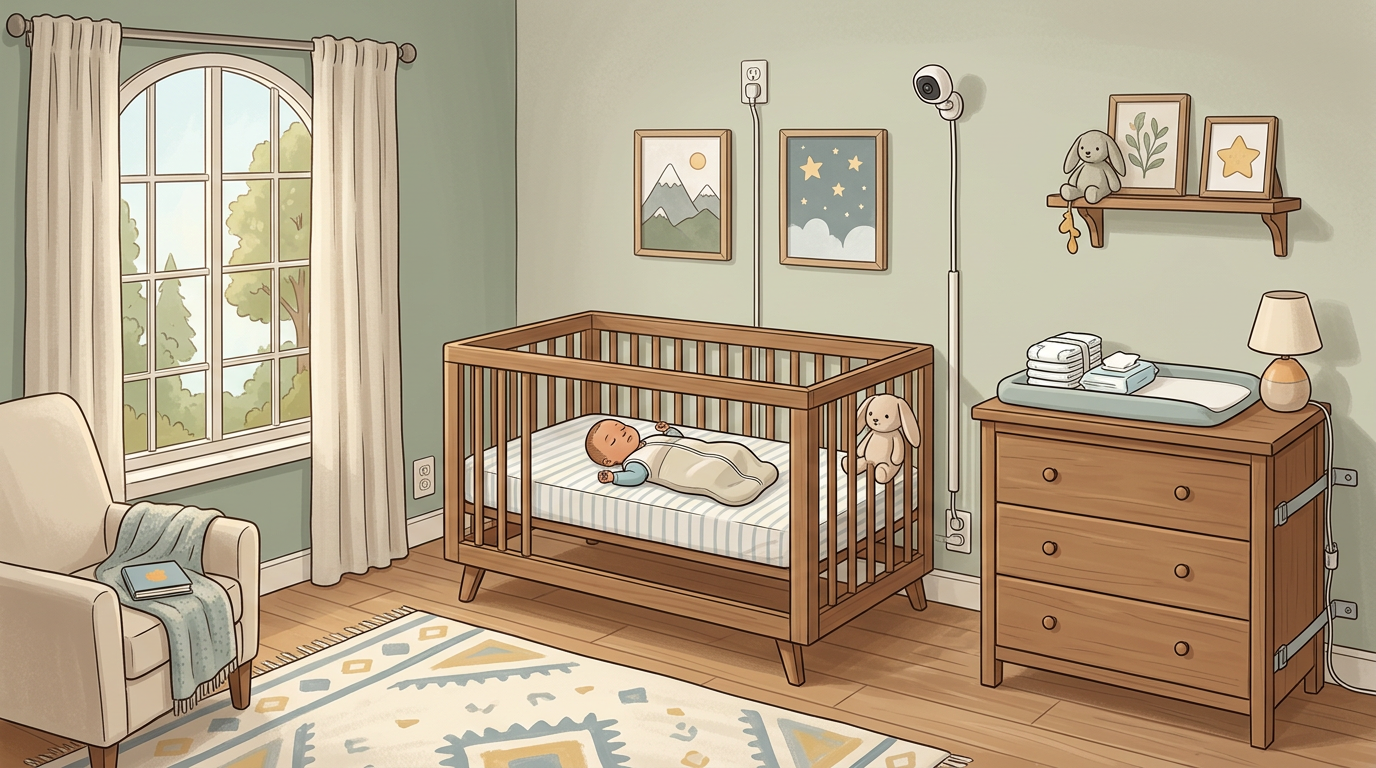
The ABCs of safe infant sleep
The American Academy of Pediatrics summarizes infant safe sleep guidance with three simple ideas: babies should sleep Alone, on their Back, and in a Crib or other approved sleep surface. That short rule handles the majority of sleep-related risk during the first year.
'Alone' means no adults, siblings, pillows, blankets, bumper pads, positioners, or stuffed animals in the sleep space. 'On the back' applies for every sleep — naps and overnight — until the baby can reliably roll both ways on their own. 'In a crib' means a firm, flat, approved sleep surface with a fitted sheet, not a couch, adult bed, or car seat for routine sleep.
Room sharing without bed sharing is recommended for at least the first six months. Keep the bassinet or crib in the parents' room with a clear separation between the adult sleep space and the baby's.
Quick checklist
- ✓Place baby on their back for every sleep until they roll both ways reliably.
- ✓Use a firm, flat sleep surface with only a fitted sheet.
- ✓Keep the crib bare — no blankets, pillows, bumpers, or stuffed animals.
- ✓Room share without bed sharing for at least the first six months.
Crib, bassinet, and nursery setup
The sleep surface and the space around it are the highest-impact parts of nursery safety.
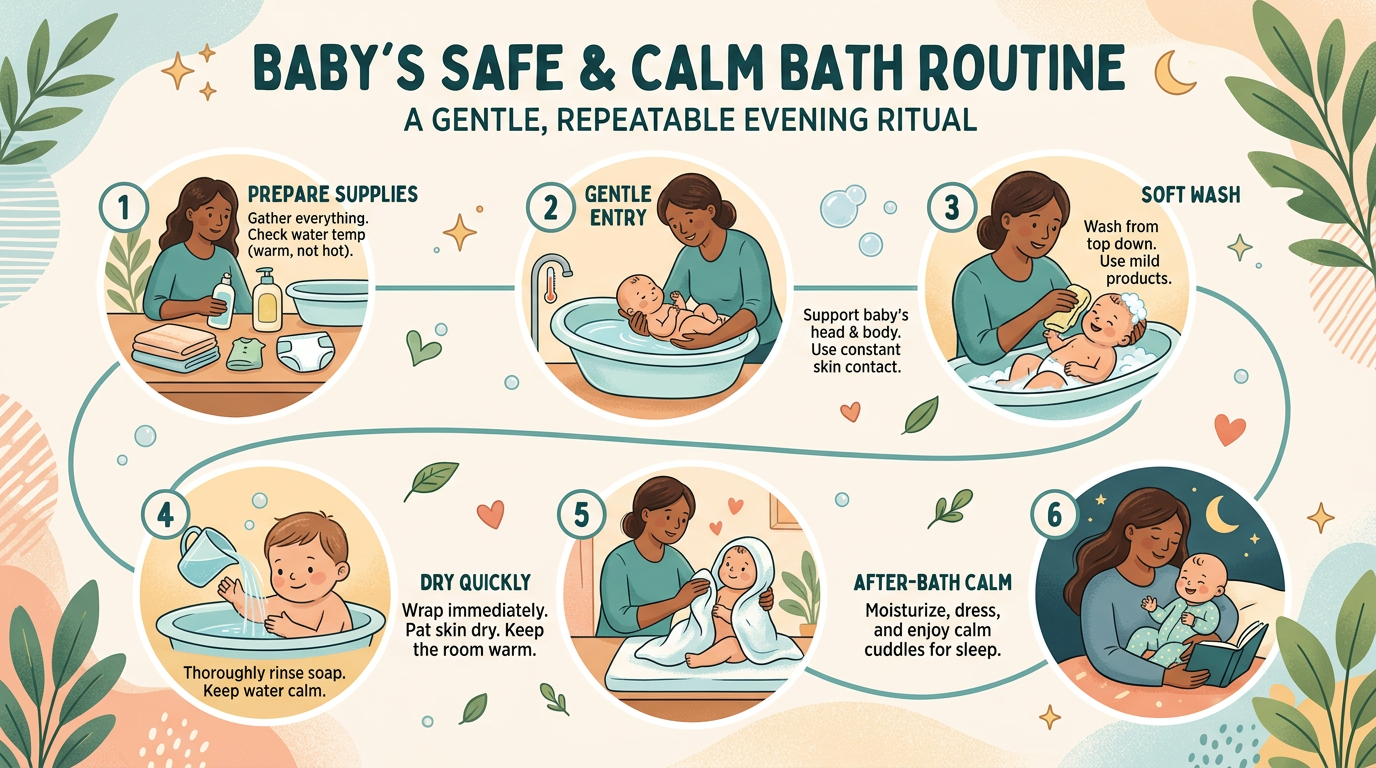
Use a crib, bassinet, play yard, or bedside sleeper that meets current safety standards. Avoid secondhand sleep products unless you can verify the model, check for recalls, and confirm that no parts are missing or broken. Drop-side cribs manufactured before the 2011 ban should not be used.
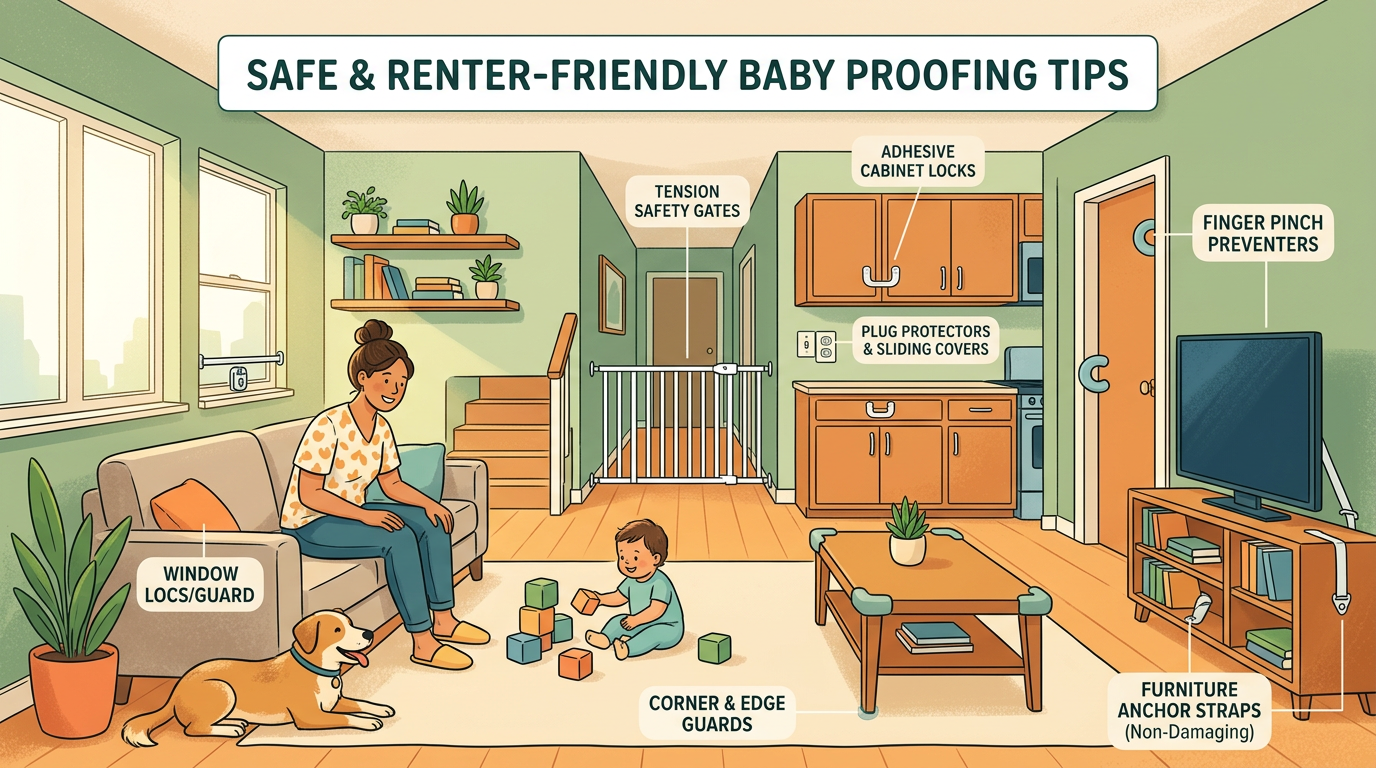
Set up the nursery with the crib away from windows, blind cords, curtains, and wall décor that could fall. Mobiles and crib toys should be out of reach once the baby can push up onto hands and knees. Anchor any dressers or bookshelves in the room, and keep the changing table against a wall.
Skip inclined sleepers, wedges, and positioners — they have been linked to infant deaths and are not recommended by pediatric sleep guidance. If you are considering a sleep product and are not sure it is safe, the simplest filter is whether it provides a firm, flat, bare surface.
Quick checklist
- ✓Use a current-standard crib, bassinet, or play yard with a firm, flat surface.
- ✓Place the crib away from windows, cords, and heavy wall décor.
- ✓Anchor dressers and heavy furniture in the nursery.
- ✓Avoid inclined sleepers, wedges, and sleep positioners.
Swaddles, sleep sacks, and what to wear
Blankets are not recommended in the crib for babies under one year. Instead, dress your baby in a wearable blanket or sleep sack appropriate for the room temperature. A good rule of thumb is one more light layer than an adult would wear comfortably in the same room.
Swaddling is fine for young infants as long as it is snug at the chest and loose at the hips. Stop swaddling as soon as your baby shows any sign of rolling — typically between two and four months. Once rolling starts, move to a sleep sack that leaves the arms free.
Overheating is a known risk factor for sleep-related infant death. Keep the room at a comfortable temperature, avoid hats indoors, and check the back of the neck or chest to gauge warmth rather than the hands or feet.
Quick checklist
- ✓Use a sleep sack or wearable blanket instead of loose bedding.
- ✓Stop swaddling at the first sign of rolling.
- ✓Aim for one light layer more than an adult would wear.
- ✓Watch for overheating — check chest and back of neck, not hands.
Safe sleep on the road and with other caregivers
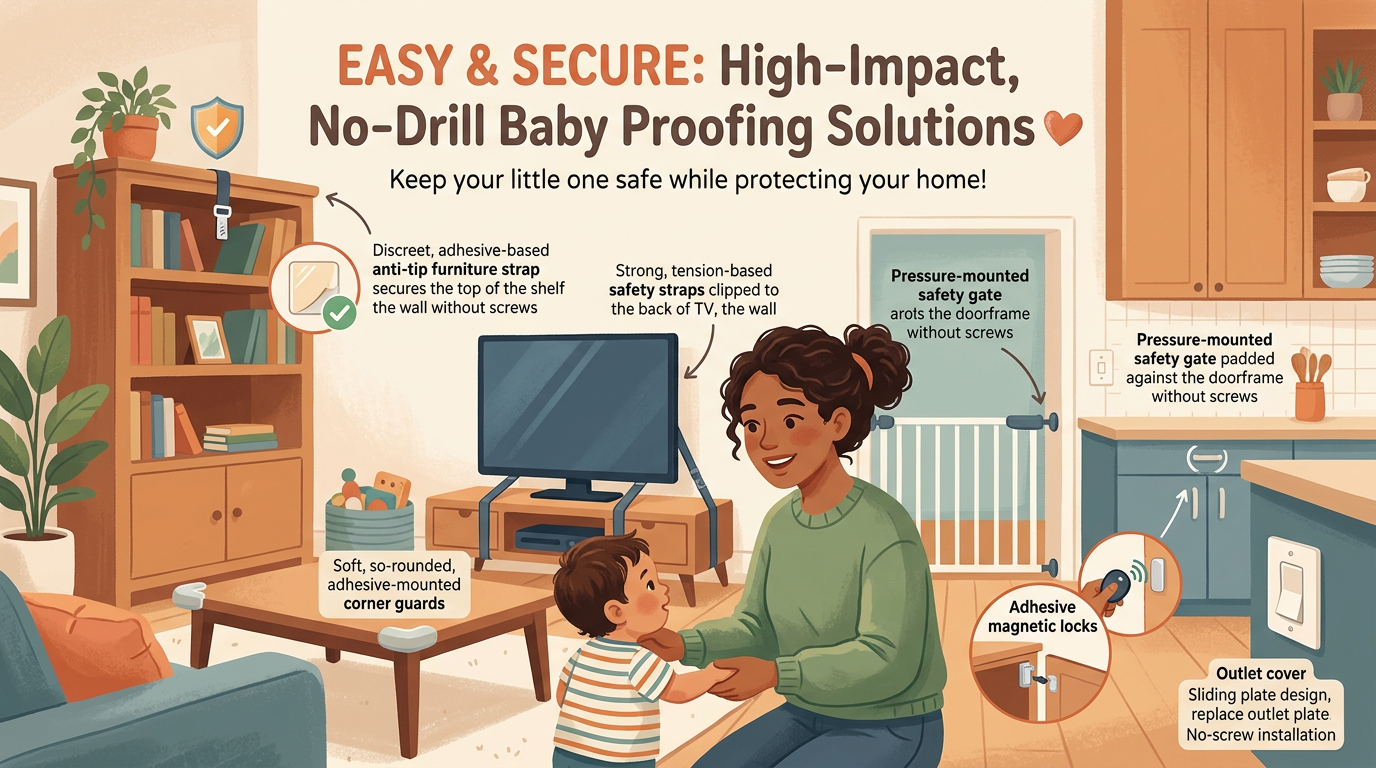
Safe sleep rules apply everywhere — not just at home. Travel cribs and play yards that meet current standards are the go-to sleep surface for hotels, Airbnbs, and family homes. Adult beds, couches, and unfamiliar cribs introduce risks that a familiar, approved sleep surface avoids.
Brief every caregiver clearly. Grandparents, babysitters, and daycare providers may have grown up with different guidance, and gentle specifics — 'on the back, nothing in the crib' — carry better than general requests. Many daycares have written safe sleep policies; ask to review it when you enroll.
Car seats, swings, and carriers are not recommended for routine sleep. If your baby falls asleep in one, move them to a flat sleep surface when you can do so safely.
Quick checklist
- ✓Travel with an approved portable sleep surface.
- ✓Brief caregivers with specifics, not general requests.
- ✓Review your daycare's written safe sleep policy.
- ✓Move sleeping babies out of car seats and swings when it is safe to do so.
Frequently asked questions
Loose blankets are not recommended in the sleep space until at least one year old. Many families wait longer, especially if the child still moves around a lot in sleep.
Once a baby can reliably roll both ways on their own, you can continue to place them on their back to start sleep and allow them to find a comfortable position from there.
Major pediatric guidance recommends room sharing without bed sharing. Risks increase with soft bedding, parental fatigue, and certain medications. If you are considering bed sharing, review current guidance with your pediatrician.
No. Federal guidance prohibits the sale of padded crib bumpers in the United States due to suffocation and strangulation risk. Mesh liners are also not recommended by pediatric sleep guidance.
Sleep-related infant death risk is highest in the first six months. The AAP recommends following safe sleep guidance through the baby's first birthday.
Featured products
Affiliate linksProducts that support this guide
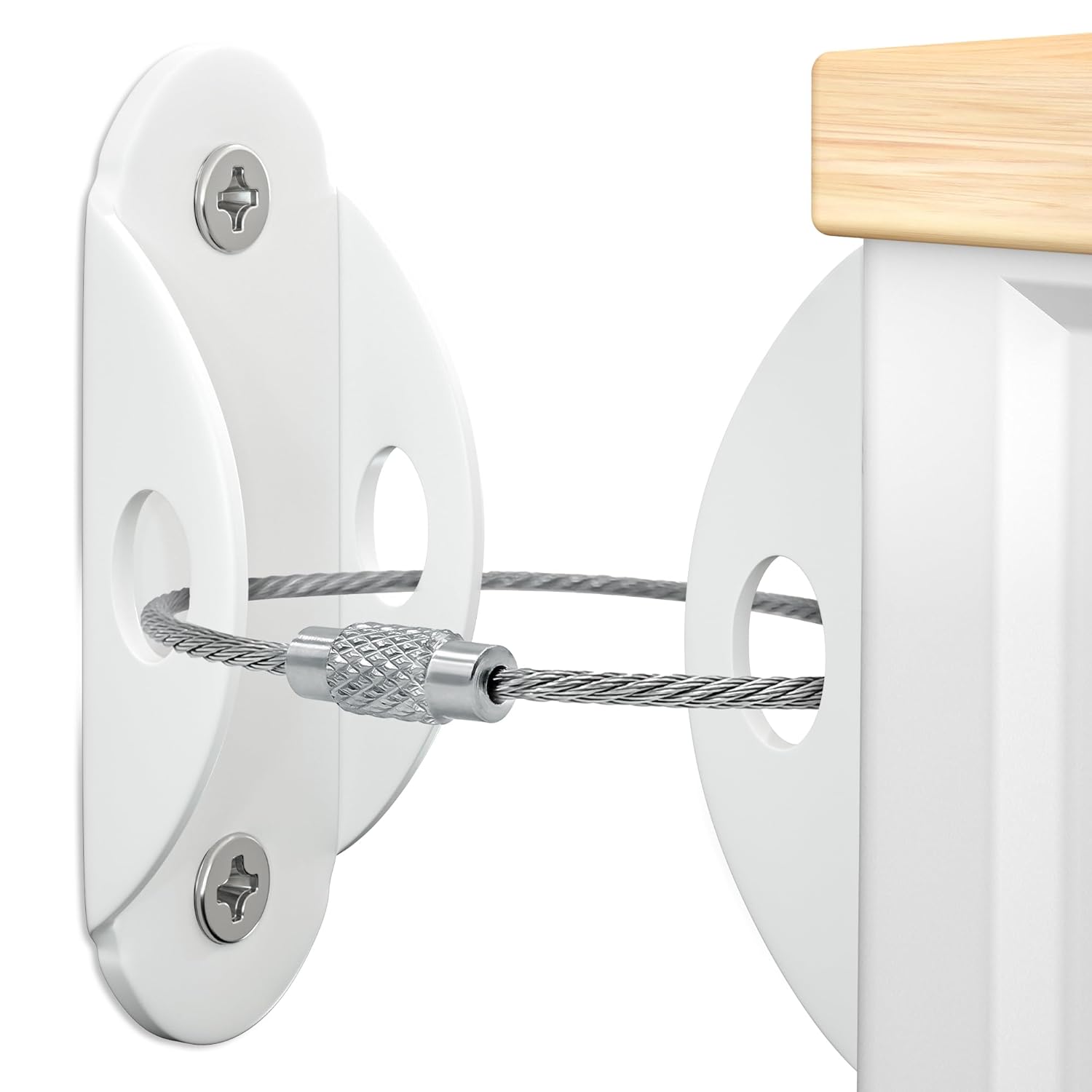
Booda Brand Furniture Anchors (10 Pack) Anti Tip Straps
Steel anti-tip straps for tall furniture and televisions, sold as a multi-pack so you can do a whole room in one afternoon. Tip-overs are one of the most common serious household injuries for toddlers, and we recommend anchoring anything taller than a child even if it feels stable when you push on it. The included hardware works for wood studs and most wall anchors; for plaster or masonry you may need different fasteners.
View product→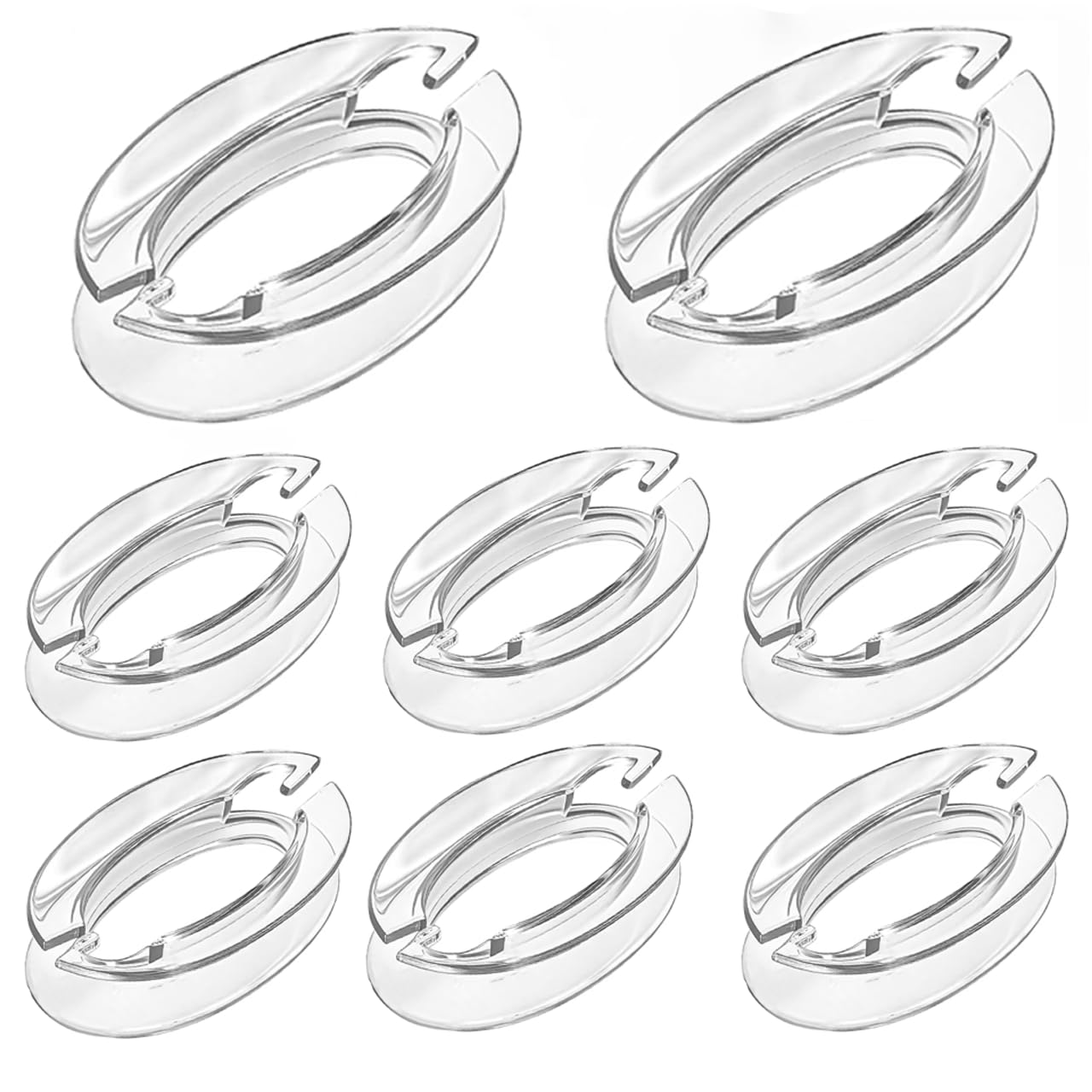
Dreambaby Blind Cord Wind-Ups
Helps keep dangling blind cords out of reach of children to prevent entanglement.
View product→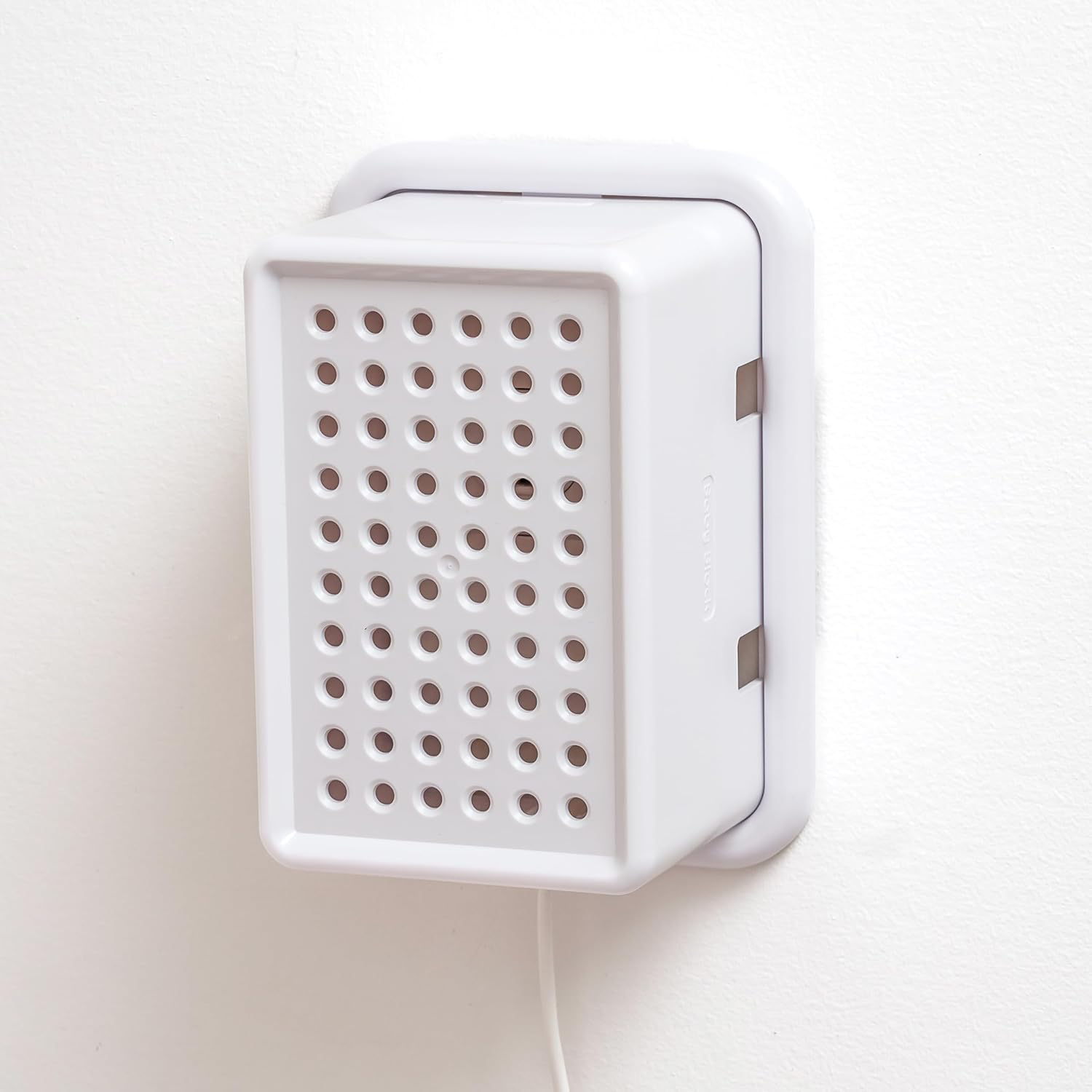
Outlet Plug Covers (24-Pack) Childproof Socket Protectors
Simple press-fit outlet caps that block unused electrical sockets from curious little fingers.
View product→Last reviewed
Sources used for this guide
Reviewed on April 20, 2026. This content is educational and practical, but it is not a substitute for professional safety inspections or medical advice.
HealthyChildren.org / American Academy of Pediatrics
Make Baby's Room SafeHealthyChildren.org / American Academy of Pediatrics
Safety for Your Child: 6 to 12 MonthsU.S. Consumer Product Safety Commission
Childproofing your home: 12 safety devices to protect children
