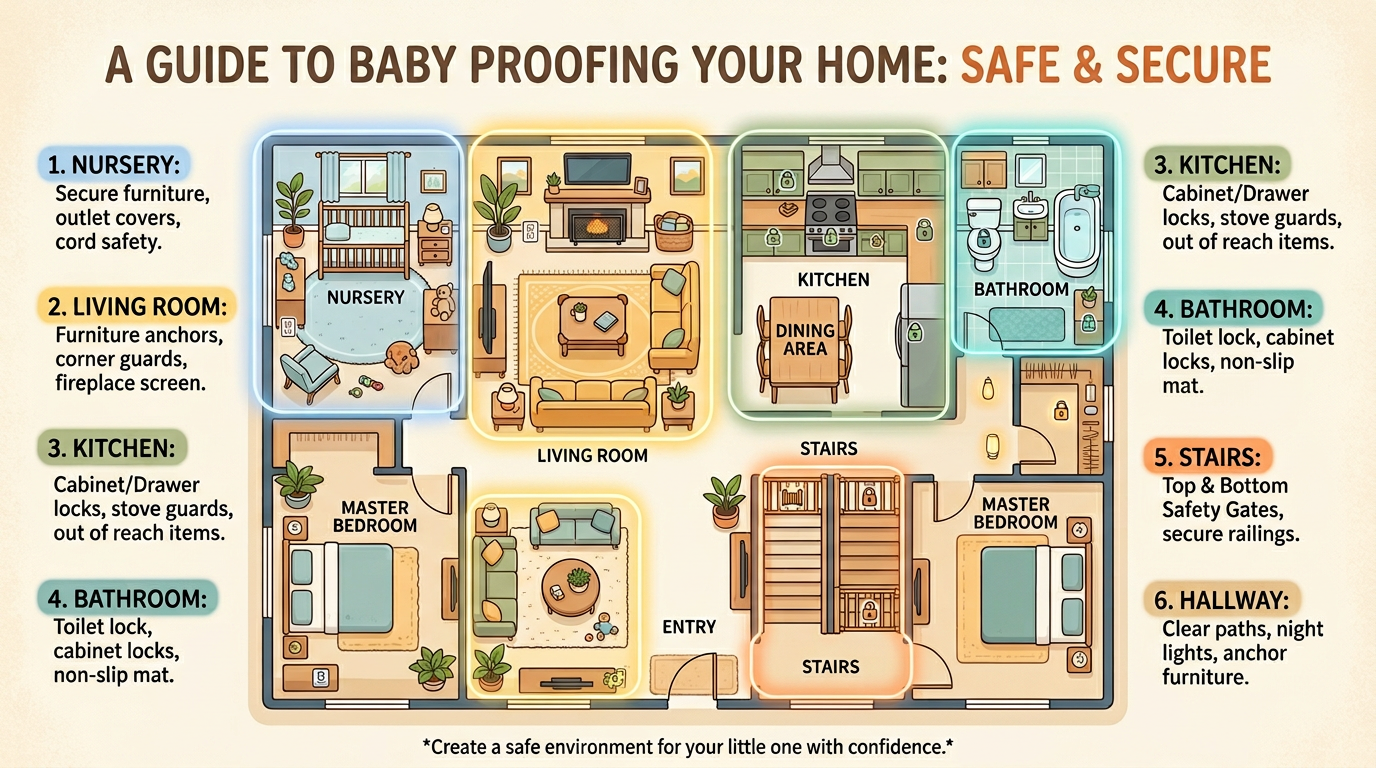
Start with the sleep space and work outward
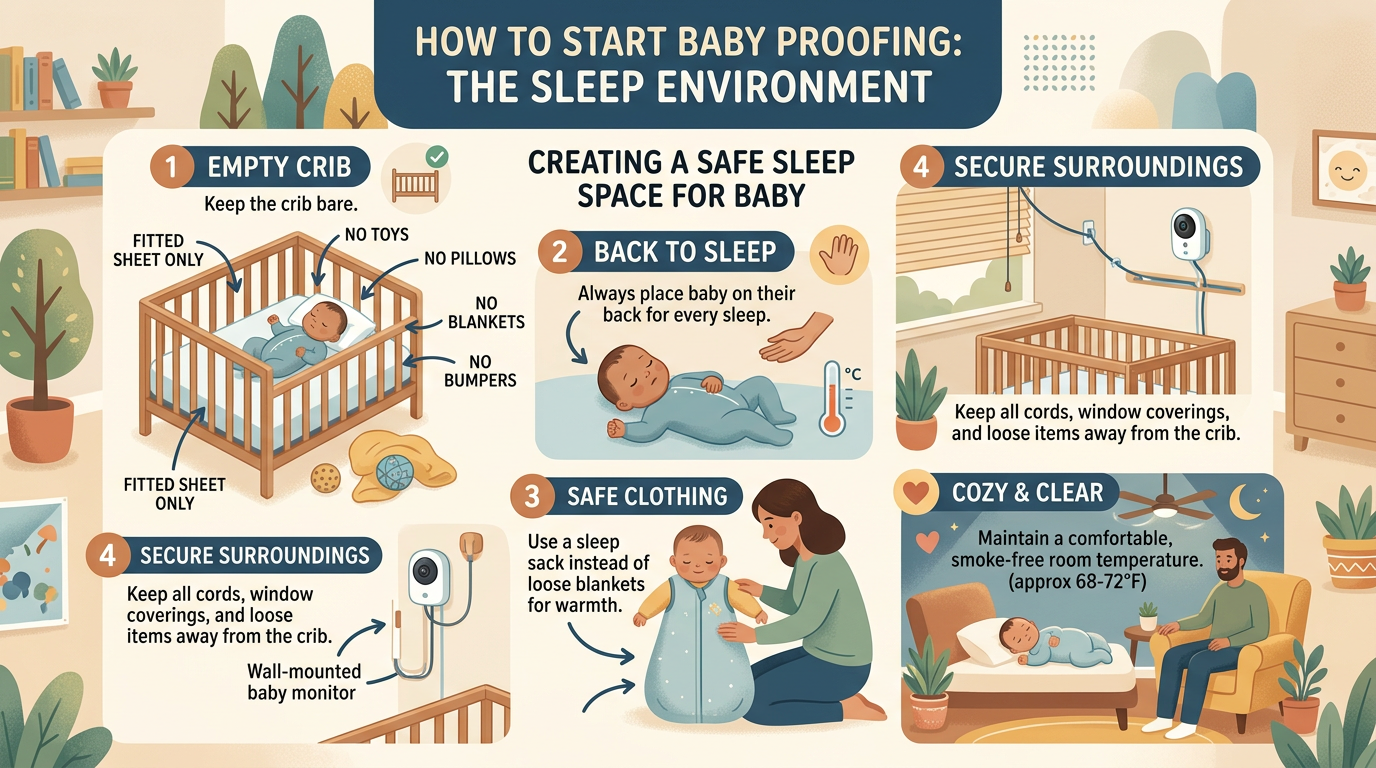
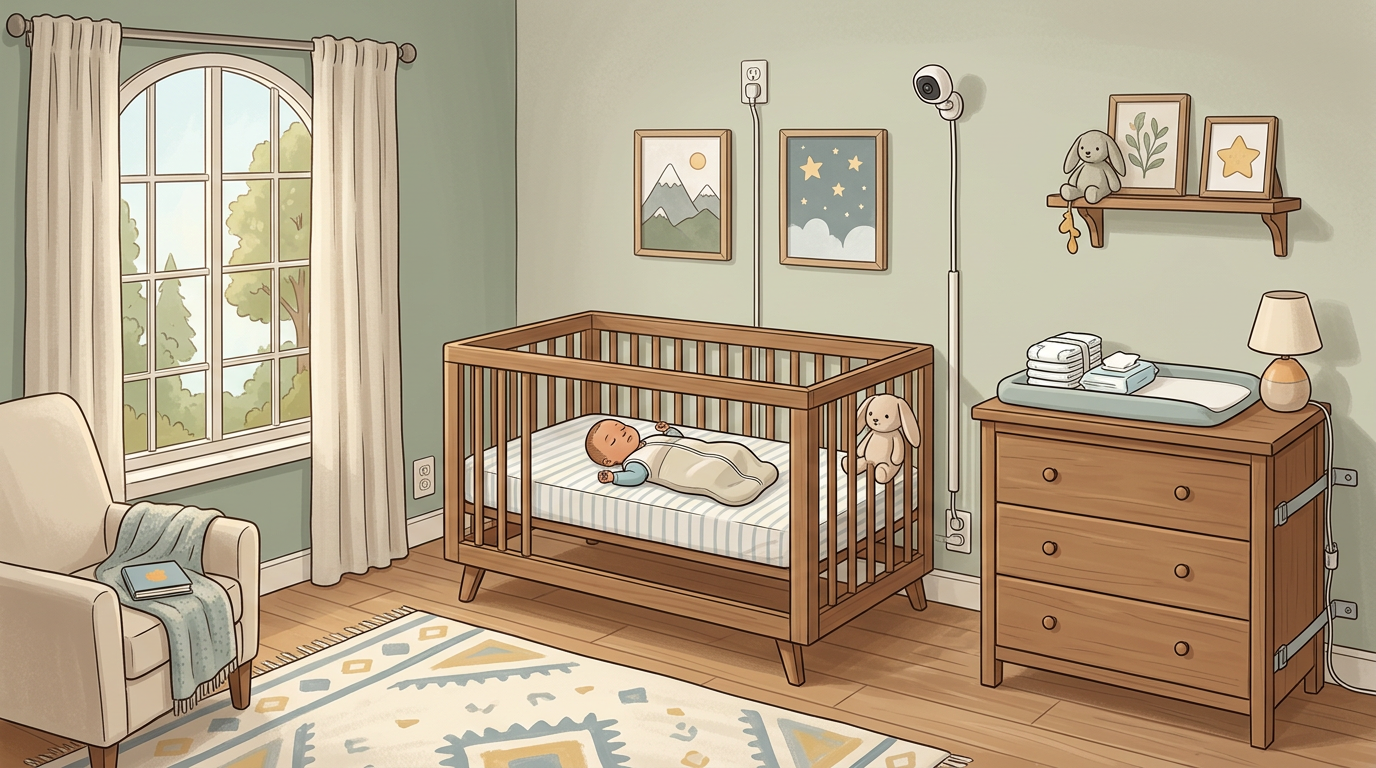
The crib or bassinet is the center of your nursery safety plan. A firm, flat mattress with a fitted sheet and nothing else in the crib is the safest sleep setup for infants. Loose blankets, pillows, bumpers, and stuffed animals all increase the risk of suffocation, even if they look cozy or are marketed as safe.
What works for a newborn who cannot roll or reach becomes riskier once your baby starts moving. By the time a child can pull to stand, anything within arm's reach of the crib rail is fair game, including wall decorations, cords, and items on nearby furniture. Reassess the sleep space every time your child hits a new mobility milestone.
Keep the area immediately surrounding the crib clear and simple. Move the crib away from windows, blinds, and any dangling cords. The goal is a sleep zone where nothing can be pulled in, grabbed, or climbed on, even during unsupervised naps and overnight sleep.
Quick checklist
- ✓Use a firm, flat mattress with only a fitted sheet in the crib.
- ✓Keep pillows, blankets, bumpers, and stuffed animals out of the crib.
- ✓Position the crib away from windows, blinds, and cords.
- ✓Check crib hardware and mattress fit regularly for looseness or gaps.
Anchor dressers, changing tables, and shelving before climbing starts
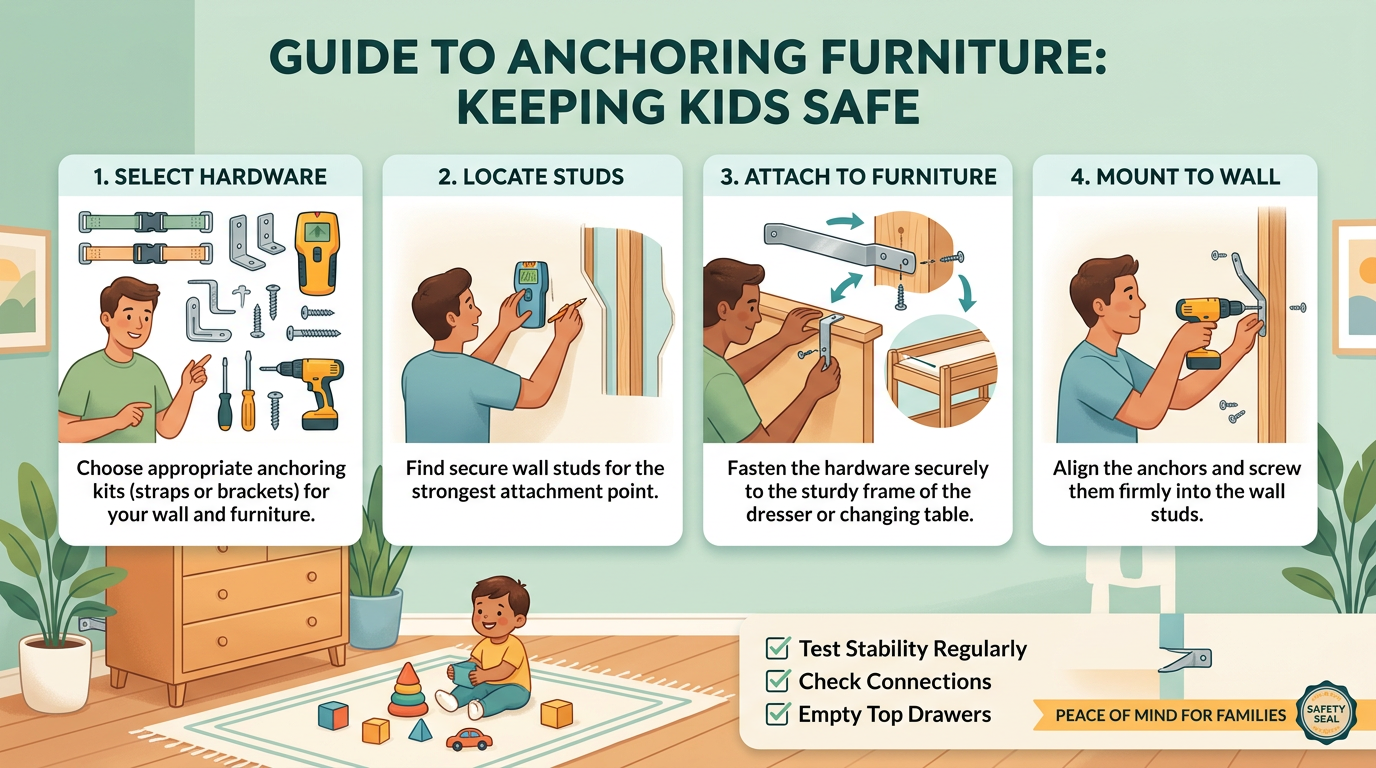
Bedroom dressers are one of the most frequently tipped-over pieces of furniture in homes with young children. A child pulling open a drawer and using it as a step can topple even a heavy dresser in seconds. Anchoring dressers to the wall with furniture straps is a straightforward fix that prevents one of the most serious bedroom injuries.
Changing tables need both restraint straps for the child and wall anchors for the unit itself. A child who rolls off a changing table faces a significant fall, and a changing table that tips forward when weight shifts to the front edge creates a second hazard. Treat the changing table as a piece of furniture that needs securing, not just a surface you use carefully.
Bookshelves, nightstands, and tall storage units in bedrooms are climbing targets once a toddler is mobile. Even low bookshelves can tip if a child pulls on a shelf or stands on the bottom ledge. Anchor anything freestanding and taller than your child, and remove objects that invite climbing like toys or books placed on upper shelves.
Quick checklist
- ✓Anchor all dressers and tall furniture to the wall with furniture straps.
- ✓Use changing table safety straps and anchor the table itself.
- ✓Remove climbable objects near furniture that could serve as stepping aids.
- ✓Re-check furniture stability after moving or rearranging the room.
Control window access before your child can reach or climb to them
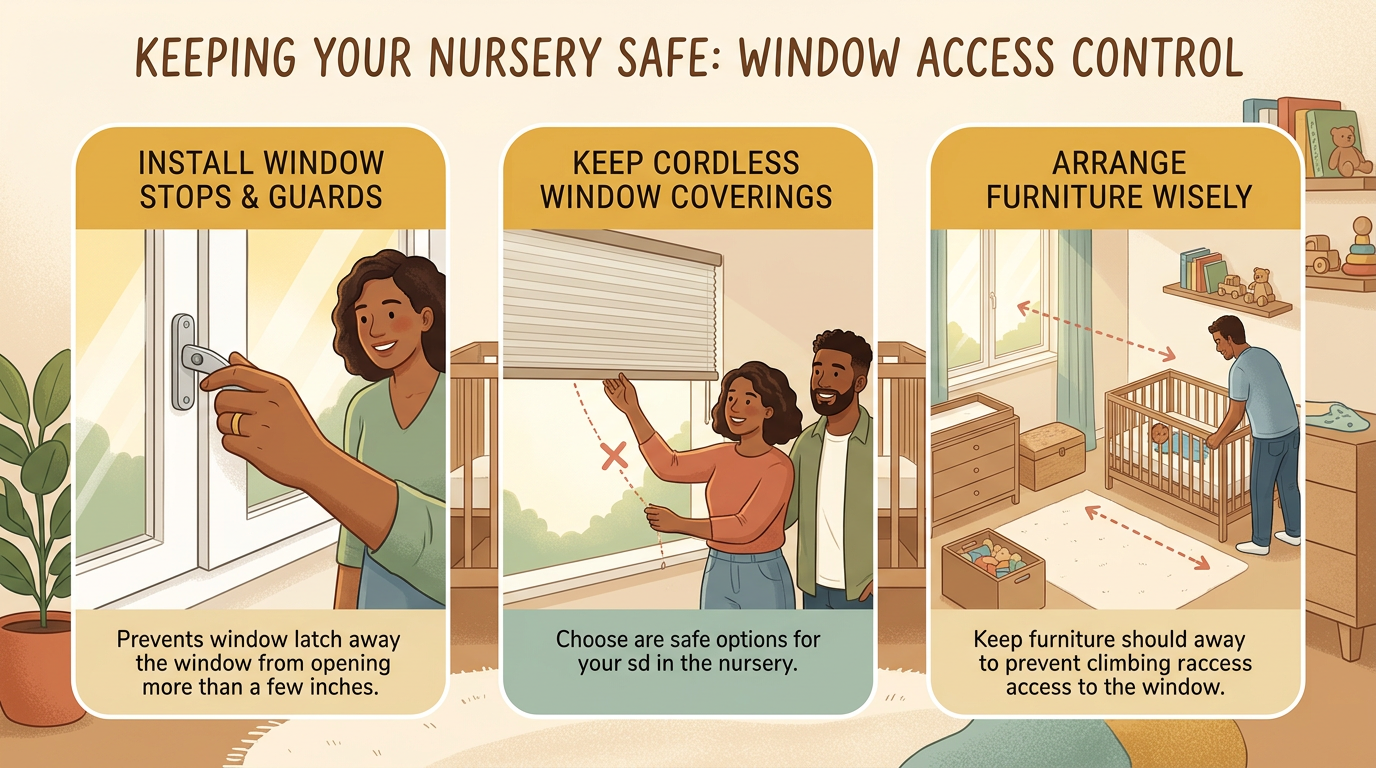
Window falls are among the most preventable serious injuries in young children. A child who can climb onto a bed, chair, or dresser near a window can reach the sill faster than most parents expect. Window screens are designed to keep insects out, not to support a child's weight, and they should never be relied on as a safety barrier.
Window guards, window stops, and window locks each serve a slightly different purpose. Guards add a physical barrier across the opening, stops limit how far a window can open, and locks prevent the window from being opened at all. Choose the approach that fits your window type and ventilation needs while keeping the opening too small for a child to fit through.
The most effective window safety strategy combines a lock or guard with furniture placement. Move beds, dressers, chairs, and toy boxes away from windows so your child cannot climb to the sill. If a piece of furniture must stay near a window, treat that window as the highest priority for a guard or lock.
Quick checklist
- ✓Install window locks or guards on all accessible bedroom windows.
- ✓Move furniture away from windows to eliminate climbing paths.
- ✓Keep blinds and cords well out of reach from the crib and floor.
- ✓Do not rely on window screens as safety barriers.
Remove cords, chargers, and small electronics from the sleep zone
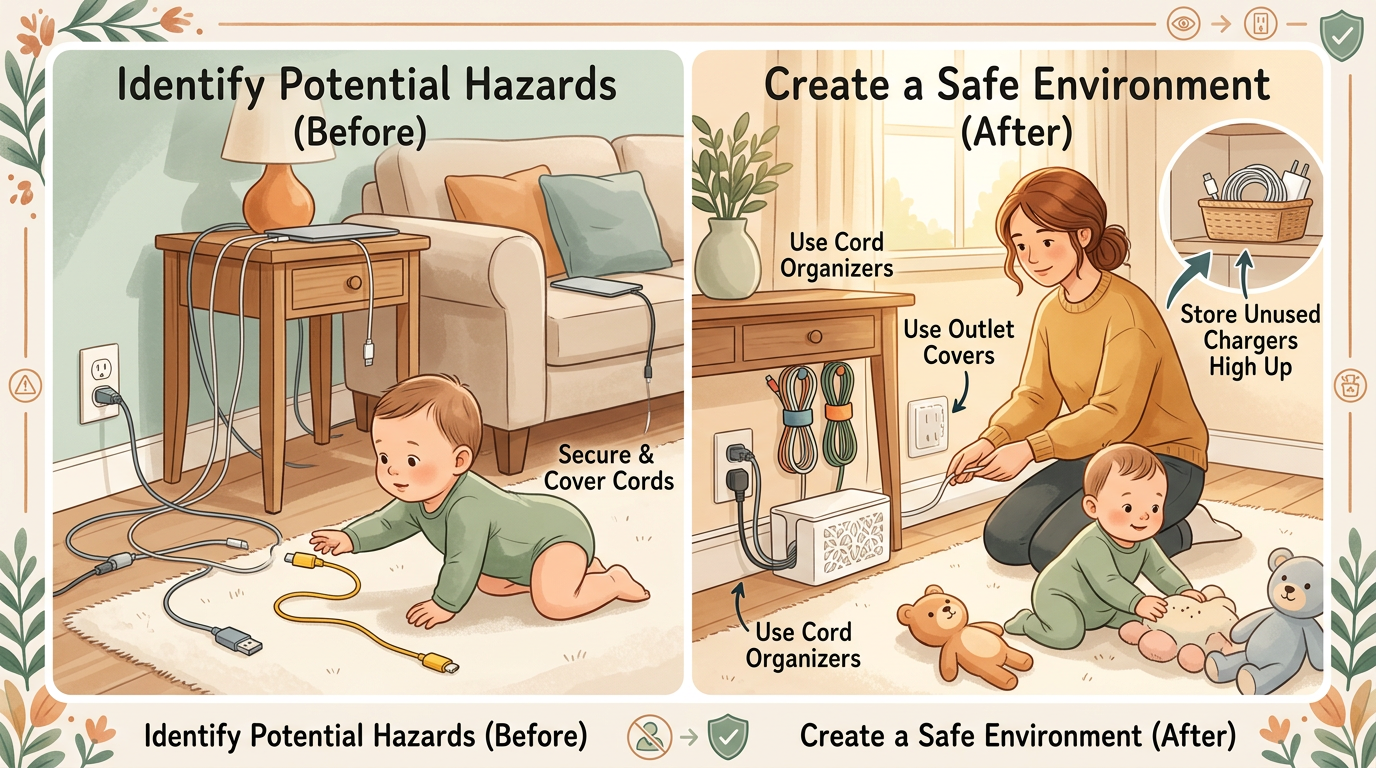
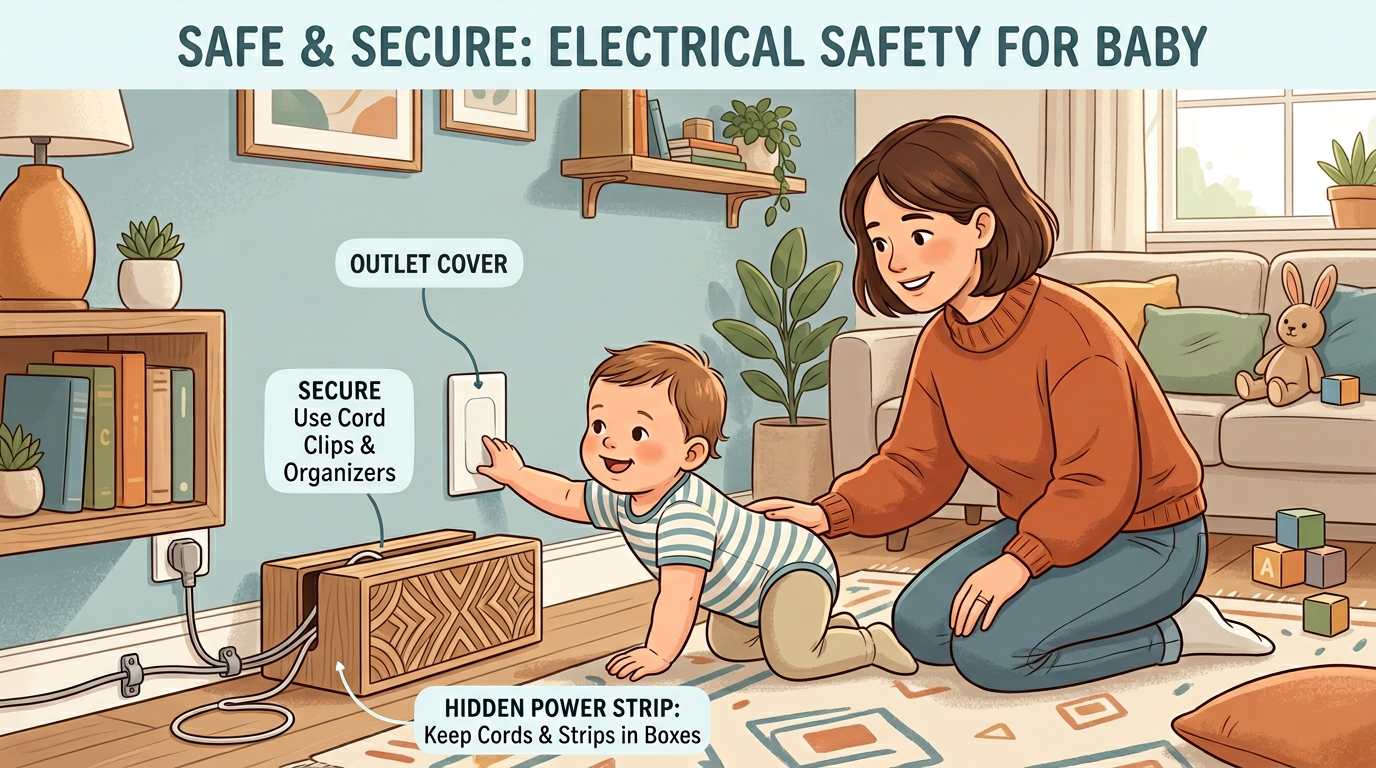
Baby monitor cords and phone charger cables near cribs are a real strangulation and electrical hazard. A cord that dangles within reach of the crib can be grabbed and wrapped during sleep or play. Route all monitor cords completely behind furniture and away from the crib, ideally using cord covers or clips mounted high on the wall.
Night lights with cords, sound machines, and other bedside electronics can be pulled off surfaces by a curious toddler. If an item has a cord and sits within reach of the crib or toddler bed, it needs to be relocated, wall-mounted above reach, or replaced with a battery-powered alternative. The fewer cords in the sleep zone, the simpler the safety picture.
Treat the area within arm's reach of the crib or bed as a cord-free zone. This means no charging cables on nightstands, no extension cords running along baseboards near the crib, and no decorative string lights within reach. A minimal sleep environment is both safer and easier to maintain as your child grows.
Quick checklist
- ✓Route baby monitor cords completely out of reach behind furniture or along the ceiling.
- ✓Remove phone and tablet chargers from surfaces near the crib or toddler bed.
- ✓Secure or remove night light cords, or switch to battery-powered options.
- ✓Keep remotes, small electronics, and button batteries off low surfaces.
Redesign the bedroom as your child moves from crib to toddler bed
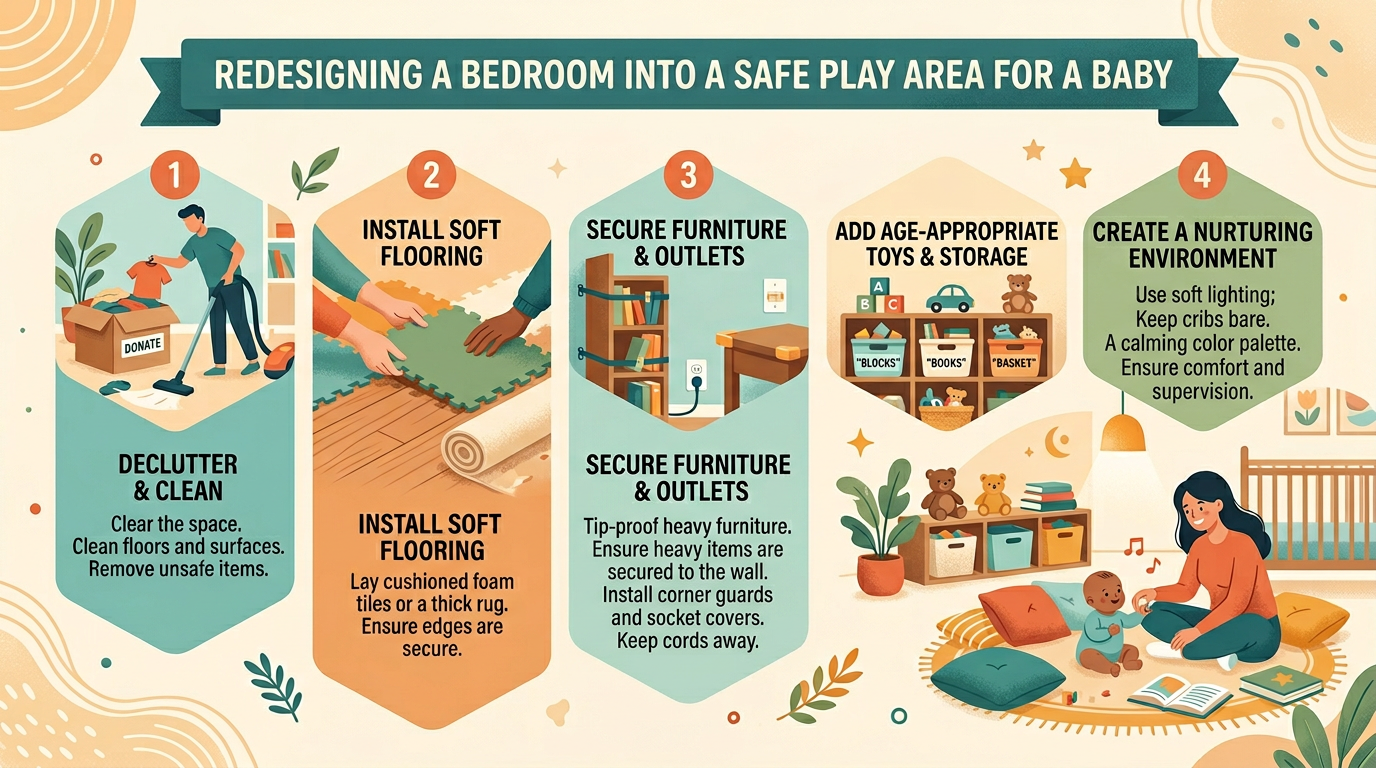
The transition from crib to toddler bed changes the entire risk profile of the bedroom. In a crib, your child is contained. In a bed, they have free access to the room the moment they wake up or decide not to sleep. Every surface, outlet, cord, and piece of furniture in the room becomes reachable during unsupervised time.
Before making the switch, do a full re-audit of the bedroom from your child's perspective. Get down to their level and look for anything that can be pulled, climbed, opened, or reached. Secure dresser drawers, cover outlets, anchor furniture you may have skipped when the crib kept your child in place, and remove anything breakable or hazardous from low shelves.
Think about the early morning scenario when your child wakes up before you do. The bedroom needs to be safe enough for a toddler to move around independently for a stretch of time. A door handle cover or door-top latch can prevent unsupervised roaming into the rest of the house while you are still asleep.
Quick checklist
- ✓Re-audit the entire room before transitioning to a toddler bed.
- ✓Secure all reachable furniture, outlets, and cords for unsupervised access.
- ✓Use a door handle cover or latch if your child wanders at night.
- ✓Lower items of interest to accessible shelves to reduce climbing temptation.
Frequently asked questions
Start before birth for the structural work like furniture anchoring and sleep space setup. Add more controls as your baby starts rolling, pulling up, and climbing.
Yes, if it is properly anchored to the wall and nothing climbable is placed near it. Unsecured bookshelves are a serious tip-over risk.
Focus on windows your child can reach or climb to. If furniture sits near a window, treat that window as high priority regardless of floor level.
Apply the same principles but also secure older siblings' items like small toys, chargers, and art supplies that become hazards for a younger child.
Featured products
Affiliate linksProducts that support this guide
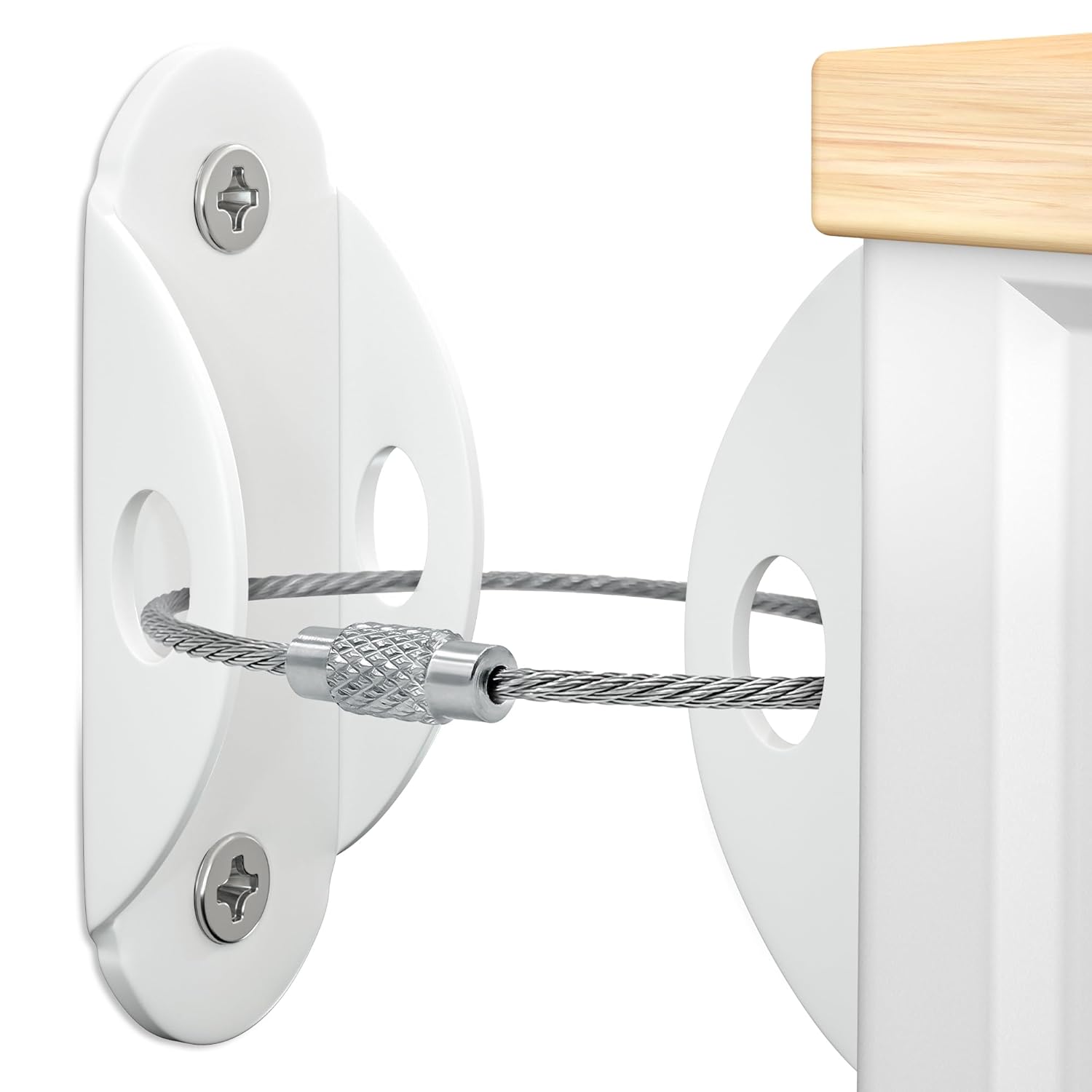
Booda Brand Furniture Anchors (10 Pack) Anti Tip Straps
Steel anti-tip straps for tall furniture and televisions, sold as a multi-pack so you can do a whole room in one afternoon. Tip-overs are one of the most common serious household injuries for toddlers, and we recommend anchoring anything taller than a child even if it feels stable when you push on it. The included hardware works for wood studs and most wall anchors; for plaster or masonry you may need different fasteners.
View product→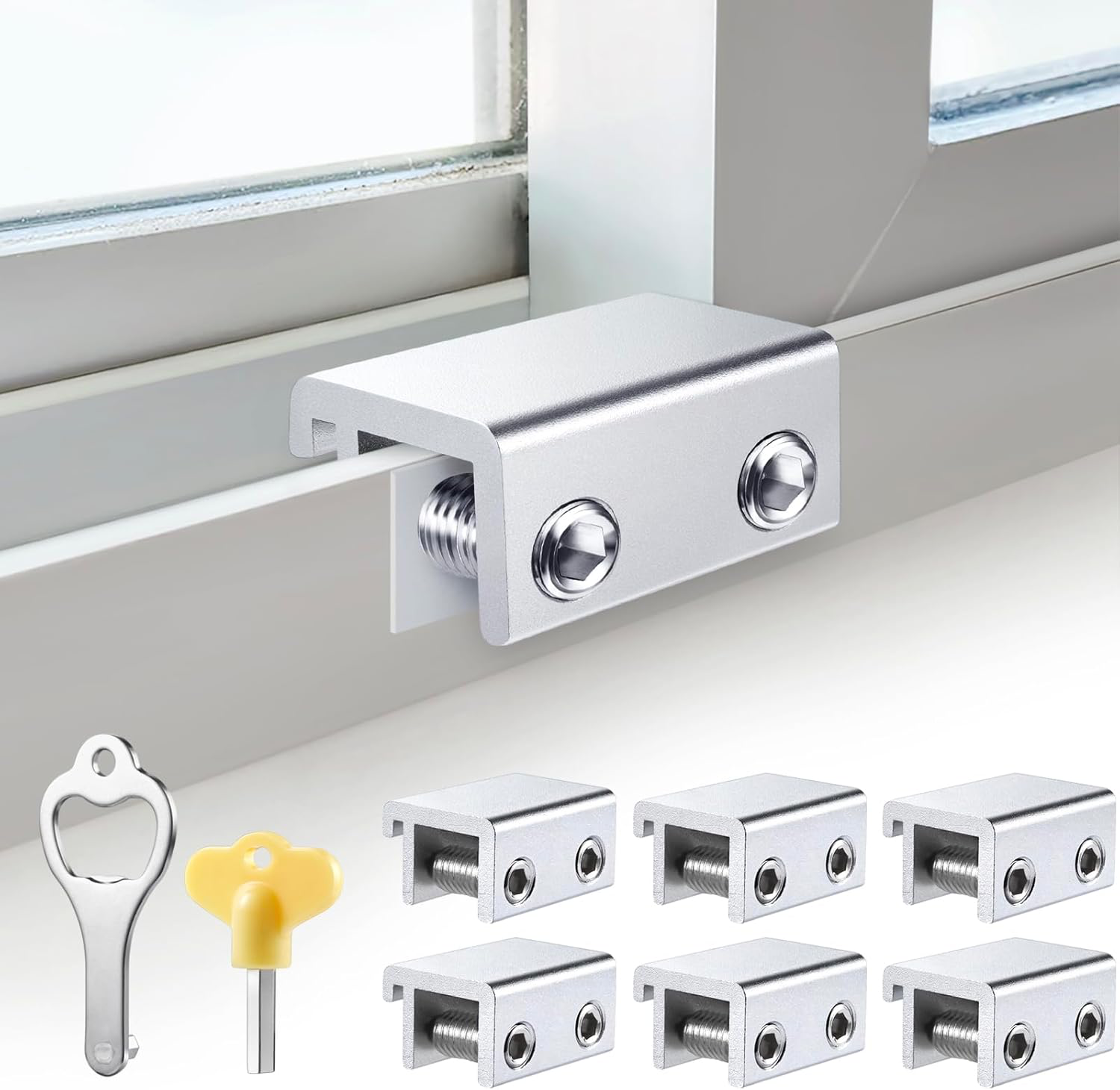
Sliding Window Locks
Adjustable security locks for sliding windows and doors to prevent children from opening them.
View product→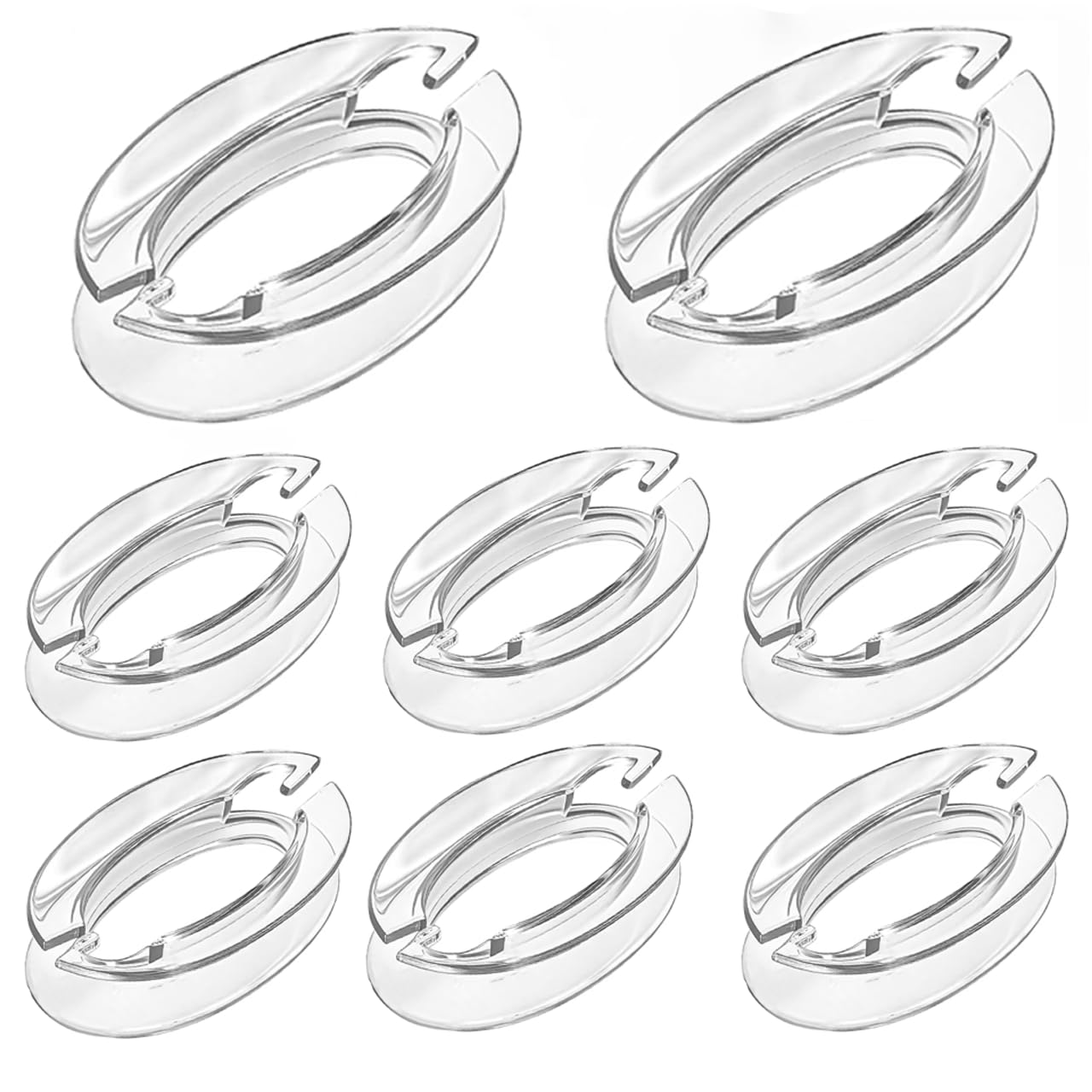
Dreambaby Blind Cord Wind-Ups
Helps keep dangling blind cords out of reach of children to prevent entanglement.
View product→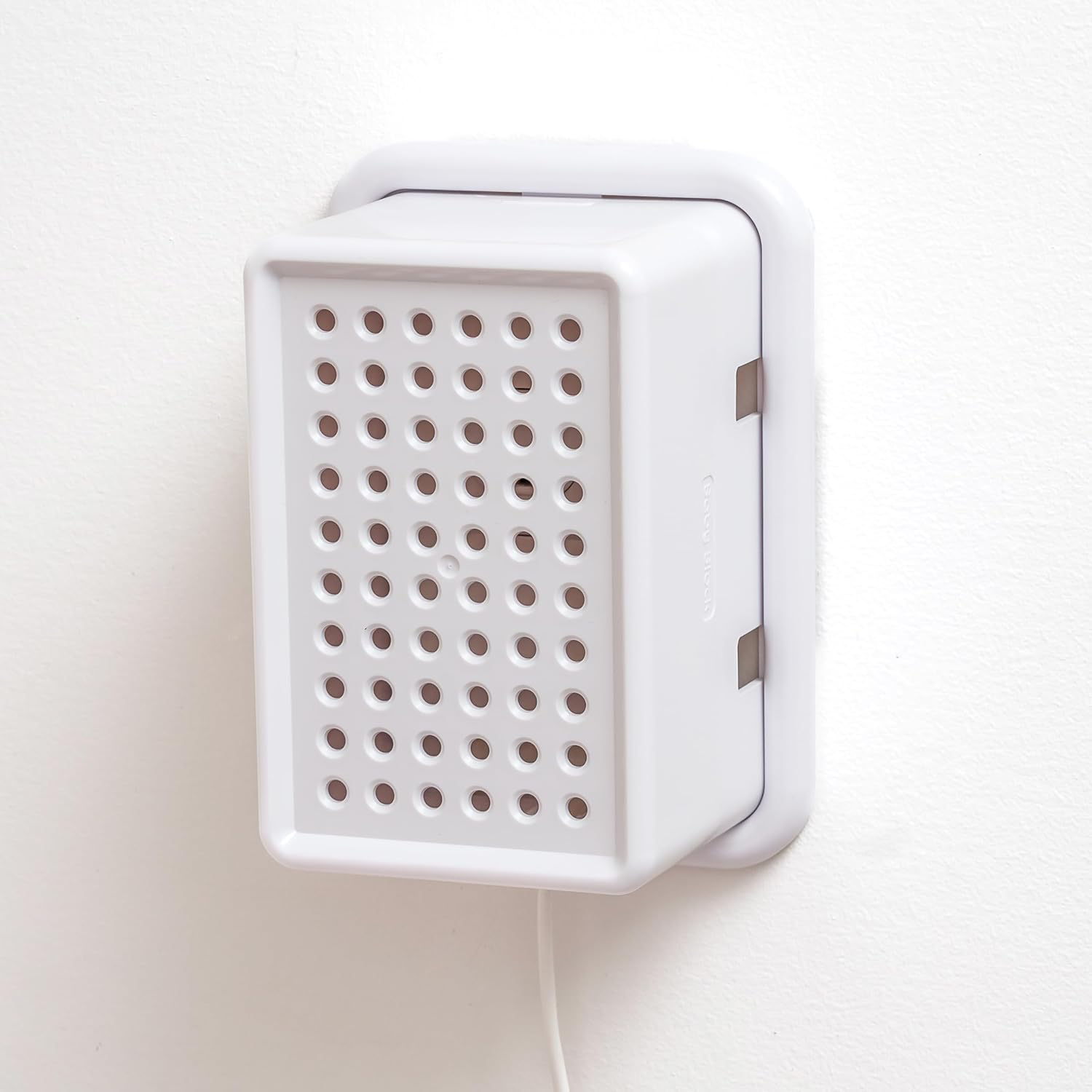
Outlet Plug Covers (24-Pack) Childproof Socket Protectors
Simple press-fit outlet caps that block unused electrical sockets from curious little fingers.
View product→Last reviewed
Sources used for this guide
Reviewed on March 17, 2026. This content is educational and practical, but it is not a substitute for professional safety inspections or medical advice.
HealthyChildren.org / American Academy of Pediatrics
Make Baby's Room SafeU.S. Consumer Product Safety Commission
Anchor It! furniture tip-over safetySafe Kids Worldwide
Safe Kids home furniture and falls safety guidanceU.S. Consumer Product Safety Commission
Childproofing your home: 12 safety devices to protect children