Why travel spaces need a different baby proofing mindset
At home, you gradually secure hazards as your child develops. On the road, you walk into a space that was designed for adults and try to make it safe in one session. The goal is not to recreate your home — it is to knock down the highest-risk hazards quickly and then supervise closely for the rest.
Hotels, short-term rentals, and grandparents' homes each have their own patterns. Hotels tend to have heavy furniture, unsecured TVs, and accessible minibars. Airbnbs often include decorative objects, unlocked cleaning supplies, and stairs without gates. Family homes add a layer of emotion: it can feel awkward to rearrange a relative's living room, even when safety requires it.
Give yourself permission to move things. Almost every host or family member will understand once you explain that you are reducing risk for a short stay, not criticizing their home.
Quick checklist
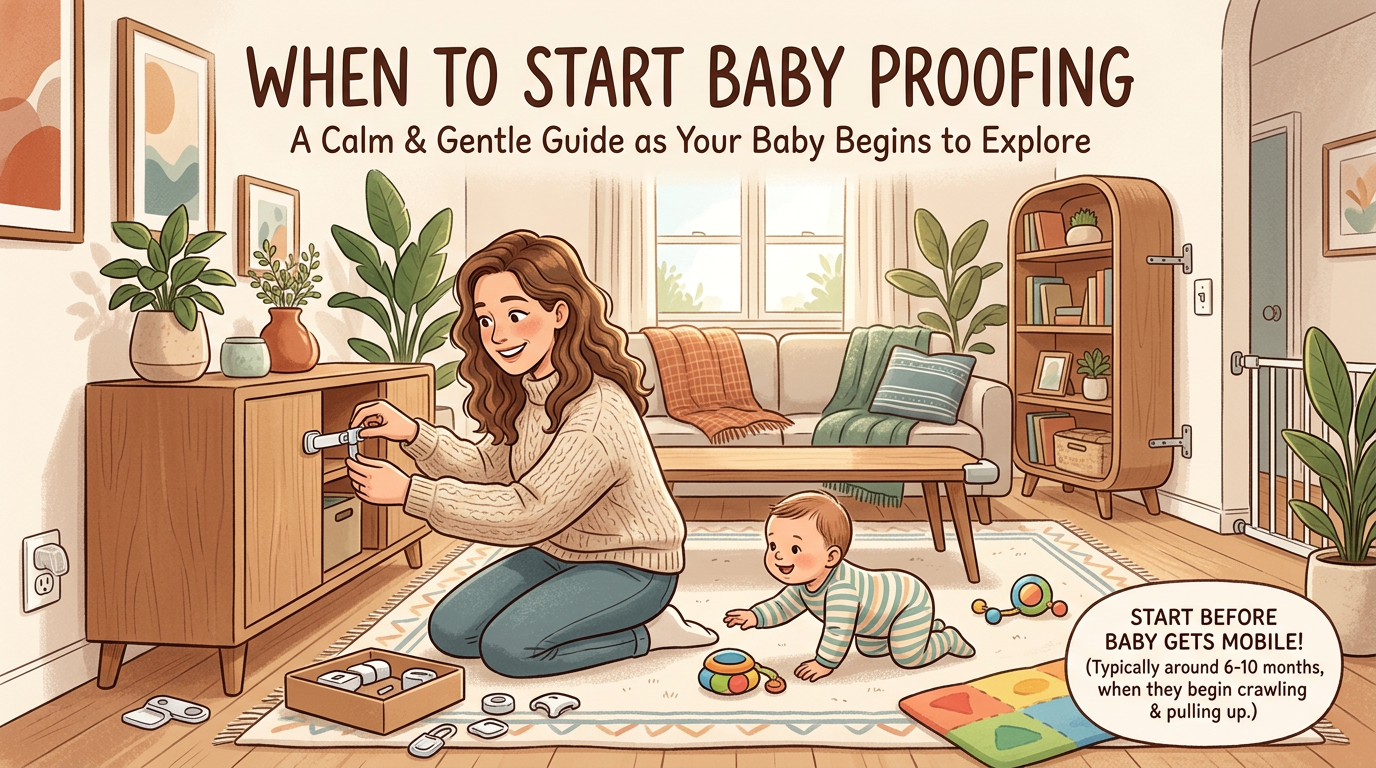
- ✓Plan to spend 20 to 30 minutes doing a safety sweep when you arrive.
- ✓Move, do not just note, any hazards you can relocate temporarily.
- ✓Communicate with hosts or family members ahead of time when possible.
- ✓Accept that travel environments require more active supervision than home.
The 30-minute arrival sweep
A short, repeatable walk-through that covers the hazards most likely to cause serious injury in an unfamiliar space.
Start at the entry and walk the space once at adult height, then once at your child's eye level. Look for what can fall, what can be swallowed, what can pinch, and what can be climbed. Most unfamiliar spaces contain a handful of clear risks and a much larger set of things that are simply new to your child.
Prioritize unstable furniture first. Televisions on dressers, freestanding lamps, and tall bookshelves are frequent tip-over concerns in short-term rentals because they were placed for adults. If something wobbles when you nudge it, move it against a wall or keep your child out of that zone.
Then handle low storage and accessible chemicals. Cleaning supplies under sinks, dishwasher pods, coffee pods, and decorative items with small parts are common finds. Move them up high or into a locked suitcase for the duration of the stay.
Quick checklist
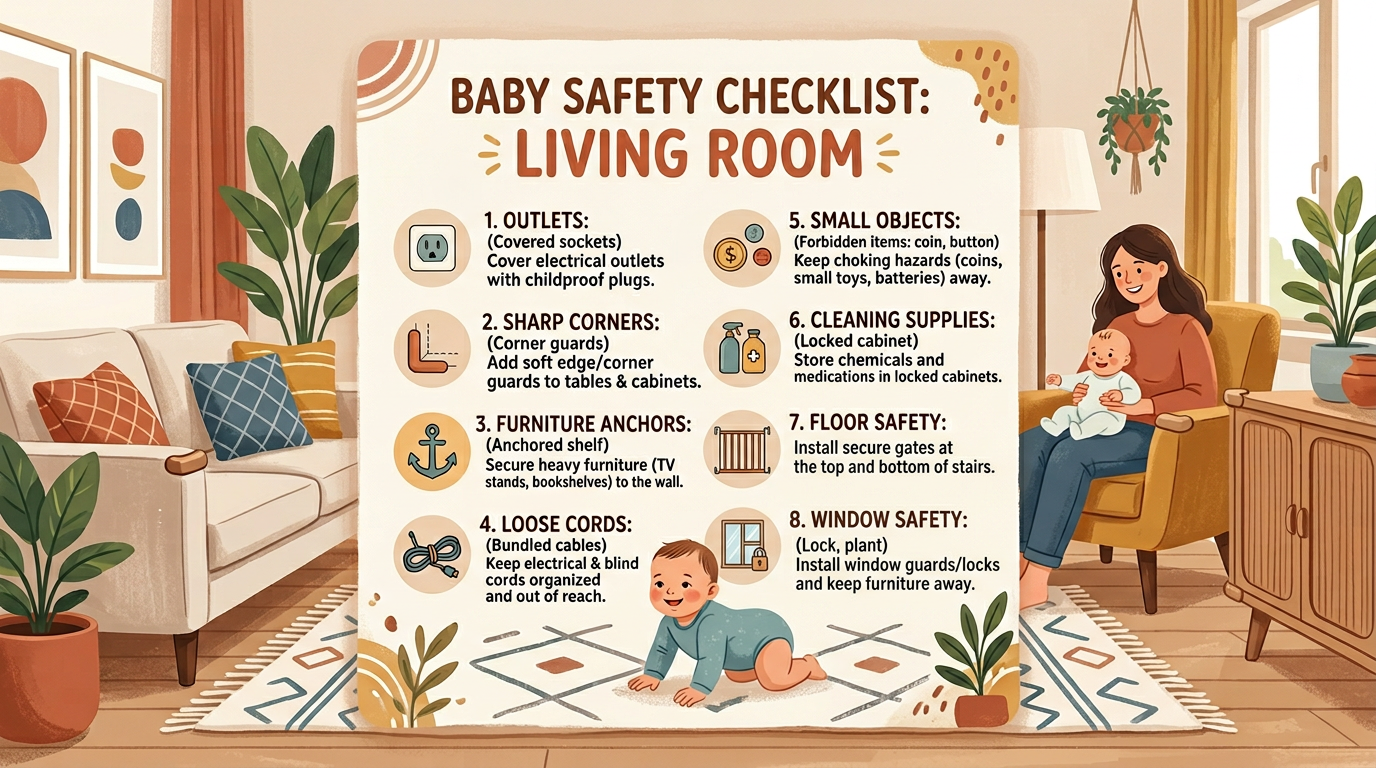
- ✓Scan for unstable TVs, lamps, and bookshelves — relocate or block access.
- ✓Move cleaning supplies, medications, and small decor out of reach.
- ✓Check balcony doors, pool gates, and windows for locks that actually work.
- ✓Note the nearest exits and the layout for nighttime feedings or emergencies.
What to pack in a portable baby proofing kit
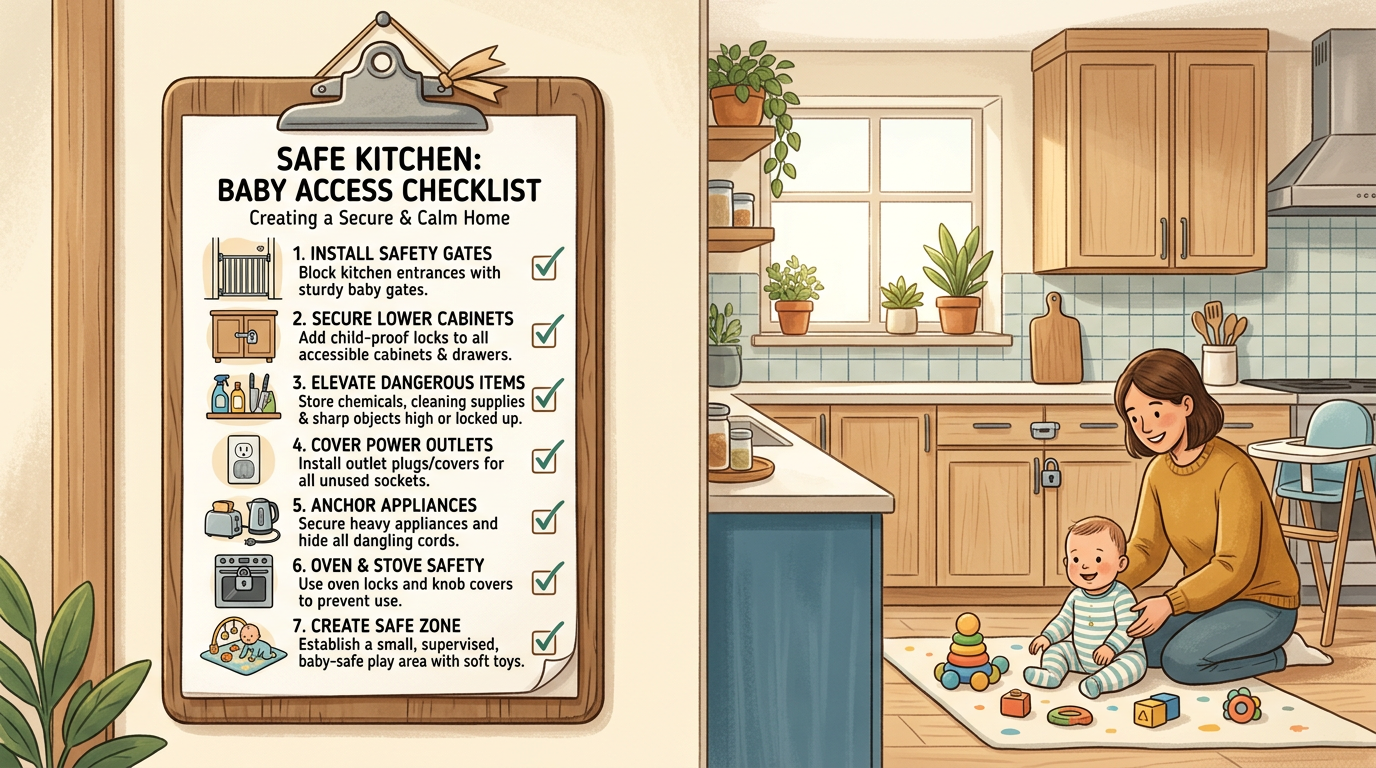
A good travel kit fits into a gallon-sized bag and covers the hazards that show up in almost every space. You do not need a full duplicate of your home setup — you need a small, reliable set of tools that let you improvise quickly.
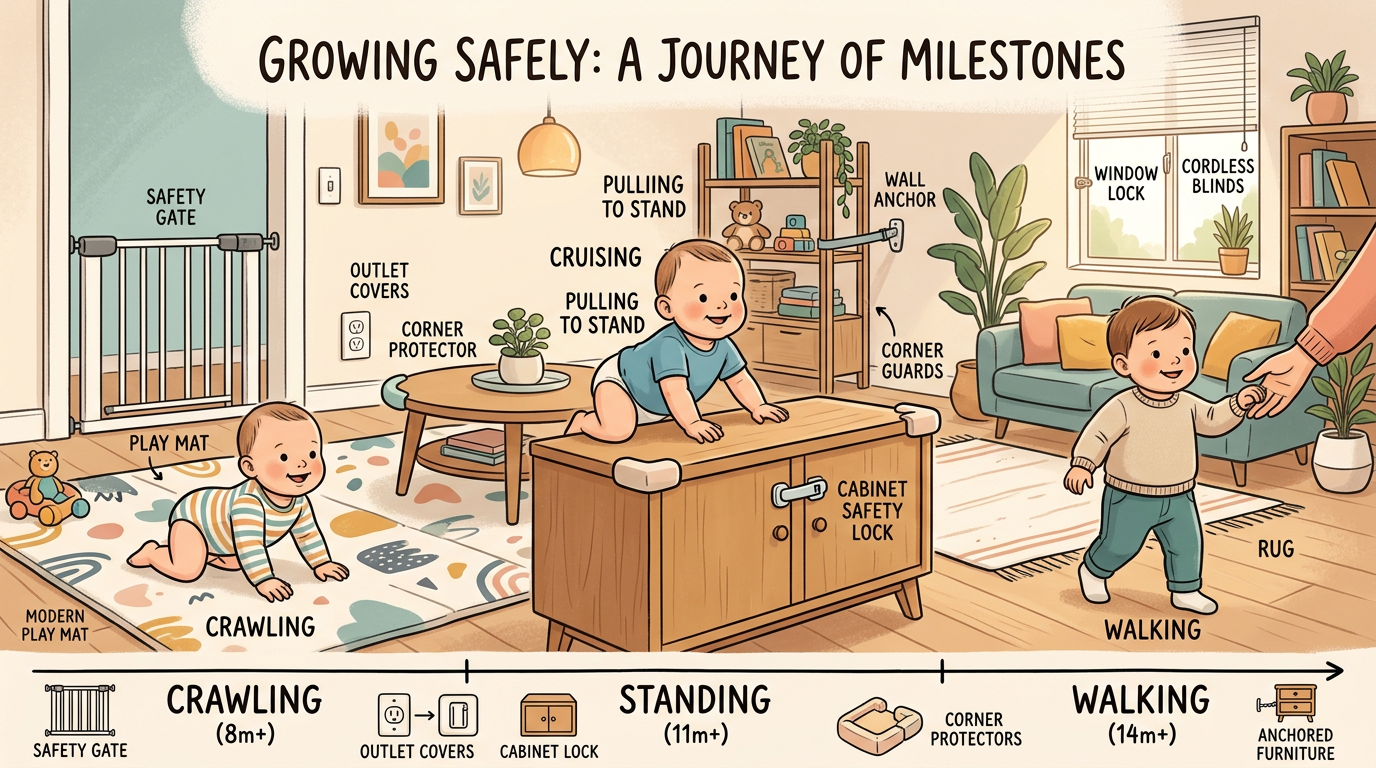
Outlet covers, a few adhesive cabinet locks, corner bumpers, and a short roll of painter's tape cover most hazards for a weekend stay. Add cord winders for blind cords and a door pinch guard or two, and you have handled a surprising share of the risk in a typical hotel room or rental.
For sleep, a portable travel crib is the only reliable answer. Adult beds, pull-out couches, and unfamiliar cribs all introduce suffocation and fall risks that a familiar sleep surface avoids.
Quick checklist
- ✓Outlet plug covers — enough for the main room and where your child will sleep.
- ✓A small pack of adhesive cabinet locks for bathroom and kitchen storage.
- ✓Corner bumpers for coffee tables and low furniture.
- ✓Painter's tape for quick drawer locks and cord management.
- ✓Blind cord winders and a door pinch guard.
- ✓A portable, familiar sleep surface such as a travel crib.
Grandparents' houses and family homes
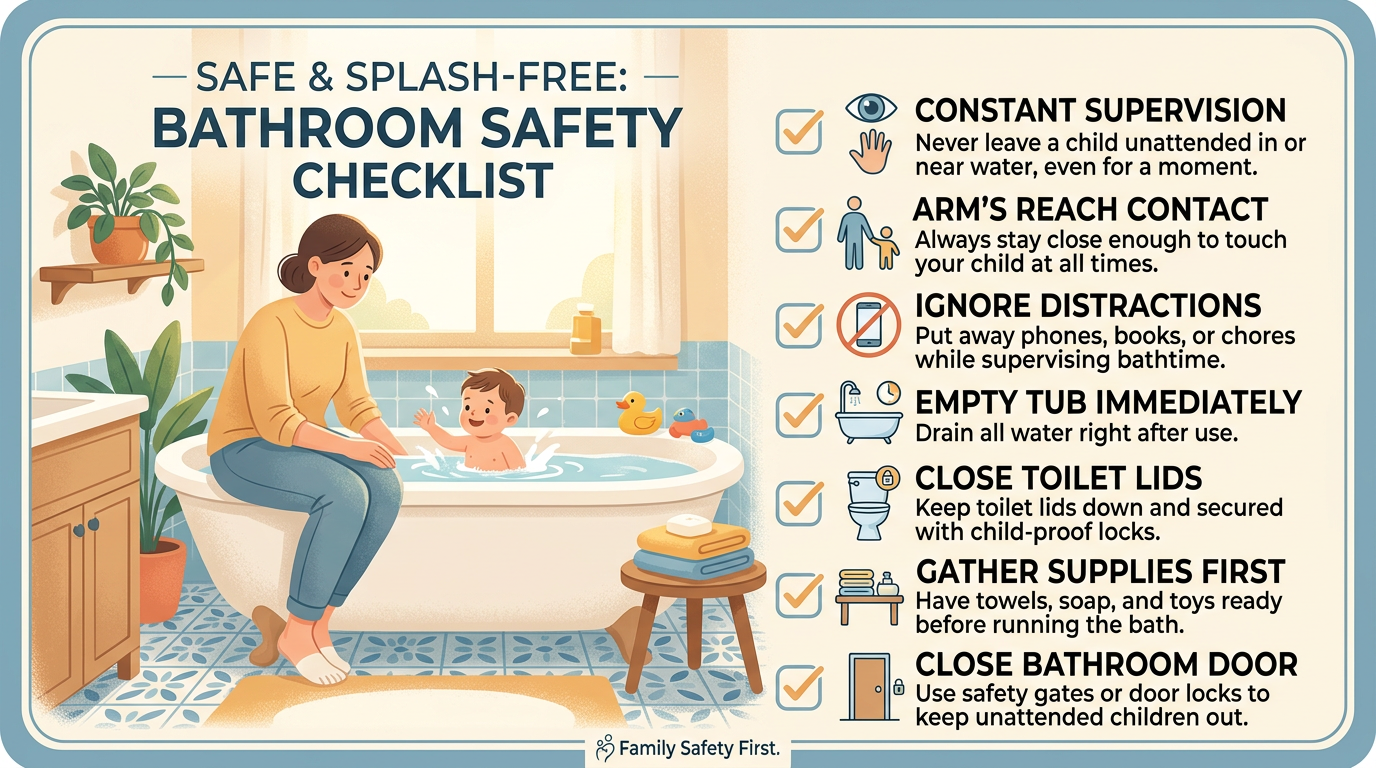
Family homes often feel the safest because they are familiar to you, but they are usually set up for adults and may contain medications, vitamins, or choking hazards left on low surfaces. A gentle conversation before the visit about where things will be stored for the stay saves stress on arrival.
Ask about medications first. Pill bottles on nightstands, daily pill organizers, and loose supplements are among the most common serious exposures for toddlers in relatives' homes. Moving them to a locked drawer or a high shelf for the duration of your visit is a simple, high-impact change.
For longer stays, consider bringing a couple of adhesive cabinet locks and a pressure-mounted gate for any stair area. Hosts generally appreciate specific, temporary installs more than a long list of requests.
Quick checklist
- ✓Ask about medications, vitamins, and loose small objects before arrival.
- ✓Bring a pressure-mounted gate for any stairs if your stay is longer than a night.
- ✓Agree in advance on one or two rooms that will be your safe default.
- ✓Thank hosts for their flexibility — relationships matter as much as the gear.
Frequently asked questions
Most parents can handle a reasonable safety sweep in 20 to 30 minutes when they have a compact kit and a clear checklist. Larger rentals or homes with stairs may take a bit longer.
Many hotels offer cribs on request, but quality and cleanliness vary. Traveling with a familiar portable travel crib is the most reliable way to keep sleep safe on the road.
Framing the changes as temporary and specific usually avoids any friction. Most family members would rather hear a direct request than have a close call during the visit.
Scan for unstable or unsecured furniture that your child could pull over, especially televisions and tall dressers. Tip-overs cause some of the most serious preventable injuries in unfamiliar spaces.
Featured products
Affiliate linksProducts that support this guide
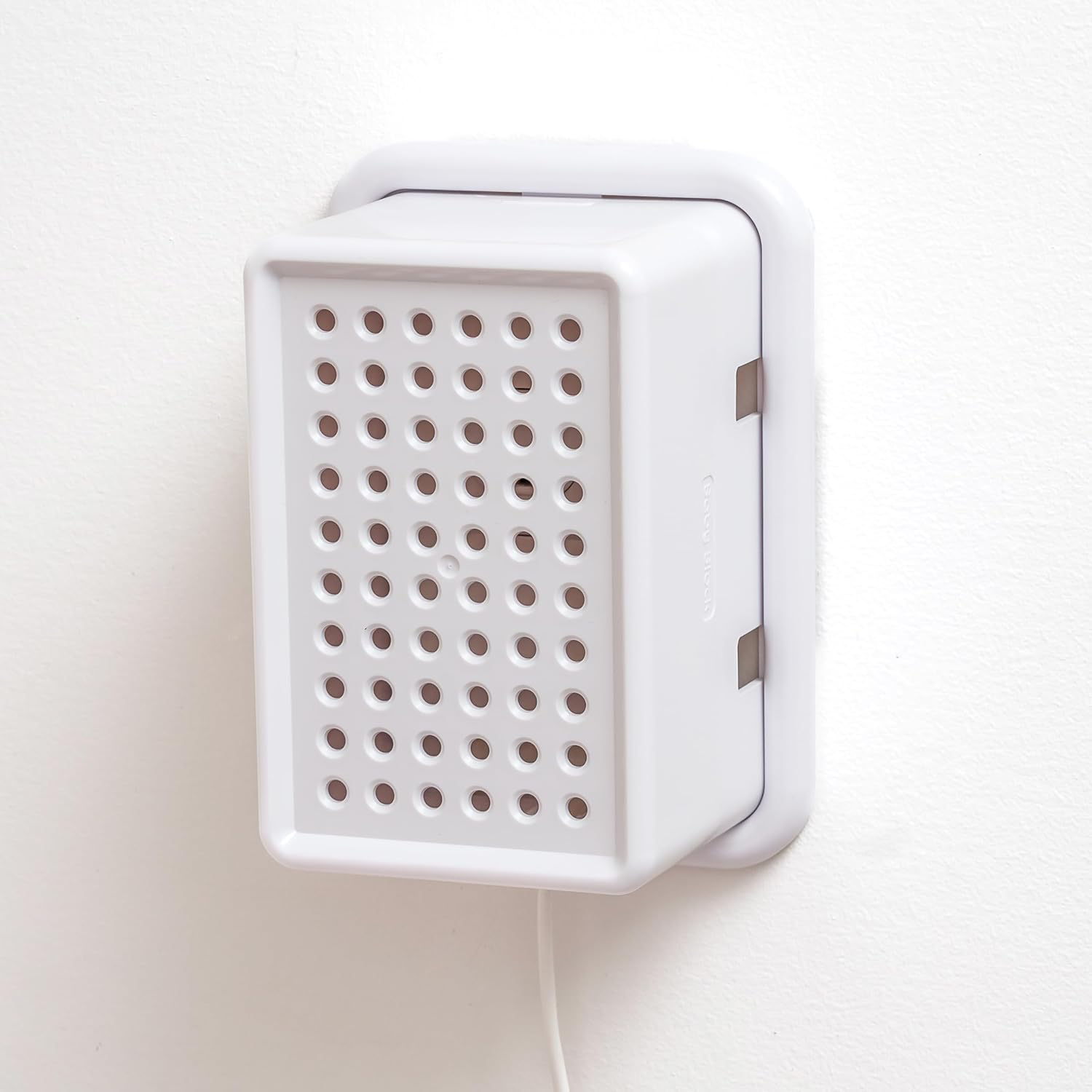
Outlet Plug Covers (24-Pack) Childproof Socket Protectors
Simple press-fit outlet caps that block unused electrical sockets from curious little fingers.
View product→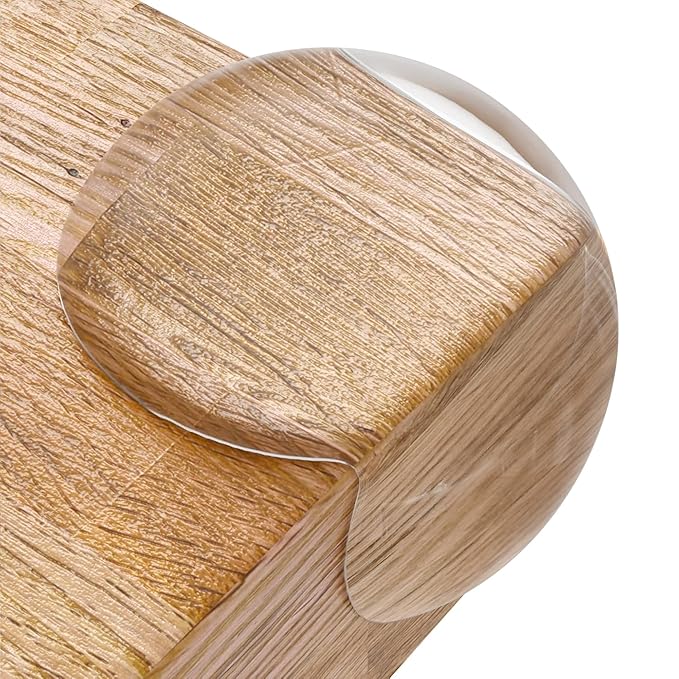
12-Pack Corner Protectors Baby Proof, Furniture Corner and Edge Safety Bumpers
Soft foam corner guards with 3M adhesive backing to cushion sharp furniture edges.
View product→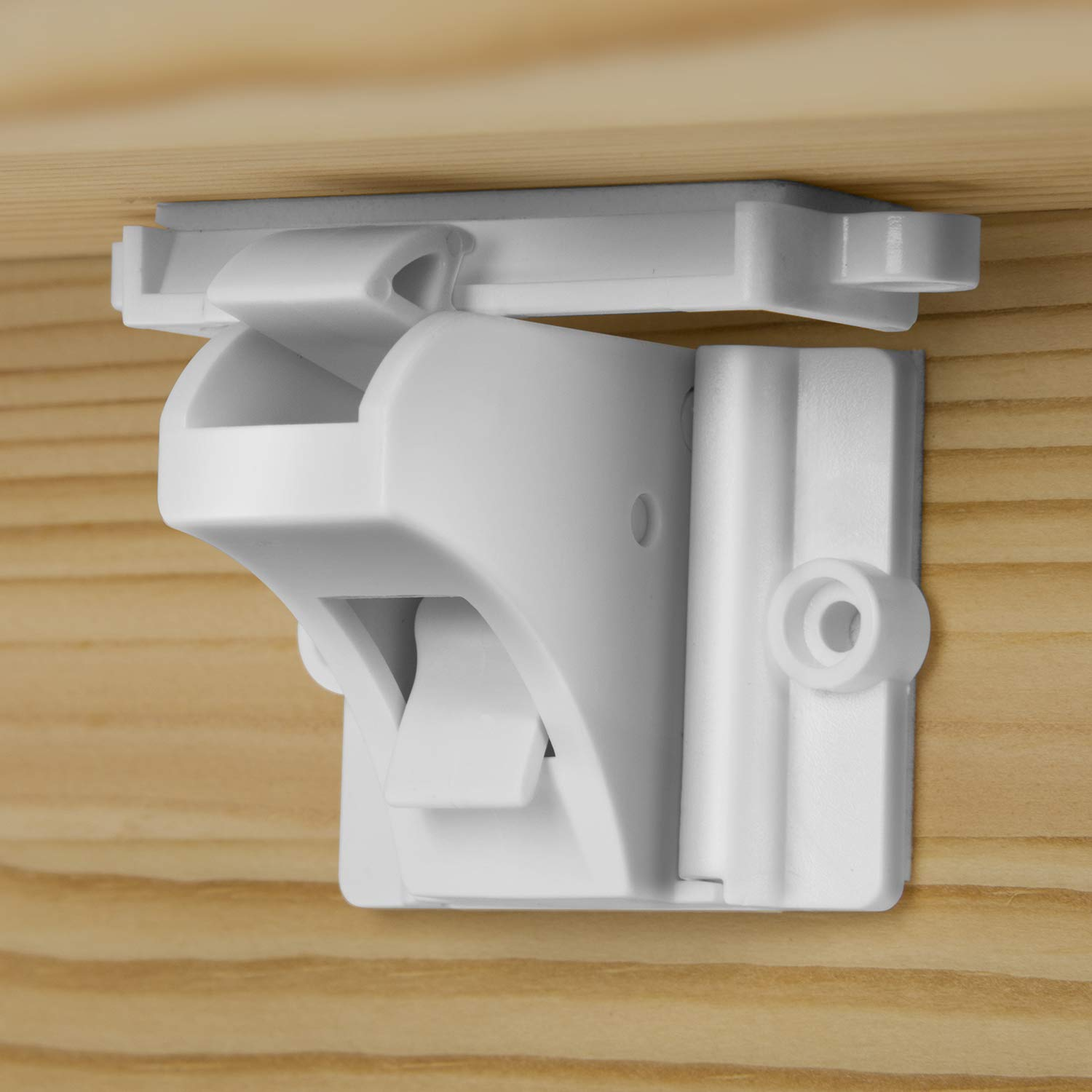
Vmaisi 20 Pack Magnetic Cabinet Locks Baby Proofing
Hidden magnetic cabinet locks that install inside cabinets and drawers for a clean look. Opened with a magnetic key, adhesive installation with no drilling required. 20-pack with keys included.
View product→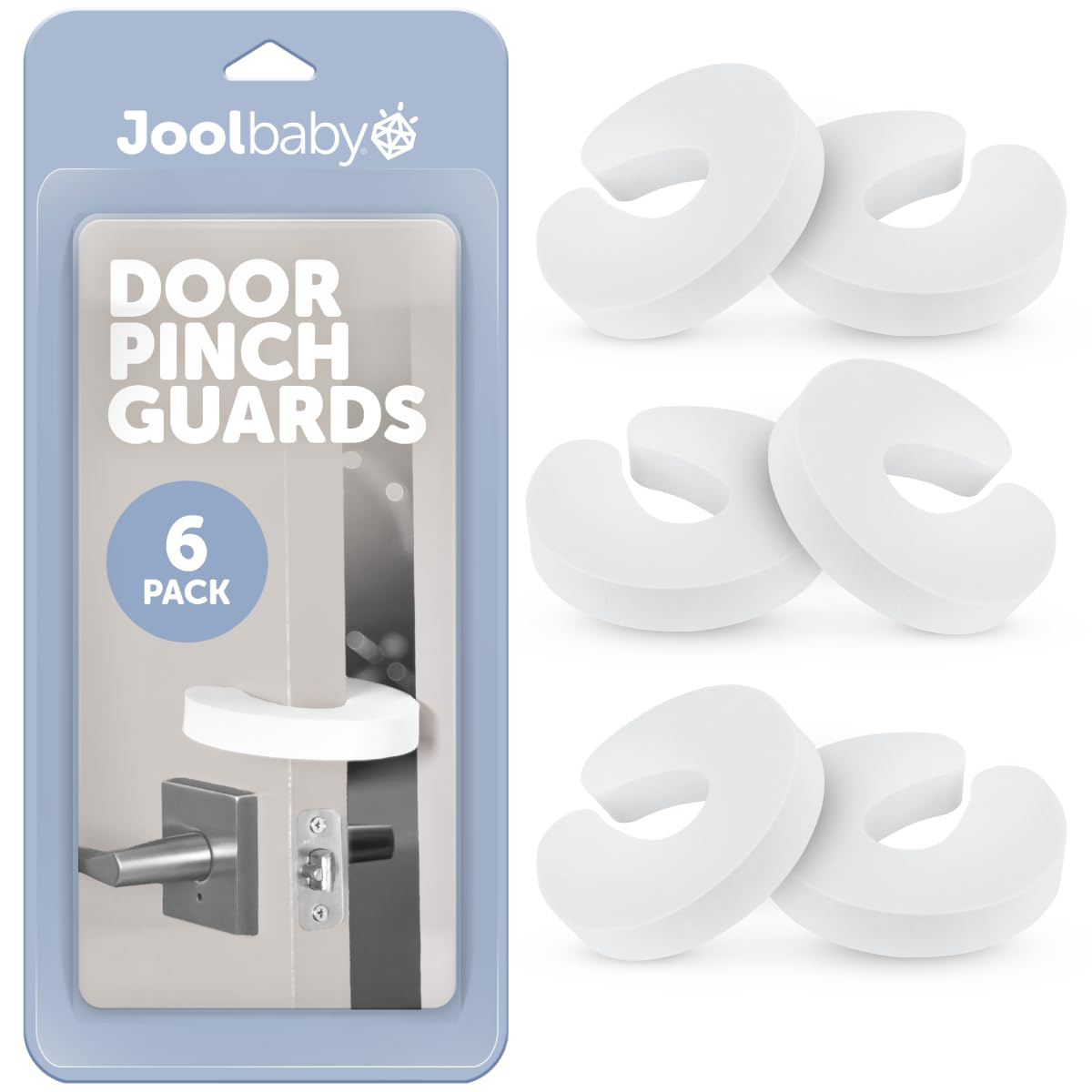
Jool Baby Door Pinch Guards (6 Pack)
Soft EVA foam door stoppers that prevent doors from fully closing, protecting little fingers from getting pinched. Also prevents door slamming and keeps pets from getting locked in rooms.
View product→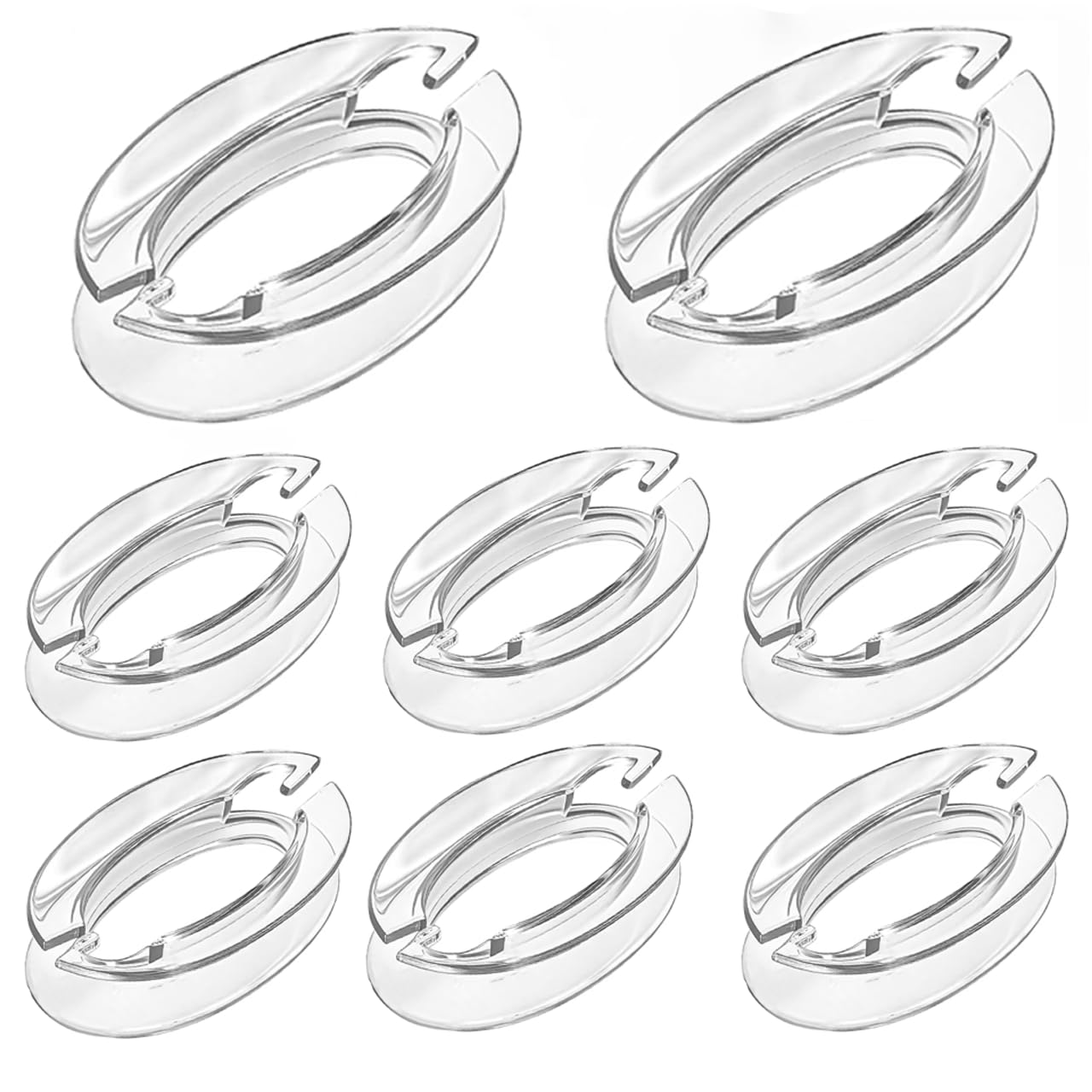
Dreambaby Blind Cord Wind-Ups
Helps keep dangling blind cords out of reach of children to prevent entanglement.
View product→Last reviewed
Sources used for this guide
Reviewed on April 18, 2026. This content is educational and practical, but it is not a substitute for professional safety inspections or medical advice.
U.S. Consumer Product Safety Commission
Childproofing your home: 12 safety devices to protect childrenU.S. Consumer Product Safety Commission
Anchor It! furniture tip-over safetyHealthyChildren.org / American Academy of Pediatrics
Make Baby's Room Safe