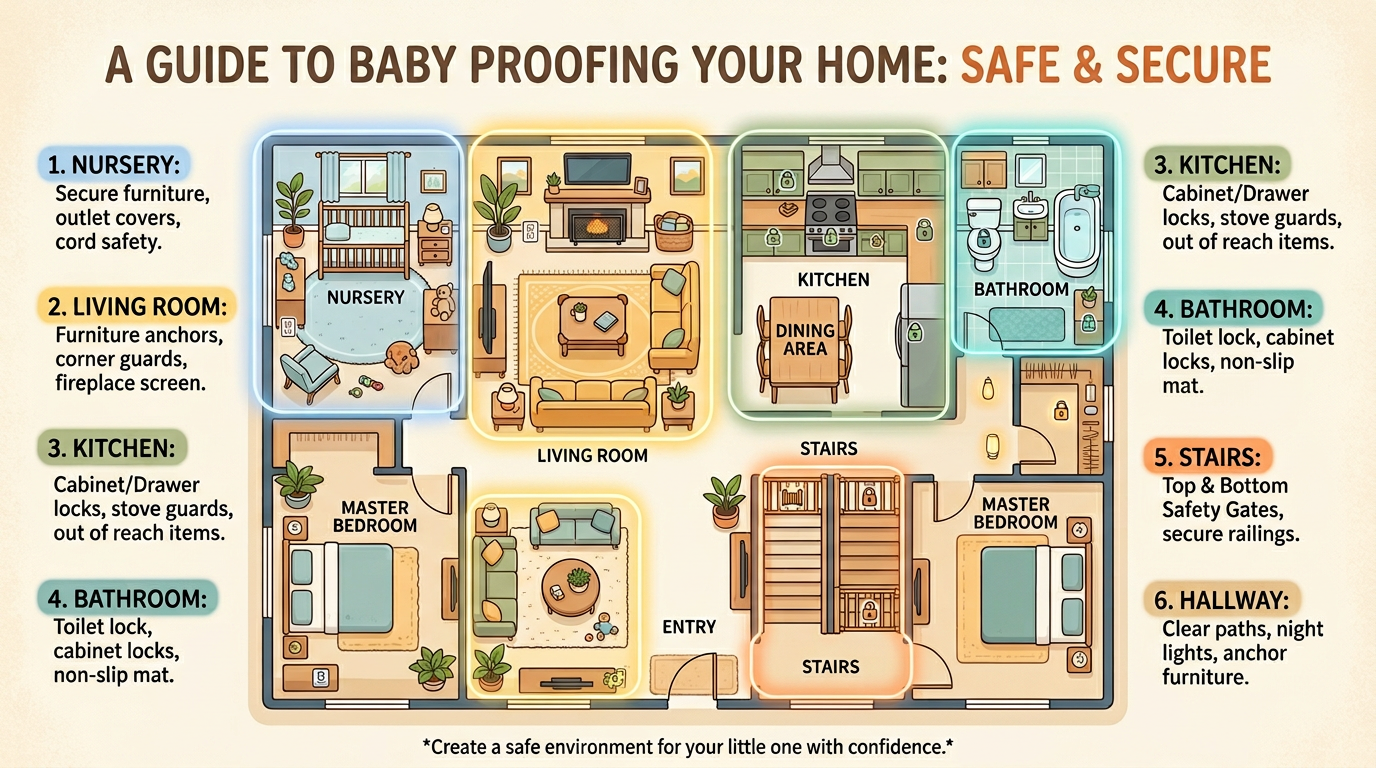
How each style of cabinet lock actually works
Adhesive strap locks attach to the outside of two adjacent doors or to a drawer face and the cabinet frame. A flexible strap connects the two pads, and a release button lets the strap detach so the cabinet can open. Because nothing is drilled, the lock can be moved or removed and replaced if it loses adhesion over time.
Magnetic cabinet locks install on the inside of the cabinet using small screws or strong adhesive. The latch sits hidden behind the door, and a separate magnetic key — usually placed on the outside of the door — pulls the latch back so the cabinet can open. From the front, a cabinet with a magnetic lock looks completely unmodified.
Both styles are designed to address the same core risk: a curious child opening a low cabinet that contains cleaning supplies, medications, sharp utensils, or other items that should not be within easy reach. Each does that job effectively when installed correctly.
Where each style tends to fit best
Adhesive strap locks are usually the simplest answer for renters, for cabinets with unusual hardware, and for households that want to install a lock in under a minute and remove it just as quickly. They also tend to work on a wider range of surfaces, including drawers, oven doors, refrigerator doors, and toilet lids.
Magnetic locks tend to fit best in long-term homes where the visual look of the kitchen matters, where guests open cabinets often (and a strap lock would feel awkward to explain), or where toddlers have already learned to manipulate strap-style releases. Because the latch is hidden, there is also nothing for a determined climber to pry on.
Some families end up with a mix: magnetic locks on the highest-priority cabinets that store cleaners and medicines, and adhesive strap locks on lower-risk cabinets and on items like the oven and fridge where strap locks excel.
Quick checklist
- ✓Choose magnetic locks for cabinets you want to look untouched from the outside.
- ✓Choose strap locks for non-cabinet uses like oven doors, fridges, and toilets.
- ✓Test the cabinet door with a sample lock before buying a full set.
- ✓Keep at least two magnetic keys per home and store one in a consistent place.
Installation, maintenance, and what to watch for
Adhesive locks rely on a clean, smooth surface. Wipe the area with isopropyl alcohol, let it dry fully, and press the pads firmly for the time the manufacturer recommends. Cabinets with textured paint, peeling laminate, or oily kitchen residue are the most common cause of strap locks that fail after a few weeks.
Magnetic locks generally last longer and are less sensitive to surface conditions, but they require careful placement. The latch must align with the strike plate, and the door must close fully without bouncing. A small misalignment can cause the lock to disengage or the door to feel loose. Most kits include a paper template; using it is well worth the extra two minutes.
Both styles benefit from a short check every few months. Tug each lock to confirm it still holds, replace adhesive that has come loose, and tighten any screws on magnetic mounts. Locks that have been ignored for a year are the ones most likely to surprise a parent at the wrong moment.
Quick checklist
- ✓Clean and fully dry surfaces before applying any adhesive lock.
- ✓Use the included template when installing magnetic locks.
- ✓Re-test every cabinet lock during a quarterly home safety walk.
- ✓Replace any lock that has lost grip rather than relying on it.
Choosing the style that matches your home and routine
The honest answer is that either style is suitable for most homes when chosen and installed thoughtfully. The better question is which style your household will actually use correctly. A magnetic lock that frustrates a caregiver may end up propped open. A strap lock that does not match your cabinet style may be removed during a tidy.
If you rent, move often, or have a small set of cabinets to secure, strap locks are usually the lower-friction choice. If you own your home, want a clean visual look, and plan to baby proof for several years, magnetic locks tend to feel worth the slightly higher upfront effort. Either way, focus first on the cabinets storing medications, cleaners, and sharp tools — those are the ones where the lock matters most.
Frequently asked questions
Both styles are designed to address the same risk and both can perform well. Magnetic locks tend to last longer because they are screwed in, but a properly installed strap lock works just as reliably. The safer option is the one your household installs correctly and uses consistently.
They work best on cabinets with a flat inside frame and a door that closes flush. Cabinets with overlay doors, unusual hinges, or thin frames may not have enough mounting space. Strap locks are usually a better fit in those cases.
Quality adhesive locks usually remove cleanly with a hairdryer or warm cloth, leaving little to no residue. Older paint, soft veneer, or low-quality finishes are more likely to be affected. Test removal on a hidden spot before committing to a full set.
Most kits include two or three keys, and replacements are usually available from the same brand. Keep one key in a consistent place out of a child's reach and a backup somewhere unrelated, like a kitchen drawer that is itself locked.
Some learn to release the buttons over time, especially around age three. If that happens, switching the highest-risk cabinets to magnetic locks or relocating the items inside is reasonable. No single device replaces secure storage of medications and cleaners.
Not necessarily. Locking everything can lead to caregivers leaving locks open out of frustration. Prioritize cabinets with cleaners, medicines, sharp tools, breakables, and small choking hazards, and consider leaving safe cabinets — like one with plastic containers — accessible.
Featured products
Affiliate linksProducts that support this guide
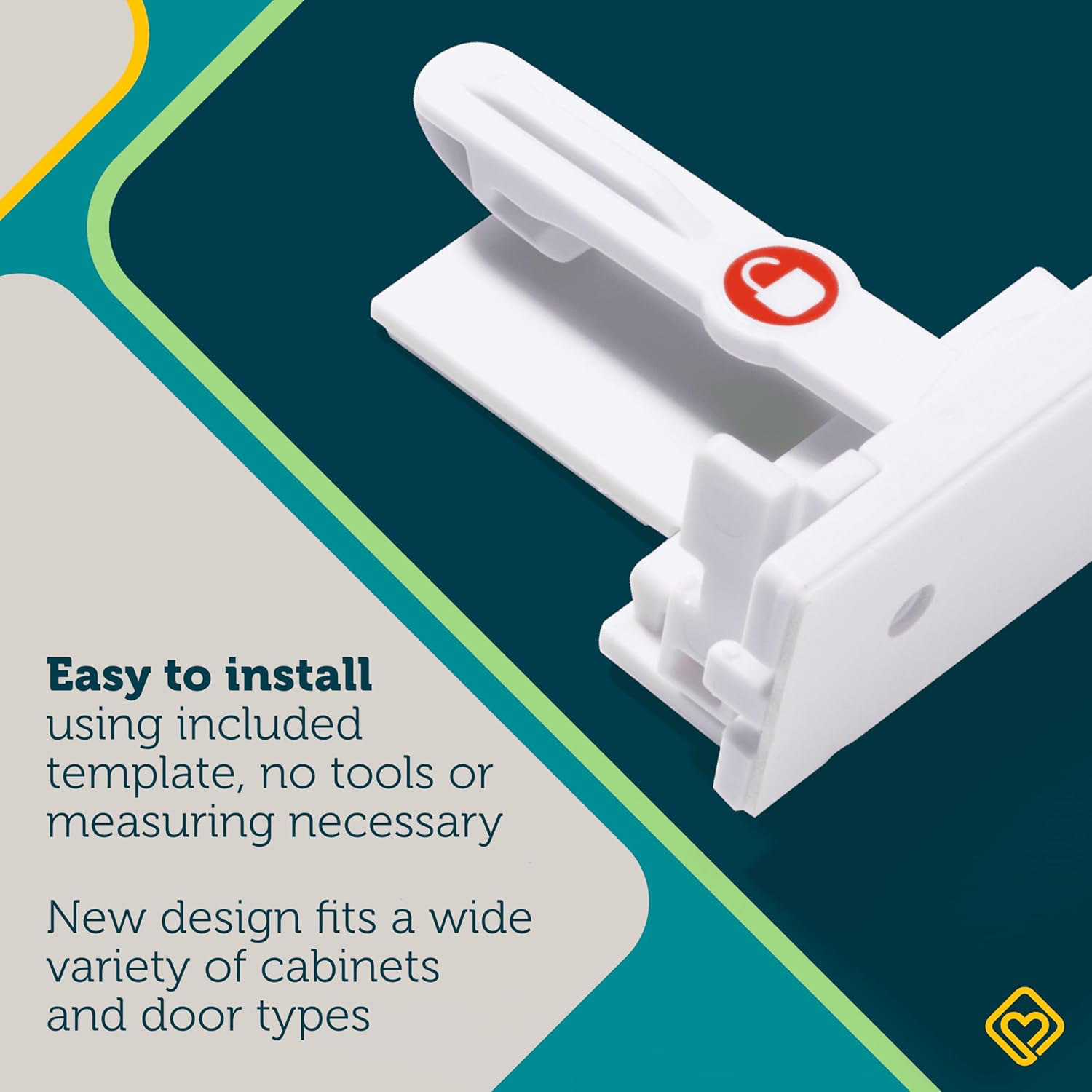
Adhesive Cabinet Locks (4-Pack) for Baby Proofing
Internal adhesive cabinet latches that help prevent toddlers from opening doors and drawers.
View product→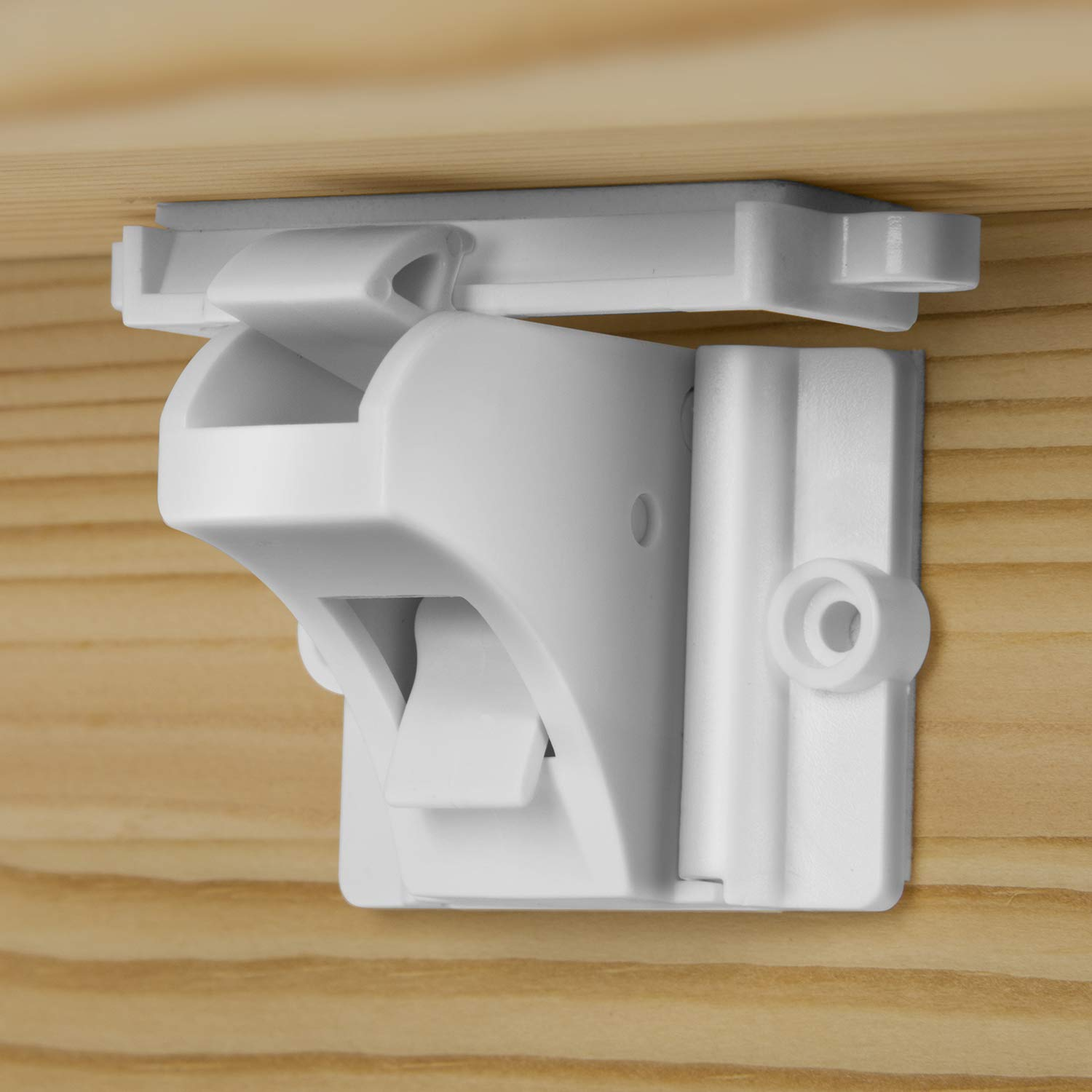
Vmaisi 20 Pack Magnetic Cabinet Locks Baby Proofing
Hidden magnetic cabinet locks that install inside cabinets and drawers for a clean look. Opened with a magnetic key, adhesive installation with no drilling required. 20-pack with keys included.
View product→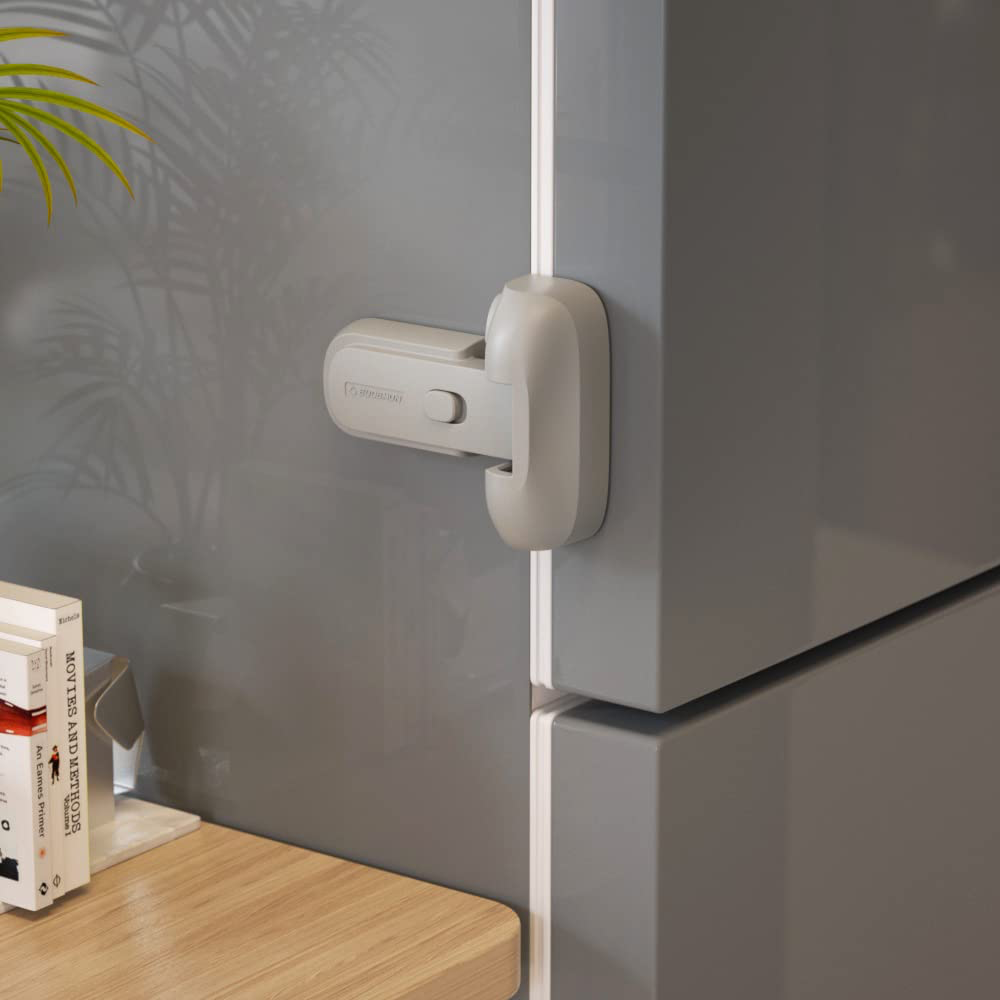
5 Pack Child Proof Refrigerator Lock, Baby Proofing Cabinet Locks, Oven Lock Child Safety, Fridge Lock, for Fridge, Drawers, Dishwasher, Oven, Cupboard, Closet, Adhesive, No Tools Need
Adhesive 5-pack of multi-use child safety latches for refrigerators, cabinets, drawers, dishwashers, ovens, and cupboards.
View product→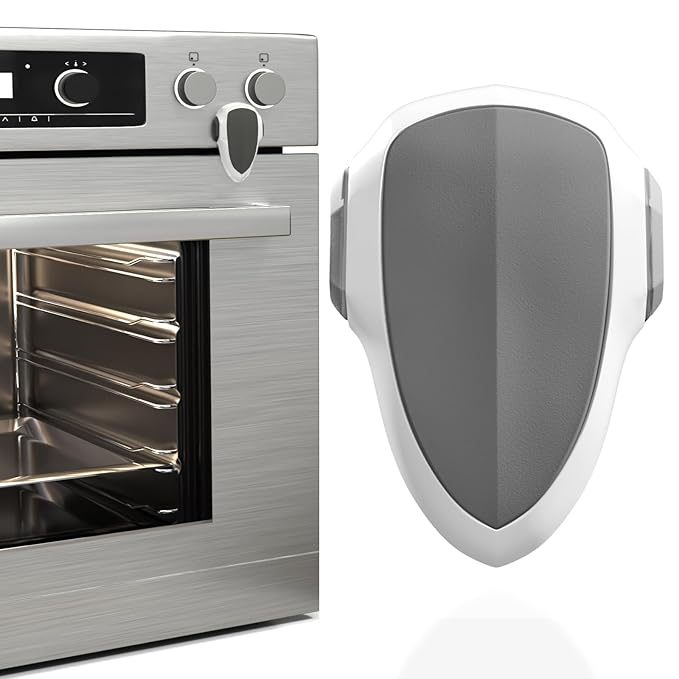
BABY PROOF ME Oven Lock Child Safety
Adhesive child-safety oven door lock with a rotating latch and adult two-button release.
View product→Last reviewed
Sources used for this guide
Reviewed on April 22, 2026. This content is educational and practical, but it is not a substitute for professional safety inspections or medical advice.
U.S. Consumer Product Safety Commission
Childproofing your home: 12 safety devices to protect childrenHealthyChildren.org / American Academy of Pediatrics
Safety for Your Child: 6 to 12 MonthsSafe Kids Worldwide
Protecting children in your home