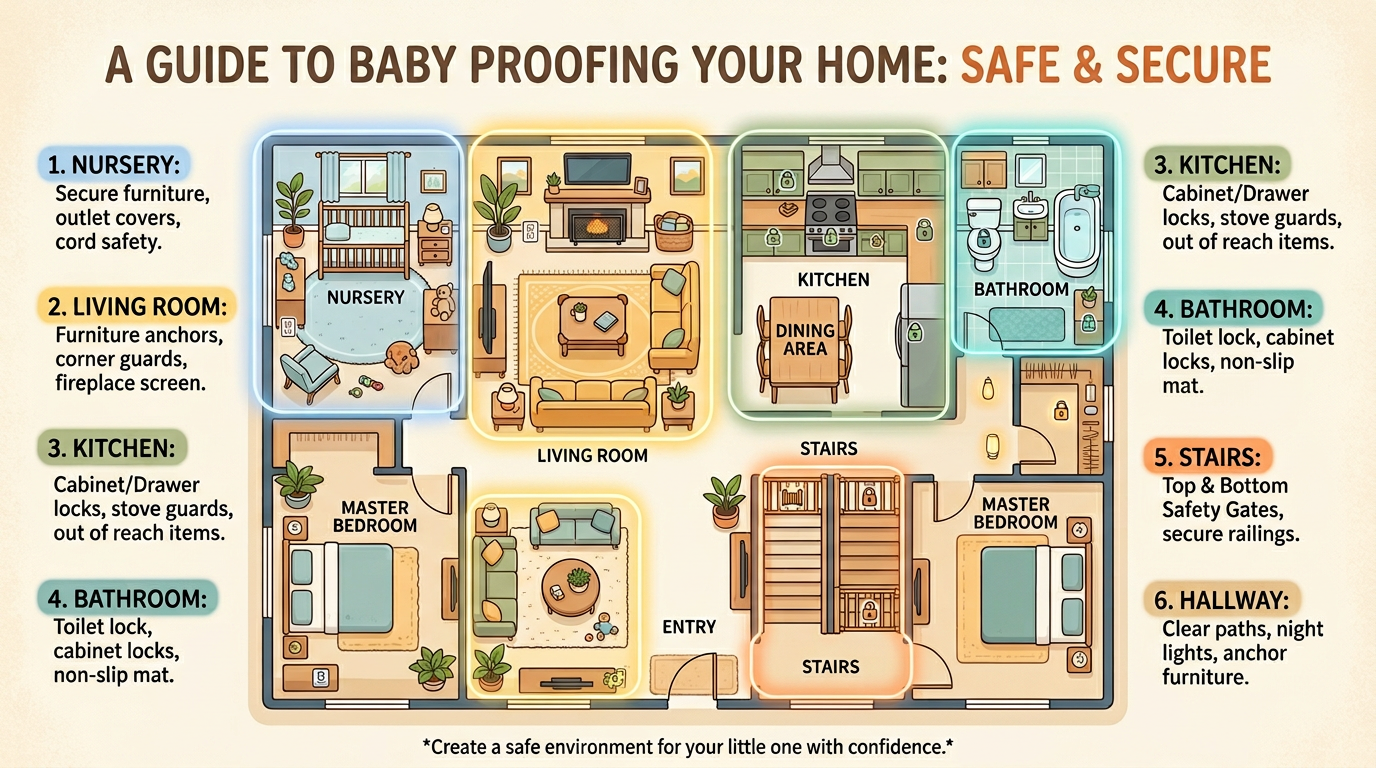
What belongs in a basic baby and toddler first aid kit
A baby first aid kit does not need to be elaborate. The goal is to make routine care easy at 2 a.m. without having to search the house. A small zipped pouch or labeled box with a handful of items covers most situations: a digital thermometer, infant or child acetaminophen and ibuprofen if age-appropriate, a small bottle of saline drops, a nasal aspirator, a few bandages in different sizes, gauze pads, medical tape, antibiotic ointment, tweezers, and small blunt-tip scissors.
Add a printed card with your child's name, date of birth, weight, allergies, current medications, the pediatrician's number, the local poison control number, and your home address. In a stressful moment, having that information already written down is more useful than any single product.
Keep the kit in a consistent location that adult caregivers can reach but a child cannot. A high cabinet near the kitchen or in a hallway closet works well. Many families keep a smaller travel version in the diaper bag and a simpler one at grandparents' house.
Quick checklist
- ✓Digital thermometer, saline drops, nasal aspirator, and basic bandages.
- ✓Age-appropriate acetaminophen and ibuprofen with a current dosing chart.
- ✓Antibiotic ointment, gauze, medical tape, tweezers, and blunt-tip scissors.
- ✓A printed card with medical info, pediatrician number, and poison control.
Knowing who to call and when
For most childhood incidents, the first call is to your pediatrician's nurse line. They can talk through symptoms, advise on whether a visit is needed, and help you decide between waiting it out, an urgent care visit, or the emergency room. Saving the after-hours number in your phone in advance prevents fumbling later.
Poison control is the right call for any suspected ingestion of a medication, household product, plant, or unknown substance — even when the child seems fine. In the United States, the national line is 1-800-222-1222. Operators will ask the child's age, weight, and what was ingested, and will give clear guidance, including when home monitoring is enough and when to head in.
Call 911 for serious symptoms: trouble breathing, persistent unresponsiveness, a seizure that has not stopped, severe bleeding that will not stop with pressure, a serious head injury with vomiting or unequal pupils, or a fall from significant height with concerning symptoms. When in doubt about a high-stakes situation, calling is always the right move.
Quick checklist
- ✓Save the pediatrician's after-hours number in your phone.
- ✓Save 1-800-222-1222 (U.S. poison control) in your contacts.
- ✓Know which symptoms warrant a 911 call rather than a phone consultation.
Common incidents and a calm response
Bumped heads are common in the toddler years. Most are minor and resolve with comfort and an ice pack. Watch for repeated vomiting, unusual sleepiness that you cannot rouse with normal stimulation, persistent crying, or any loss of consciousness. Those are pediatrician-call symptoms, and 911 if severe.
Small cuts and scrapes are usually fine to clean with cool water, dab dry, apply a small amount of antibiotic ointment, and cover with a bandage. Bigger wounds — gaping cuts, bleeding that does not slow with pressure, or anything caused by a rusty or contaminated object — deserve a call to the pediatrician.
Burns from hot drinks, oven doors, or curling irons are unfortunately common. For minor burns, cool the area under cool (not cold) running water for 10 to 20 minutes and cover loosely. Avoid ice, butter, or home remedies. Any burn larger than a quarter, on the face, hands, or genitals, or that blisters significantly is a medical visit.
Suspected ingestion is one of the highest-stress scenarios. If you find an open medication bottle, an empty cleaner cap, or a chewed plant leaf, call poison control before doing anything else. Do not induce vomiting unless directed. Bring the container or a photo when you call so the operator can give exact guidance.
Quick checklist
- ✓For head bumps, watch for vomiting, abnormal sleepiness, or unequal pupils.
- ✓For burns, cool with running water for 10–20 minutes and avoid home remedies.
- ✓For suspected ingestion, call poison control immediately and do not induce vomiting.
Training, refresh, and the role of prevention
Infant and child CPR classes are widely available through hospitals, fire departments, and community centers. A short class — often 90 minutes — covers what to do for a non-breathing infant, choking response, and when to start chest compressions. Most parents take it once and find that what sticks is the calm sequence of steps, not memorized timing.
A first aid kit benefits from a calendar reminder twice a year. Check expiration dates on medications, replace used bandages, and refresh the printed medical card to reflect your child's current weight. The kit you assembled at six months may have expired bottles by the time your child is two.
Most importantly, prevention does much of the work. The locks, anchors, gates, and storage habits in this site are not separate from first aid; they are why most days do not need it. A calm, prepared home is the goal, and a small kit is one piece of it.
Quick checklist
- ✓Take an infant and child CPR or first aid course at least once.
- ✓Check the kit twice a year for expirations and missing items.
- ✓Update the medical info card as the child grows.
Frequently asked questions
A digital thermometer, saline drops, nasal aspirator, age-appropriate acetaminophen and ibuprofen, bandages, gauze, antibiotic ointment, tweezers, and a card with medical and emergency contact information.
Call poison control any time you suspect your child has ingested a medication, household product, plant, or unknown substance — even if they seem fine. In the U.S., the national number is 1-800-222-1222.
Call 911 or go to the ER for trouble breathing, persistent unresponsiveness, a seizure that has not stopped, severe bleeding, a serious head injury with vomiting or unequal pupils, or a significant fall with concerning symptoms.
It is not required, but it is one of the highest-value short classes a new parent can take. Most communities offer 60 to 90 minute infant and child CPR classes through hospitals or fire departments.
Featured products
Affiliate linksProducts that support this guide
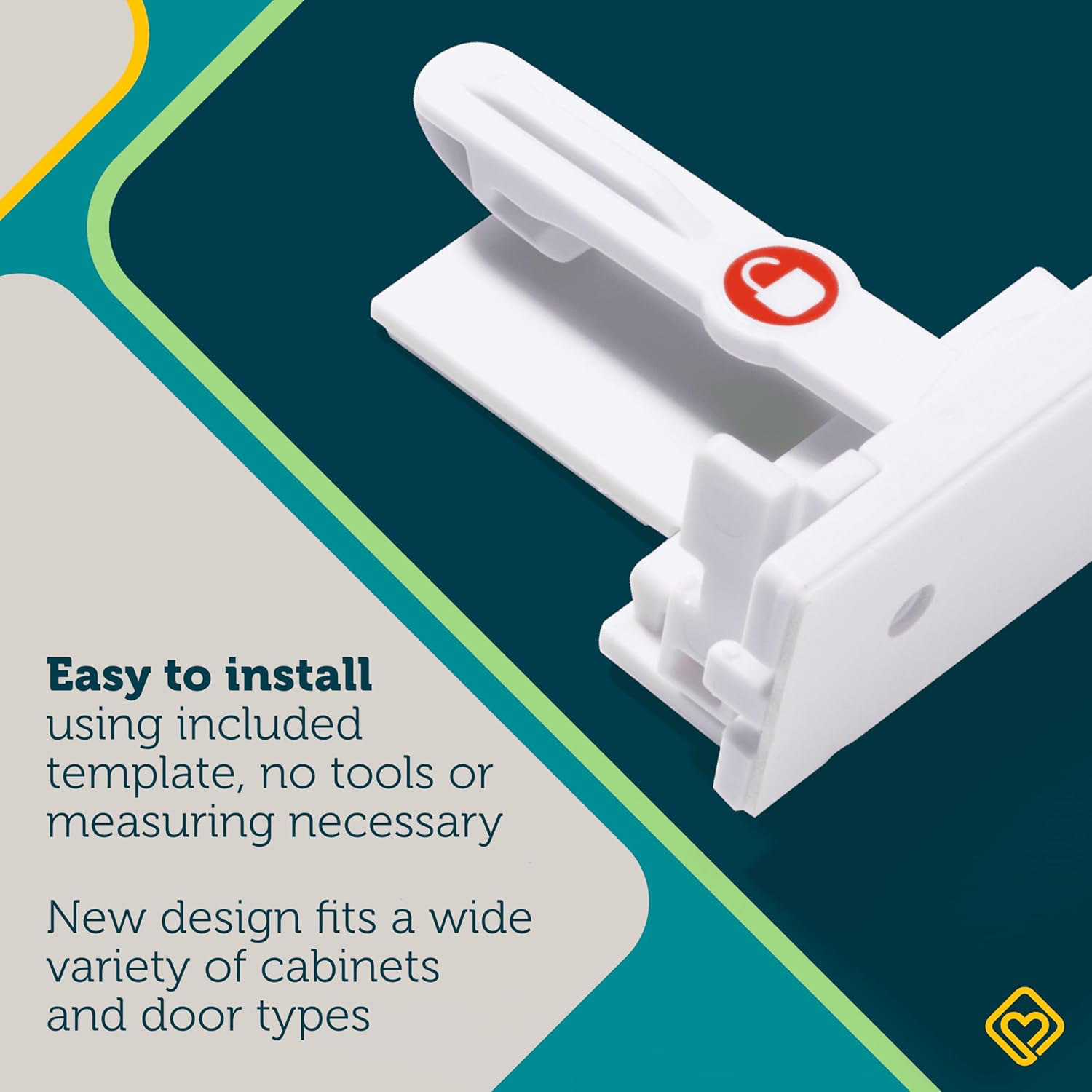
Adhesive Cabinet Locks (4-Pack) for Baby Proofing
Internal adhesive cabinet latches that help prevent toddlers from opening doors and drawers.
View product→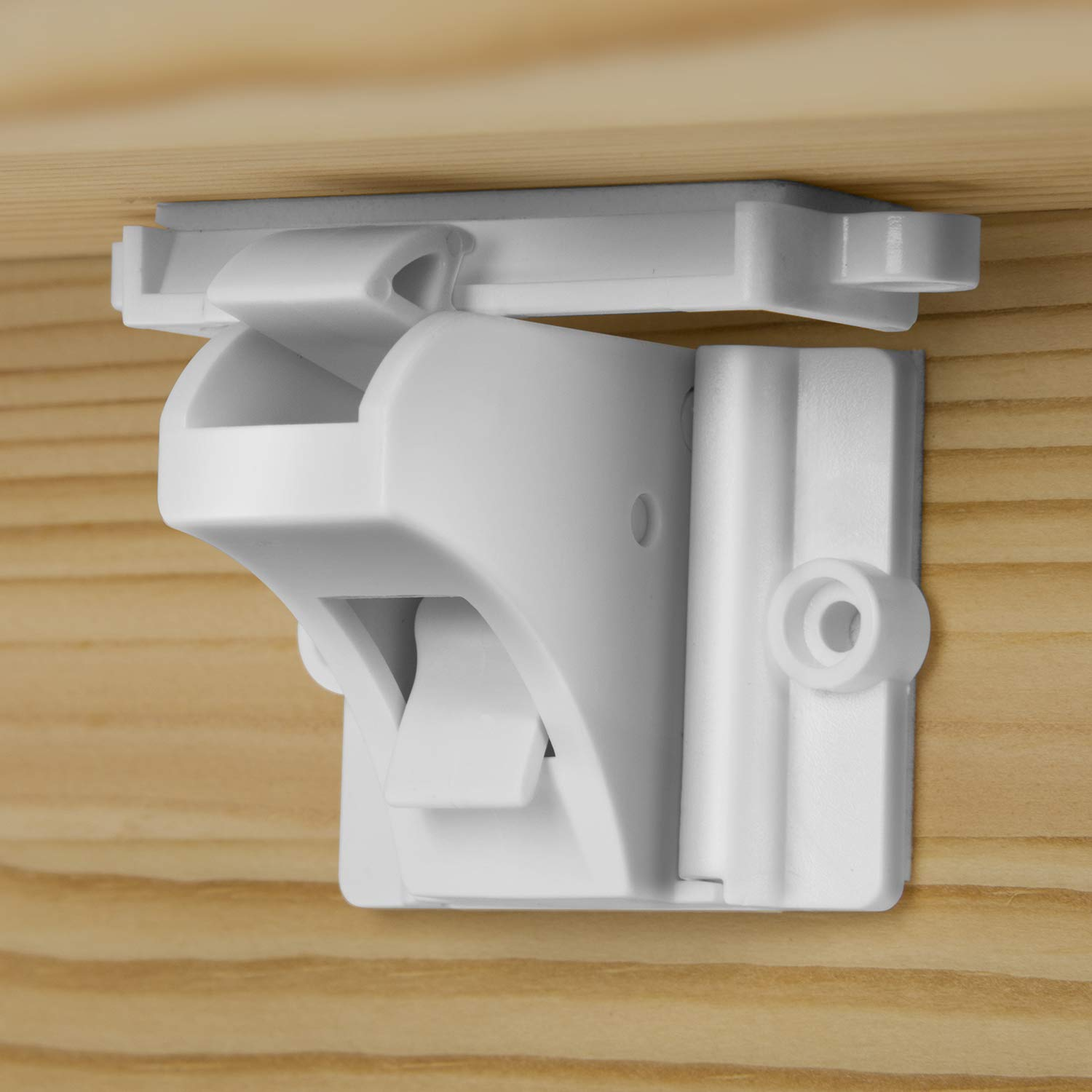
Vmaisi 20 Pack Magnetic Cabinet Locks Baby Proofing
Hidden magnetic cabinet locks that install inside cabinets and drawers for a clean look. Opened with a magnetic key, adhesive installation with no drilling required. 20-pack with keys included.
View product→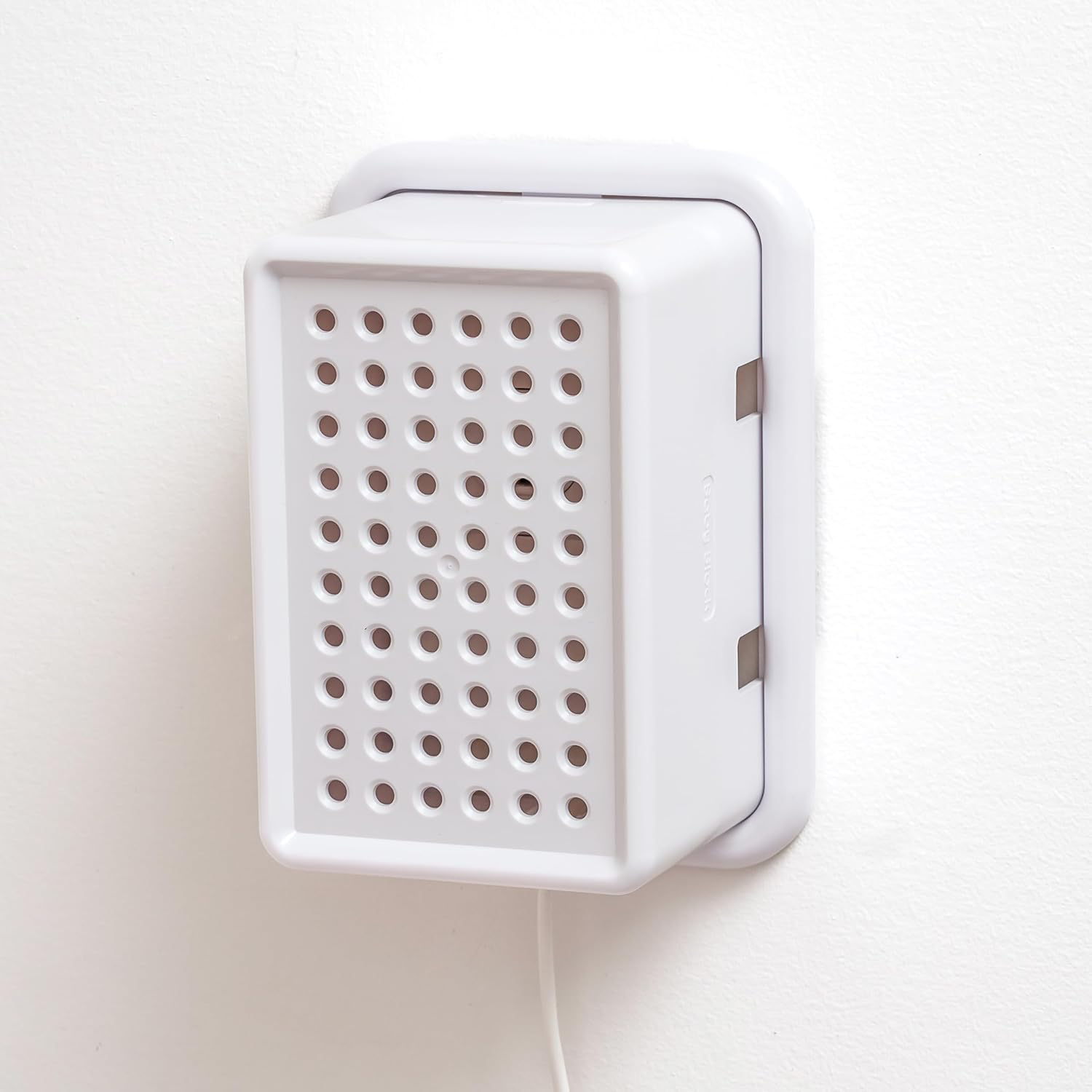
Outlet Plug Covers (24-Pack) Childproof Socket Protectors
Simple press-fit outlet caps that block unused electrical sockets from curious little fingers.
View product→Last reviewed
Sources used for this guide
Reviewed on April 26, 2026. This content is educational and practical, but it is not a substitute for professional safety inspections or medical advice.
HealthyChildren.org / American Academy of Pediatrics
Safety for Your Child: 6 to 12 MonthsU.S. Consumer Product Safety Commission
Childproofing your home: 12 safety devices to protect childrenSafe Kids Worldwide
Protecting children in your home