What counts as a choking hazard
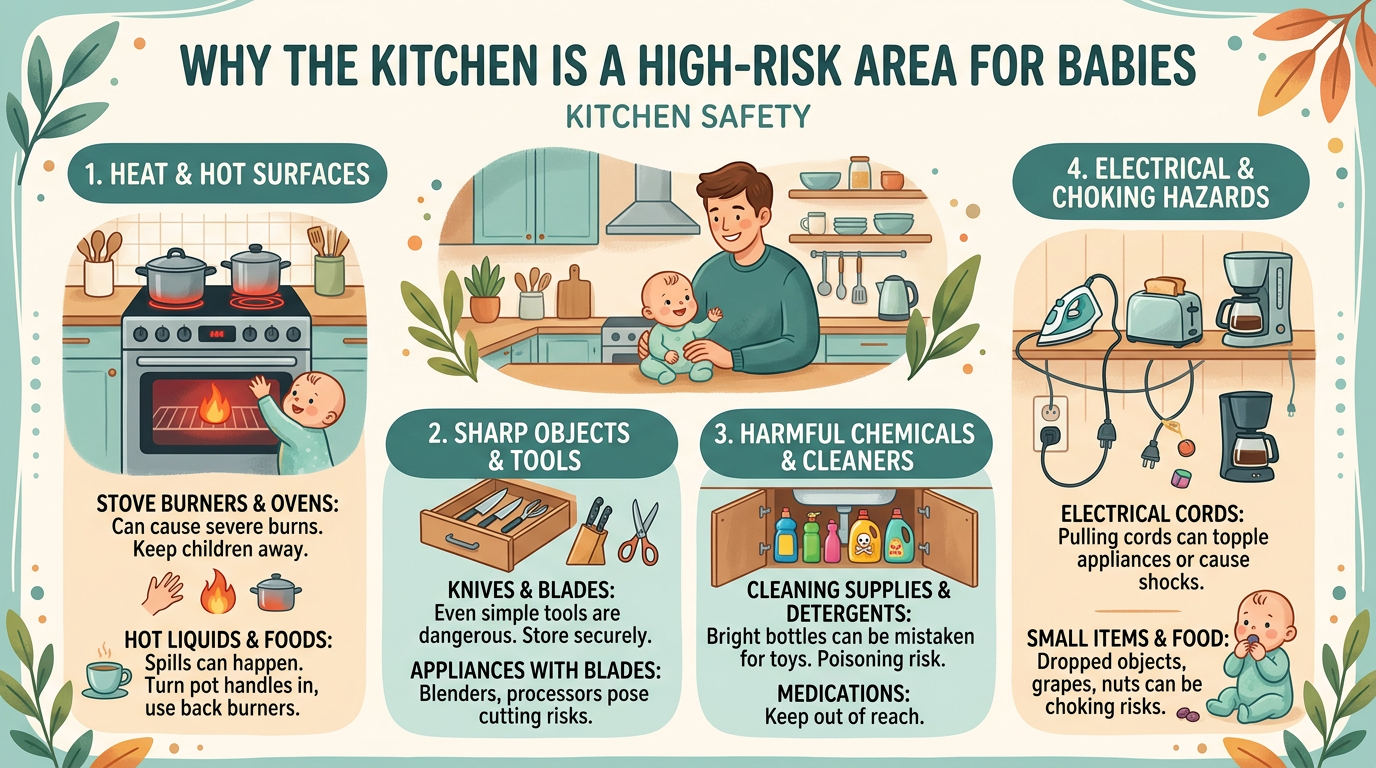
Children under four are still learning to chew and swallow reliably, and their airways are narrow enough that small objects and firm foods can block them quickly. The common rule of thumb is that anything that fits through a toilet paper tube is small enough to choke a young child.
Shape matters as much as size. Round, firm, or cylindrical objects — whole grapes, hot dog slices, coins, marbles, small balls, and grape-sized candy — are especially dangerous because they match the shape of a child's airway.
Household objects can be just as risky as foods. Coins, button batteries, small toy parts, pen caps, jewelry beads, and broken balloon pieces are among the most common items retrieved in emergency rooms from children who have choked or swallowed them.
Quick checklist
- ✓Use the toilet paper tube test — if it fits through, it is too small for under-three.
- ✓Pay special attention to round, firm, and cylindrical shapes.
- ✓Pick up older siblings' small toys before younger children are on the floor.
- ✓Check the floor from crawling height at least once a day.
Preparing foods to reduce choking risk
Most food-related choking in young children happens with a short list of common foods.
The foods most often linked to choking in children under four are hot dogs, whole grapes, hard candy, popcorn, nuts, chunks of meat or cheese, raw carrots, and peanut butter in large spoonfuls. Modifying how you serve them addresses most of the risk.
Cut grapes, cherry tomatoes, and hot dogs lengthwise into quarters rather than coins. Cook hard vegetables until soft and cut meat and cheese into small, manageable pieces. Avoid whole nuts, popcorn, hard candy, and sticky spoonfuls of nut butter for children under four.
Set the meal environment up for safe eating. Have your child sit down while eating, not walk or play. Meals and snacks are not good times for car rides or running, and an adult should be within arm's reach for every meal in the early years.
Quick checklist
- ✓Quarter grapes, cherry tomatoes, and hot dogs lengthwise.
- ✓Cook hard vegetables until soft; cut meat and cheese into small pieces.
- ✓Skip whole nuts, popcorn, and hard candy until at least age four.
- ✓Keep your child seated and supervised for every meal and snack.
Non-food objects that cause the most ER visits
Coins are the most frequently swallowed object in young children. Jewelry, small magnets, button batteries, and broken pieces of balloons or latex also appear often in emergency visits. Broken balloons deserve special attention because the material can conform to the airway in ways that solid objects do not.
Older siblings are a common path for hazards to reach younger children. Small building blocks, doll accessories, marbles, and craft beads are designed for bigger kids but end up on the floor. A clear rule about where small-parts toys can be used helps more than trying to police every piece.
Audit the entertainment zones: couches, car seats, and under furniture. Lost coins and small toy parts accumulate there and reappear exactly when a crawling baby can reach them.
Quick checklist
- ✓Keep small-parts toys in a separate, older-sibling-only zone.
- ✓Sweep under couches, car seats, and furniture regularly.
- ✓Never give a young child a balloon to chew or suck on, and pick up pieces immediately after popping.
- ✓Remove jewelry with small beads, charms, or removable parts during childcare.
How to respond to choking
If your child is coughing forcefully, let them cough — that is the body's most effective way to clear the airway. Intervene immediately if they stop making noise, cannot cry or breathe, or turn blue. Silent choking is the emergency.
For infants under one year, the American Academy of Pediatrics recommends back blows and chest thrusts. For children over one, abdominal thrusts are used. Hands-on training from a CPR-certified instructor is far more useful than reading the steps, because the technique depends on body size and positioning.
Call 911 (or your local emergency number) immediately for any choking episode where the child loses consciousness, cannot breathe, or needed abdominal thrusts or back blows to clear the obstruction, even if they seem fine afterward.
Quick checklist
- ✓Take an infant and child CPR class from a certified instructor.
- ✓Learn age-appropriate choking response — the technique differs under and over one year.
- ✓Call emergency services for any severe episode, even after recovery.
- ✓Keep emergency numbers posted where caregivers can see them.
Frequently asked questions
Most guidance recommends avoiding high-risk foods like whole grapes, nuts, popcorn, and hard candy until at least age four. Small-object risk decreases as children develop better chewing and swallowing coordination.
Age-appropriate teethers from reputable manufacturers are generally safe. Risk increases with older teething jewelry intended for adults, small parts that could break off, and any toy showing wear or cracks.
No. Gagging is a normal part of learning to eat and often sounds alarming but resolves on its own. Choking is silent — the child cannot cough, cry, or breathe. Gagging rarely requires intervention; choking always does.
Check the age label and look for small detachable parts. If any part fits through a toilet paper tube, the toy is not safe for children under three. Inspect for wear regularly — a safe toy can become unsafe as it ages.
Featured products
Affiliate linksProducts that support this guide
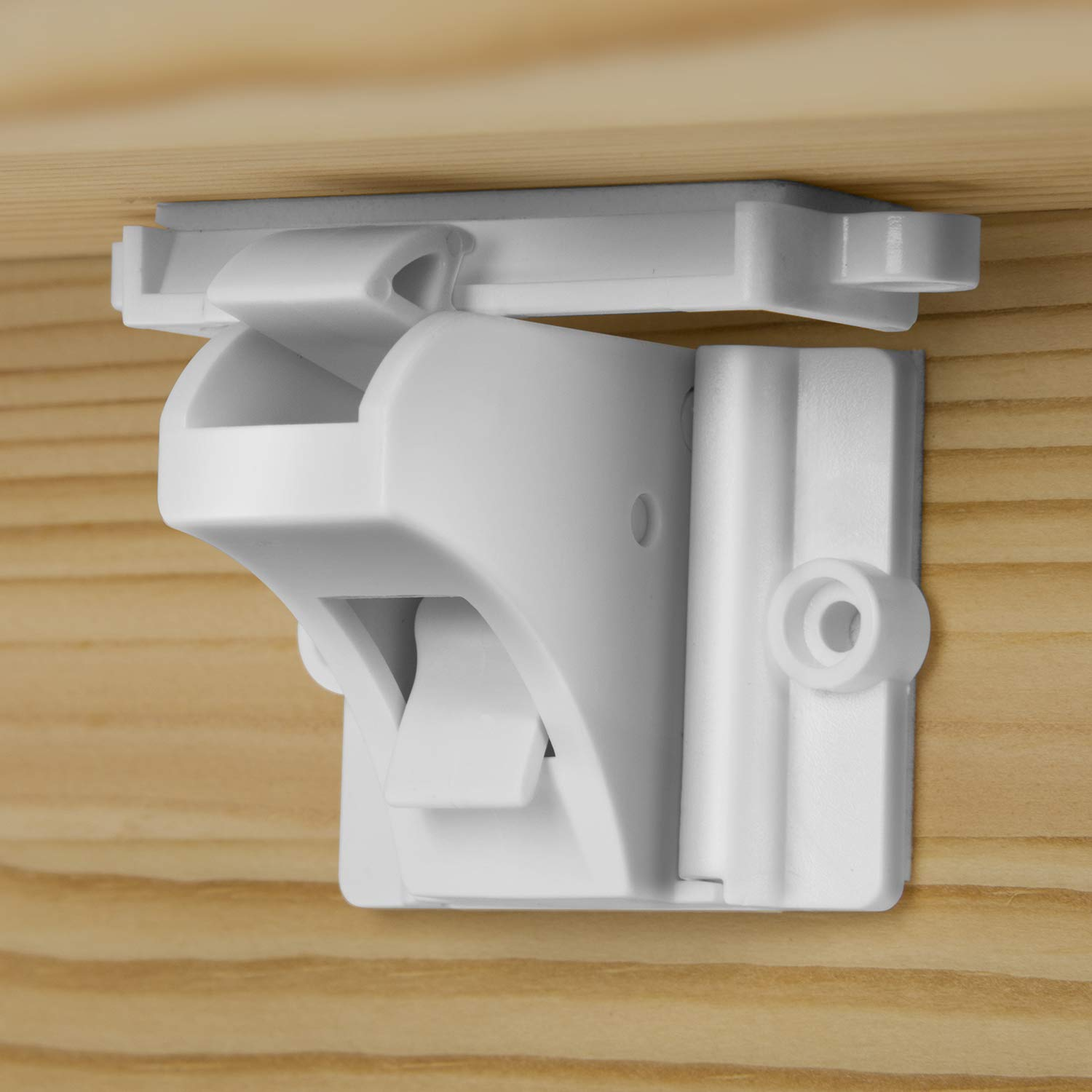
Vmaisi 20 Pack Magnetic Cabinet Locks Baby Proofing
Hidden magnetic cabinet locks that install inside cabinets and drawers for a clean look. Opened with a magnetic key, adhesive installation with no drilling required. 20-pack with keys included.
View product→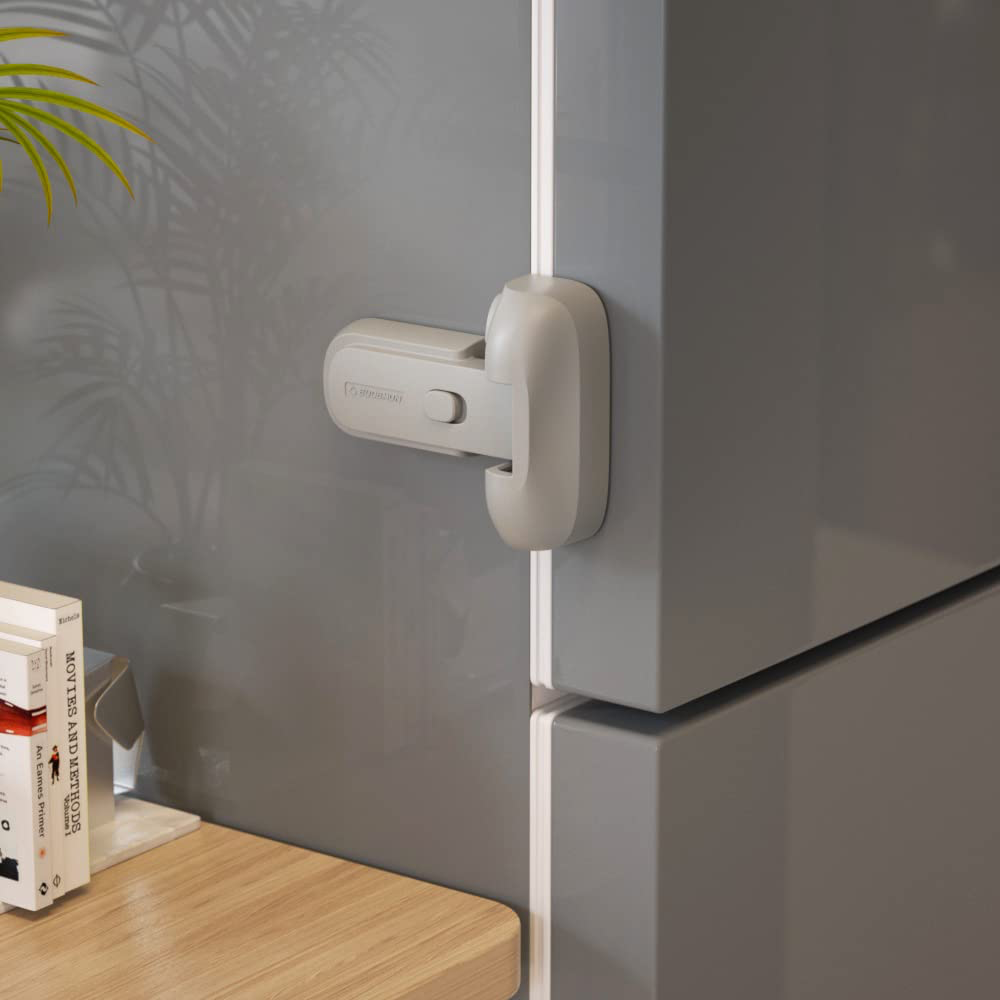
5 Pack Child Proof Refrigerator Lock, Baby Proofing Cabinet Locks, Oven Lock Child Safety, Fridge Lock, for Fridge, Drawers, Dishwasher, Oven, Cupboard, Closet, Adhesive, No Tools Need
Adhesive 5-pack of multi-use child safety latches for refrigerators, cabinets, drawers, dishwashers, ovens, and cupboards.
View product→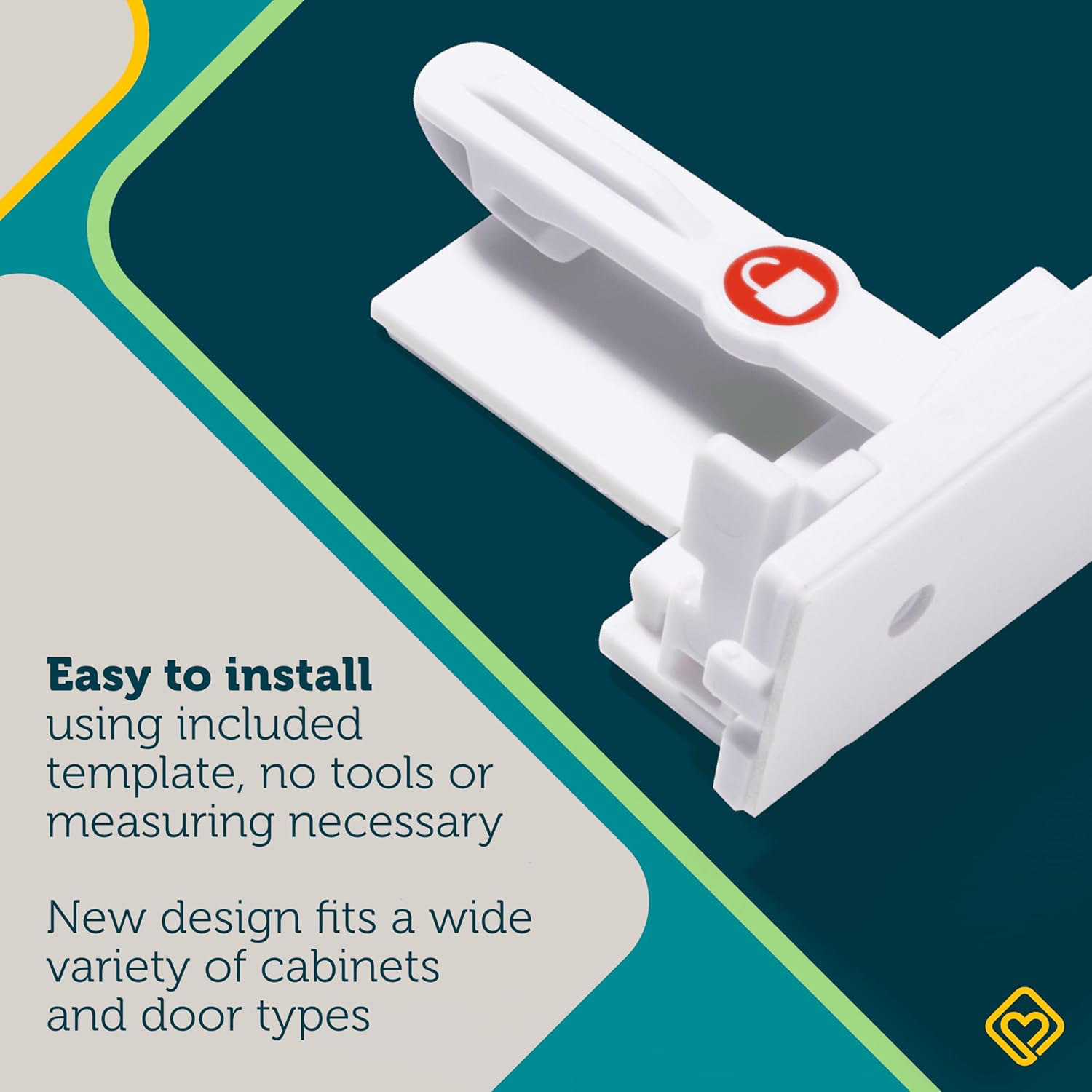
Adhesive Cabinet Locks (4-Pack) for Baby Proofing
Internal adhesive cabinet latches that help prevent toddlers from opening doors and drawers.
View product→Last reviewed
Sources used for this guide
Reviewed on April 18, 2026. This content is educational and practical, but it is not a substitute for professional safety inspections or medical advice.
U.S. Consumer Product Safety Commission
Childproofing your home: 12 safety devices to protect childrenHealthyChildren.org / American Academy of Pediatrics
Safety for Your Child: 6 to 12 MonthsSafe Kids Worldwide
Protecting children in your home