Why button batteries and magnets deserve their own checklist
Most choking and swallowing hazards cause problems by blocking an airway. Button batteries and high-powered magnets are different: they can look small and harmless, pass into the digestive tract without obvious symptoms, and then cause severe tissue damage.
Coin-sized lithium batteries can generate a chemical reaction when lodged against moist tissue that burns through the esophagus in as little as two hours. Multiple rare-earth magnets, when swallowed separately, can attract to each other through intestinal walls and cause perforations.
The common thread is that neither hazard feels dramatic in the moment. Parents often do not see the ingestion happen, and early symptoms mimic a cold or stomach bug. That is why prevention is the only reliable strategy.
Quick checklist
- ✓Treat button batteries and loose high-powered magnets like poisons, not toys.
- ✓Assume any ingestion is an emergency even if your child seems fine.
- ✓Save the Poison Help number (1-800-222-1222 in the US) in your phone.
- ✓If you suspect ingestion, go to the emergency room — do not wait for symptoms.
Where button batteries and magnets hide in a typical home
These hazards are most often found in everyday objects that do not look dangerous.
Button batteries power remotes, key fobs, kitchen scales, bathroom scales, thermometers, flameless candles, musical greeting cards, small flashlights, hearing aids, and many children's toys. Any one of those devices can release a battery when dropped or when the compartment is not screwed shut.
High-powered magnets show up in adult desk toys, magnetic building sets not intended for young children, some jewelry, and magnetic fidget items. They are much stronger than traditional fridge magnets and the danger is specifically when more than one is swallowed.
Do a sweep with both hazards in mind. Check every battery compartment for a working screw, store spare batteries in a locked container, and move any desk magnets or magnetic jewelry into a room your child cannot access.
Quick checklist
- ✓Inspect remotes, key fobs, and scales — replace any with loose compartments.
- ✓Store loose button batteries in a locked drawer, not a junk drawer.
- ✓Remove musical greeting cards and flameless candles from reachable surfaces.
- ✓Move rare-earth magnet desk toys and magnetic jewelry to locked storage.
What to do if you suspect ingestion
Time matters. If you think your child may have swallowed a button battery or more than one magnet, go to the nearest emergency department immediately. Do not wait to see if symptoms develop and do not try to induce vomiting at home.
Bring the packaging or an identical battery or magnet if you can. That information helps the care team assess risk quickly. If you cannot, describe the device the battery came from.
Some guidance from poison control centers recommends giving honey to children over twelve months old on the way to the emergency room for suspected button battery ingestion. Confirm the current recommendation with Poison Help or your emergency provider rather than relying on memory in the moment.
Quick checklist
- ✓Go to the emergency room immediately — do not wait for symptoms.
- ✓Call Poison Help (1-800-222-1222 in the US) on the way for current guidance.
- ✓Bring the device, packaging, or an identical battery if possible.
- ✓Do not induce vomiting or give food or drink unless instructed.
Frequently asked questions
Serious tissue damage can begin within two hours of a button battery lodging in the esophagus. That is why suspected ingestion is always treated as an emergency.
The biggest concern is high-powered rare-earth magnets, which are far stronger than traditional fridge magnets. One swallowed magnet is risky; more than one can attract through tissue and cause serious injury.
Check any small device that beeps, lights up, or plays sound. Remotes, scales, key fobs, thermometers, musical cards, and small electronics are common sources. If a battery compartment opens without a screw, treat it as a higher risk.
Large, encased magnets in age-appropriate toys are generally fine. The hazard is loose, high-powered rare-earth magnets and adult desk toys. Keep those out of homes with young children.
Featured products
Affiliate linksProducts that support this guide
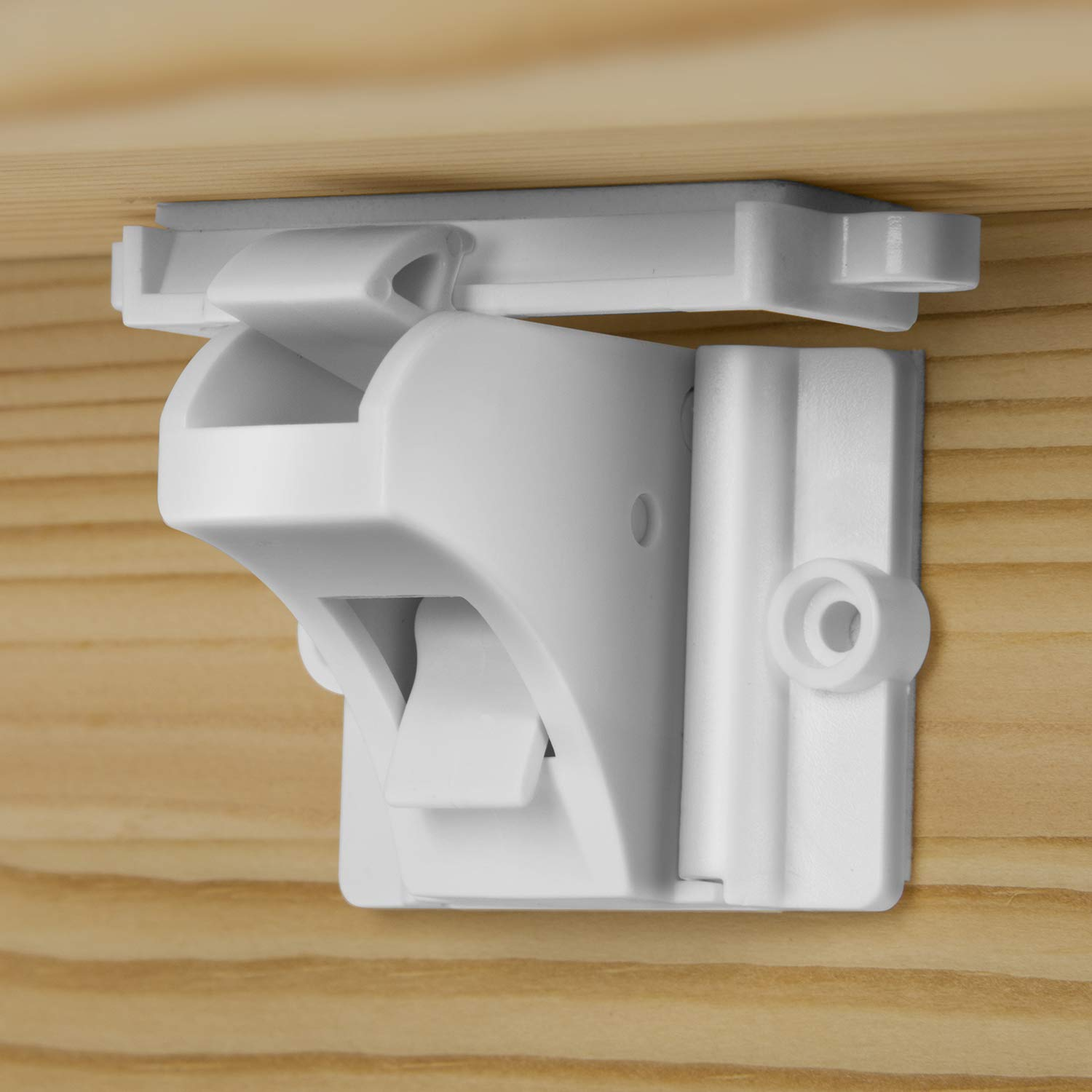
Vmaisi 20 Pack Magnetic Cabinet Locks Baby Proofing
Hidden magnetic cabinet locks that install inside cabinets and drawers for a clean look. Opened with a magnetic key, adhesive installation with no drilling required. 20-pack with keys included.
View product→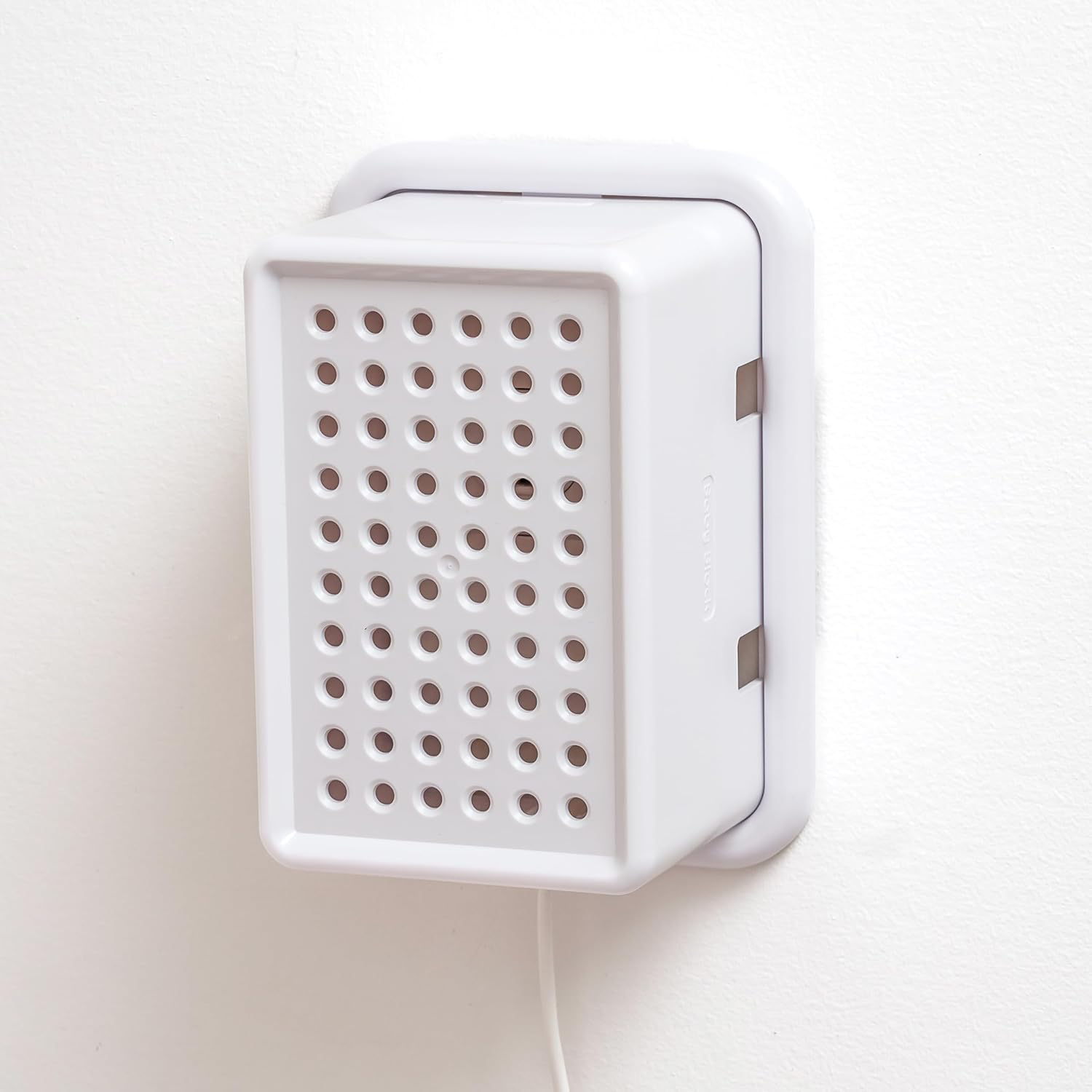
Outlet Plug Covers (24-Pack) Childproof Socket Protectors
Simple press-fit outlet caps that block unused electrical sockets from curious little fingers.
View product→Last reviewed
Sources used for this guide
Reviewed on April 18, 2026. This content is educational and practical, but it is not a substitute for professional safety inspections or medical advice.
U.S. Consumer Product Safety Commission
Childproofing your home: 12 safety devices to protect childrenHealthyChildren.org / American Academy of Pediatrics
Safety for Your Child: 6 to 12 MonthsSafe Kids Worldwide
Protecting children in your home