Baby Proofing Your Stairs & Doors
Falls on stairs are a leading cause of childhood injuries, and doors add pinch, slam, and off-limit-room access risks that get worse as toddlers move faster.
Why this room matters
Transition spaces often feel temporary, but that is exactly why they get overlooked. A well-placed gate or door control changes the safety of the whole floor plan.
Common hazards
- ✓Open stairways before crawling and cruising stages.
- ✓Wrong gate type used in high-risk stair locations.
- ✓Doors that slam, pinch fingers, or open into unsafe rooms.
- ✓Climbable furniture placed beside gates or railings.
Safety checklist
Start with the hazards your child can already reach, then revisit this checklist after the next mobility leap.
- ✓Use wall-mounted gates at the top of stairs.
- ✓Use pressure-mounted gates only where the location and product instructions allow it.
- ✓Install lever locks or pinch guards on unsafe rooms and high-traffic doors.
- ✓Check nearby furniture so children cannot climb around gates.
- ✓Keep stair landings clear of toys and trip hazards.
Room walkthrough
A walk through stairs and doors with a baby-proofing lens
Top of the stairs is non-negotiable
Of every product decision in baby proofing, the gate at the top of a staircase is the one that deserves the most attention. The fall risk behind it is severe, and the gate has to hold under impact load: a running child, a parent leaning into it, a sibling pushing against it. Use a hardware-mounted gate that screws into wall studs or banister posts. Pressure-mounted gates are not the recognized standard for this location.
Mount carefully. A gate that holds under steady force can still fail under sudden impact if the screws went into drywall instead of framing. Use a stud finder, not your best guess, and supplement with heavy-duty toggle anchors only when no stud is available.
Bottom-of-stairs and doorway gates
The bottom of a staircase carries less consequence than the top, but a child who climbs partway up and falls backward can still be seriously hurt. A pressure-mounted gate works well here when properly installed and tightened regularly. The same gate type is appropriate for doorways into kitchens, bathrooms, home offices, and other rooms you want to control access to.
Walk-through latches matter more than people expect. A gate that requires two hands to open will get propped open by a busy parent, and a propped-open gate is no gate at all. Choose a one-handed latch and confirm an auto-close feature where it is available.
Doors deserve attention too
Every door in a home falls into one of three categories: doors a child can open and that lead somewhere safe, doors a child can open and that lead somewhere unsafe, and doors a child cannot open yet. The middle category — doors to bathrooms, laundry rooms, basements, garages — is the one to address with lever locks or knob covers.
Pinch guards prevent the everyday finger injuries from doors swinging shut. They are inexpensive, easy to install, and worth adding to any door that closes with force. Door stoppers attached to the floor can serve a similar function for doors that slam in a draft.
Stairs and doors age faster than other categories — what worked at twelve months often needs revisiting by twenty months. Plan a quick re-audit after each big mobility leap.
Related reading
Guides that support your stairs & doors plan
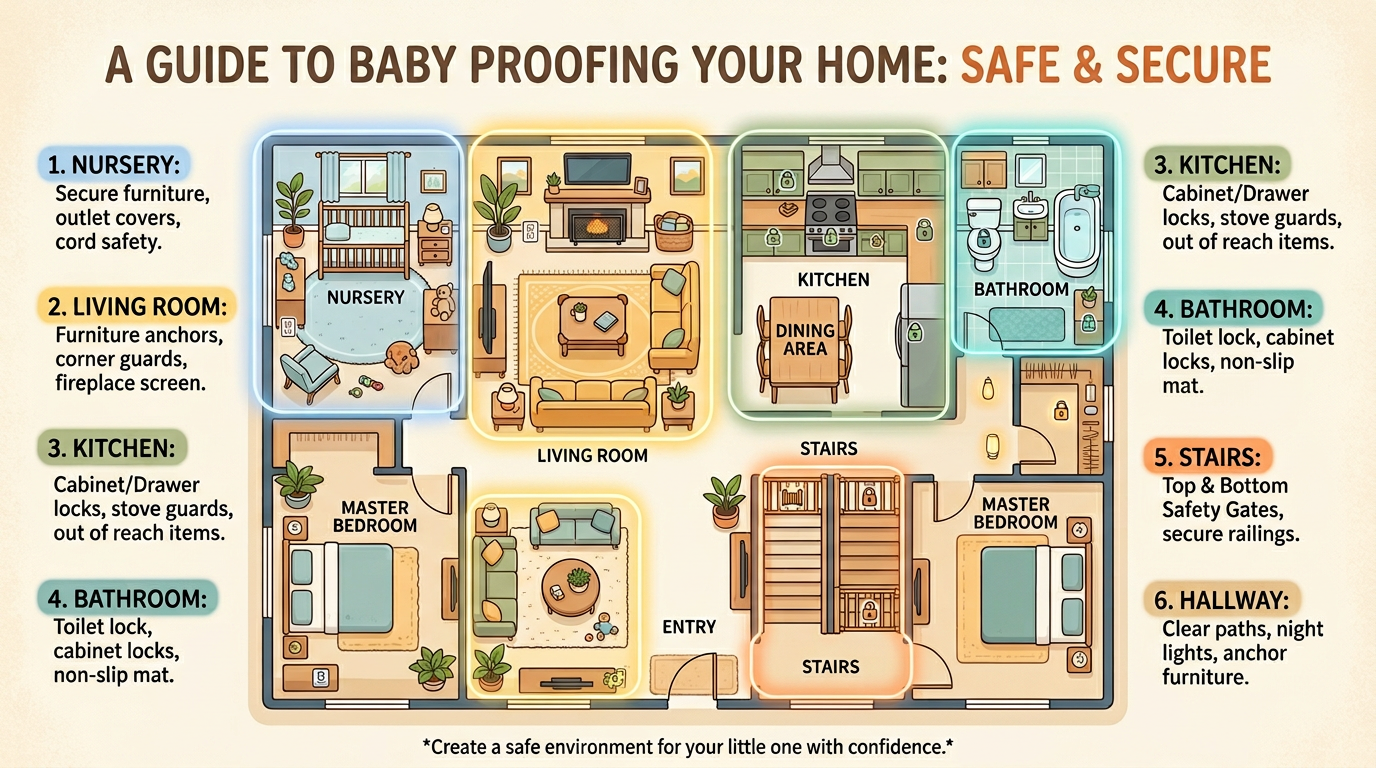
Baby Proofing Checklist: Room-by-Room Safety Priorities for the Whole House
A practical whole-home baby proofing checklist that helps parents think through common considerations in each room, with editorial product picks and next steps.
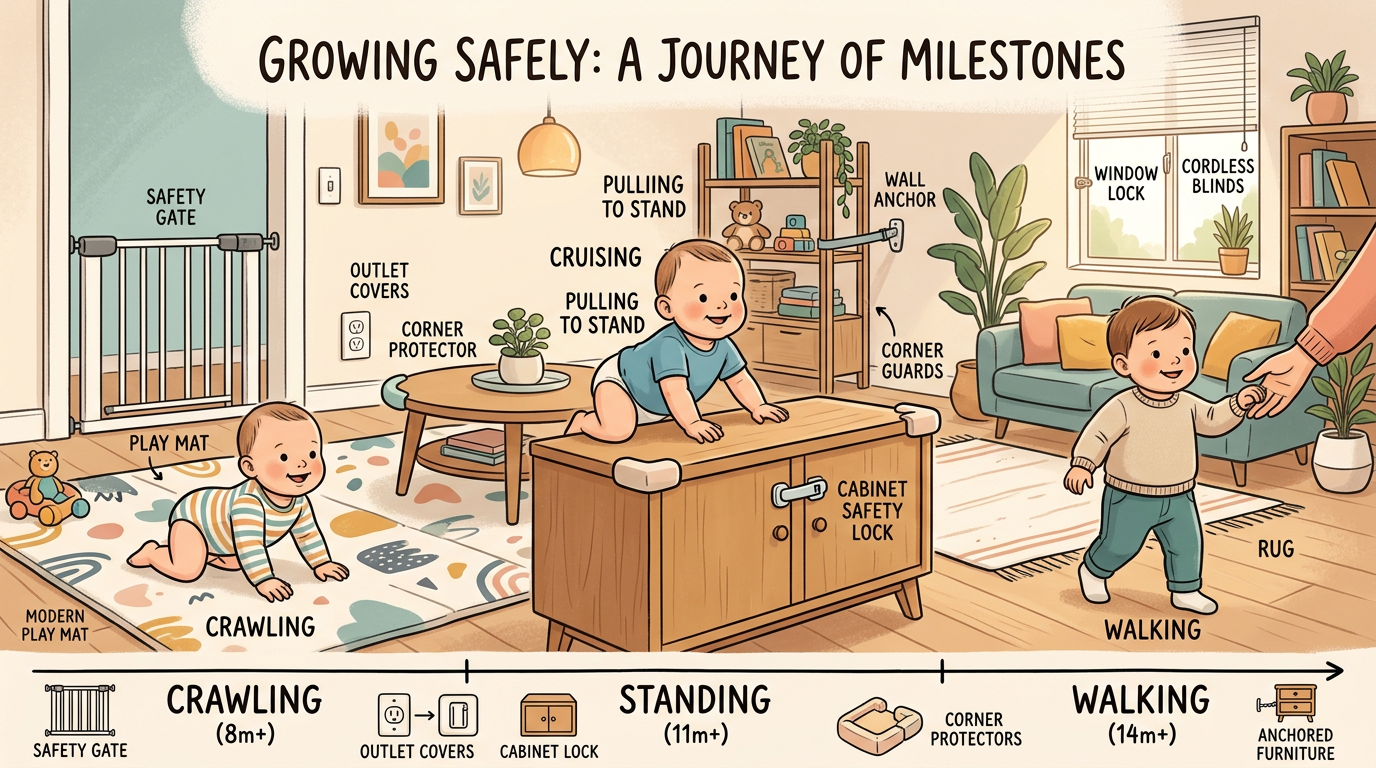
Age-by-Age Baby Proofing Checklist: What to Secure Before Crawling, Walking, and Climbing
A stage-based baby proofing guide that helps parents match home safety upgrades to the skills their child is about to unlock next.
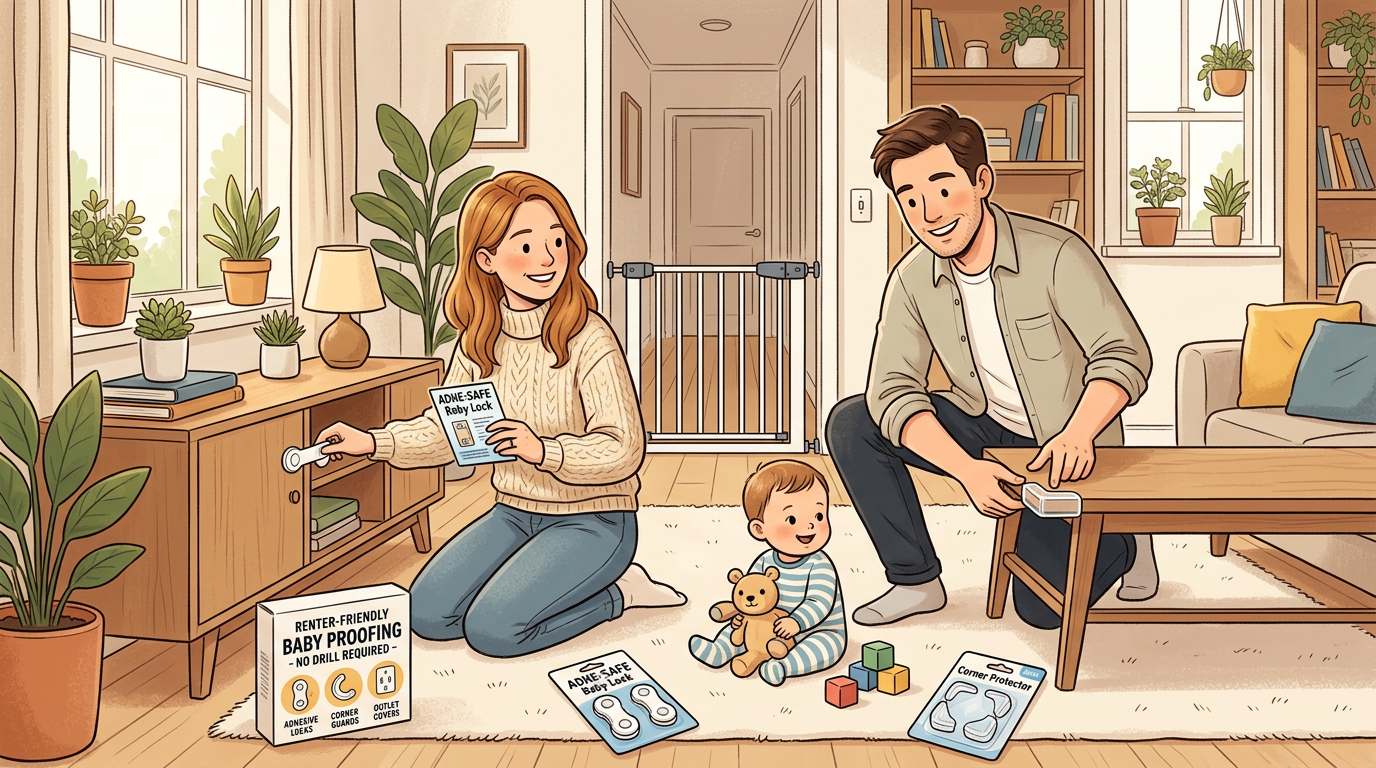
Renter-Friendly Baby Proofing: How to Childproof an Apartment Without Losing Your Deposit
A practical guide for parents who need safer rooms, stronger routines, and removable safety upgrades without treating a rental like a permanent renovation project.
Featured products
Use these product pages to compare options, room fit, and related categories.
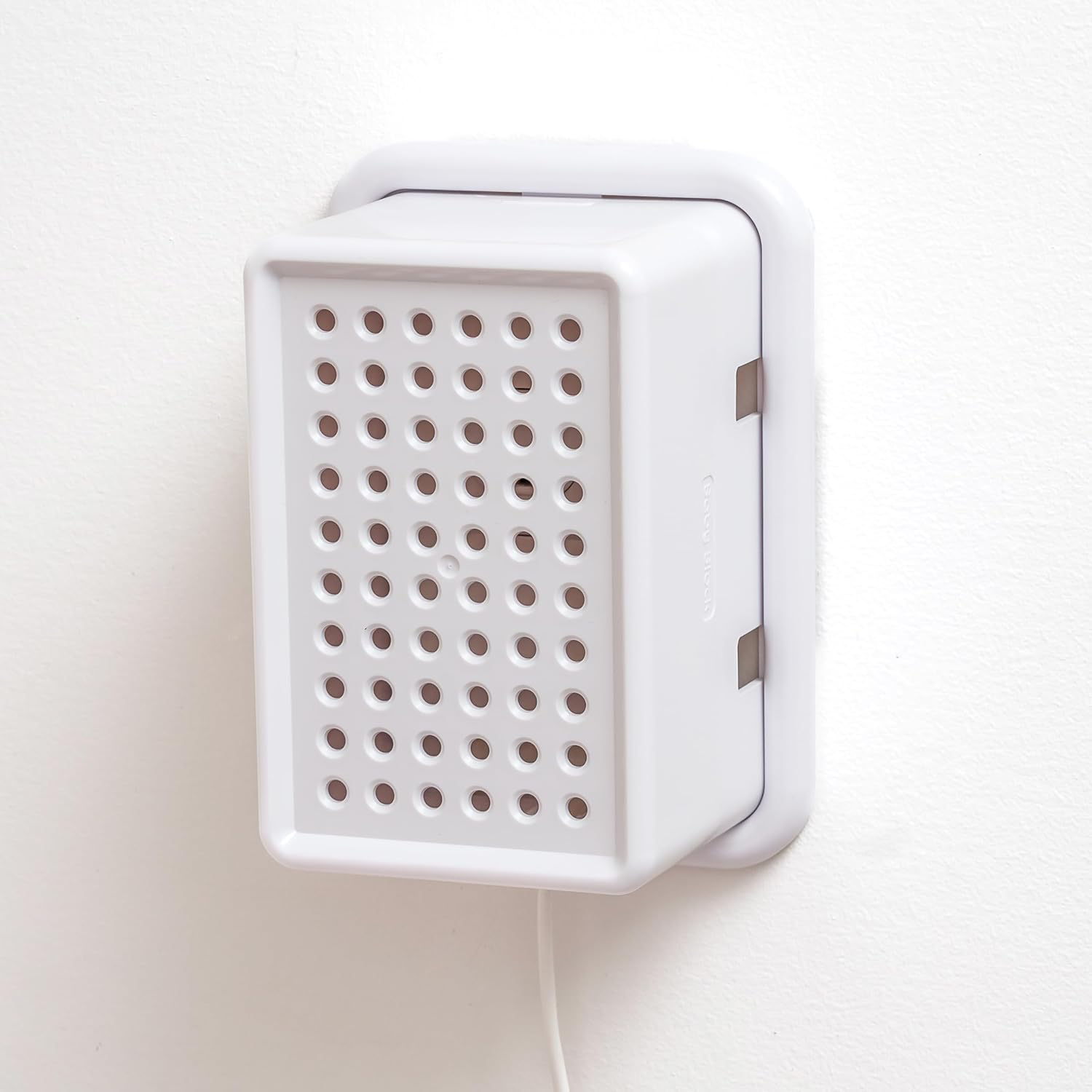
Outlet Plug Covers (24-Pack) Childproof Socket Protectors
Simple press-fit outlet caps that block unused electrical sockets from curious little fingers.
View details →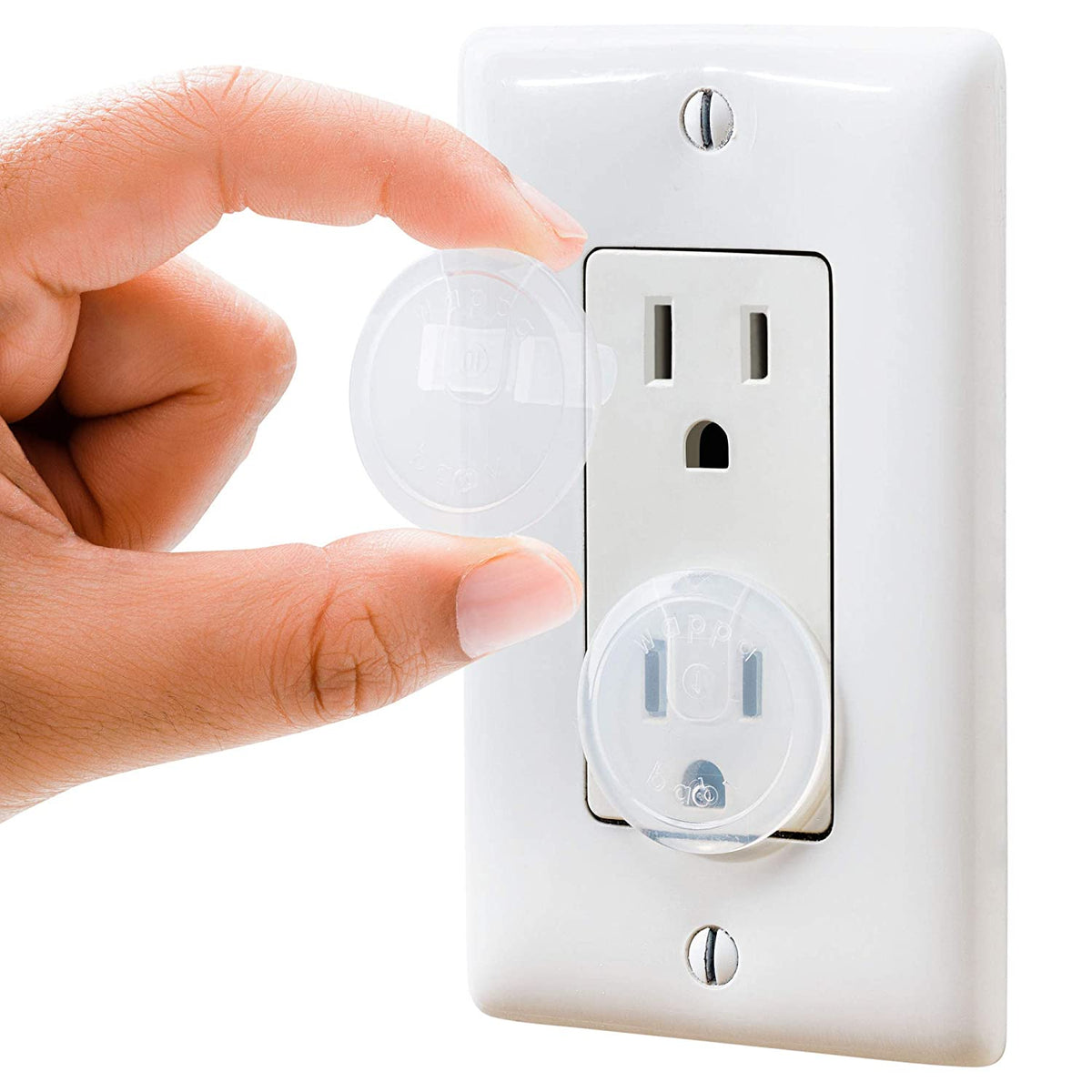
Wappa Clear Outlet Covers (50 Pack)
Transparent 50-pack of press-fit outlet plug covers for unused standard wall outlets across a whole home.
View details →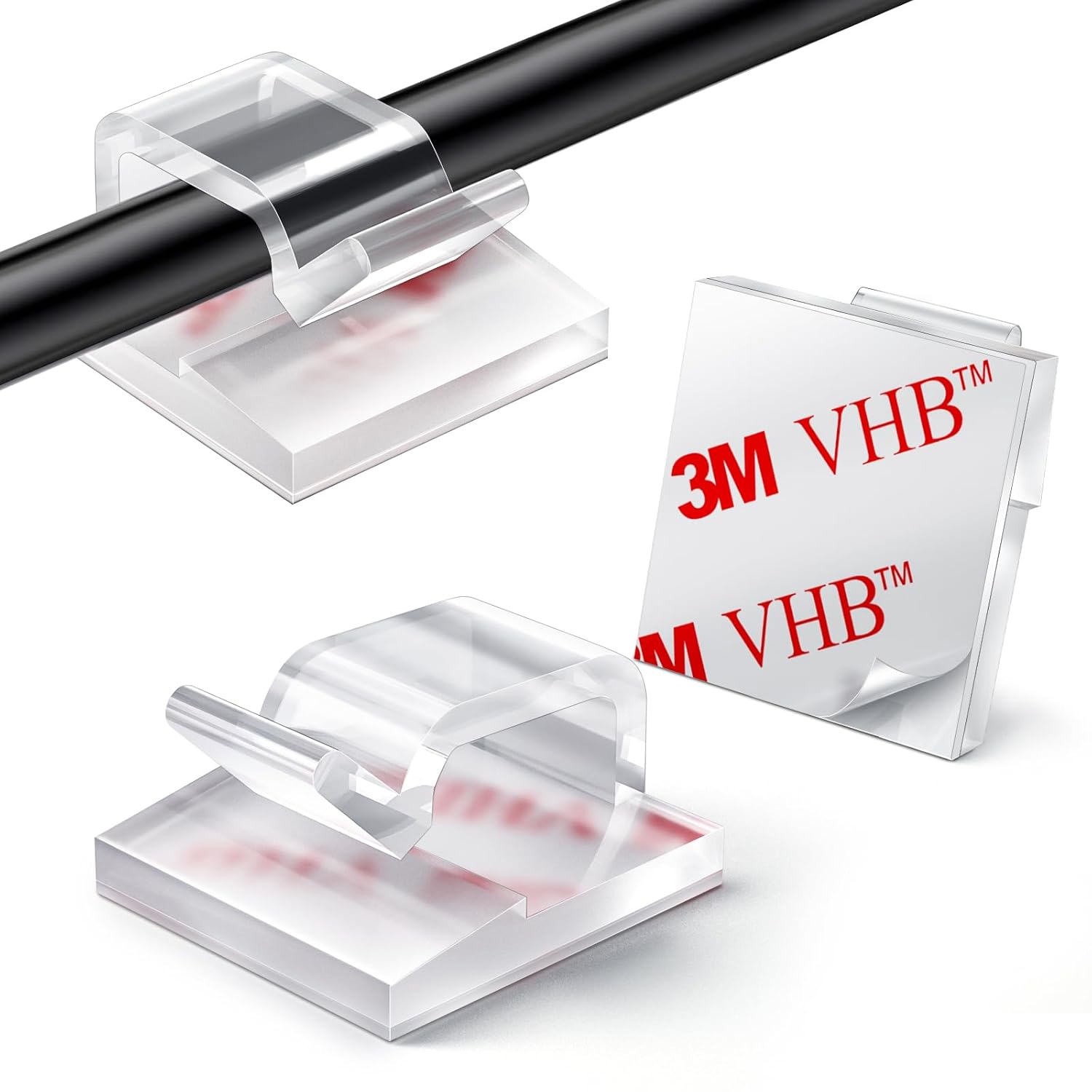
KGROTE 100PCS Adhesive Cable Clips
Small clear adhesive clips that route light cords and cables along walls, furniture, or desks so loose runs are less tempting and less likely to snag.
View details →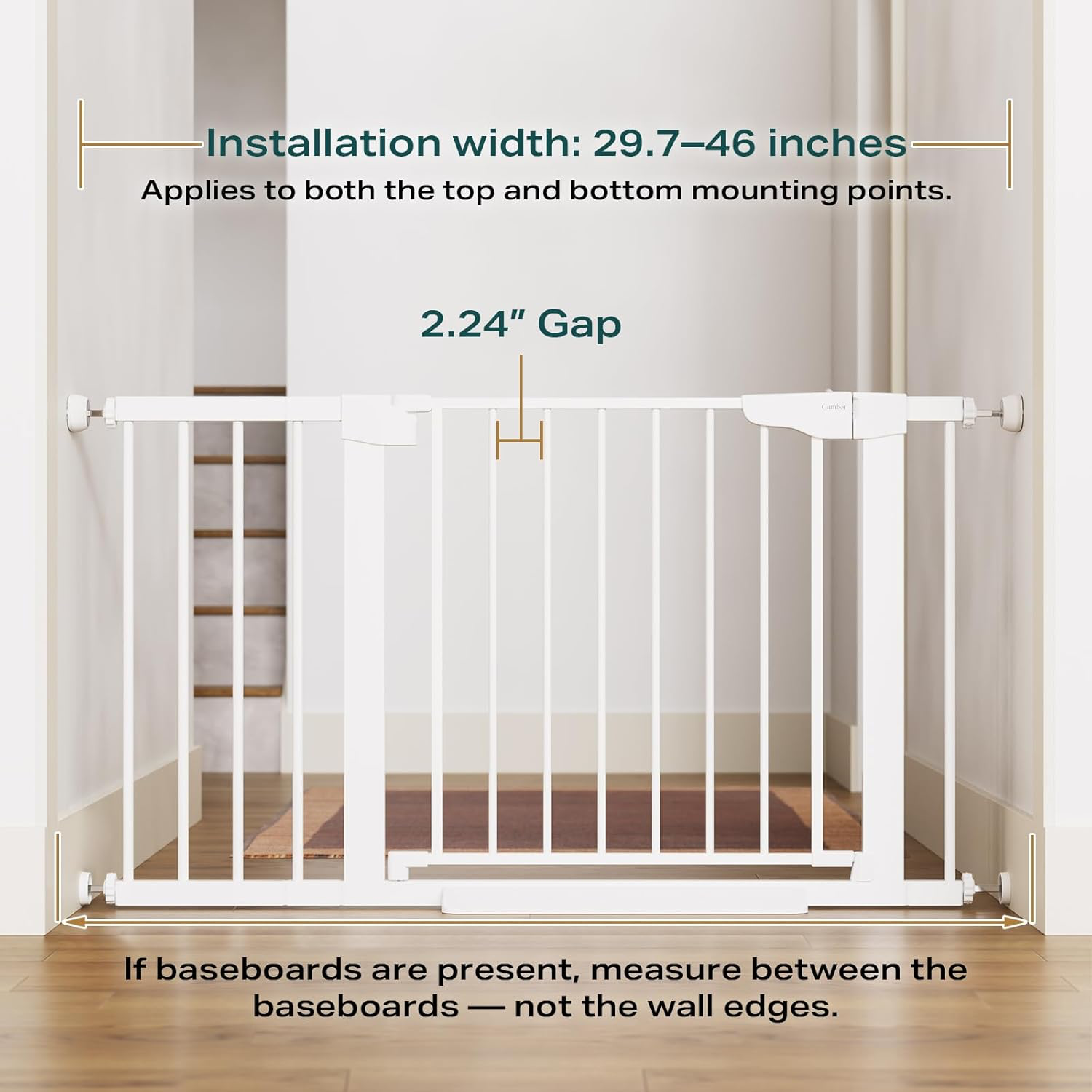
Pressure-Mounted Baby Gate for Doorways
No-drill pressure gate for doorways and low-risk openings to create clear child-safe zones.
View details →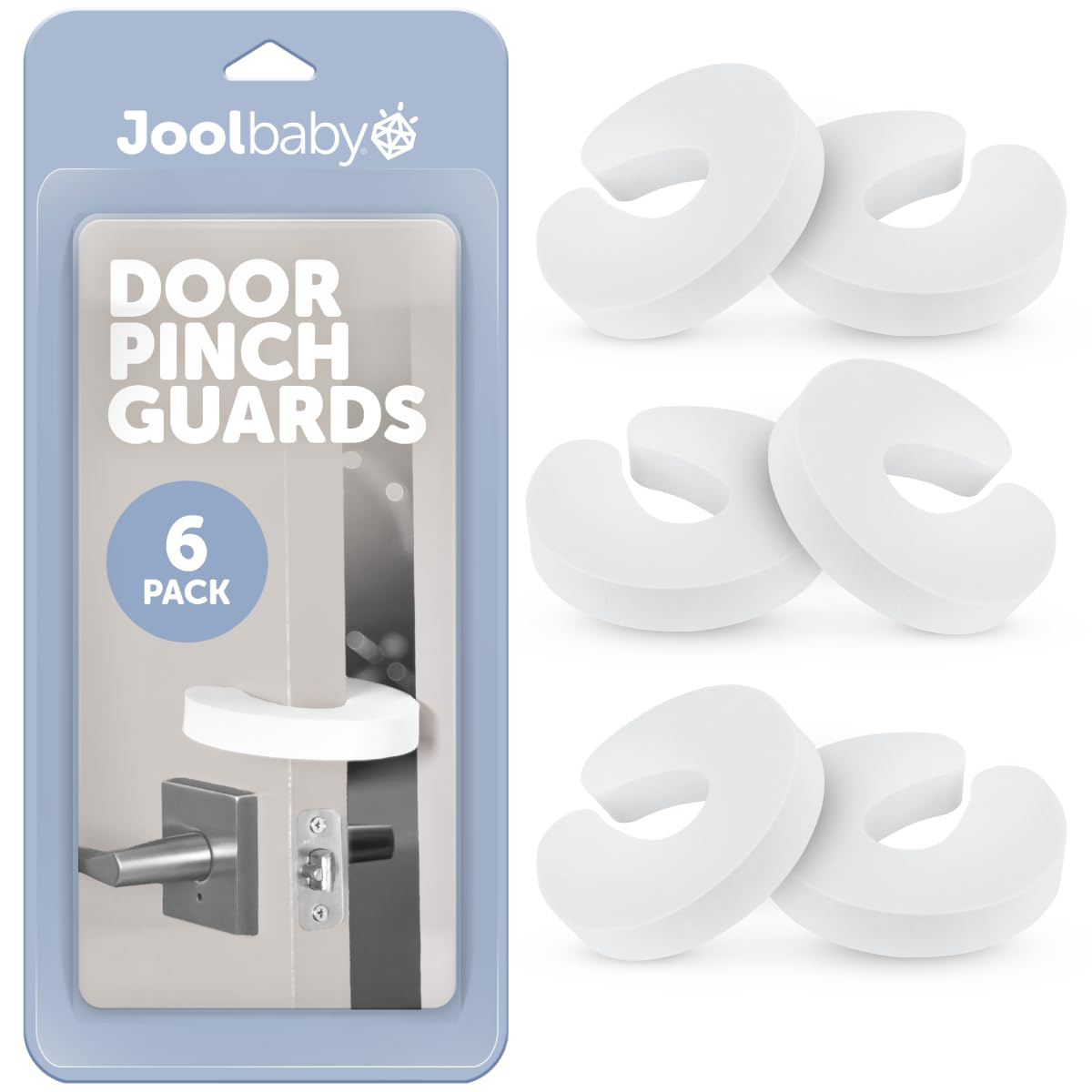
Jool Baby Door Pinch Guards (6 Pack)
Soft EVA foam door stoppers that prevent doors from fully closing, protecting little fingers from getting pinched. Also prevents door slamming and keeps pets from getting locked in rooms.
View details →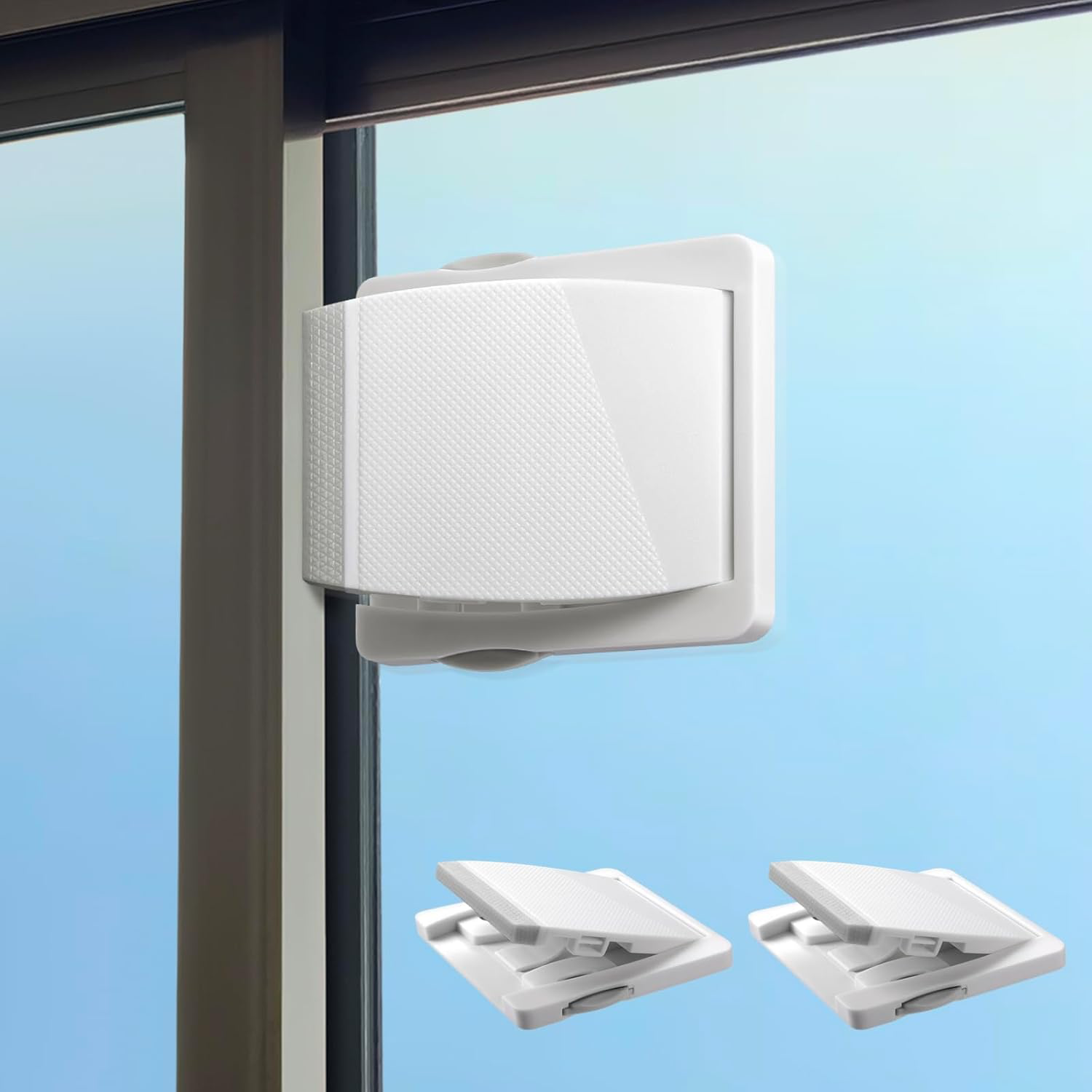
OKEA Sliding Glass Door Lock
Childproof lock designed specifically for sliding glass doors, keeping them securely shut.
View details →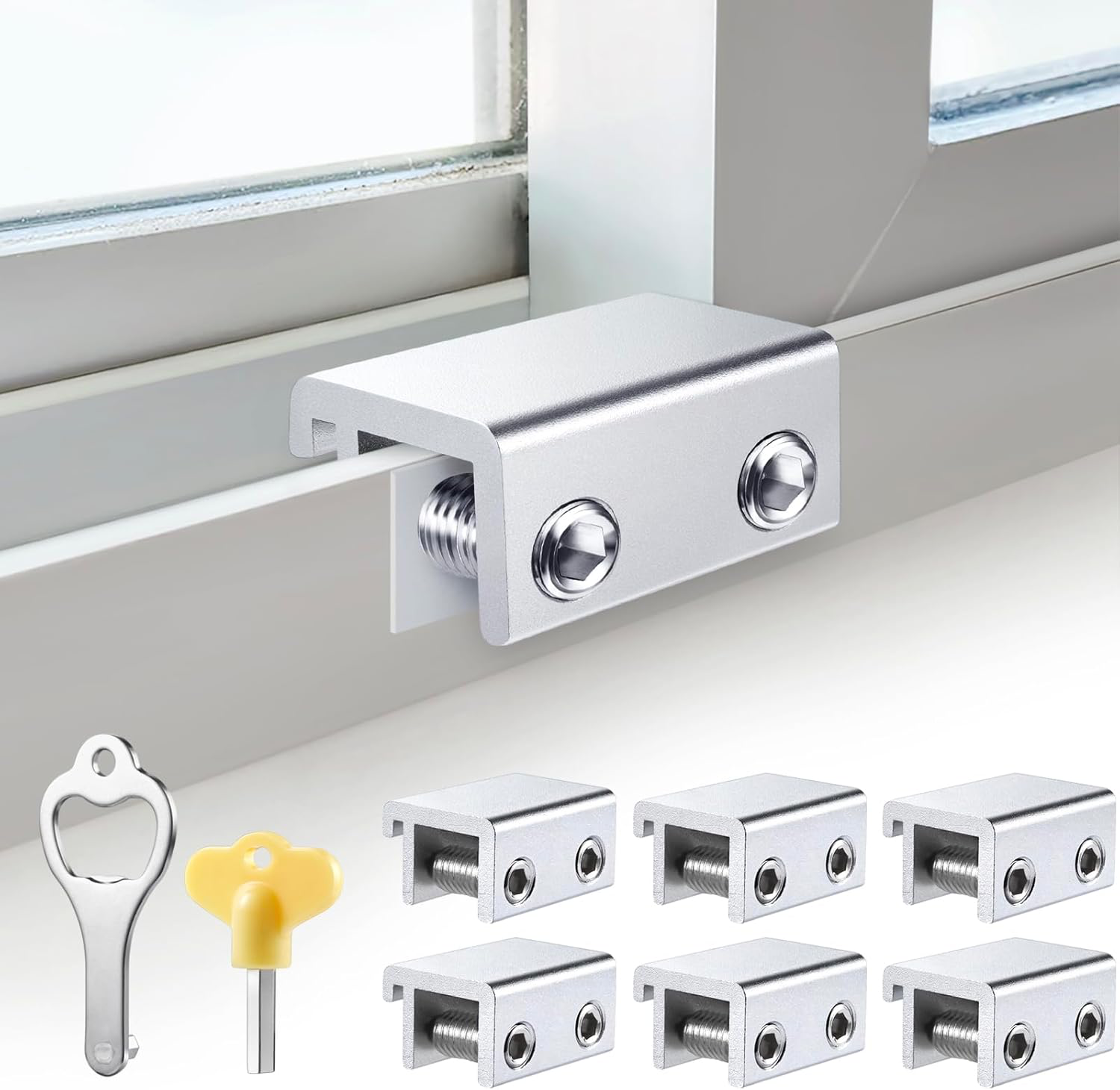
Sliding Window Locks
Adjustable security locks for sliding windows and doors to prevent children from opening them.
View details →Cumbor 29.7-46 Baby Gate for Stairs
A pressure-mounted barrier sized for typical hallway and stairway openings between roughly 30 and 46 inches. We like it for renters because it sets up without drilling, and the auto-close latch helps when you walk through with a baby on your hip. Confirm it fits your specific opening before you buy.
View details →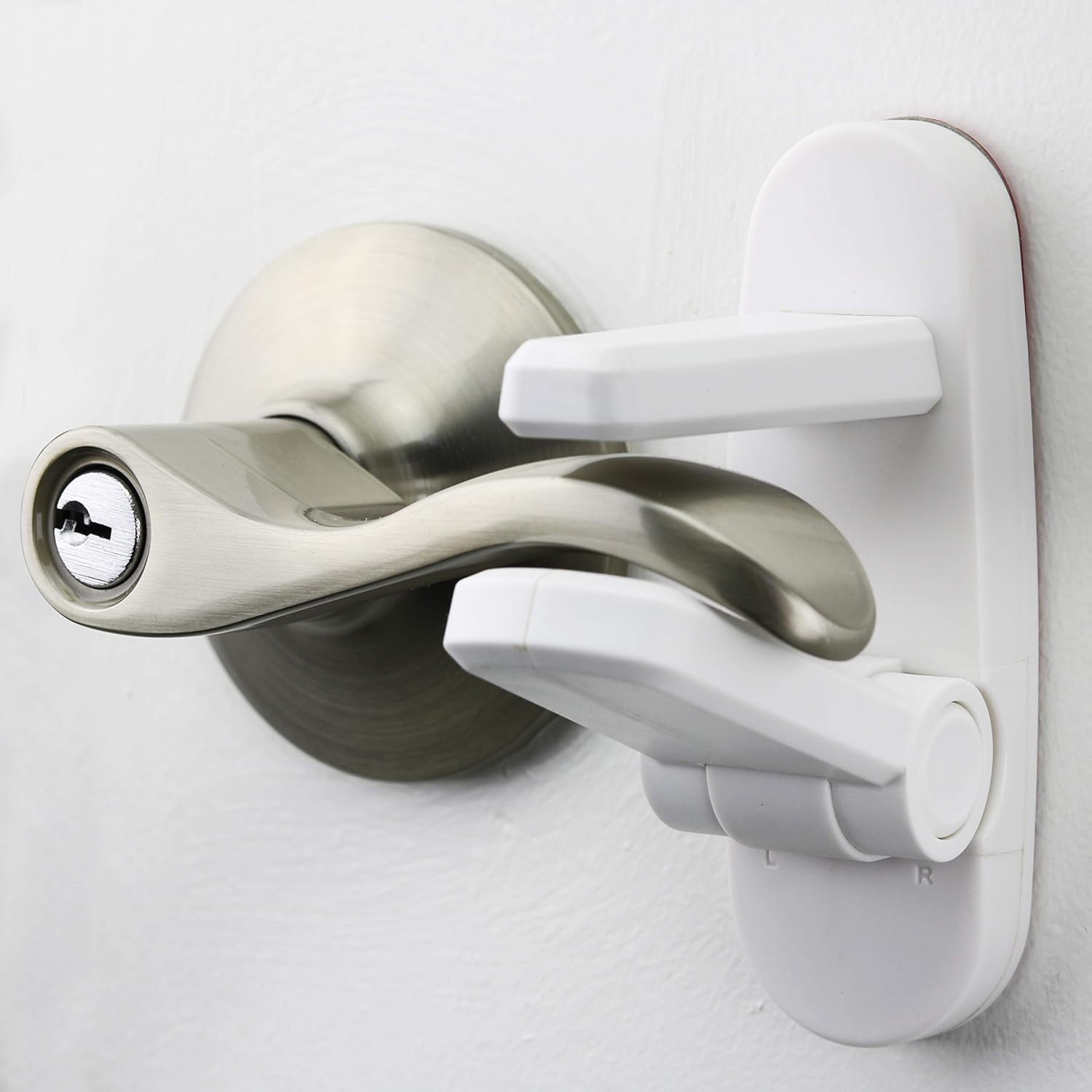
Wappa Baby Door Lever Lock (2 Pack)
Adhesive door lever locks that keep toddlers from opening lever-handle doors while still allowing adult one-hand operation.
View details →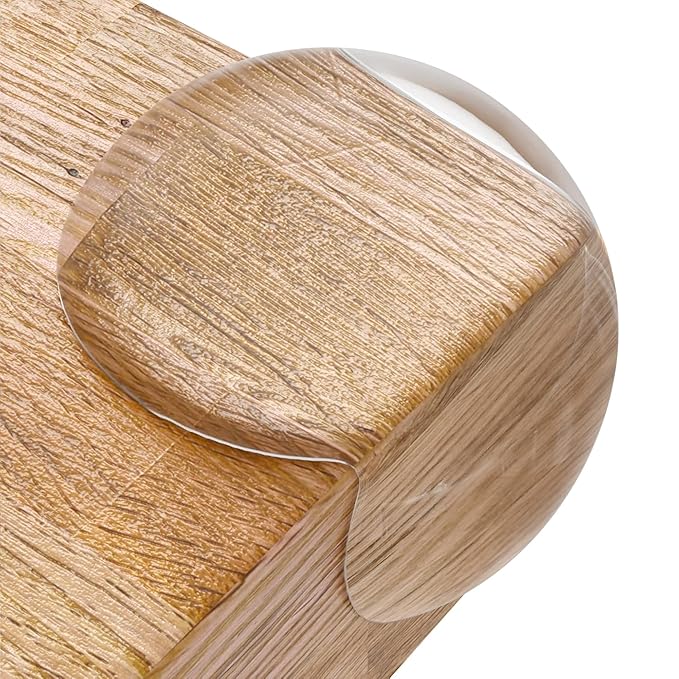
Stair Safety Net for Banisters and Railings
A flexible mesh net that ties to a banister or balcony railing to keep small toys, sippy cups, and curious arms from slipping through the spindles.
View details →LifeVac Home Choking Rescue Device
A non-powered suction device used as a last resort during a choking emergency when back blows and abdominal thrusts have failed. Keep one in the kitchen and one in the diaper bag.
View details →