What renter-friendly baby proofing really means
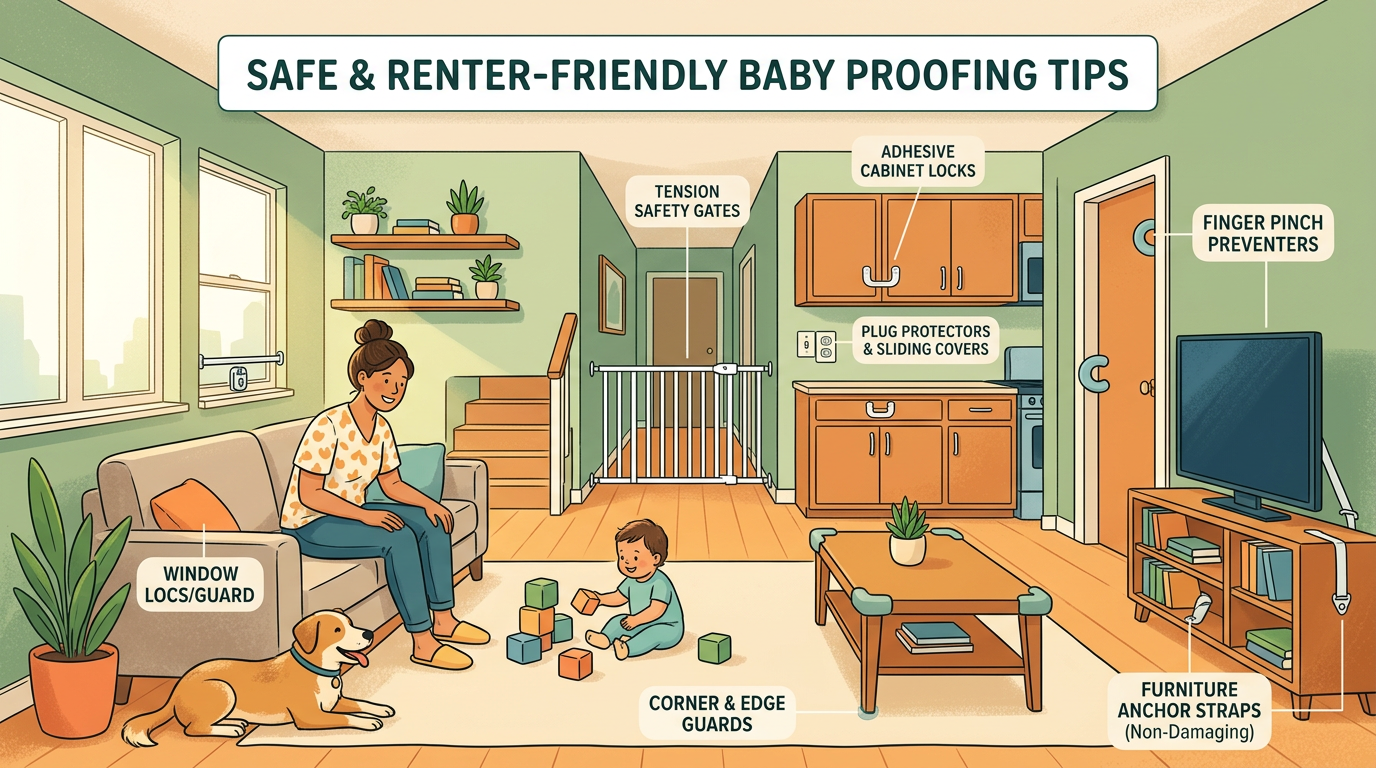
Renter-friendly baby proofing is not about avoiding all marks on the wall at any cost. It is about reducing serious hazards while choosing solutions that are removable, low-damage, or easy to patch when you move out.
The priorities stay the same in an apartment, condo, or rental home: falls, tip-overs, poisons, burns, cords, and water access. The difference is how you install the fix. Adhesive locks, removable door controls, and pressure-mounted gates for low-risk openings often make more sense than permanent modifications.
Still, some hazards are big enough that you should not let the lease become an excuse. If a child could be seriously hurt by an unsecured furniture piece or an unsafe stair opening, the safer installation usually wins.
The highest-impact no-drill and low-damage upgrades
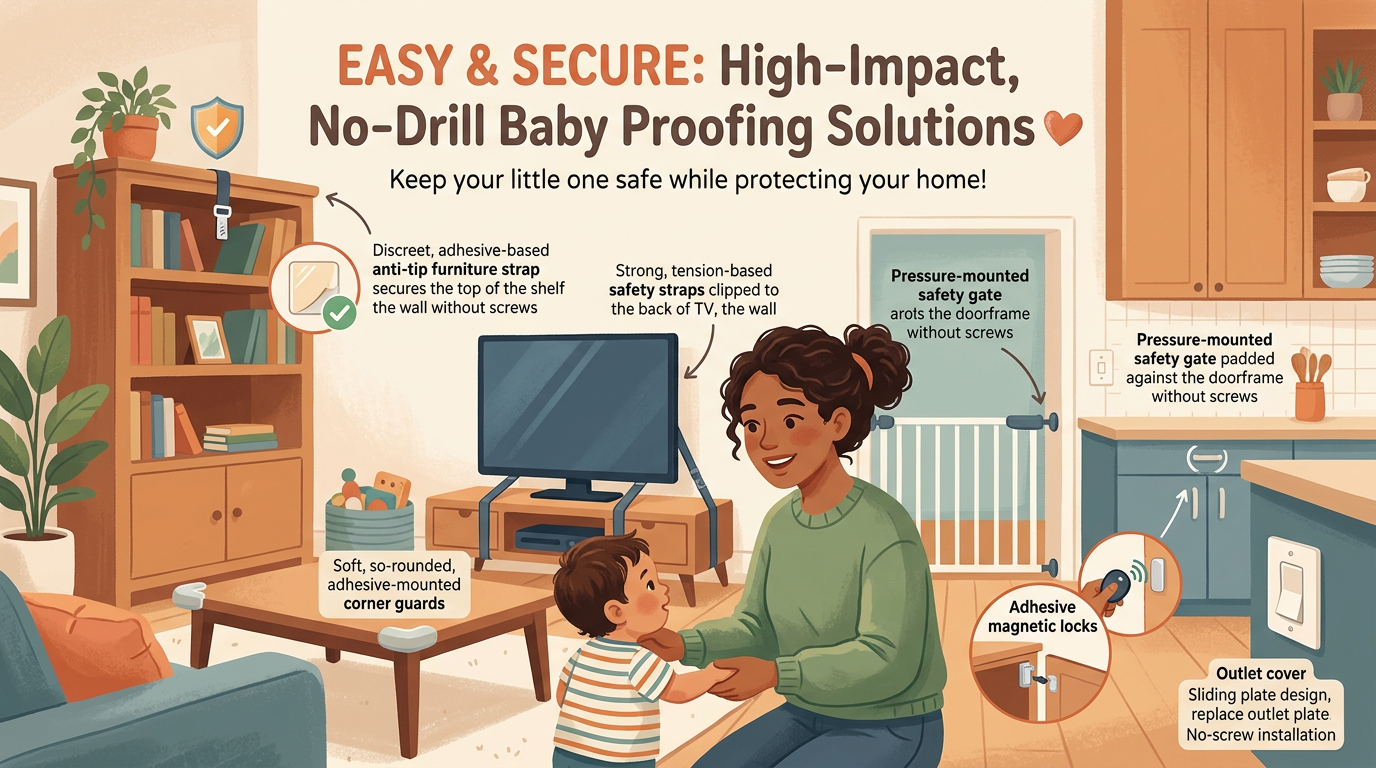
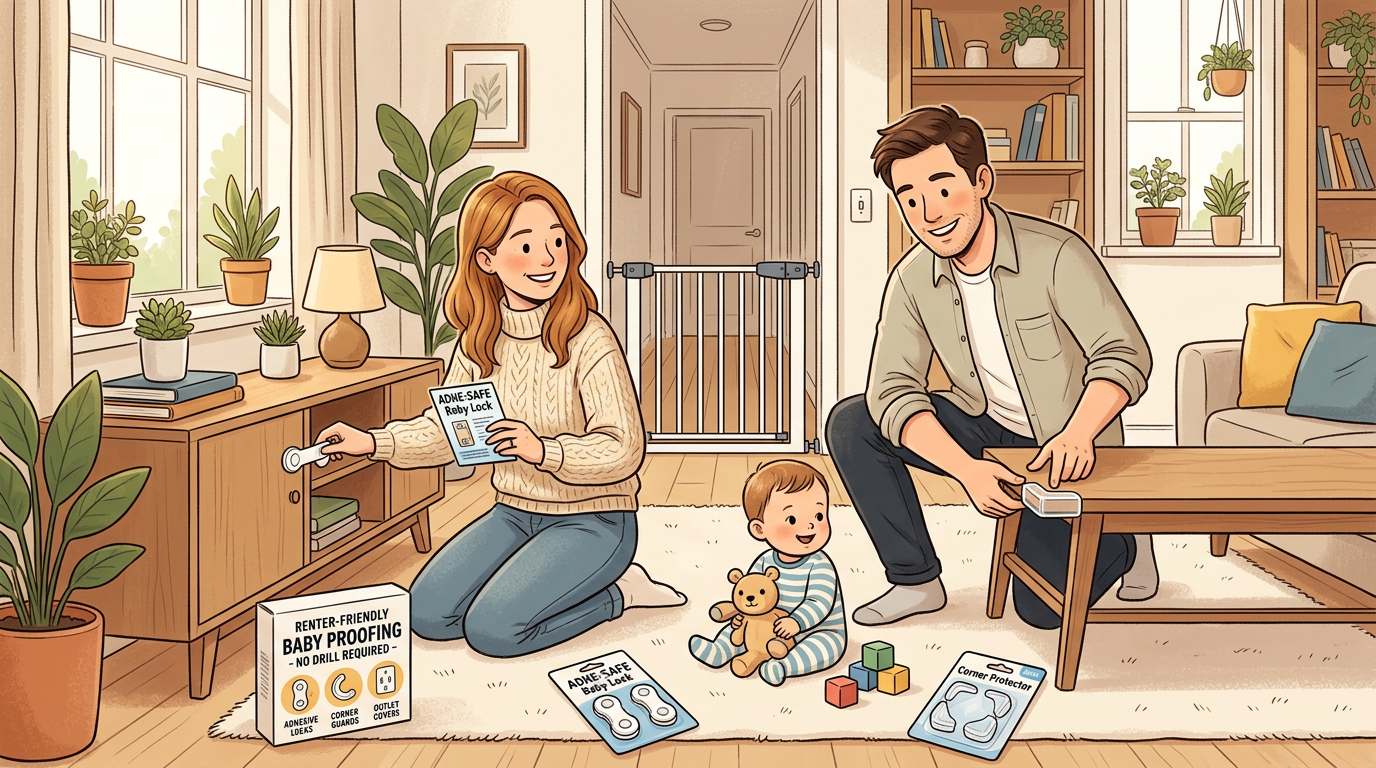
Cabinet locks are one of the easiest renter wins because many strong options use adhesive instead of screws. They can secure kitchen and bathroom storage without changing cabinet faces or hinges. Cord winders, outlet covers, corner guards, and many door controls also install without permanent hardware.
Pressure-mounted gates can work well for doorways and some low-risk openings when used according to manufacturer instructions. They are especially useful in apartments where drilling into trim or walls is discouraged. But remember that CPSC guidance is explicit: for the top of stairs, use gates that screw to the wall rather than relying on pressure only.
Furniture anchoring is the place where renters often hesitate most. Yet it is also where the risk of waiting can be highest. Some families can work with landlord approval, repairable anchors, or placement changes that reduce climbing temptation, but the goal should always be a stable, non-tipping setup.
Quick checklist
- ✓Use adhesive cabinet locks in kitchens and bathrooms.
- ✓Add removable cord control and outlet covers throughout the home.
- ✓Use pressure-mounted gates only in appropriate, lower-risk locations.
- ✓Get written landlord approval for anchors or wall-mounted safety hardware when needed.
Use layout and routine changes to reduce how much hardware you need
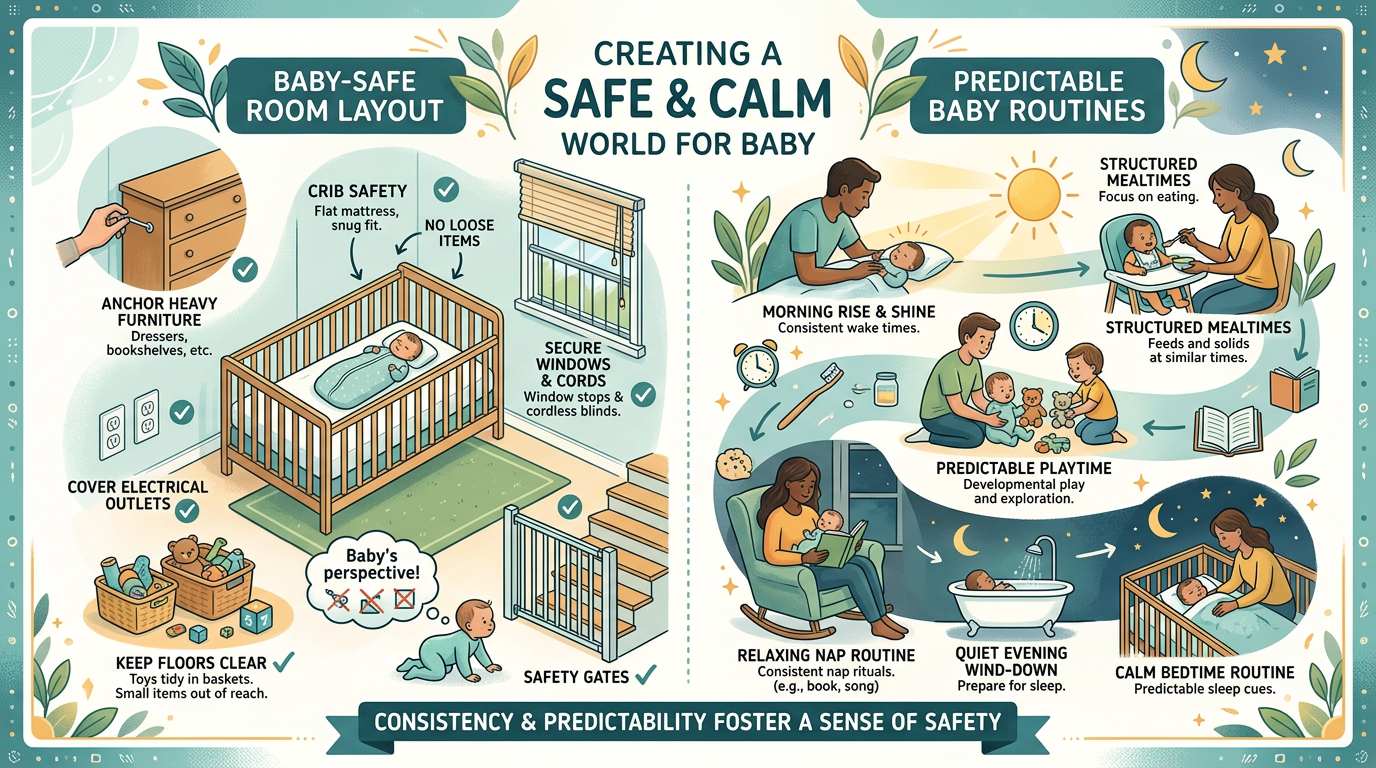
Good rental baby proofing often starts with furniture placement. Move climbable items away from windows. Keep bar stools pushed fully in. Create one safer play zone that is easier to supervise so the entire home does not need the same level of access all day.
Storage habits also matter more in small spaces. In apartments, entry tables, kitchen counters, and bathroom shelves are often within quick reach. If bags, keys, medicine, and chargers land there daily, no product will fully compensate for the routine.
Doors can do a lot of work in rentals. When a room is not fully childproofed, keeping it closed is sometimes the safest and simplest strategy. Add lever locks or pinch guards where they reduce the highest friction points for the family.
Quick checklist
- ✓Move furniture away from windows and balcony doors.
- ✓Keep bags, keys, and medications off entry surfaces.
- ✓Use one safer play area to reduce whole-home chaos.
- ✓Use closed doors strategically for rooms that stay adult-only.
Where renters should not compromise
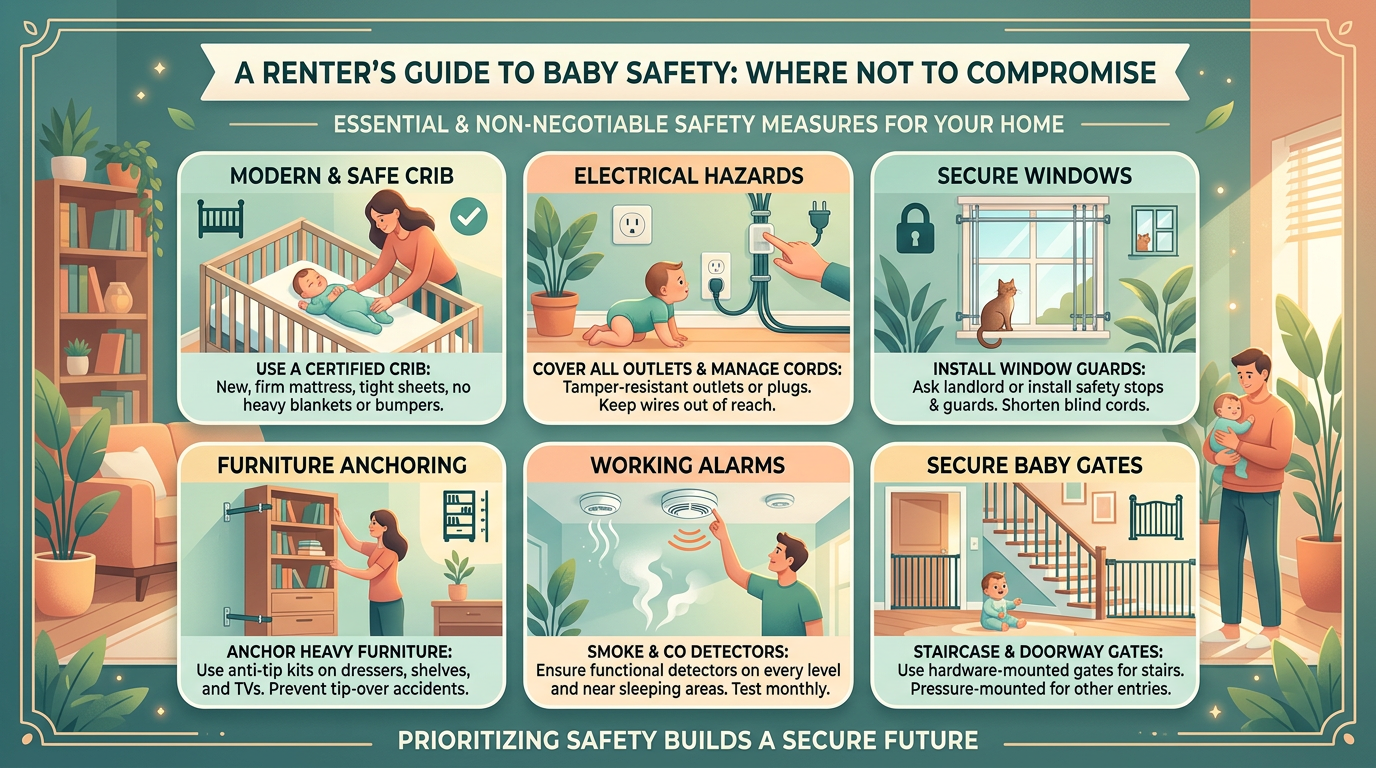
There are a few places where removable convenience should not override hazard severity. Top-of-stairs protection, major tip-over risks, and dangerous window access deserve more than a temporary mindset. If your best low-damage option still leaves a serious risk, it may be worth asking for landlord approval or using a patchable install method.
The goal is not a perfect apartment photo. It is a home where your child can move through the day with fewer chances for a severe injury. That standard applies whether you own the walls or not.
When in doubt, prioritize the upgrade that most meaningfully reduces injury risk, then plan the cleanup or patching later. Deposits matter, but so does having a child who can explore without a major household hazard waiting at the end of the hallway.
Make move-out easier from day one
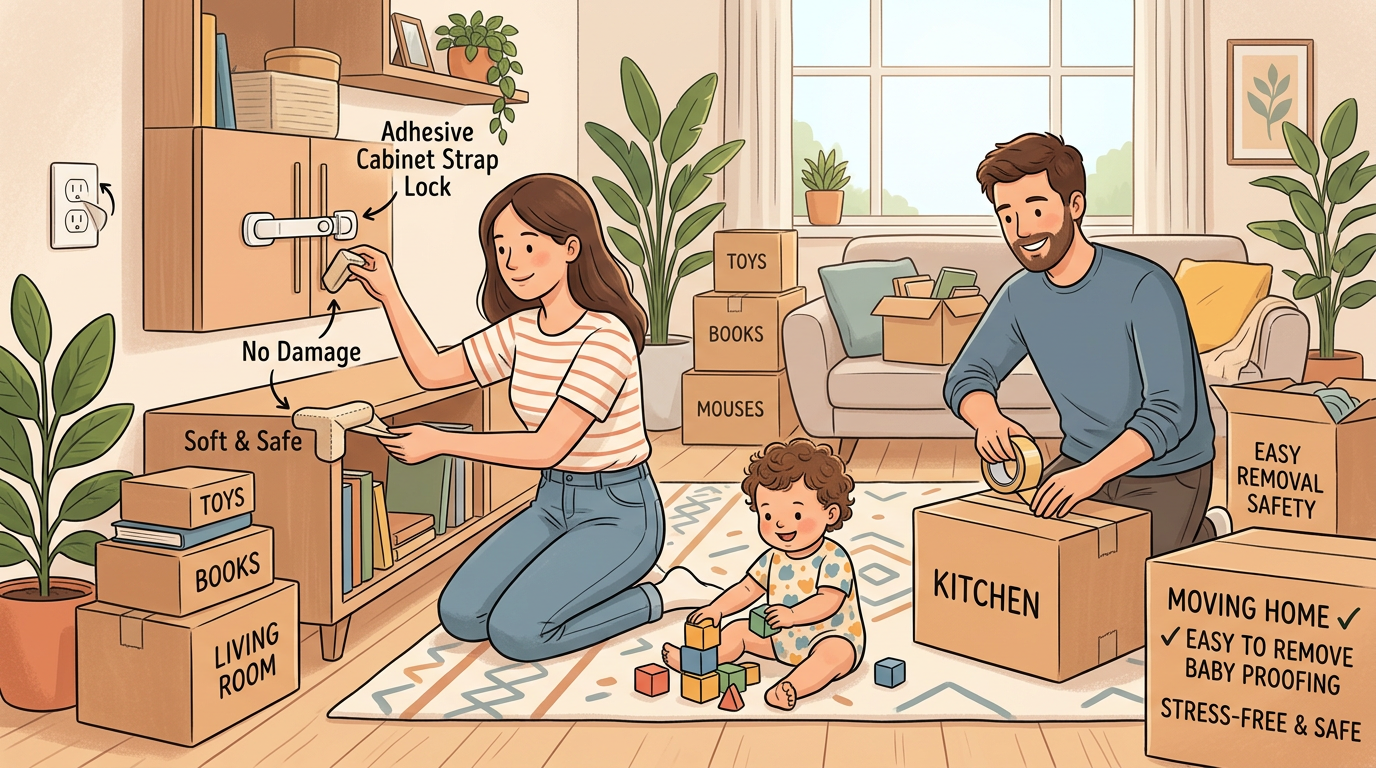
Save product instructions, adhesive removal tips, spare paint information, and any landlord approval emails in one place. That small step makes a huge difference when it is time to remove safety products later.
Choose products with clear removal guidance when possible, and test adhesives on less visible areas if you are unsure how a finish will respond. Document the original condition of sensitive surfaces before installing anything.
A good renter-friendly setup is both safe now and easier to reverse later. Planning for removal early helps you make smarter product choices and lowers the mental cost of installing what your child actually needs.
Frequently asked questions
Often yes for many common hazards. Adhesive cabinet locks, outlet covers, cord management, corner guards, and some doorway gates can all work without drilling. A few higher-risk areas may still need stronger hardware.
The best renter-friendly upgrades are the ones that meaningfully reduce risk while fitting the lease: adhesive locks, removable cord control, strategic furniture placement, door controls, and approved barriers where needed.
They can be appropriate for some lower-risk doorways or transitions, but they should not replace wall-mounted gates where stronger stair protection is needed. Always follow the gate’s instructions for approved use.
Use low-damage products where practical, document any approvals, keep instructions for removal, and focus your budget on the hazards that matter most rather than trying to buy every gadget at once.
Featured products
Affiliate linksProducts that support this guide
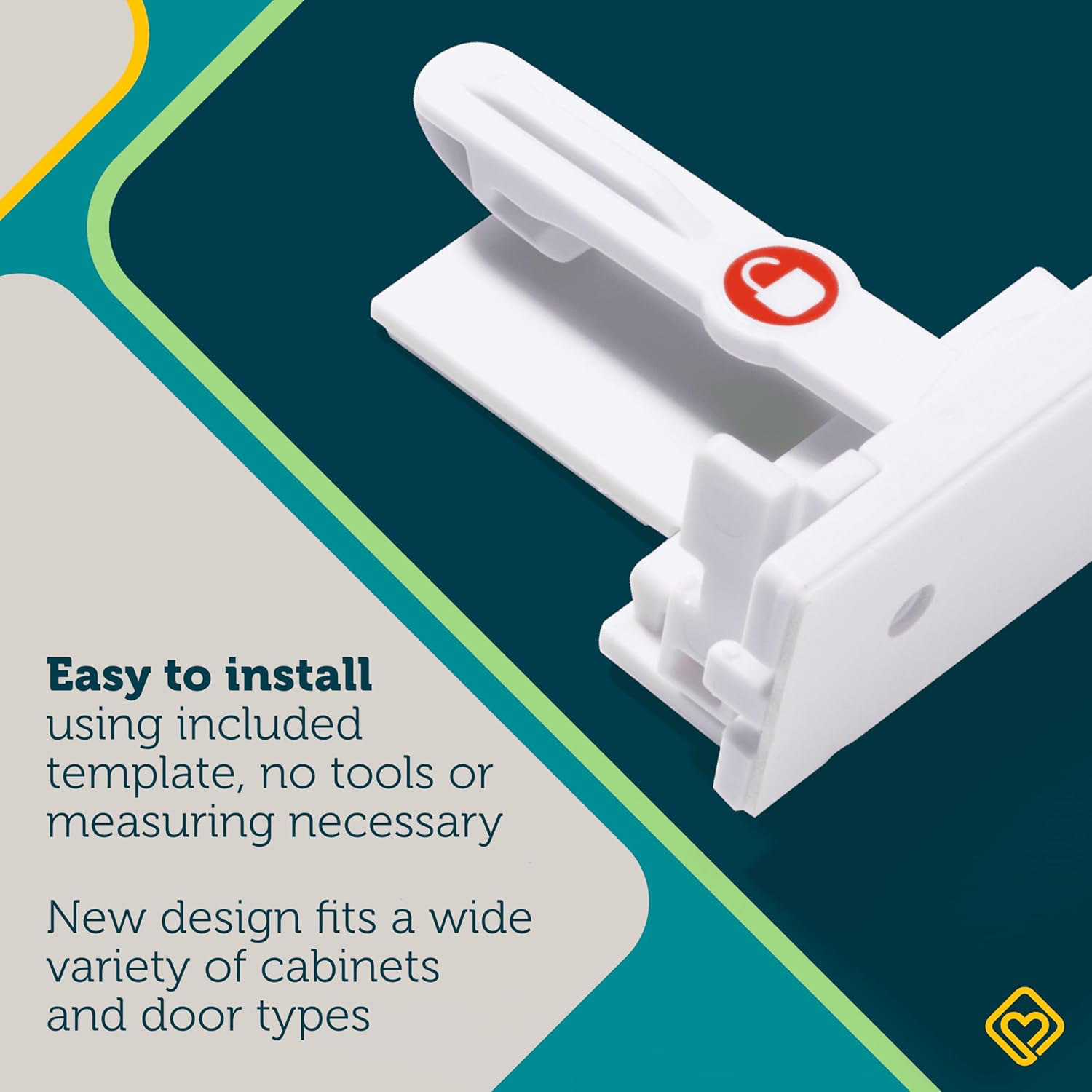
Adhesive Cabinet Locks (4-Pack) for Baby Proofing
Internal adhesive cabinet latches that help prevent toddlers from opening doors and drawers.
View product→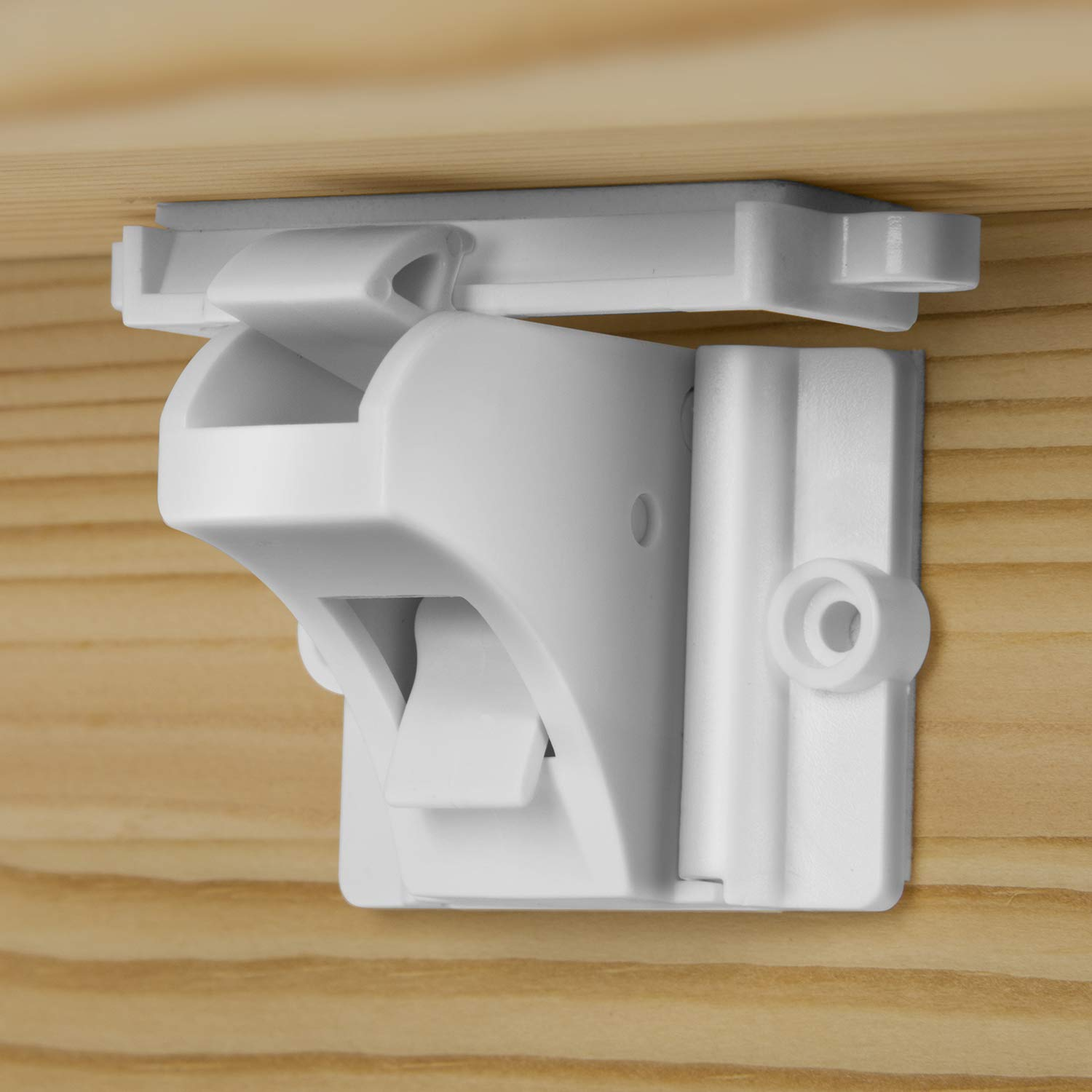
Vmaisi 20 Pack Magnetic Cabinet Locks Baby Proofing
Hidden magnetic cabinet locks that install inside cabinets and drawers for a clean look. Opened with a magnetic key, adhesive installation with no drilling required. 20-pack with keys included.
View product→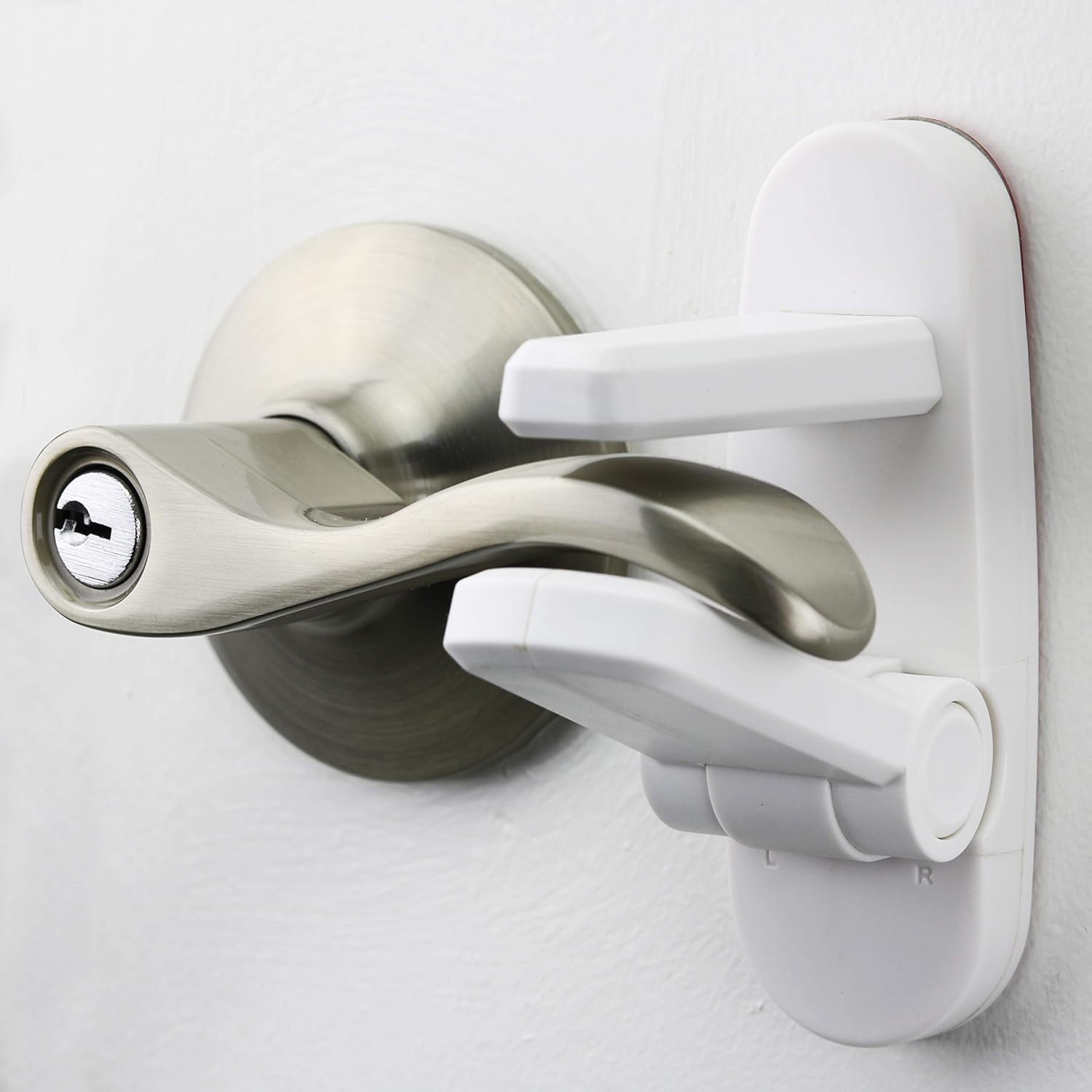
Wappa Baby Door Lever Lock (2 Pack)
Adhesive door lever locks that keep toddlers from opening lever-handle doors while still allowing adult one-hand operation.
View product→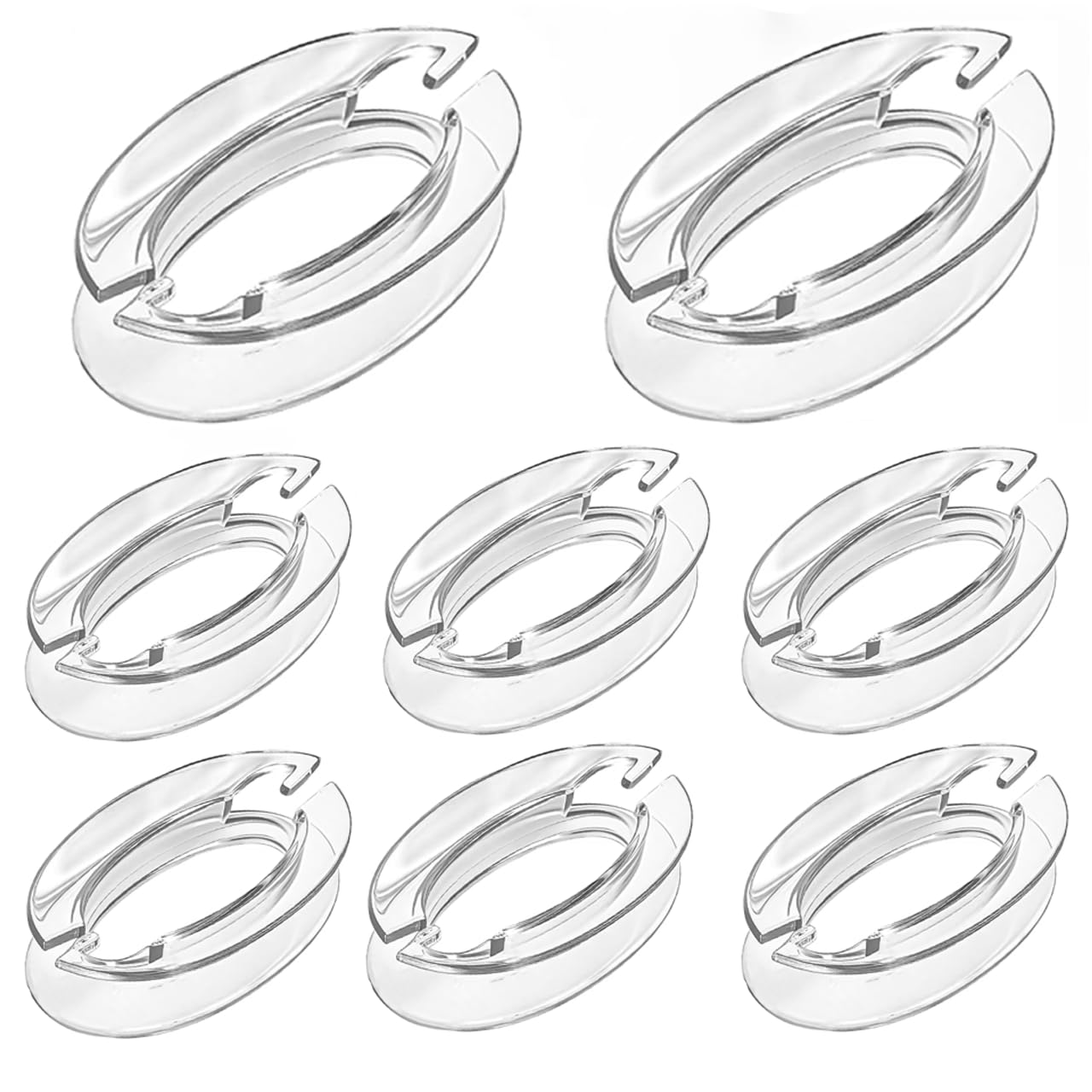
Dreambaby Blind Cord Wind-Ups
Helps keep dangling blind cords out of reach of children to prevent entanglement.
View product→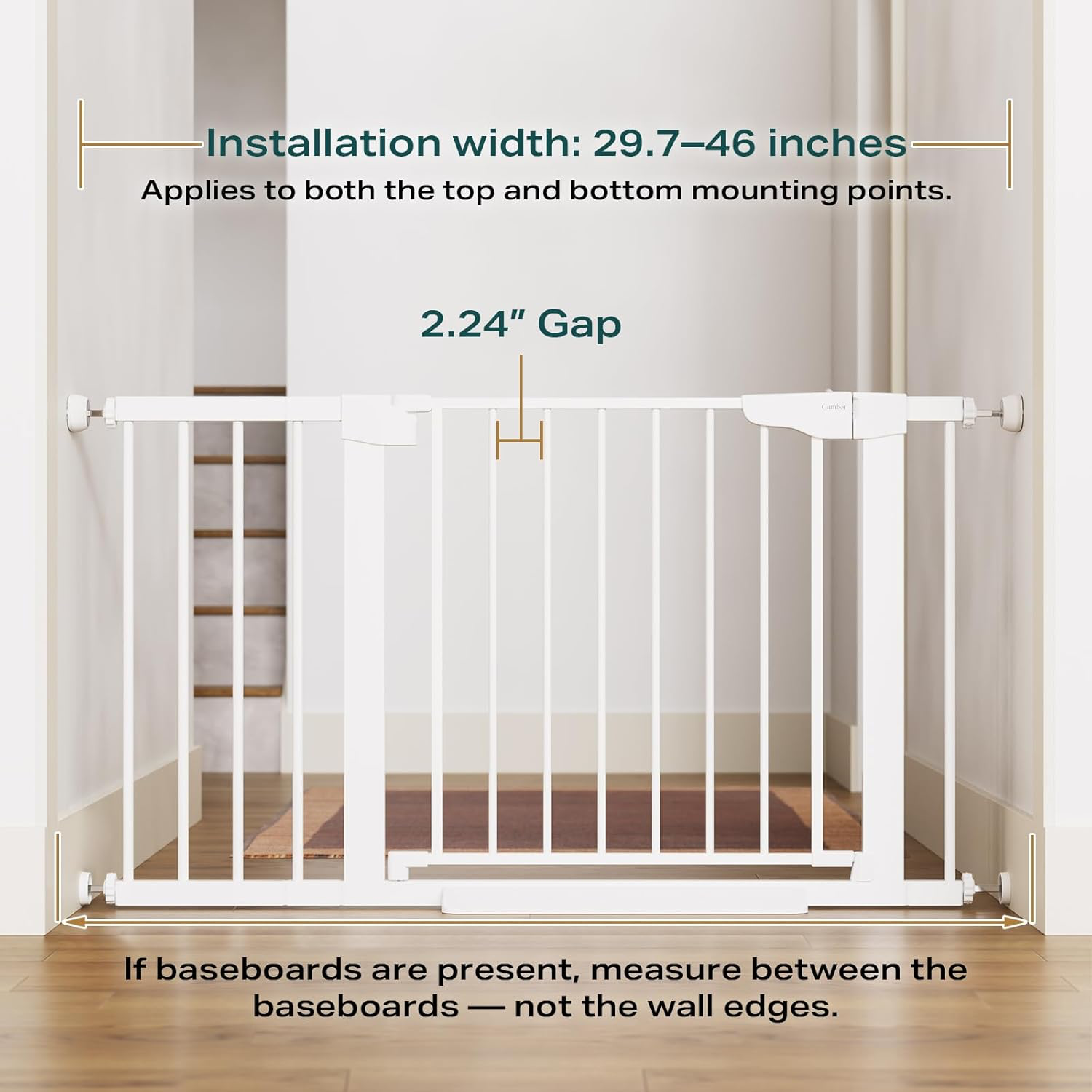
Pressure-Mounted Baby Gate for Doorways
No-drill pressure gate for doorways and low-risk openings to create clear child-safe zones.
View product→Last reviewed
Sources used for this guide
Reviewed on March 17, 2026. This content is educational and practical, but it is not a substitute for professional safety inspections or medical advice.
U.S. Consumer Product Safety Commission
Childproofing your home: 12 safety devices to protect childrenU.S. Consumer Product Safety Commission
Anchor It! furniture tip-over safetySafe Kids Worldwide
Protecting children in your home