Baby Proofing Your Bathroom
Bathrooms combine water hazards, hard surfaces, medicines, and cleaning products in one compact room, which is why access control matters so much here.
Why this room matters
A bathroom can go from routine to dangerous very quickly because the room is small, slippery, and full of products adults use every day without thinking twice.
Common hazards
- ✓Standing water in tubs and toilets.
- ✓Medicines, cosmetics, razors, and hair tools on counters.
- ✓Cleaning products in low under-sink storage.
- ✓Slippery floors during bath and bedtime routines.
Safety checklist
Start with the hazards your child can already reach, then revisit this checklist after the next mobility leap.
- ✓Install a toilet lock to help reduce drowning risk.
- ✓Use anti-slip mats in the tub and on the floor.
- ✓Store medications and cleaners high or in locked storage.
- ✓Use faucet or spout covers where hard edges are exposed.
- ✓Keep the bathroom door controlled when the room is not in use.
Room walkthrough
A walk through the bathroom with a baby-proofing lens
The bathroom door is the foundation
Most bathroom safety reduces to one rule: the bathroom door stays closed when an adult is not in the room. A toilet lock, a spout cover, and an under-sink cabinet lock all reinforce that rule, but none of them substitute for it. Households where everyone — adults, older kids, visitors — closes the bathroom door reliably will see far fewer incidents than households that depend on individual product fixes.
If your bathroom door does not currently latch reliably, fix that first. A door that swings open easily creates a gap in the rule that no internal product can close.
Water is the most serious hazard
Bathroom drowning risk is real for very young children. The toilet, the tub, and even a few inches of standing water in a sink can cause serious harm. A toilet lock is the most common product response, and it works well, but it is most effective as reinforcement of the closed-door rule.
Water temperature is the second water hazard, and it is widely overlooked. Many home water heaters ship from the factory at 140°F, which can cause serious burns to thin children's skin in seconds. Lowering the water heater thermostat to 120°F is a free, one-time change that prevents the most severe bathtub burn injuries. Check yours, then check it again — water heaters drift over time.
Storage and surfaces
After water, the highest-stakes hazards in a bathroom are medications, razors, and cleaning products. Medications belong in a locked, high cabinet — not the medicine cabinet over the sink, which most toddlers learn to climb to. Razors and hair tools live on counters in many homes; move them up or unplug and stash them after each use.
Bath time itself benefits from a few small upgrades: an anti-slip mat in the tub, a soft spout cover to absorb the inevitable head bumps, and a temperature check before every bath even after lowering the water heater. Leaving the room for any reason during bath time, even briefly, is the most common source of serious bathroom injuries.
Treat the bathroom as a room your child enters only with you. Most product fixes here are about hardening that boundary, not loosening it.
Related reading
Guides that support your bathroom plan
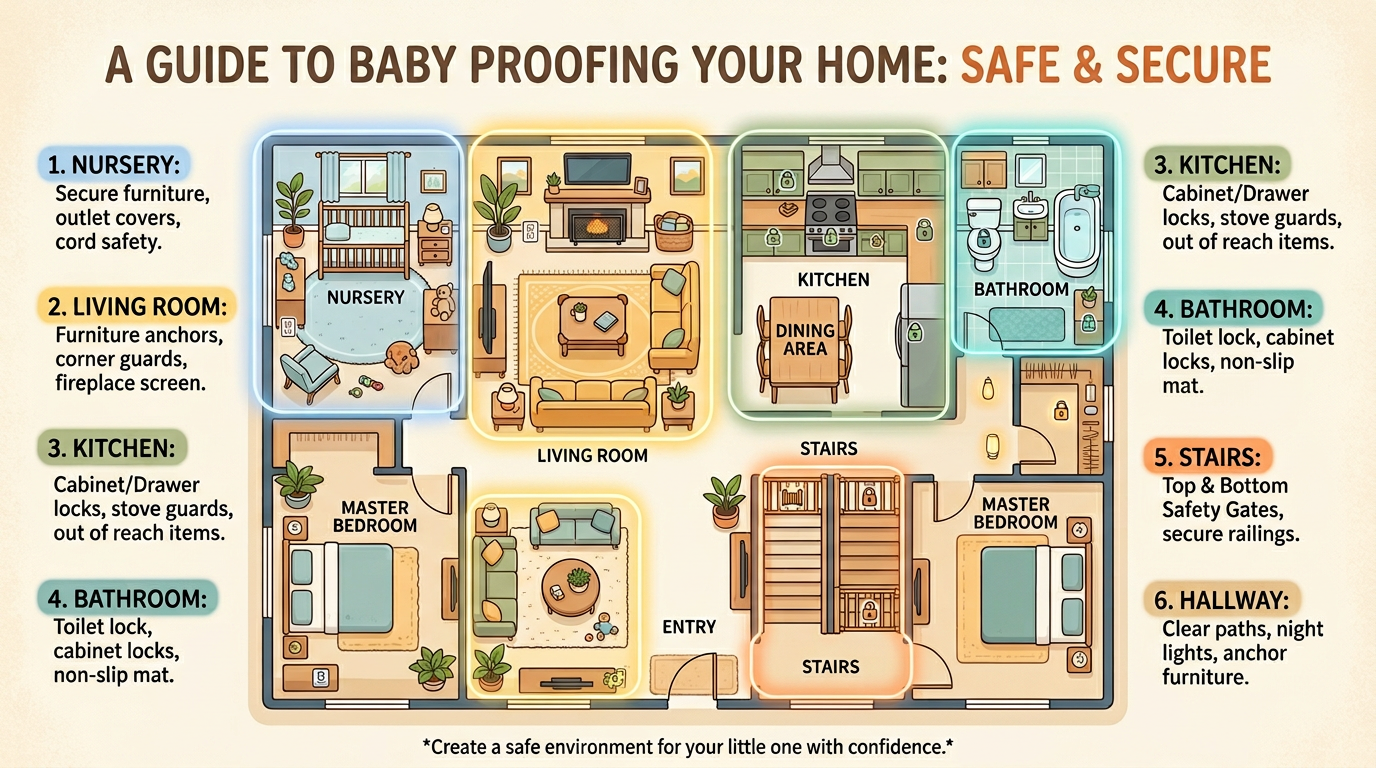
Baby Proofing Checklist: Room-by-Room Safety Priorities for the Whole House
A practical whole-home baby proofing checklist that helps parents think through common considerations in each room, with editorial product picks and next steps.
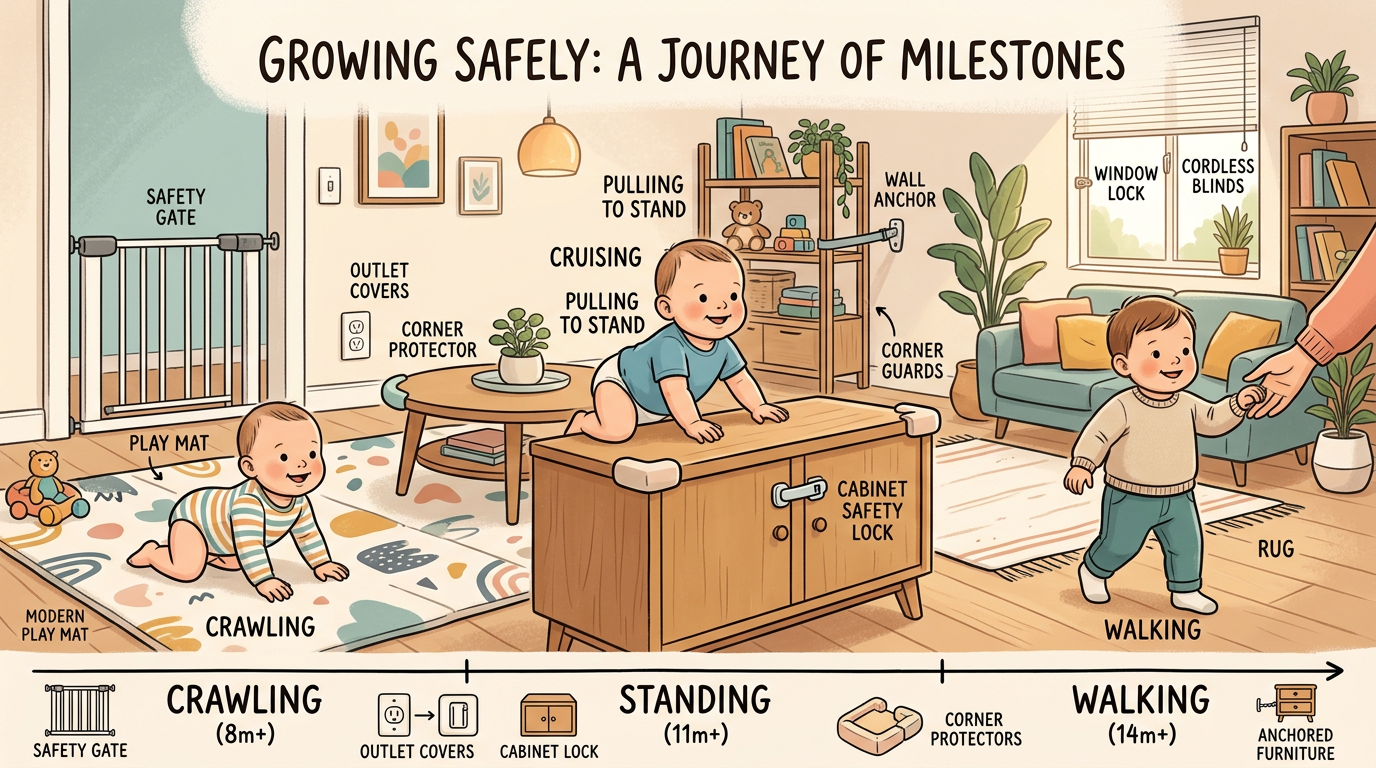
Age-by-Age Baby Proofing Checklist: What to Secure Before Crawling, Walking, and Climbing
A stage-based baby proofing guide that helps parents match home safety upgrades to the skills their child is about to unlock next.
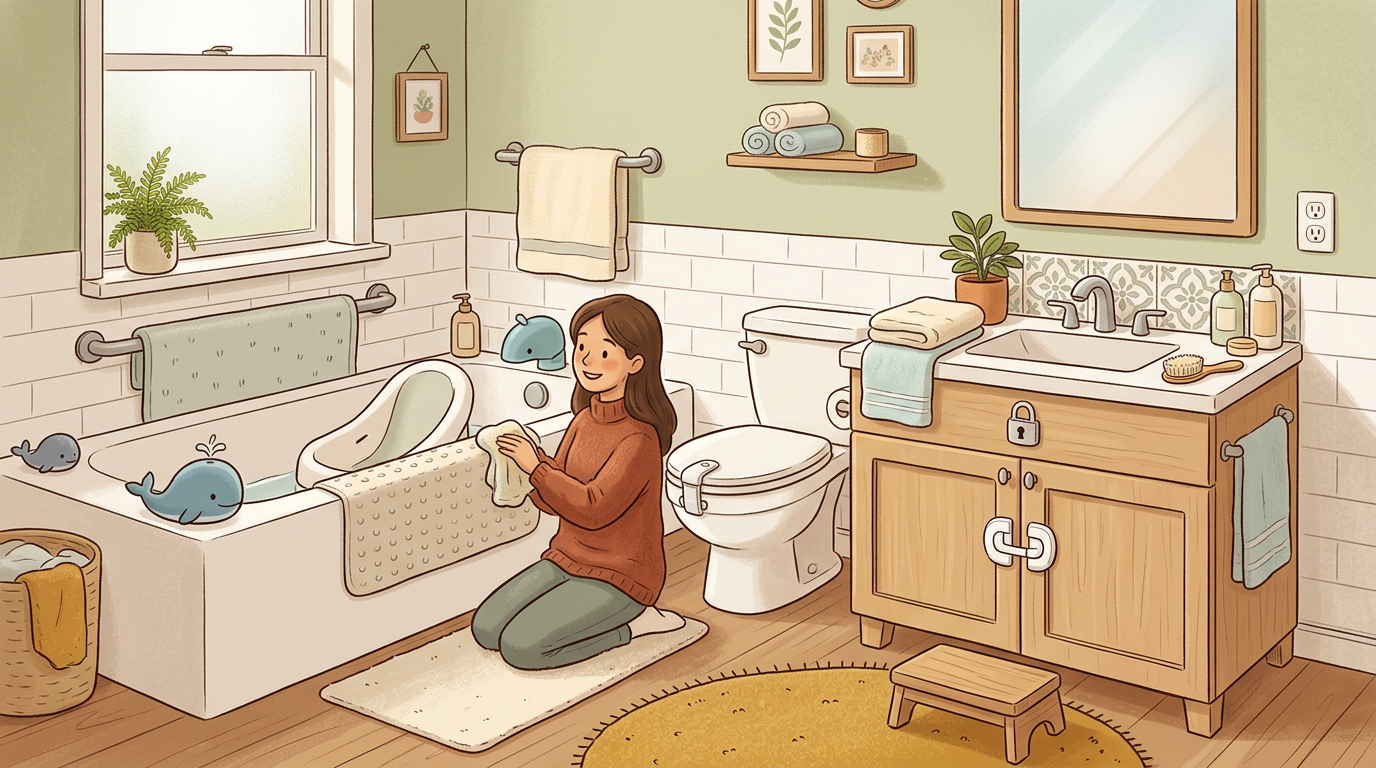
How to Baby Proof Your Bathroom: Water, Medicine, and Slip Risks to Fix First
A parent-friendly bathroom baby proofing guide covering standing water, medicine access, cleaner storage, slippery surfaces, and the products that help reduce risk.
Featured products
Use these product pages to compare options, room fit, and related categories.
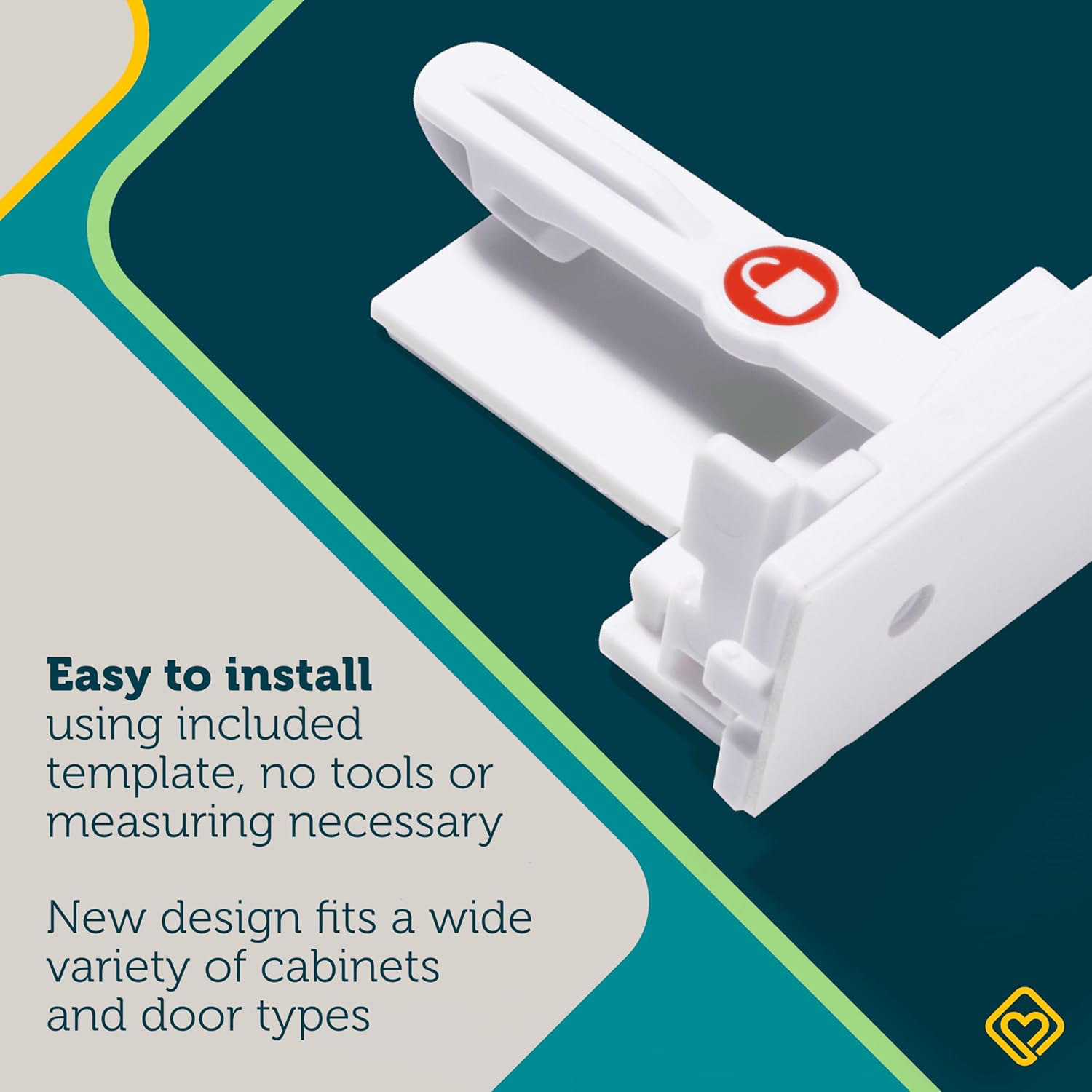
Adhesive Cabinet Locks (4-Pack) for Baby Proofing
Internal adhesive cabinet latches that help prevent toddlers from opening doors and drawers.
View details →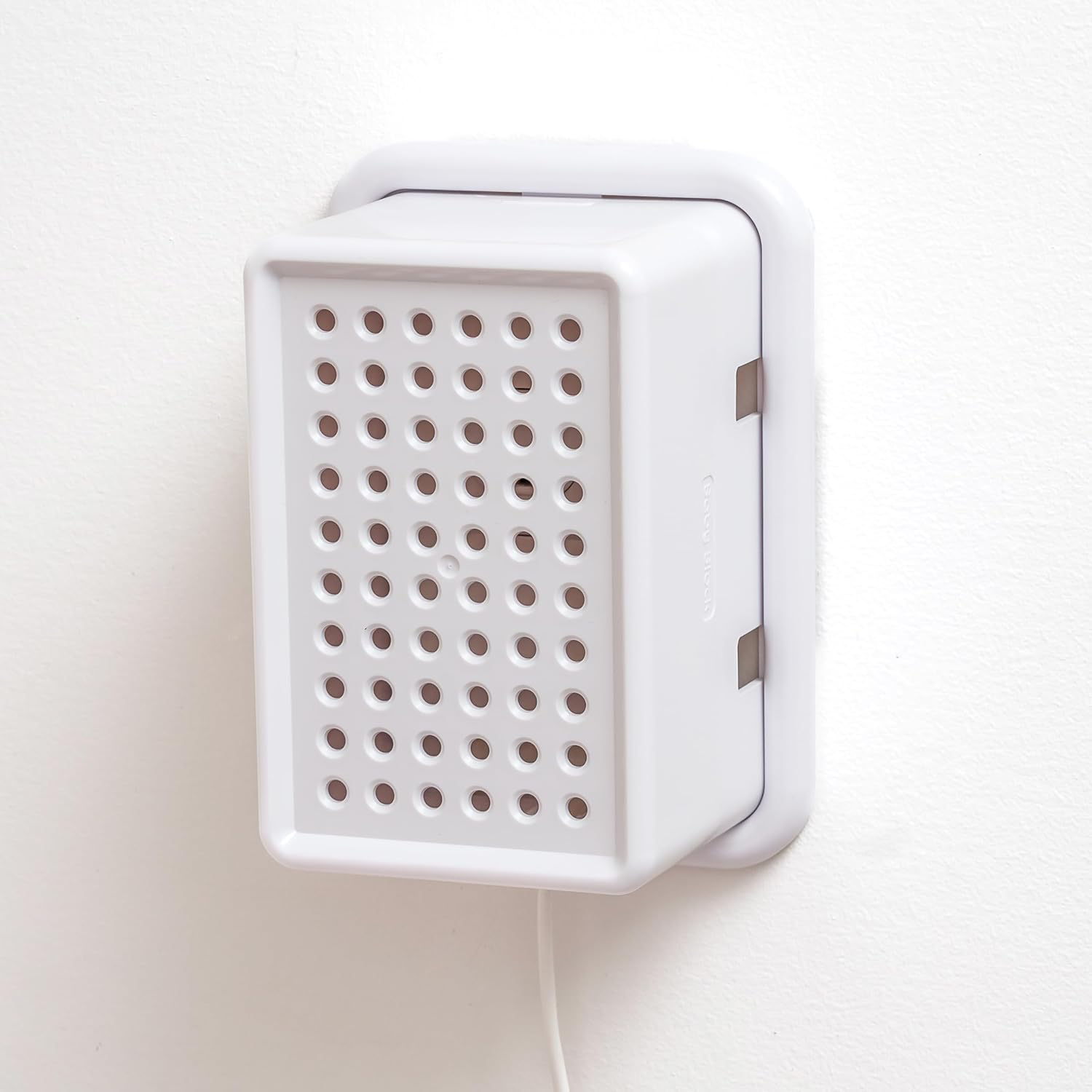
Outlet Plug Covers (24-Pack) Childproof Socket Protectors
Simple press-fit outlet caps that block unused electrical sockets from curious little fingers.
View details →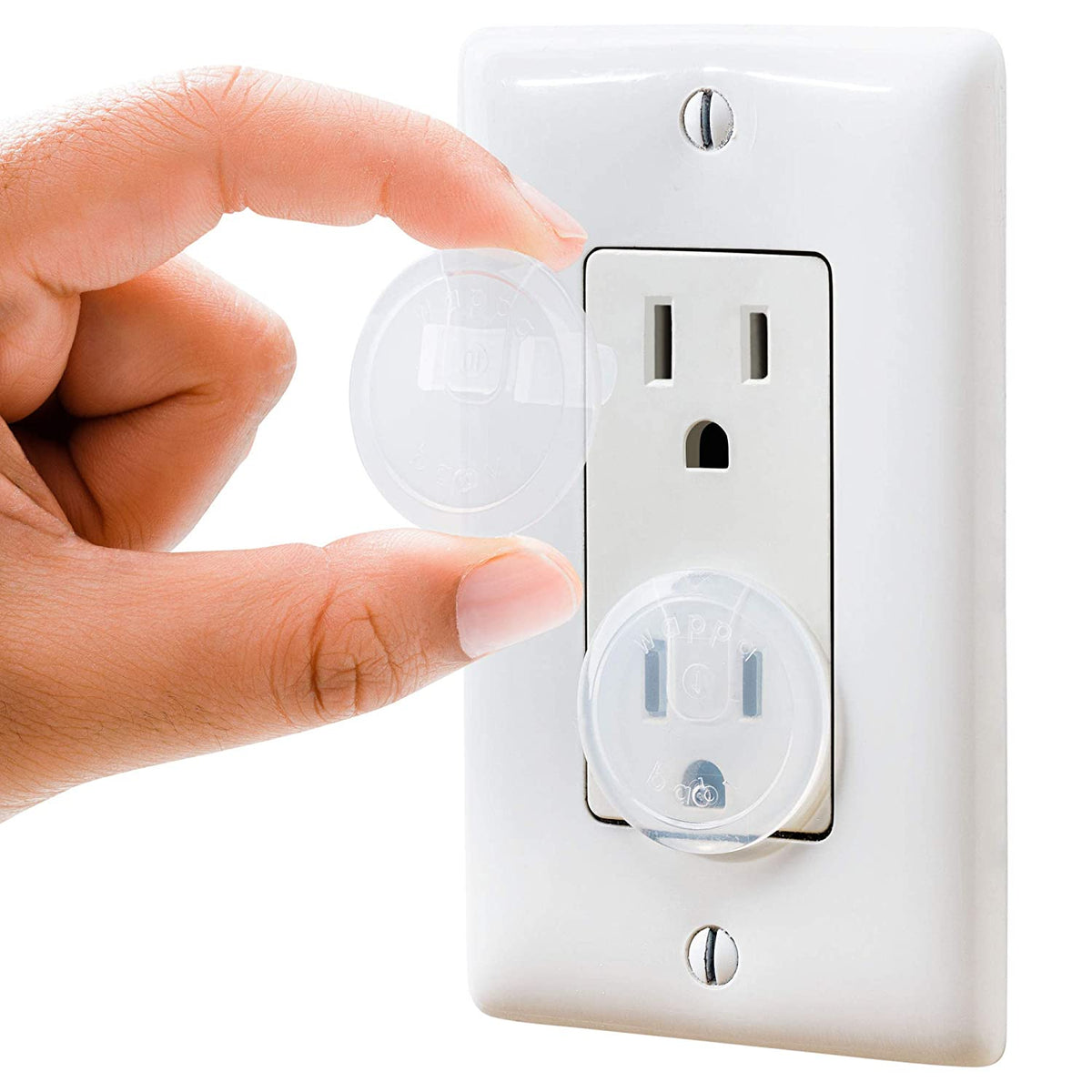
Wappa Clear Outlet Covers (50 Pack)
Transparent 50-pack of press-fit outlet plug covers for unused standard wall outlets across a whole home.
View details →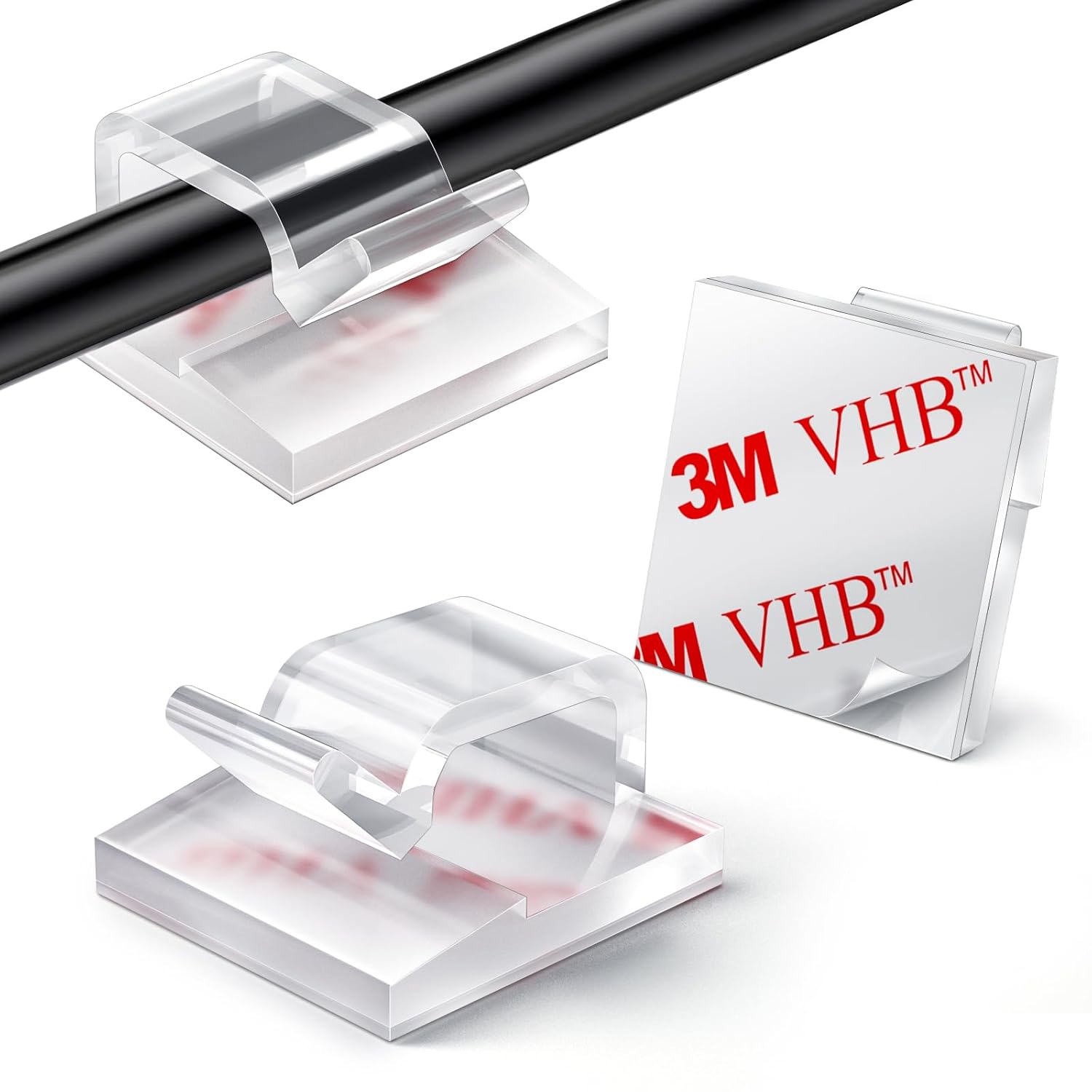
KGROTE 100PCS Adhesive Cable Clips
Small clear adhesive clips that route light cords and cables along walls, furniture, or desks so loose runs are less tempting and less likely to snag.
View details →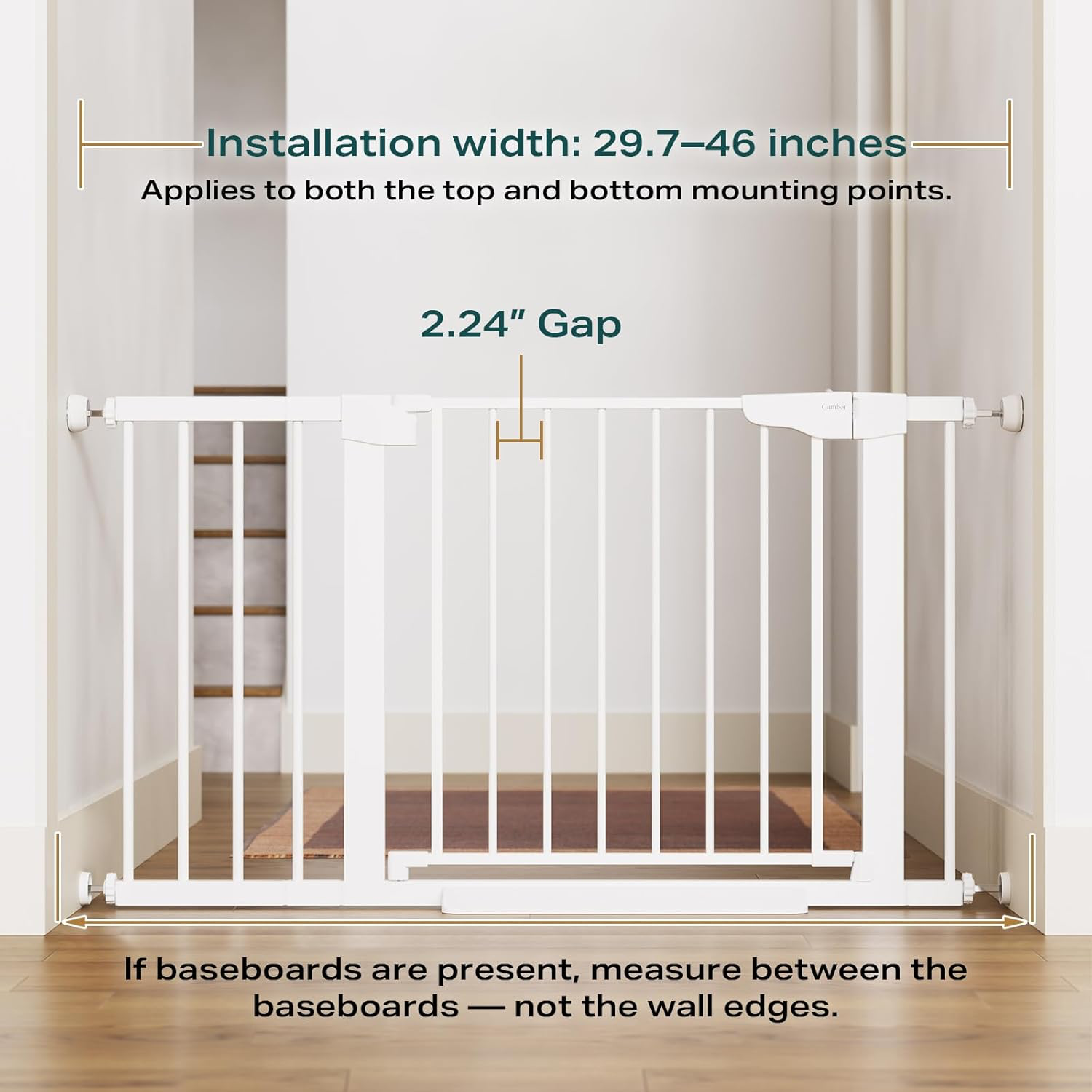
Pressure-Mounted Baby Gate for Doorways
No-drill pressure gate for doorways and low-risk openings to create clear child-safe zones.
View details →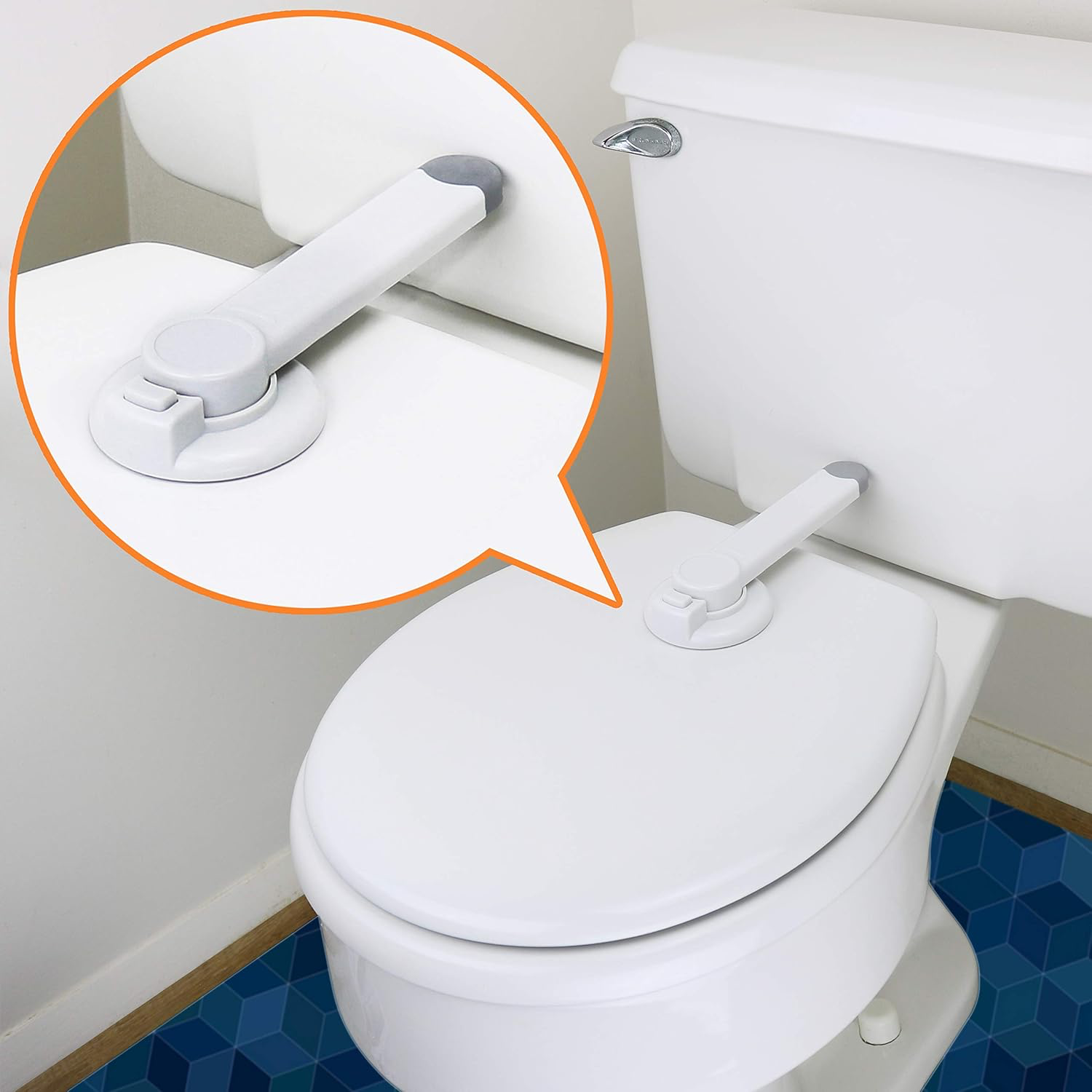
Wappa Baby Toilet Lock
Adhesive toilet lid lock that keeps curious toddlers from opening the toilet. No tools needed for installation, uses strong 3M adhesive, fits most standard toilets.
View details →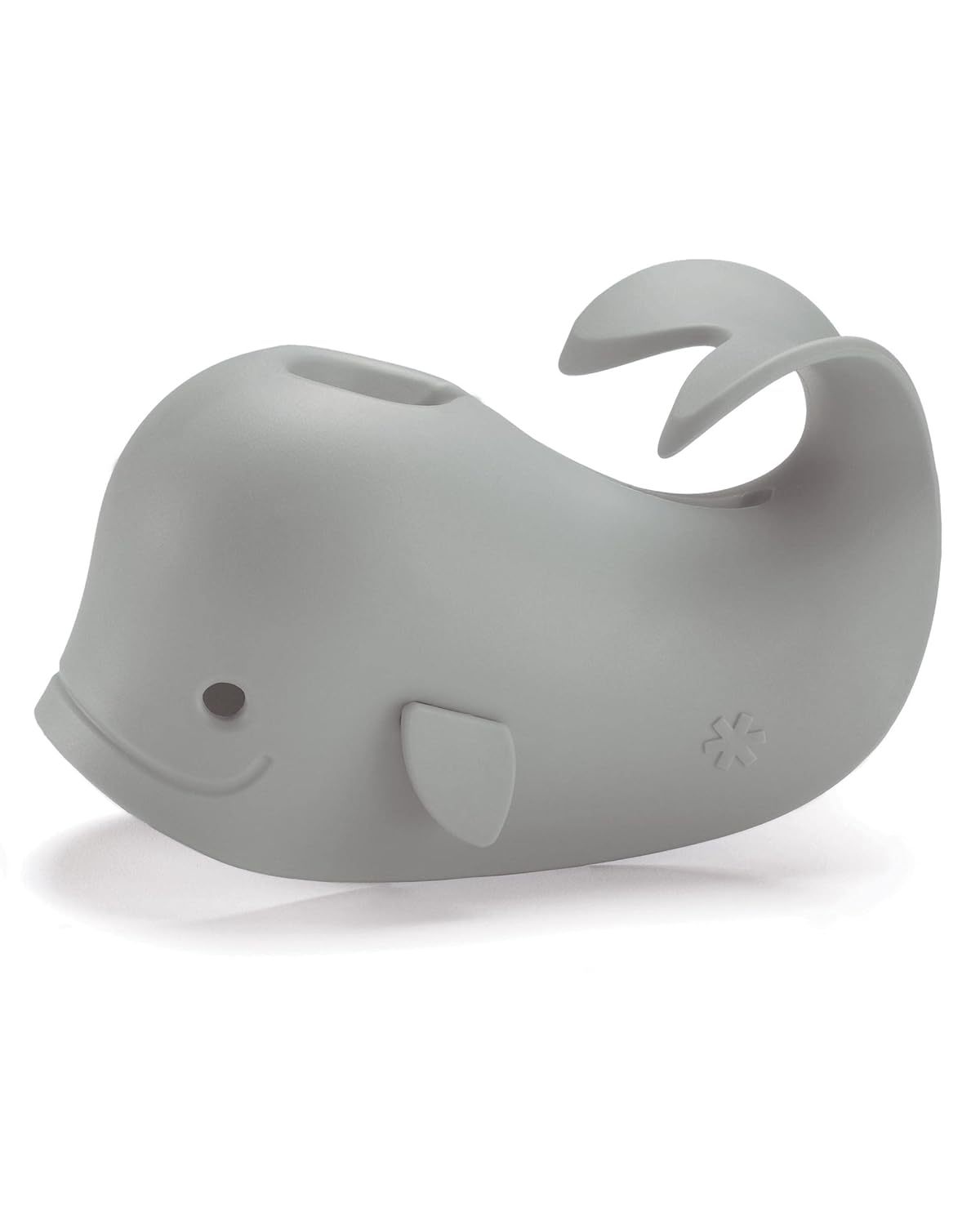
Skip Hop Moby Bath Spout Cover
Soft rubber spout cover in a whale shape that protects baby from bumping their head on the bath spout.
View details →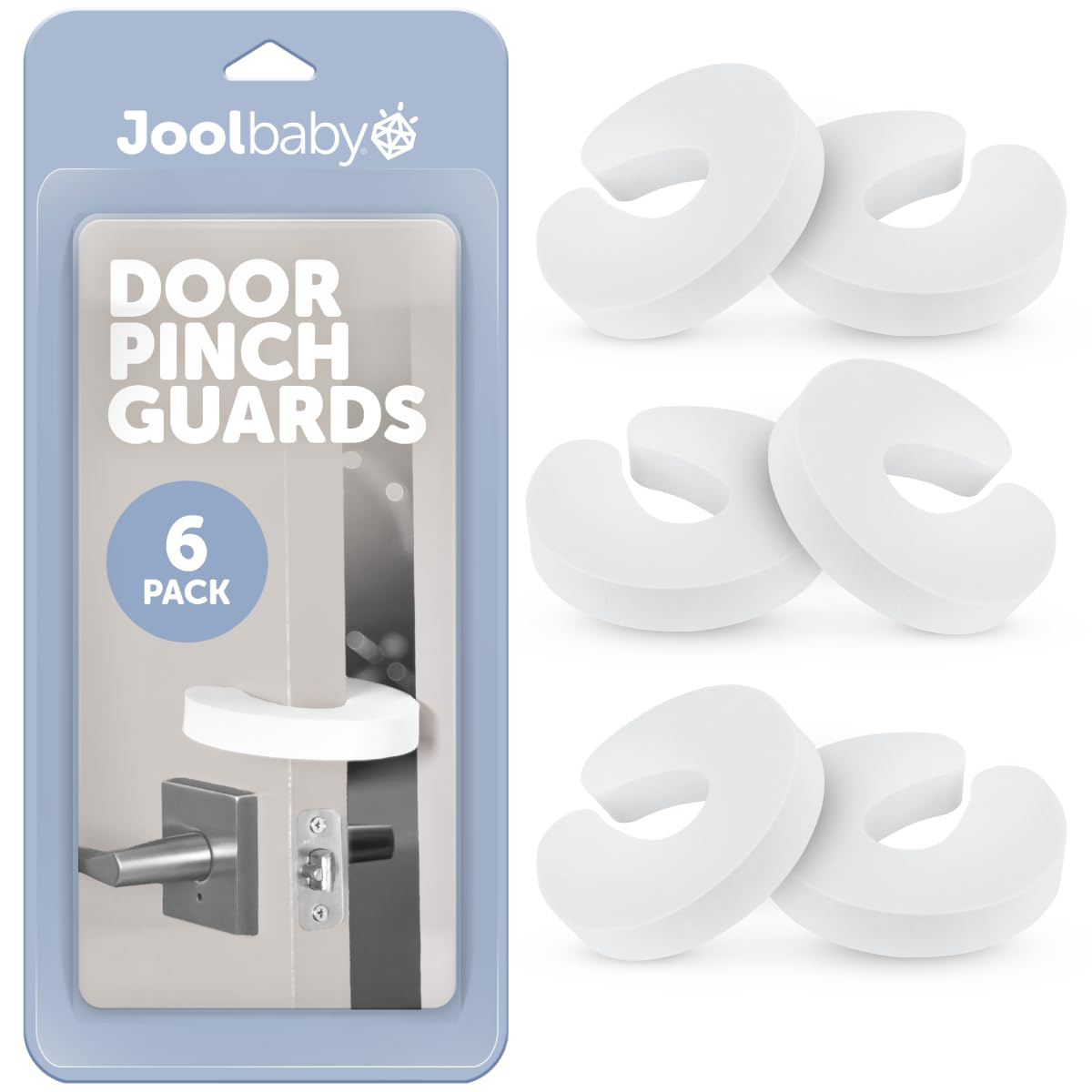
Jool Baby Door Pinch Guards (6 Pack)
Soft EVA foam door stoppers that prevent doors from fully closing, protecting little fingers from getting pinched. Also prevents door slamming and keeps pets from getting locked in rooms.
View details →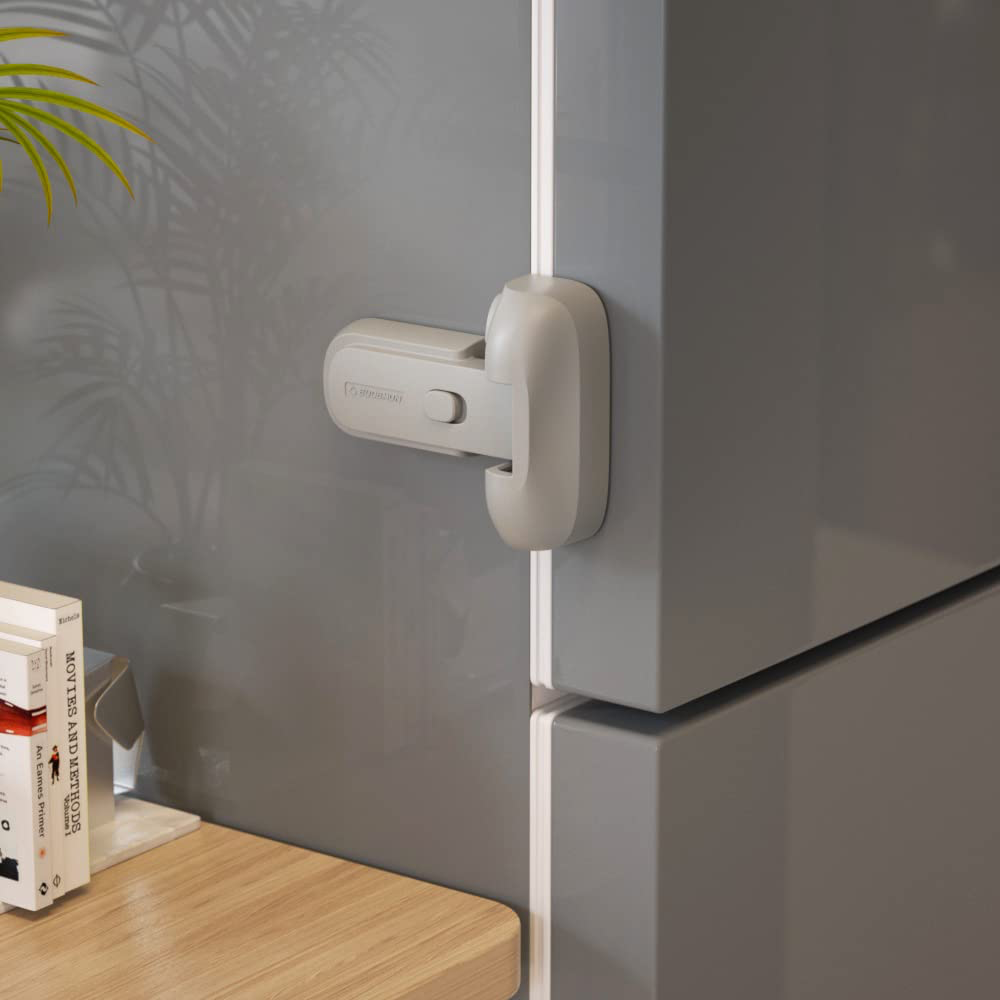
5 Pack Child Proof Refrigerator Lock, Baby Proofing Cabinet Locks, Oven Lock Child Safety, Fridge Lock, for Fridge, Drawers, Dishwasher, Oven, Cupboard, Closet, Adhesive, No Tools Need
Adhesive 5-pack of multi-use child safety latches for refrigerators, cabinets, drawers, dishwashers, ovens, and cupboards.
View details →Roocickee Adjustable Cabinet Strap Locks (10 Pack)
A 10-pack of adjustable adhesive strap locks for cabinets, drawers, refrigerators, trash cans, toilet seats, and other odd-shaped access points.
View details →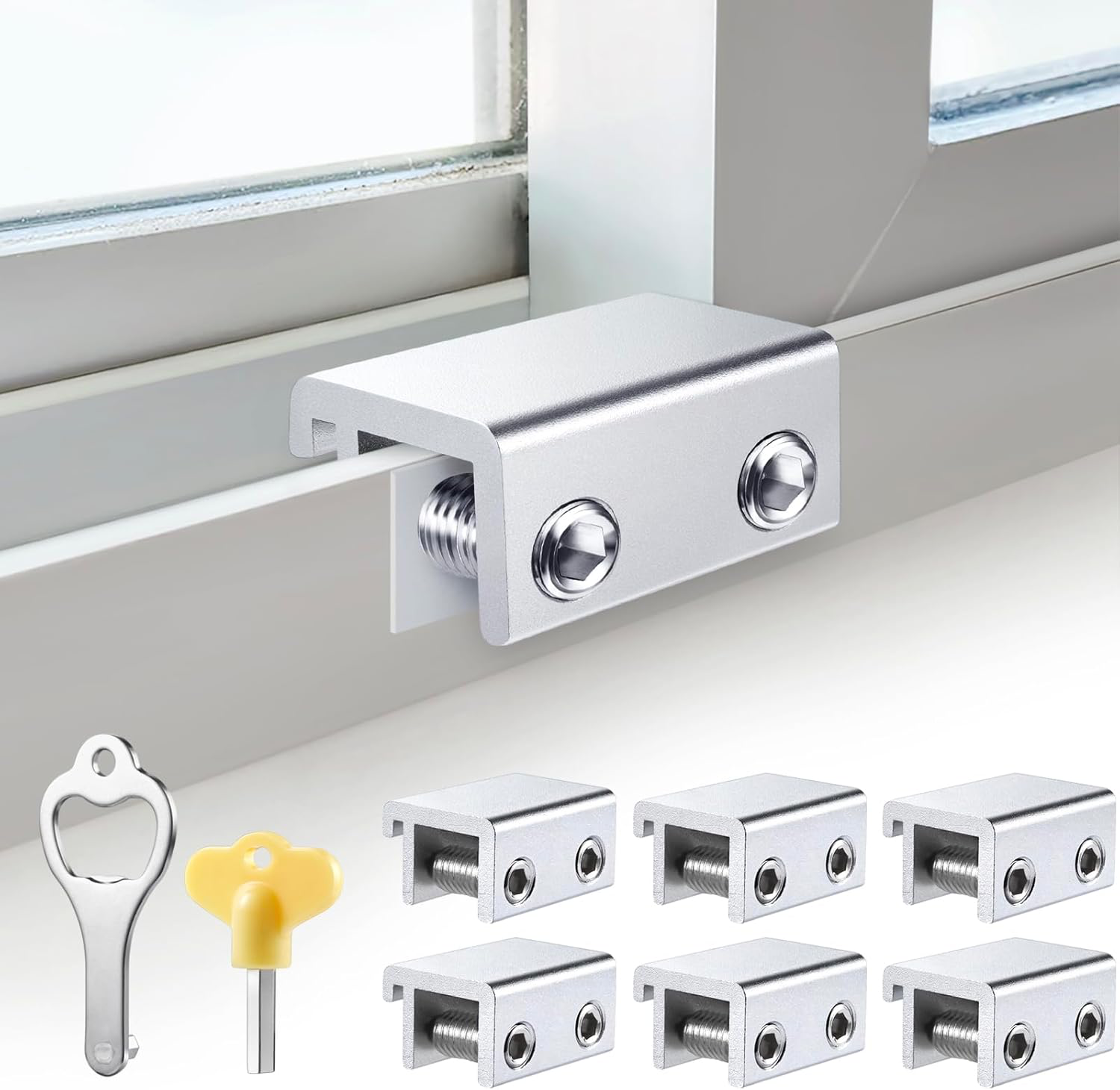
Sliding Window Locks
Adjustable security locks for sliding windows and doors to prevent children from opening them.
View details →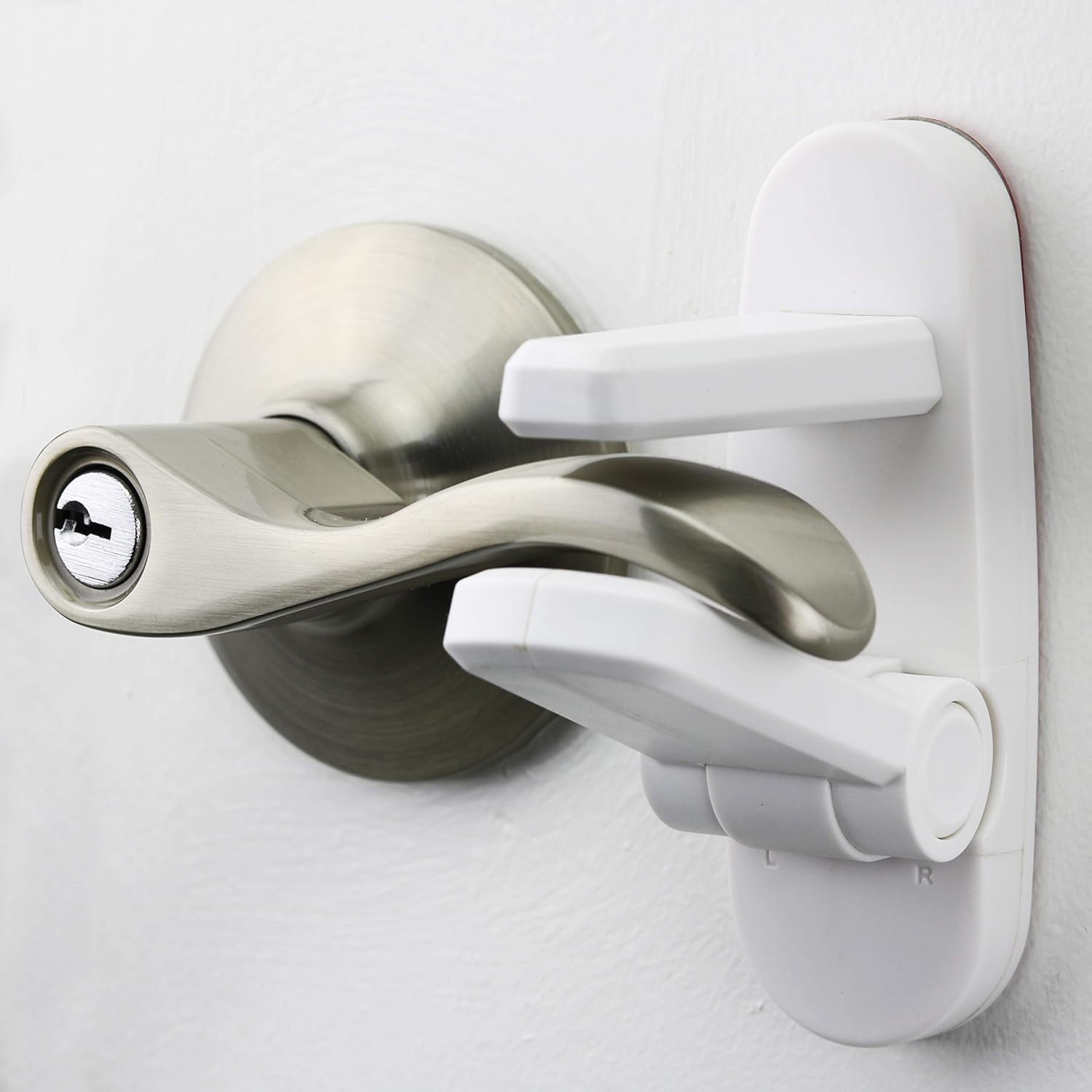
Wappa Baby Door Lever Lock (2 Pack)
Adhesive door lever locks that keep toddlers from opening lever-handle doors while still allowing adult one-hand operation.
View details →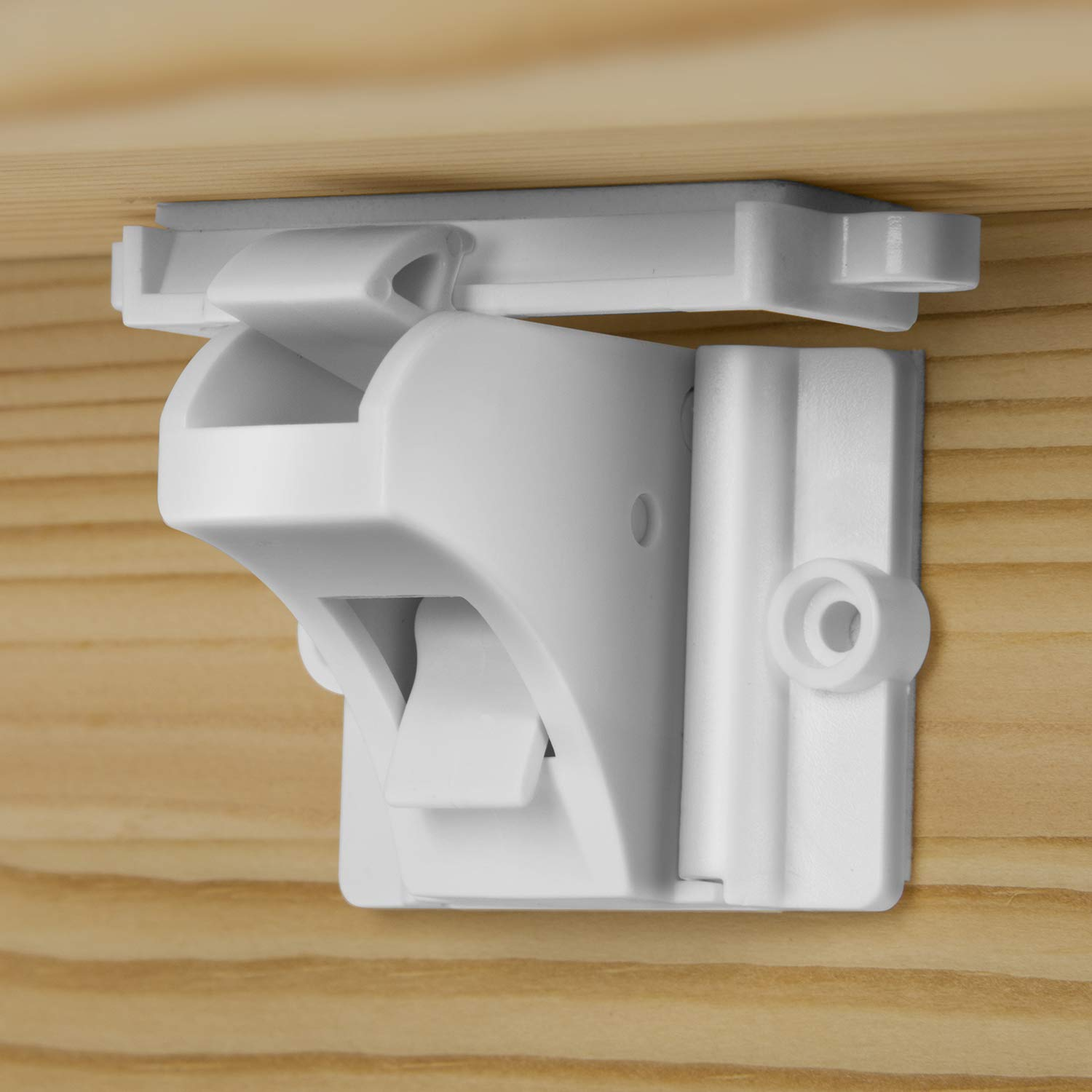
Vmaisi 20 Pack Magnetic Cabinet Locks Baby Proofing
Hidden magnetic cabinet locks that install inside cabinets and drawers for a clean look. Opened with a magnetic key, adhesive installation with no drilling required. 20-pack with keys included.
View details →
LifeVac Home Choking Rescue Device
A non-powered suction device used as a last resort during a choking emergency when back blows and abdominal thrusts have failed. Keep one in the kitchen and one in the diaper bag.
View details →