Start with a secure perimeter
Before thinking about play equipment, check the edges of the yard. A continuous fence, gates that close and latch reliably, and exterior doors that cannot be opened by a toddler form the base layer of outdoor safety. A yard is only as safe as its least-secure gate.
Self-closing, self-latching gates with latches out of toddler reach are the gold standard, especially if you have a pool, pond, or road access. Walk the fence line a few times a year and check for loose boards, gaps, or spots where the ground has eroded under the fence.
Inside the house, add door controls or alarms to any exterior door your child can reach. Sliding glass doors benefit from a secondary lock at the top rail, and screen doors should not be treated as a safety barrier.
Quick checklist
- ✓Confirm the fence is continuous with no gaps or eroded sections.
- ✓Use self-closing, self-latching gates with out-of-reach latches.
- ✓Add door alarms or secondary locks to yard-access doors.
- ✓Never rely on a screen door as a safety barrier.
Decks, patios, and stairs outside
Outdoor transitions often have less forgiving edges than indoor ones.
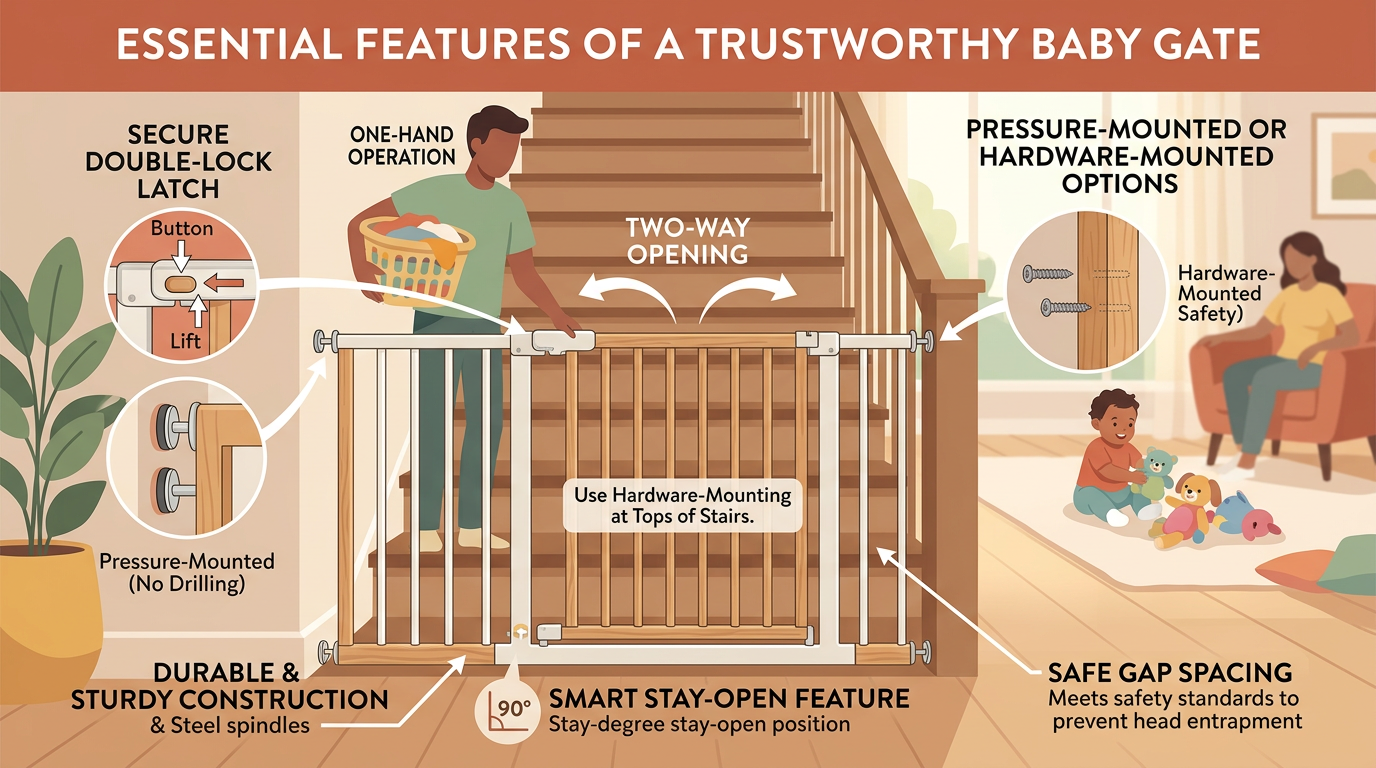
Deck railings should have balusters no more than four inches apart, the same standard as indoor stairs. If your railing is older or wider-spaced, temporary mesh guards designed for decks close the gap without a full rebuild.
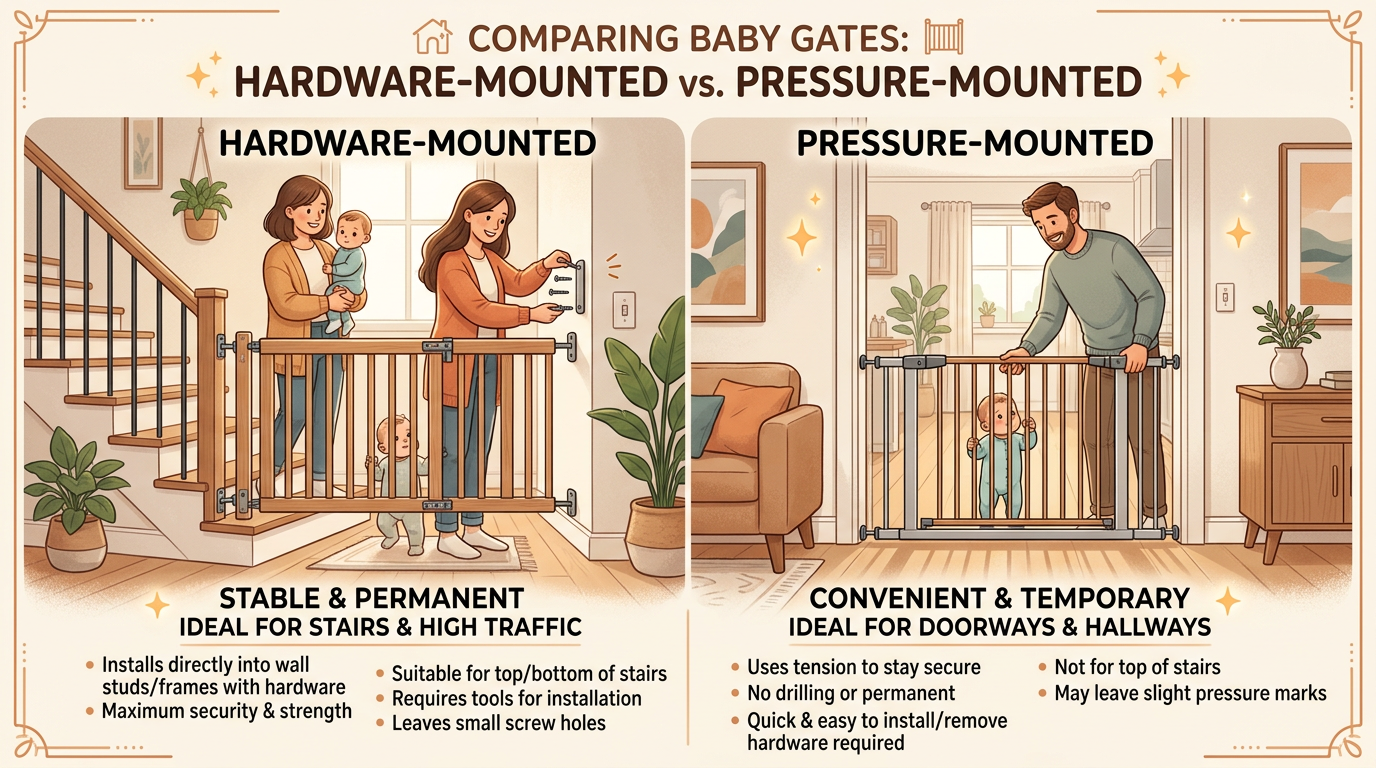
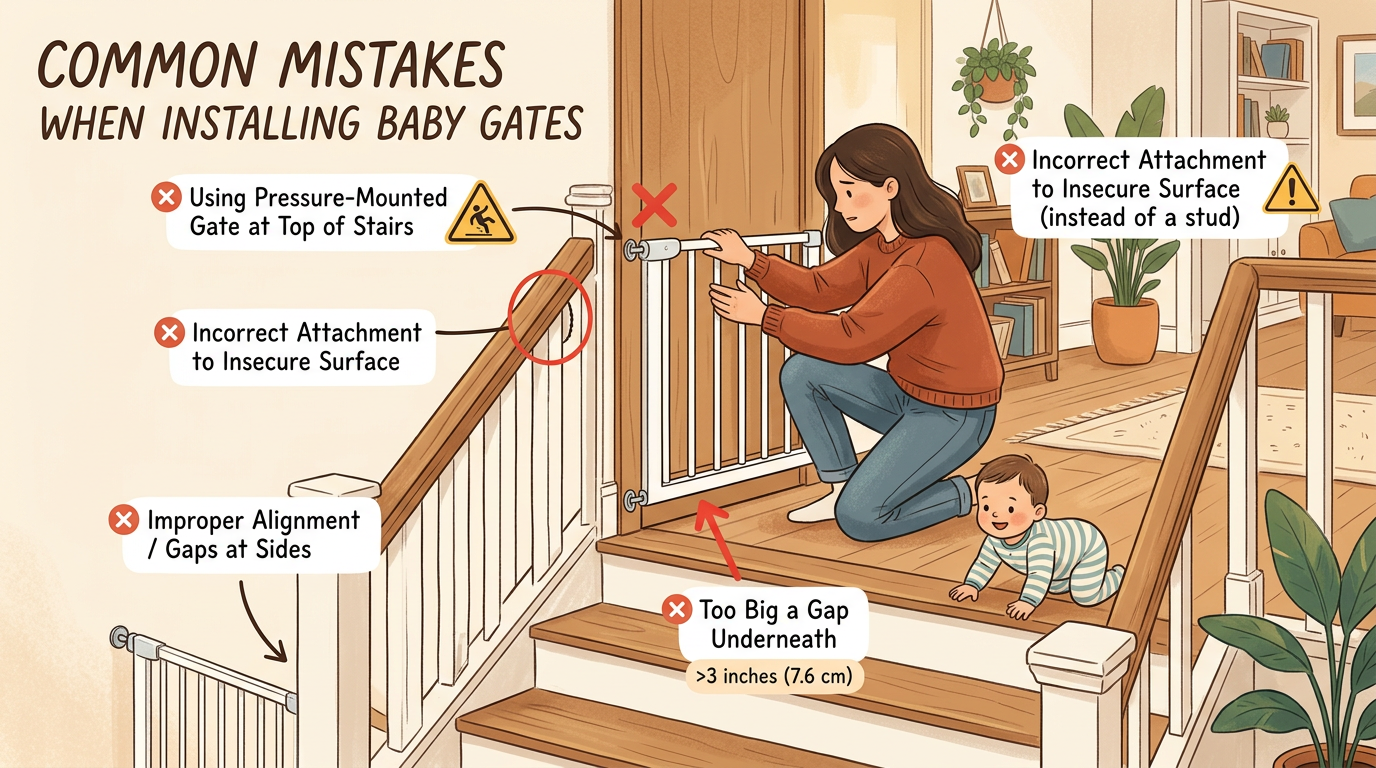
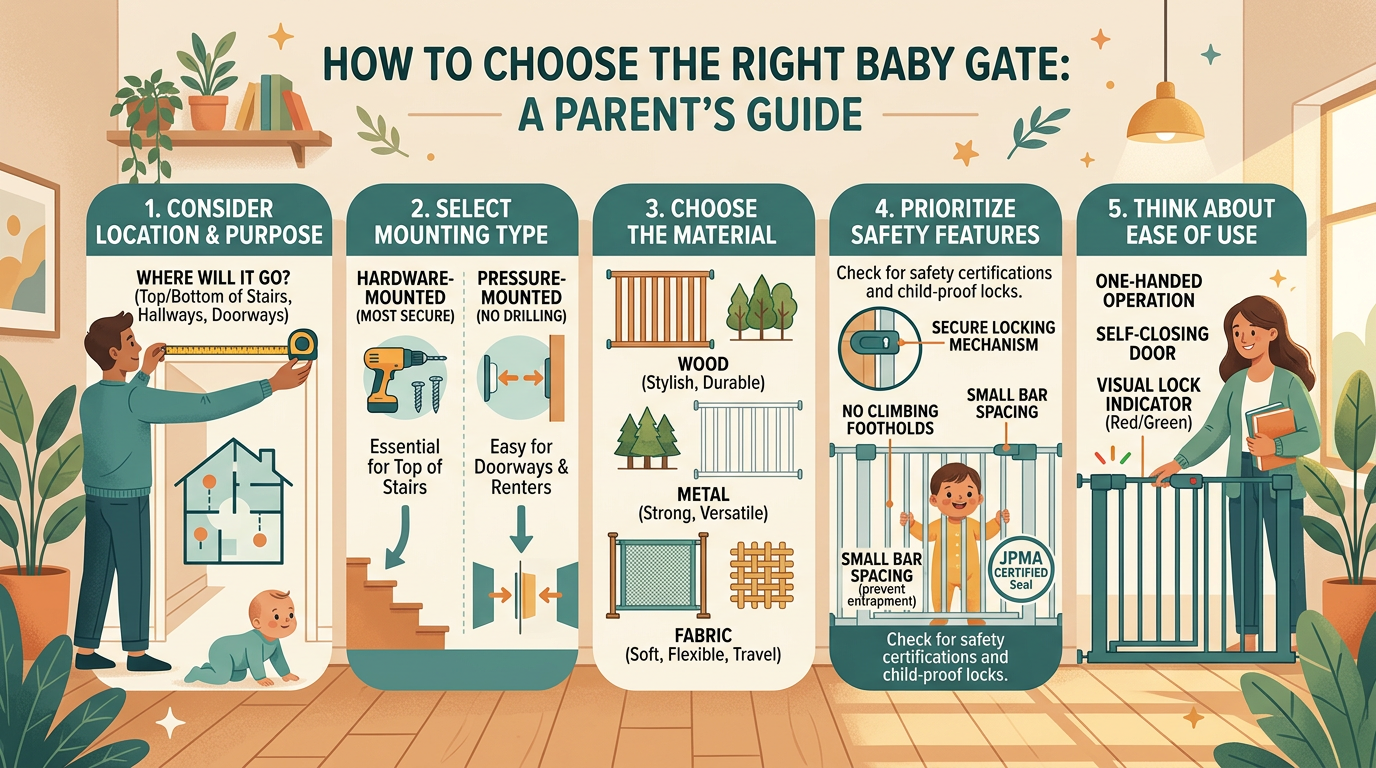
Deck stairs benefit from the same hardware-mounted gates you use indoors, installed at the top where the drop is greatest. Outdoor conditions are harder on gates, so check hardware regularly for rust, loose screws, and warped mounting surfaces.
Patios and hard surfaces amplify fall injuries. Consider softer surfaces in the main play zones — mulch, rubber tiles, or grass — and keep hard-edge furniture away from climbing attractions like low walls or benches.
Quick checklist
- ✓Check deck baluster spacing — no more than four inches apart.
- ✓Install a hardware-mounted gate at the top of deck stairs.
- ✓Inspect gate hardware each season for rust and loose screws.
- ✓Use softer surfaces in main play zones; move hard-edge furniture away.
Plants, chemicals, and garden tools
Several common landscaping plants are toxic if chewed or ingested, including oleander, foxglove, lily of the valley, castor bean, and yew. Mushrooms that appear after rain can also be toxic. You do not need to redesign the yard, but identifying what is in it is worth an afternoon.
Garden chemicals — fertilizer, herbicide, pesticide — belong locked in the garage or a shed, not on a shelf in the garage that a toddler could reach. Treat them the same way you treat indoor cleaning supplies.
Tools cause a surprising share of backyard injuries. Lawn mowers, trimmers, and power tools should be stored out of reach and used only when children are indoors. Gas cans, propane tanks, and grill accessories are also worth locking up.
Quick checklist
- ✓Identify the plants in your yard; remove or block access to toxic species.
- ✓Lock fertilizers, pesticides, and herbicides in a shed or cabinet.
- ✓Store tools out of reach; use power equipment only when children are inside.
- ✓Secure gas cans, propane tanks, and grill accessories.
Play equipment, sun, heat, and water
Backyard play equipment should be anchored, in good repair, and appropriate for your child's age. Check for splinters, rusty hardware, and worn swing chains at the start of each season. Install equipment over a soft surface, not grass over packed dirt.
Sun protection matters from the start. Infants under six months should stay in the shade as much as possible, with a hat and lightweight long sleeves; sunscreen is generally reserved for older infants when shade and clothing are not enough. Hydration matters more than most parents realize — offer water frequently, especially on warm days.
Any standing water — kiddie pool, fountain, rain barrel, bucket left out after cleaning — is a drowning risk. Empty containers after use and keep a water watcher assigned whenever a kiddie pool or sprinkler is in play.
Quick checklist
- ✓Anchor play equipment and install it over a soft surface.
- ✓Keep infants under six months in the shade with hats and light layers.
- ✓Offer water frequently in warm weather.
- ✓Empty kiddie pools and standing water after use; assign a water watcher.
Frequently asked questions
Even young infants can enjoy backyard time in shade and good weather. Focus on sun protection, keeping the ground clean of small objects, and avoiding extremes of heat and cold.
Yes, especially if you have a pool, pond, or road access. A continuous fence with secure gates is the foundation of outdoor safety — it does not have to be tall or elaborate.
Grass wears down under heavy use. Current recommendations favor loose-fill materials like engineered wood fiber, rubber mulch, or rubber tiles under play equipment, especially where falls are more than a foot or two.
For infants under six months, shade and clothing are the primary tools. Small amounts of sunscreen on limited areas are generally fine when shade is not possible. From six months on, broad-spectrum sunscreen is recommended during sun exposure.
Highly toxic ornamentals such as oleander, foxglove, lily of the valley, castor bean, and yew are the first to address. If you are unsure what is in your yard, take photos and ask a local extension office or experienced gardener.
Featured products
Affiliate linksProducts that support this guide
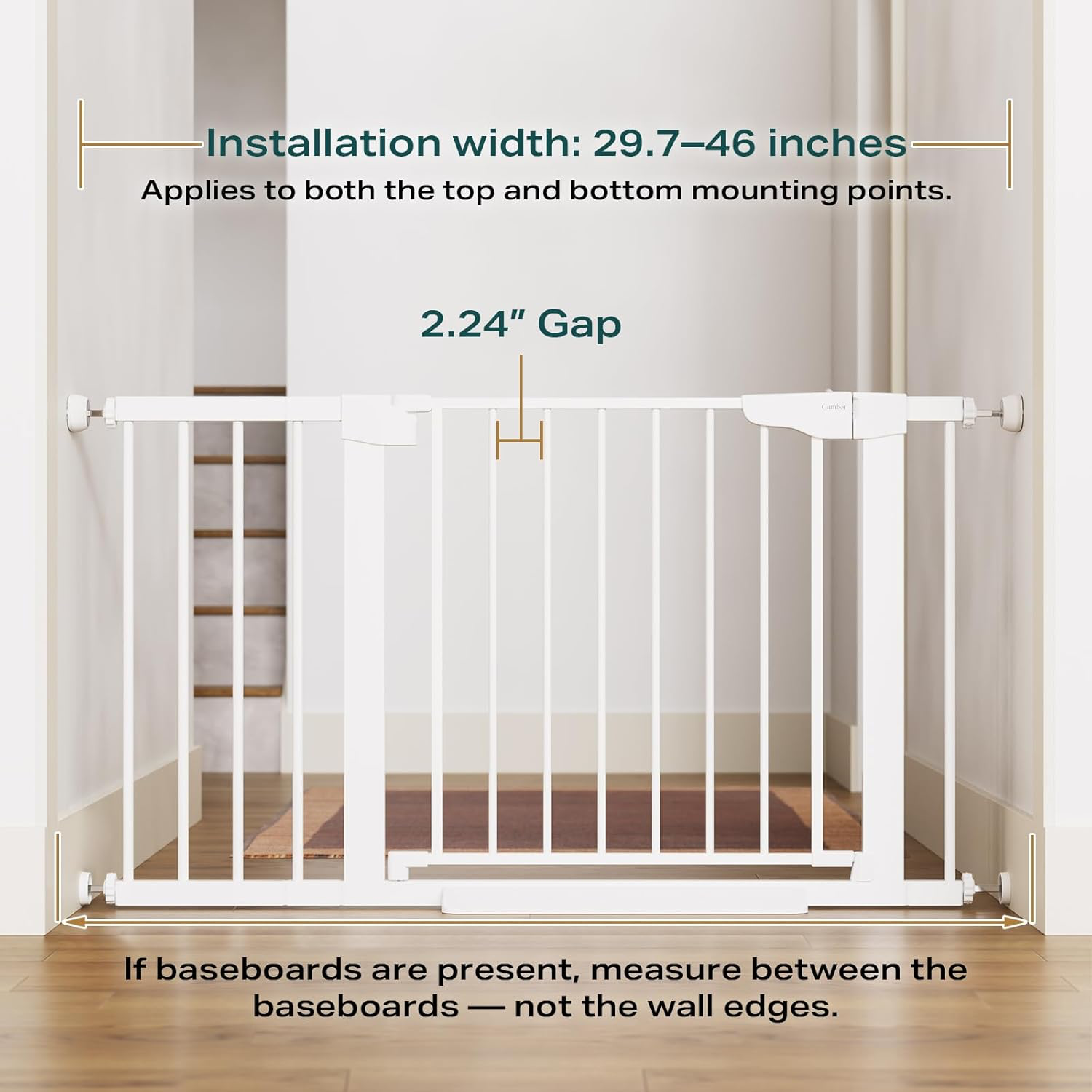
Cumbor 29.7-46 Baby Gate for Stairs
A pressure-mounted barrier sized for typical hallway and stairway openings between roughly 30 and 46 inches. We like it for renters because it sets up without drilling, and the auto-close latch helps when you walk through with a baby on your hip. Confirm it fits your specific opening before you buy.
View product→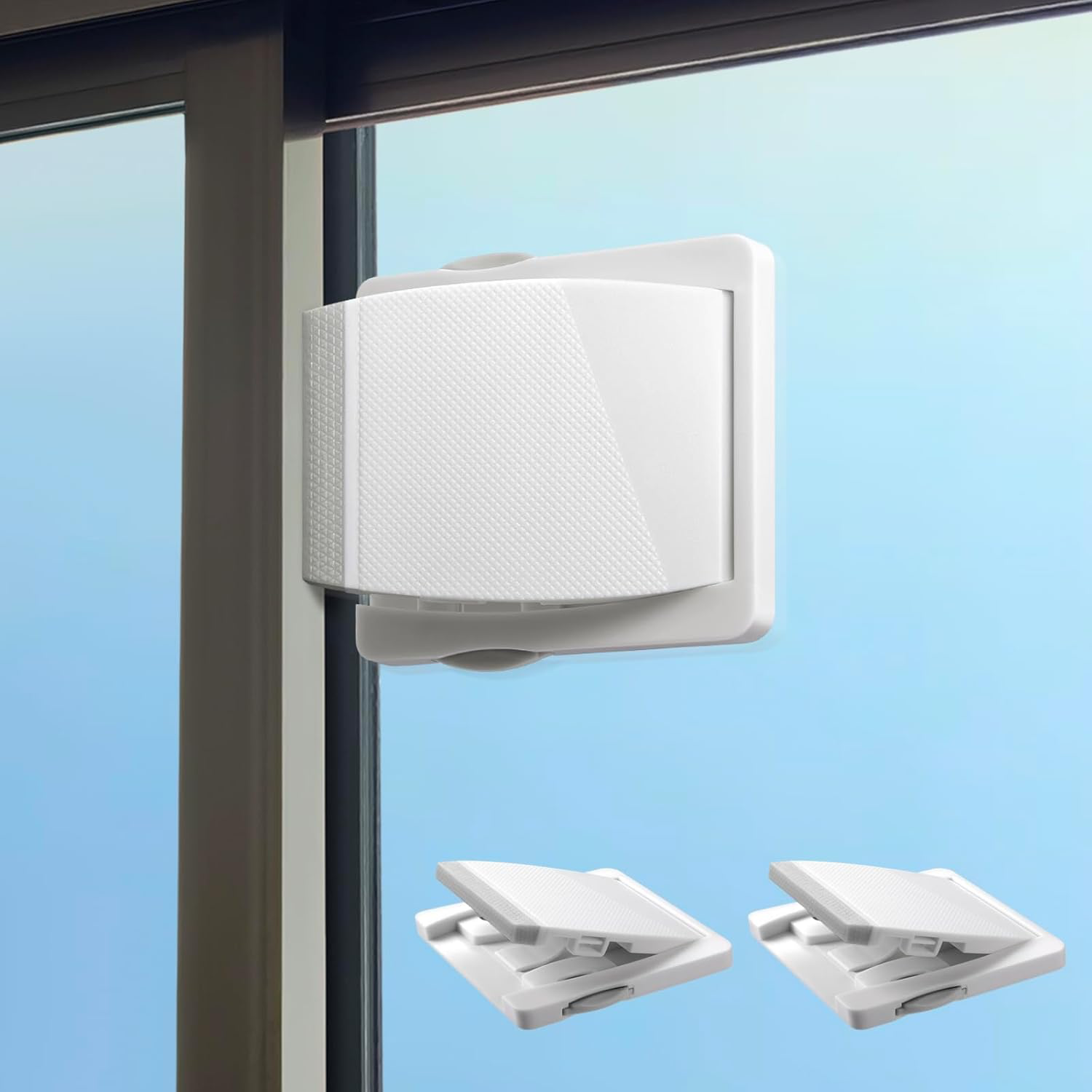
OKEA Sliding Glass Door Lock
Childproof lock designed specifically for sliding glass doors, keeping them securely shut.
View product→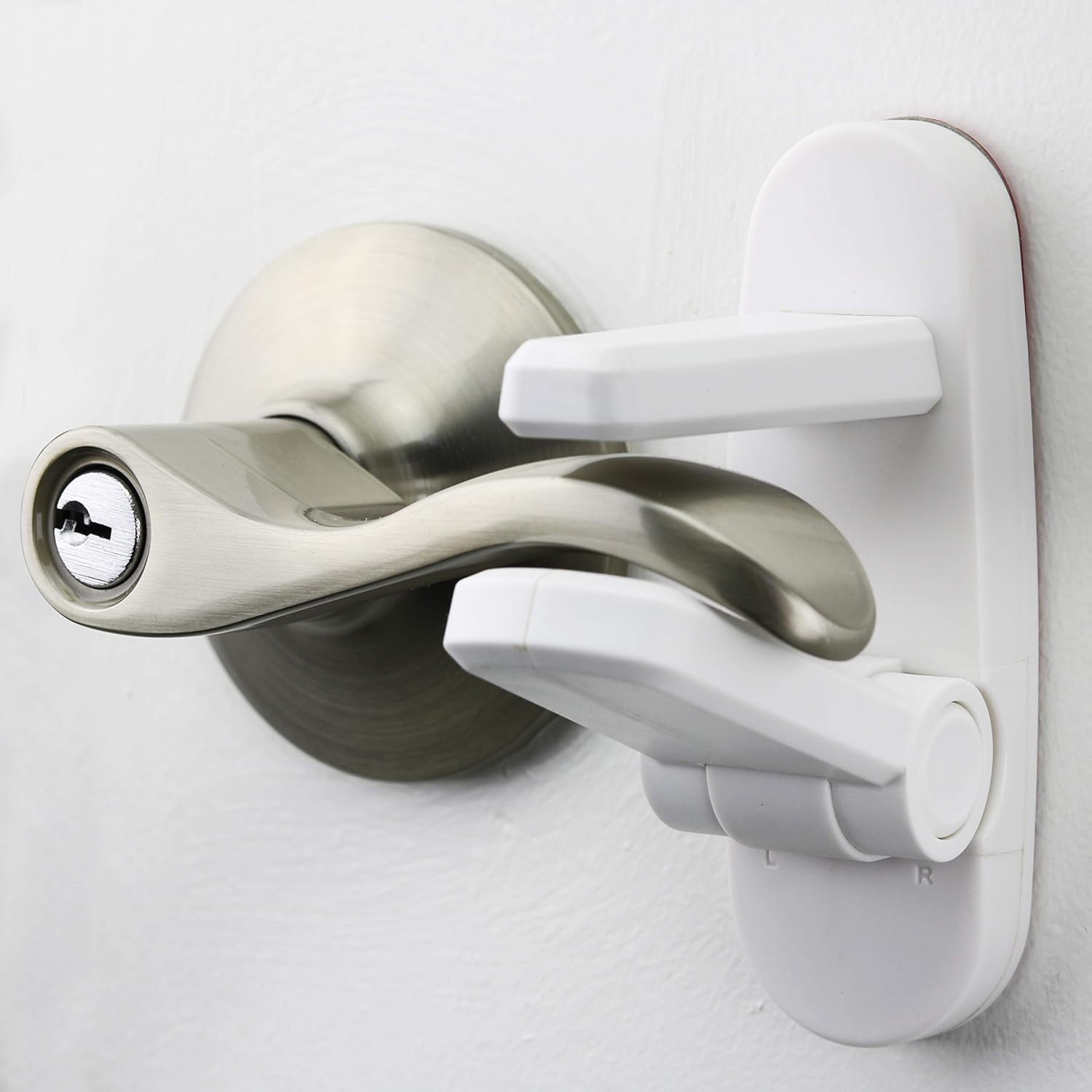
Wappa Baby Door Lever Lock (2 Pack)
Adhesive door lever locks that keep toddlers from opening lever-handle doors while still allowing adult one-hand operation.
View product→Last reviewed
Sources used for this guide
Reviewed on April 20, 2026. This content is educational and practical, but it is not a substitute for professional safety inspections or medical advice.
U.S. Consumer Product Safety Commission
Childproofing your home: 12 safety devices to protect childrenSafe Kids Worldwide
Protecting children in your homeHealthyChildren.org / American Academy of Pediatrics
Safety for Your Child: 6 to 12 Months