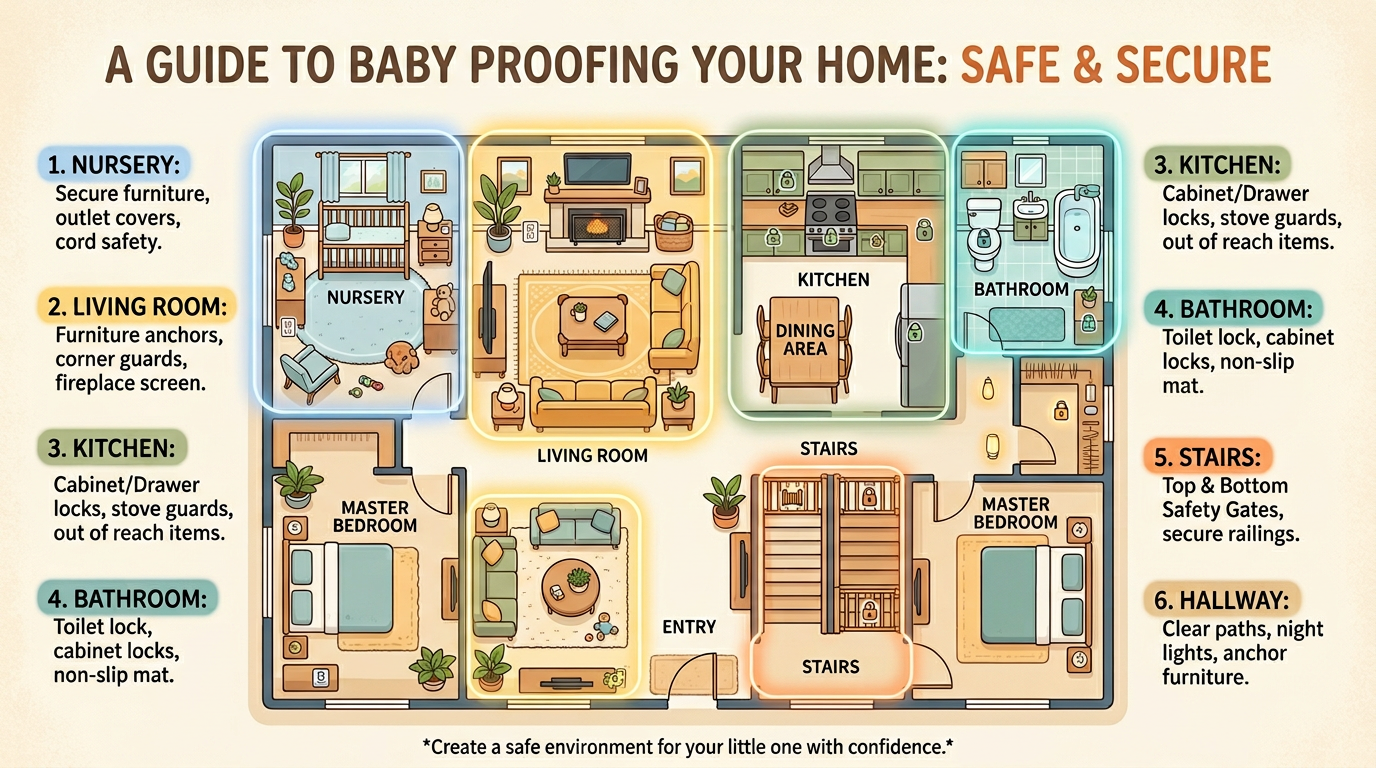
How drowning actually happens in young children
Drowning is rarely loud. Young children often slip under the surface without splashing or calling out, and it can happen in seconds. That pattern surprises many parents because popular media usually shows dramatic struggle, not the quiet reality.
Children under four are the highest-risk group, and home settings — bathtubs, buckets, pools, and hot tubs — account for most fatal drownings in that age range. Babies can drown in as little as one to two inches of water because they do not reliably lift their heads out once submerged.
The takeaway is not to add panic to parenting. It is to respect how fast water risk unfolds and build routines that do not depend on perfect attention in any single moment.
Quick checklist
- ✓Assume drowning can happen silently and within seconds.
- ✓Treat any standing water as a hazard, not just pools.
- ✓Do not rely on a single layer of protection — combine several.
- ✓Learn infant and child CPR from a recognized provider.
Bathtub safety: the most common home water hazard
Most home drownings in babies happen in bathtubs, usually during a brief distraction.
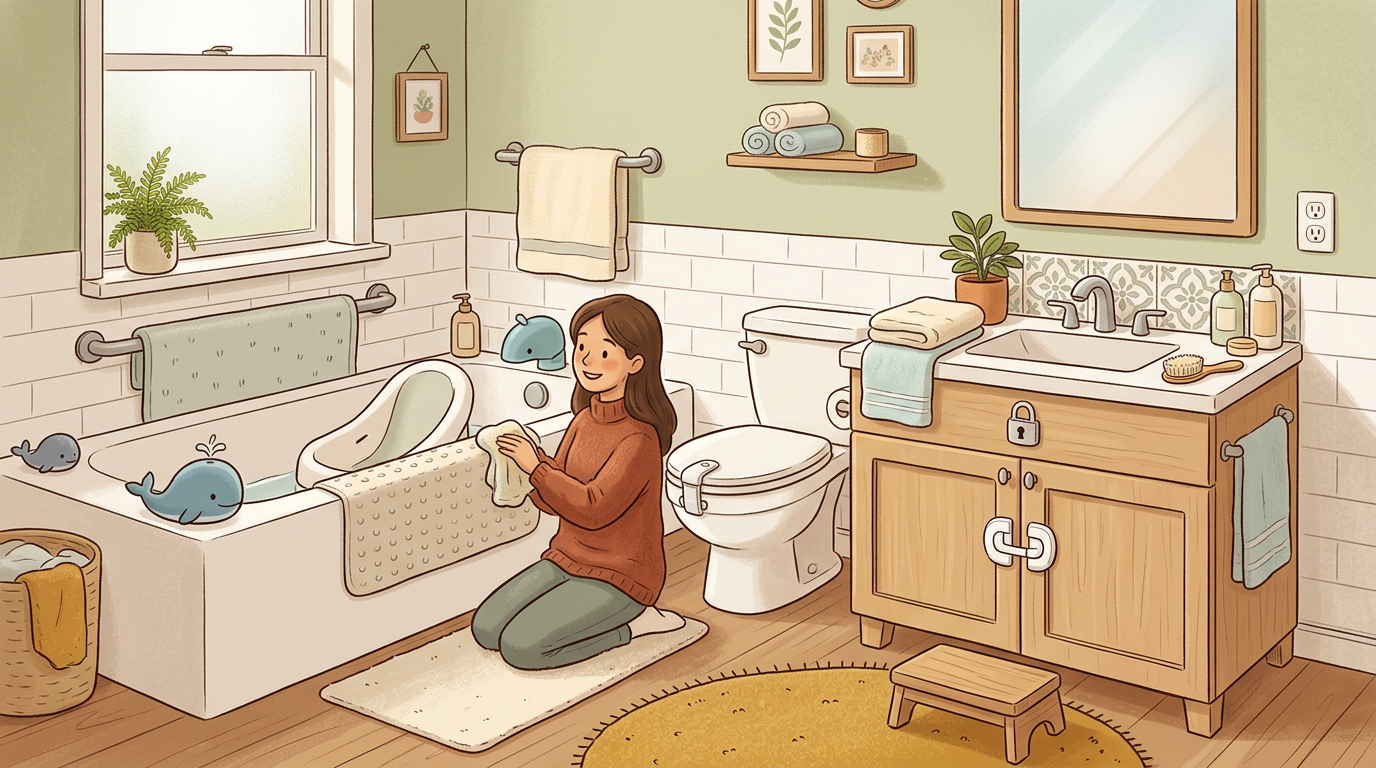
Bathtime is the most common setting for home drownings in infants. The risk is almost always tied to a caregiver stepping away briefly — to grab a towel, answer a door, or check a sibling. Bath seats and rings do not prevent drowning; they can give a false sense of security.
Set up everything you need before water starts filling. Towels, clean clothes, soap, and toys should be within arm's reach. If you need to leave the room for any reason, take the baby with you. Drain the tub fully when bath time ends, every single time.
Set your water heater thoughtfully. A maximum of about 120°F (49°C) helps reduce scald risk, though you should still test water temperature by hand before your child goes in.
Quick checklist
- ✓Never leave a baby or toddler alone in the bath, not even for a moment.
- ✓Keep everything you need within arm's reach before bath time starts.
- ✓Drain the tub completely as soon as bath time ends.
- ✓Set water heater temperature to around 120°F and hand-test the water.
Pool, hot tub, and open-water layered protection
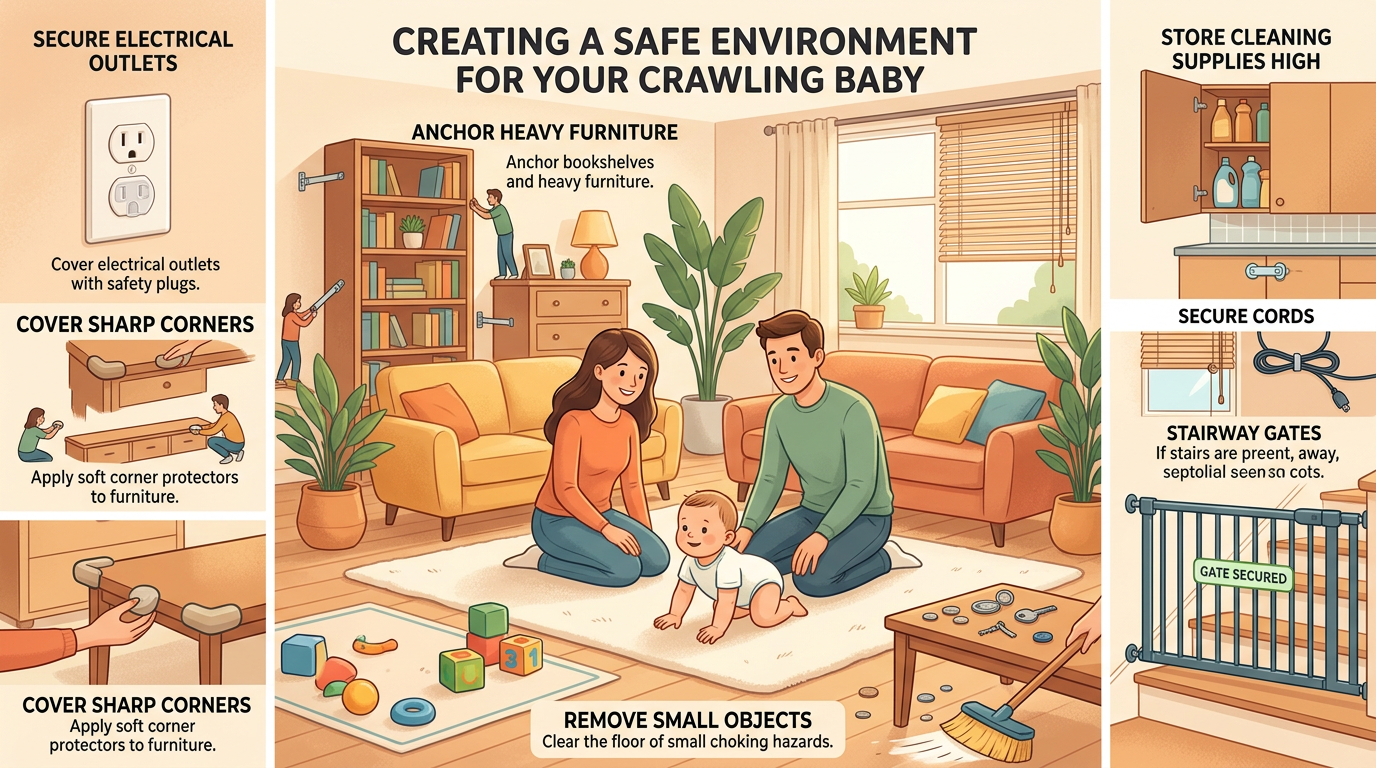
Around pools, safety comes from layers, not a single product. The most widely recommended approach combines four-sided isolation fencing with self-closing, self-latching gates; pool and door alarms; close supervision during water time; and swim skills appropriate to the child's age.
Designate a 'water watcher' any time children are near a pool, hot tub, or open water. That person's only job is to watch the water — not to scroll, cook, or hold a conversation. Rotate the role clearly so there is never ambiguity about who is responsible.
Pool covers, especially soft solar covers, are not safety devices. Children can become trapped beneath them. Rigid, locked safety covers rated for child weight are different products and carry their own installation requirements.
Quick checklist
- ✓Use four-sided fencing around home pools, separate from the house wall.
- ✓Install self-closing, self-latching gates with latches out of reach.
- ✓Designate a single, distraction-free water watcher at all times.
- ✓Remove toys from the pool when swim time ends — toys draw children back to the water.
Everyday water hazards parents underestimate
Buckets used for cleaning, dog water bowls, open toilets, large coolers, small kiddie pools, and even a filled sink can all reach a dangerous depth for an infant. A curious baby can tip forward into a bucket and be unable to push back out.
Empty water containers immediately after use. Keep bathroom doors closed and consider a toilet lock during the crawling and early toddler stage. Store mop buckets upside down and raise pet water bowls when possible, or confine them to rooms your child cannot access alone.
Finally, talk with anyone who cares for your child about these hazards. Babysitters, grandparents, and older siblings may not realize how quickly standing water becomes dangerous for young children.
Quick checklist
- ✓Empty buckets, coolers, and kiddie pools immediately after use.
- ✓Keep bathroom doors closed and add a toilet lock for the toddler stage.
- ✓Raise or relocate pet water bowls when a baby is crawling.
- ✓Brief every caregiver on silent, fast drowning risk and the layers you use at home.
Frequently asked questions
Children under four years old are the highest-risk group for drowning, with infants and toddlers especially vulnerable in home settings like bathtubs and pools.
No. Bath seats and rings are bathing aids, not safety devices. They can tip over and can give caregivers a false sense of security. An adult must remain within arm's reach at all times during bath time.
Swim lessons are valuable but are not a standalone safety layer. Young children still require constant supervision, physical barriers, and alarms around water.
As little as one to two inches of water can be dangerous for an infant. Any standing water that covers the mouth and nose is a risk.
Yes. Infant and child CPR from a recognized provider is one of the most important safety skills a parent or caregiver can have. It is the final layer when other safeguards fail.
Featured products
Affiliate linksProducts that support this guide
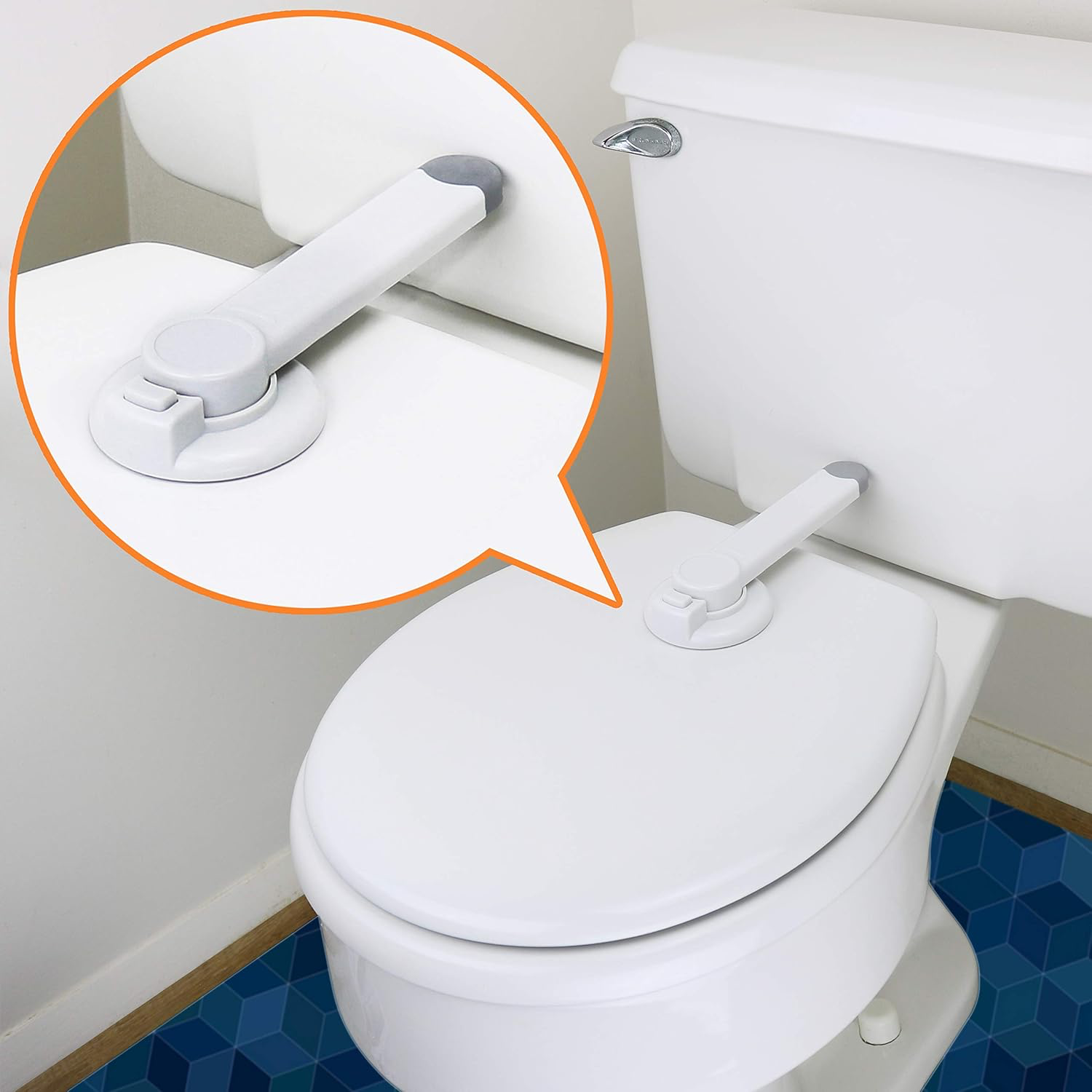
Wappa Baby Toilet Lock
Adhesive toilet lid lock that keeps curious toddlers from opening the toilet. No tools needed for installation, uses strong 3M adhesive, fits most standard toilets.
View product→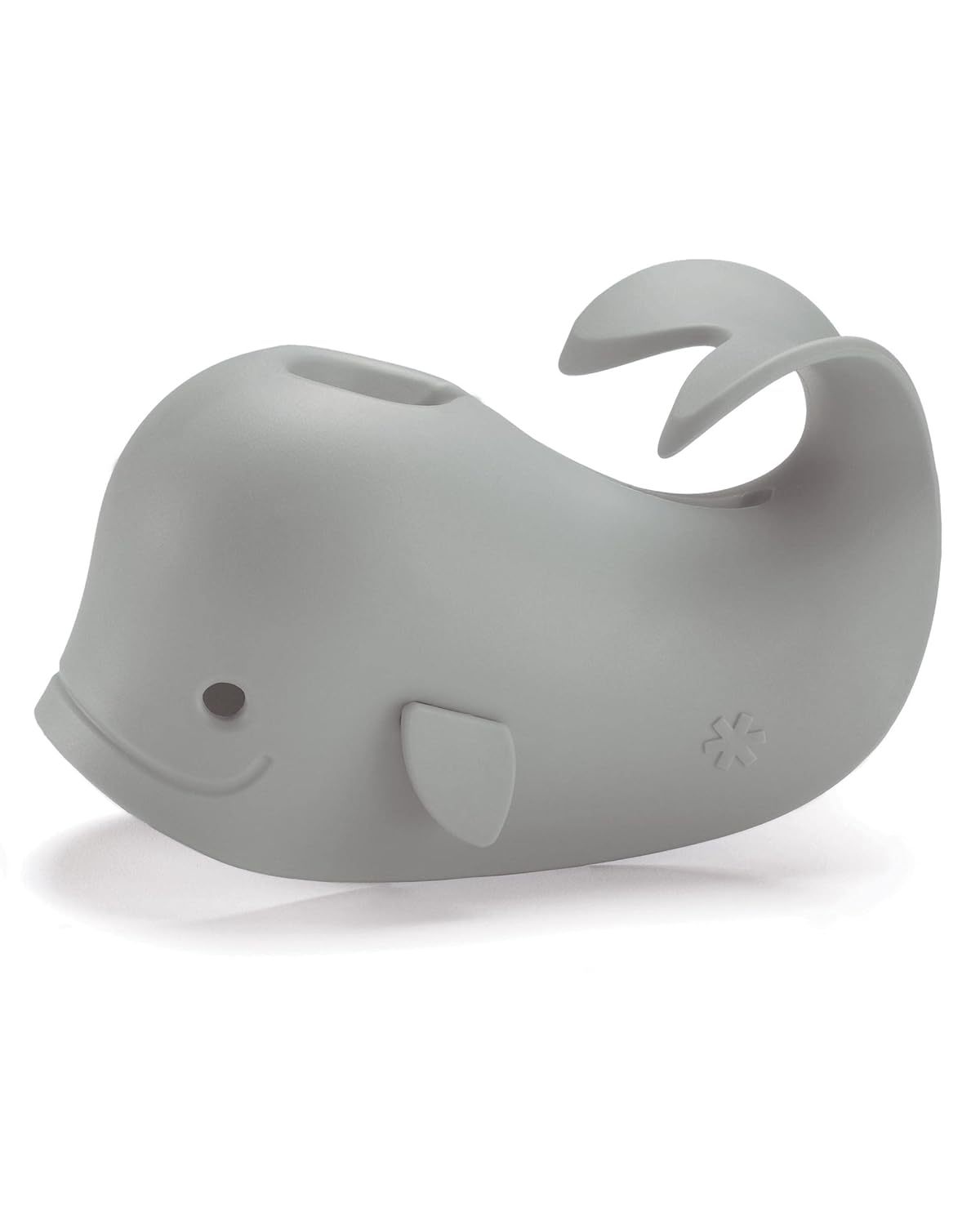
Skip Hop Moby Bath Spout Cover
Soft rubber spout cover in a whale shape that protects baby from bumping their head on the bath spout.
View product→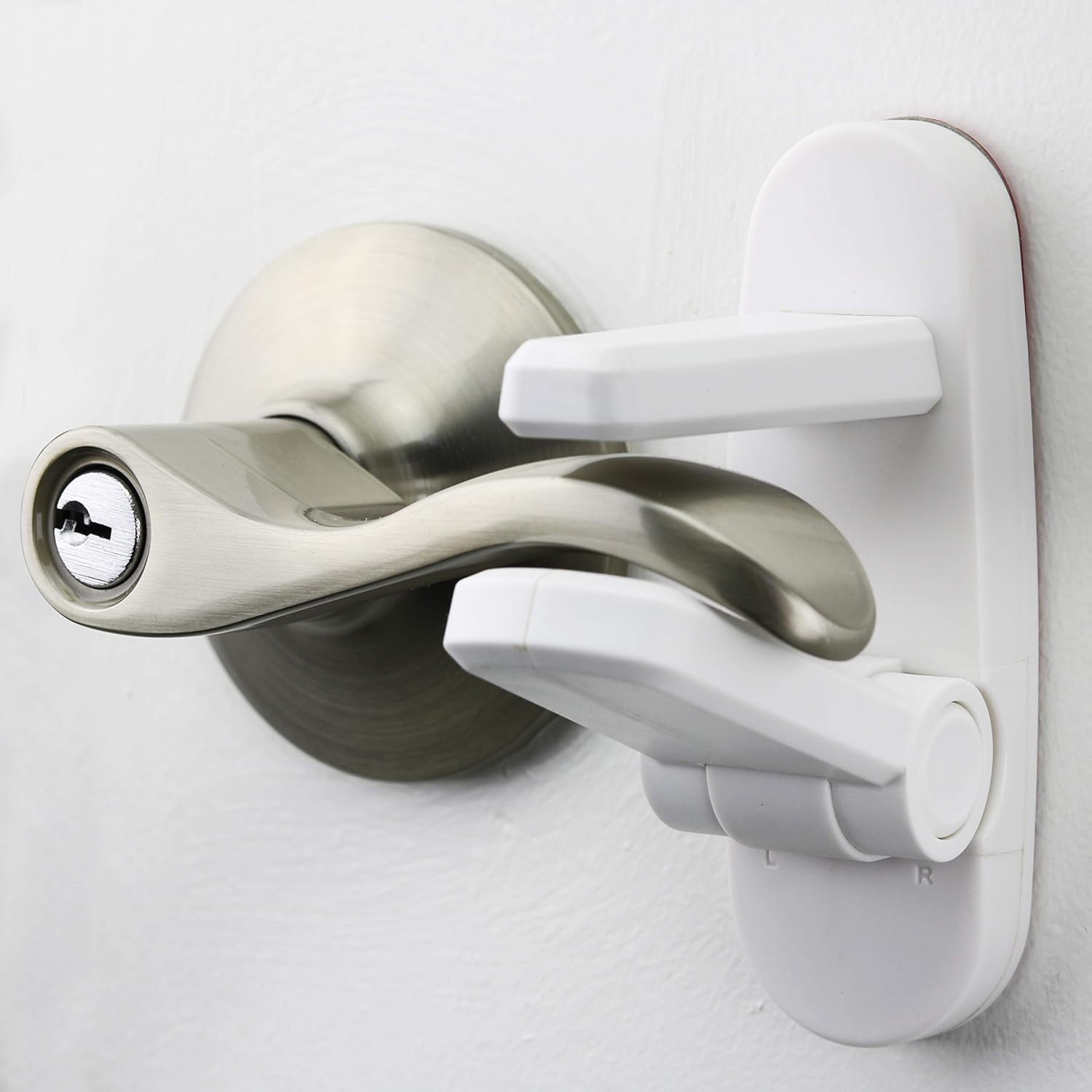
Wappa Baby Door Lever Lock (2 Pack)
Adhesive door lever locks that keep toddlers from opening lever-handle doors while still allowing adult one-hand operation.
View product→Last reviewed
Sources used for this guide
Reviewed on April 18, 2026. This content is educational and practical, but it is not a substitute for professional safety inspections or medical advice.
U.S. Consumer Product Safety Commission
Childproofing your home: 12 safety devices to protect childrenSafe Kids Worldwide
Protecting children in your homeHealthyChildren.org / American Academy of Pediatrics
Safety for Your Child: 6 to 12 Months