Baby Proofing Your Electrical Safety
Electrical hazards sit at exactly the right height for curious fingers, and simple outlet and cord fixes can dramatically lower everyday risk.
Why this room matters
Electrical safety is easy to postpone because the solutions look small, but cords, power strips, chargers, and outlets often appear in every room your child uses.
Common hazards
- ✓Unused outlets at crawl height.
- ✓Chargers and power strips left exposed near play areas.
- ✓Lamp, TV, and blind cords that can be tugged or wrapped.
- ✓Damaged cords or overloaded extension setups.
Safety checklist
Start with the hazards your child can already reach, then revisit this checklist after the next mobility leap.
- ✓Cover all unused outlets with plug covers.
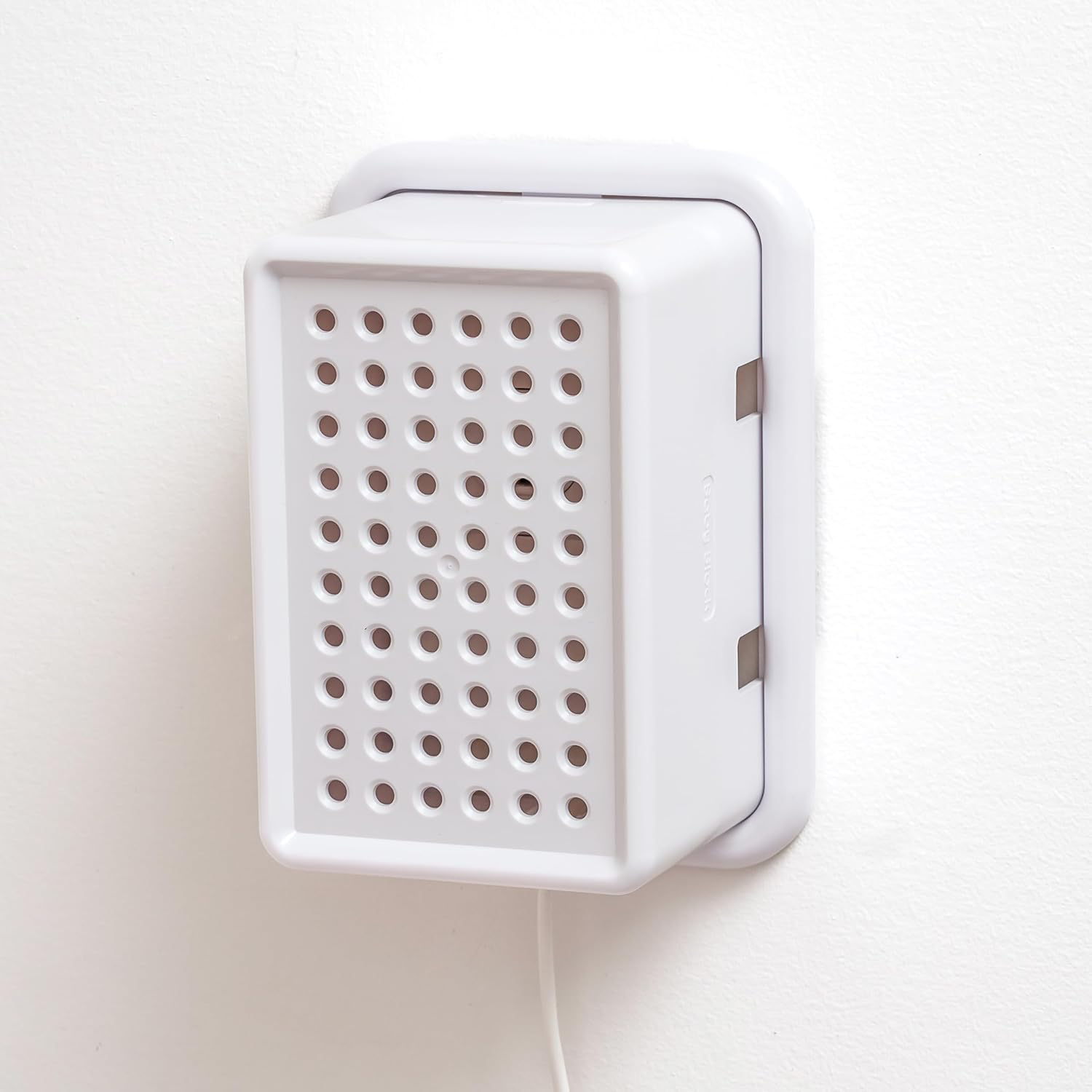
- ✓Use outlet box covers for outlets with cords plugged in.
- ✓Secure loose electrical cords with clips or covers.
- ✓Keep power strips behind furniture or in locked covers.
- ✓Replace frayed cords and remove broken electronics promptly.
Room walkthrough
A walk through electrical safety with a baby-proofing lens
Outlets at floor level
Walk every room on your hands and knees once and note every electrical outlet you see. That list is your starting point. Outlets at floor level — behind couches, beside dressers, in hallways — are the ones a crawling or cruising child can reach first.
For unused outlets, a simple plug cover adds enough friction to prevent casual access. For outlets that have something plugged in — a phone charger, a lamp, a baby monitor — use a sliding outlet plate or a full outlet box cover. These secure the plug against being yanked out and the prongs being mouthed.
Cords are harder than outlets
Outlet covers are the easy half of electrical safety. The harder half is cords: blind cords, lamp cords, charger cords, power strip cords, and the tangle of electronics cords that accumulate behind a TV stand. Each of these is a pulling hazard, and blind cords specifically are an entanglement risk that has been associated with serious injuries.
Cord winders shorten dangling cords. Cord covers run channels along baseboards to hide cords entirely. Power strips are best moved behind furniture, mounted under a desk, or housed in a locking power-strip box. The goal is consistent: no loose cord at toddler height anywhere a child can routinely access.
Older homes need extra attention
Homes built before about 2008 typically lack tamper-resistant outlets, which means the outlet itself does not have an internal shutter to block foreign objects. In those homes, plug covers do real safety work. In newer homes with tamper-resistant outlets at every location, plug covers add an extra layer of friction but matter less than cord management.
Replace any cord that shows fraying, exposed wires, or scorch marks rather than covering it. Damaged cords are a fire hazard regardless of whether children are present, and masking the damage with a cover does not fix the underlying problem.
Electrical safety is one of the few categories that touches every room. Doing it once thoroughly — and walking the home again after each furniture rearrangement — saves a lot of room-by-room scrambling.
Related reading
Guides that support your electrical safety plan
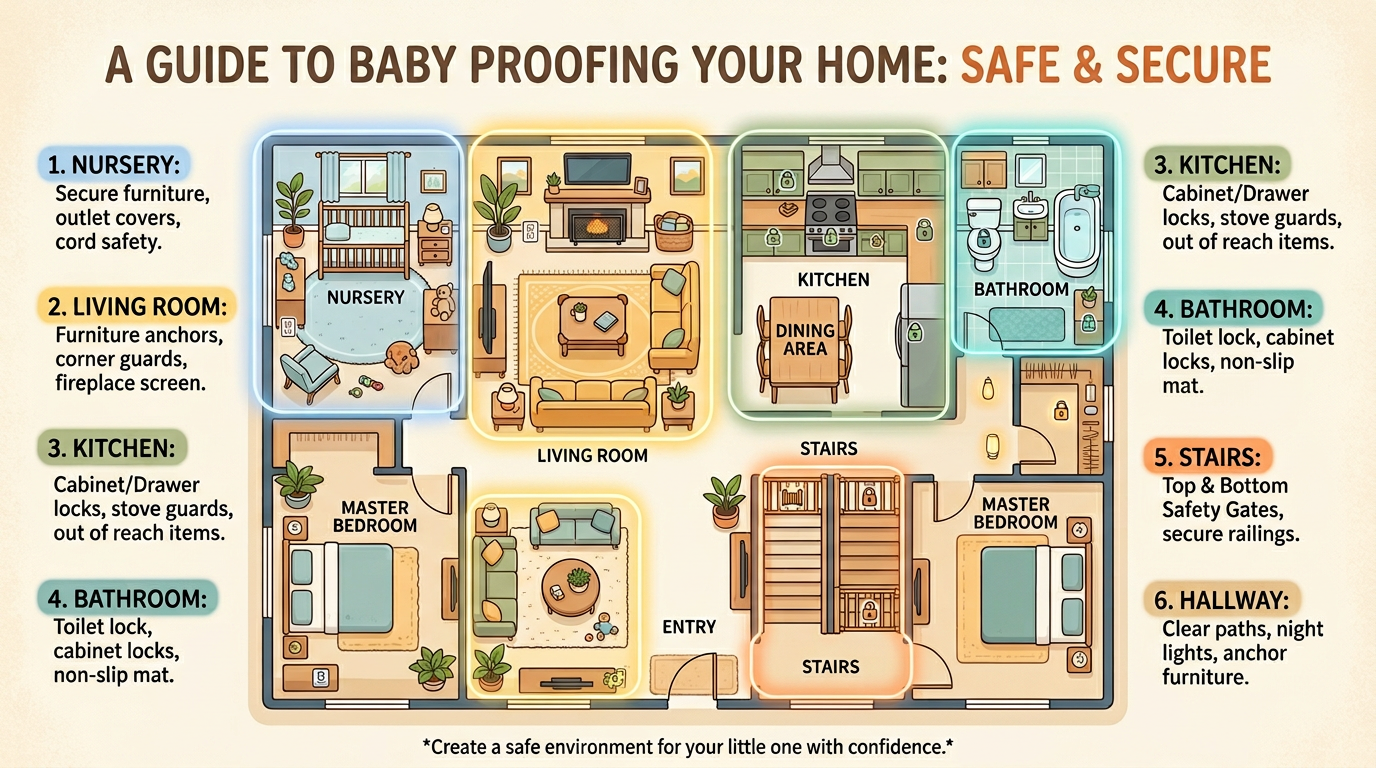
Baby Proofing Checklist: Room-by-Room Safety Priorities for the Whole House
A practical whole-home baby proofing checklist that helps parents think through common considerations in each room, with editorial product picks and next steps.
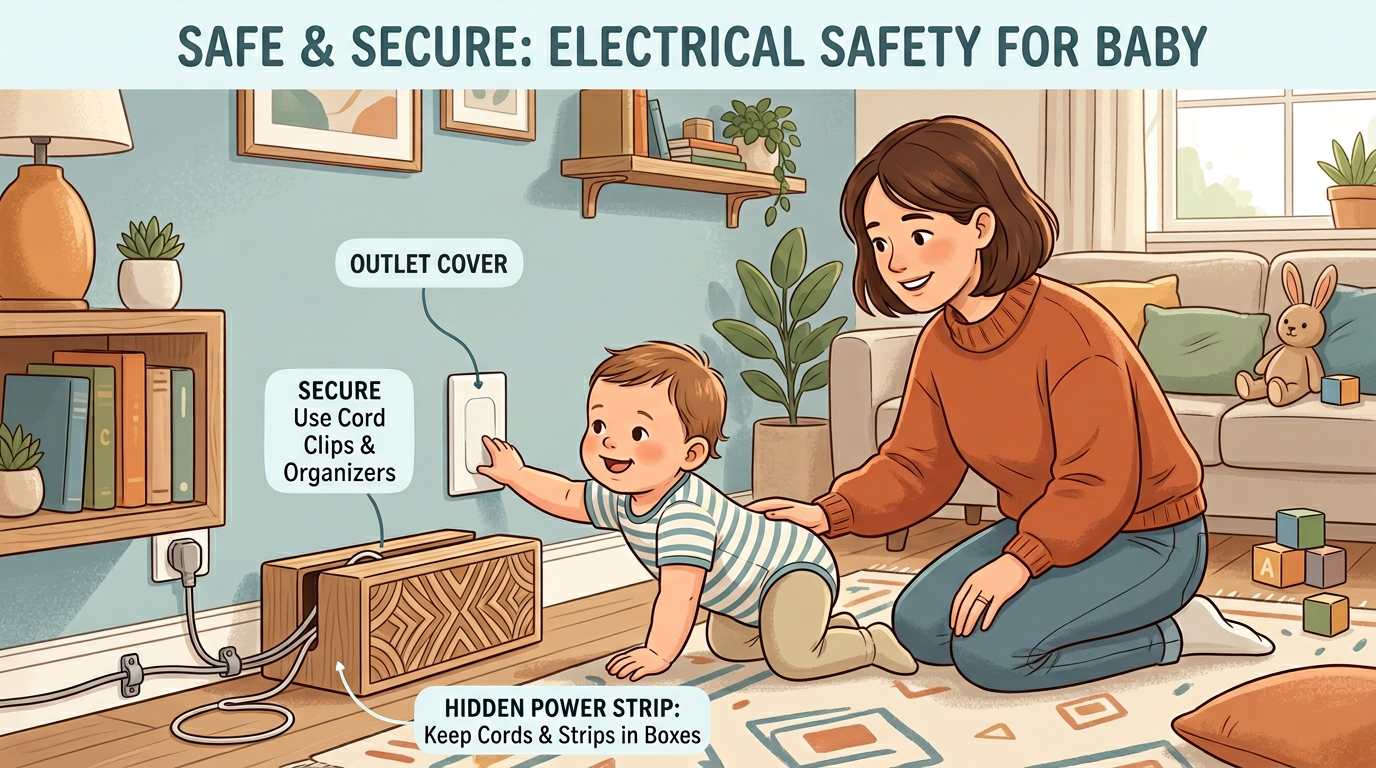
Electrical Safety for Babies and Toddlers: Outlets, Cords, and Power Strips
A practical guide to baby proofing electrical hazards throughout your home, covering outlet covers, cord management, power strip placement, and the daily habits that prevent shock and strangulation injuries.
Fire, Smoke, and Carbon Monoxide Safety for Homes with Young Children
A working smoke alarm on every level is the single highest-impact home safety upgrade. Here is how to round it out with CO alarms, a clear escape plan, and habits that fit family life.
Featured products
Use these product pages to compare options, room fit, and related categories.
Outlet Plug Covers (24-Pack) Childproof Socket Protectors
Simple press-fit outlet caps that block unused electrical sockets from curious little fingers.
View details →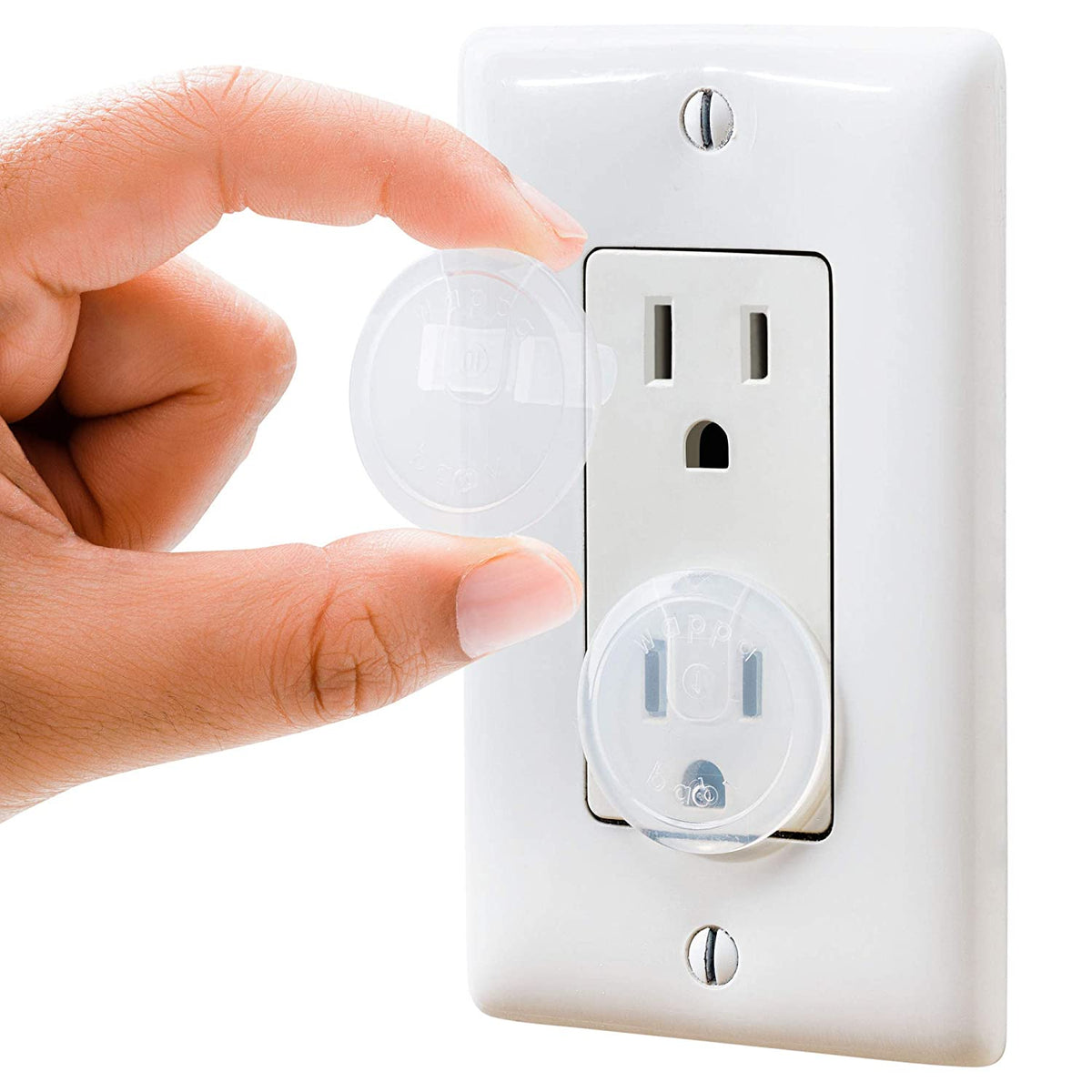
Wappa Clear Outlet Covers (50 Pack)
Transparent 50-pack of press-fit outlet plug covers for unused standard wall outlets across a whole home.
View details →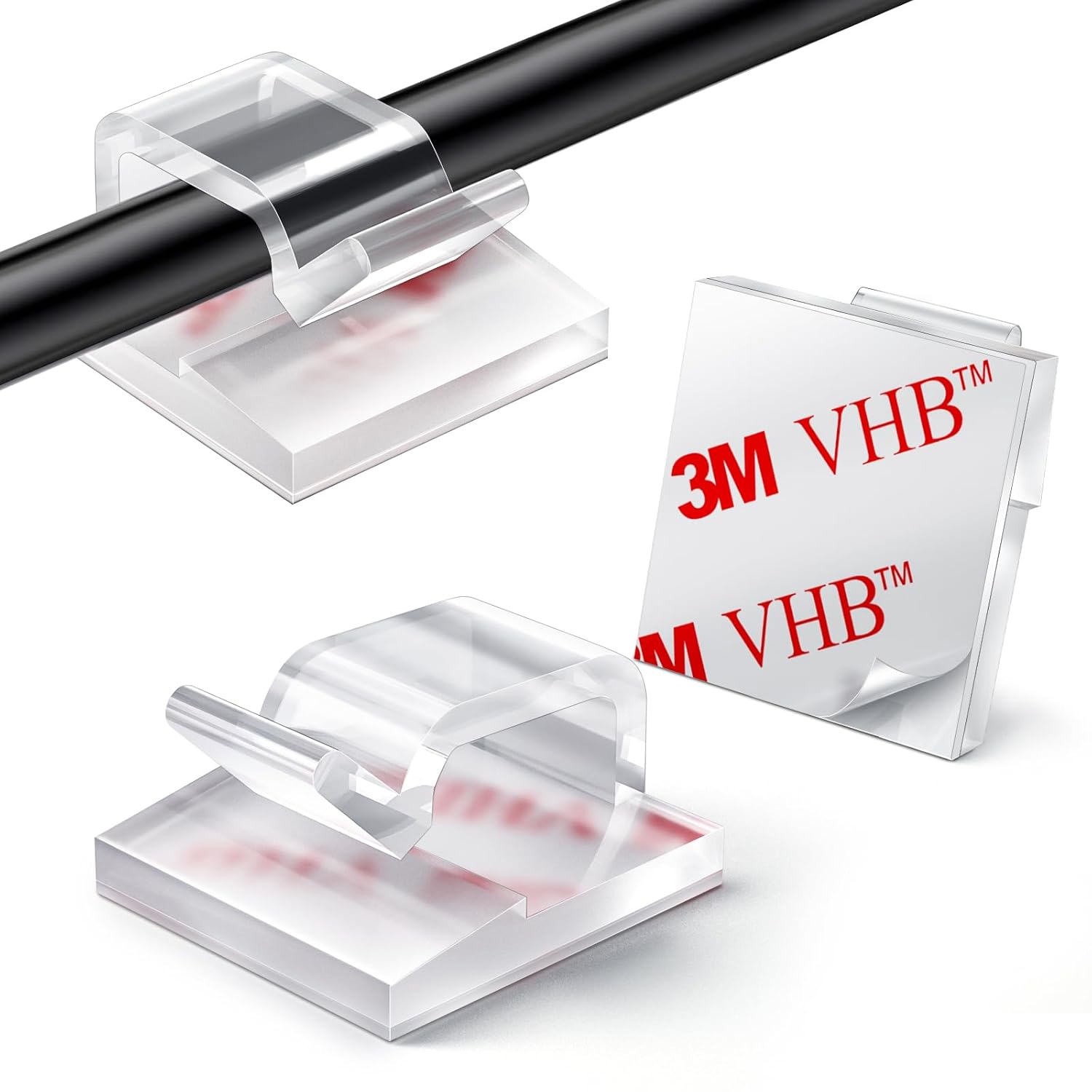
KGROTE 100PCS Adhesive Cable Clips
Small clear adhesive clips that route light cords and cables along walls, furniture, or desks so loose runs are less tempting and less likely to snag.
View details →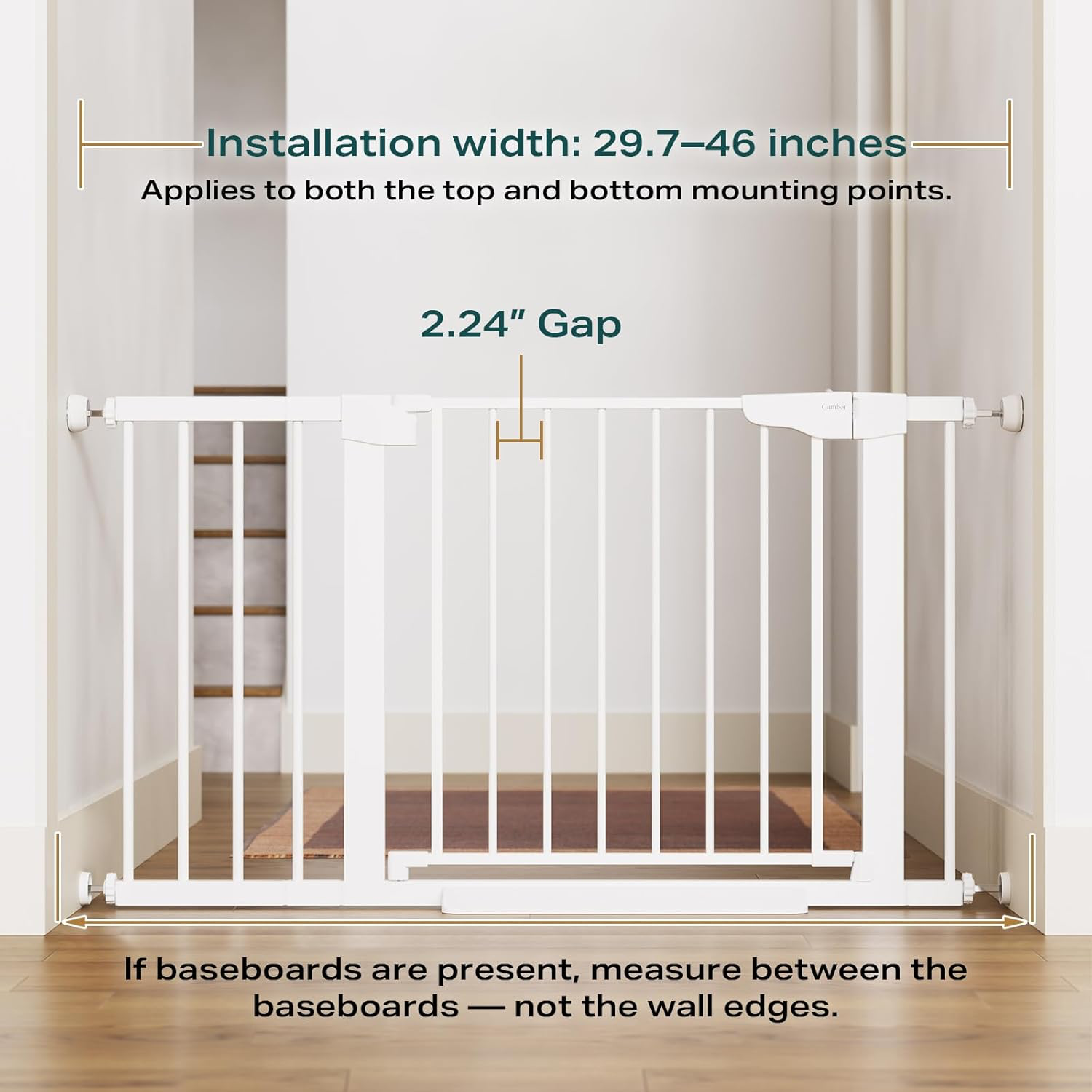
Pressure-Mounted Baby Gate for Doorways
No-drill pressure gate for doorways and low-risk openings to create clear child-safe zones.
View details →Delamu 157-Inch Paintable Cord Covers
Paintable cord covers that route one low-profile cord along a wall or baseboard so it is harder for a child to grab, pull, or trip over.
View details →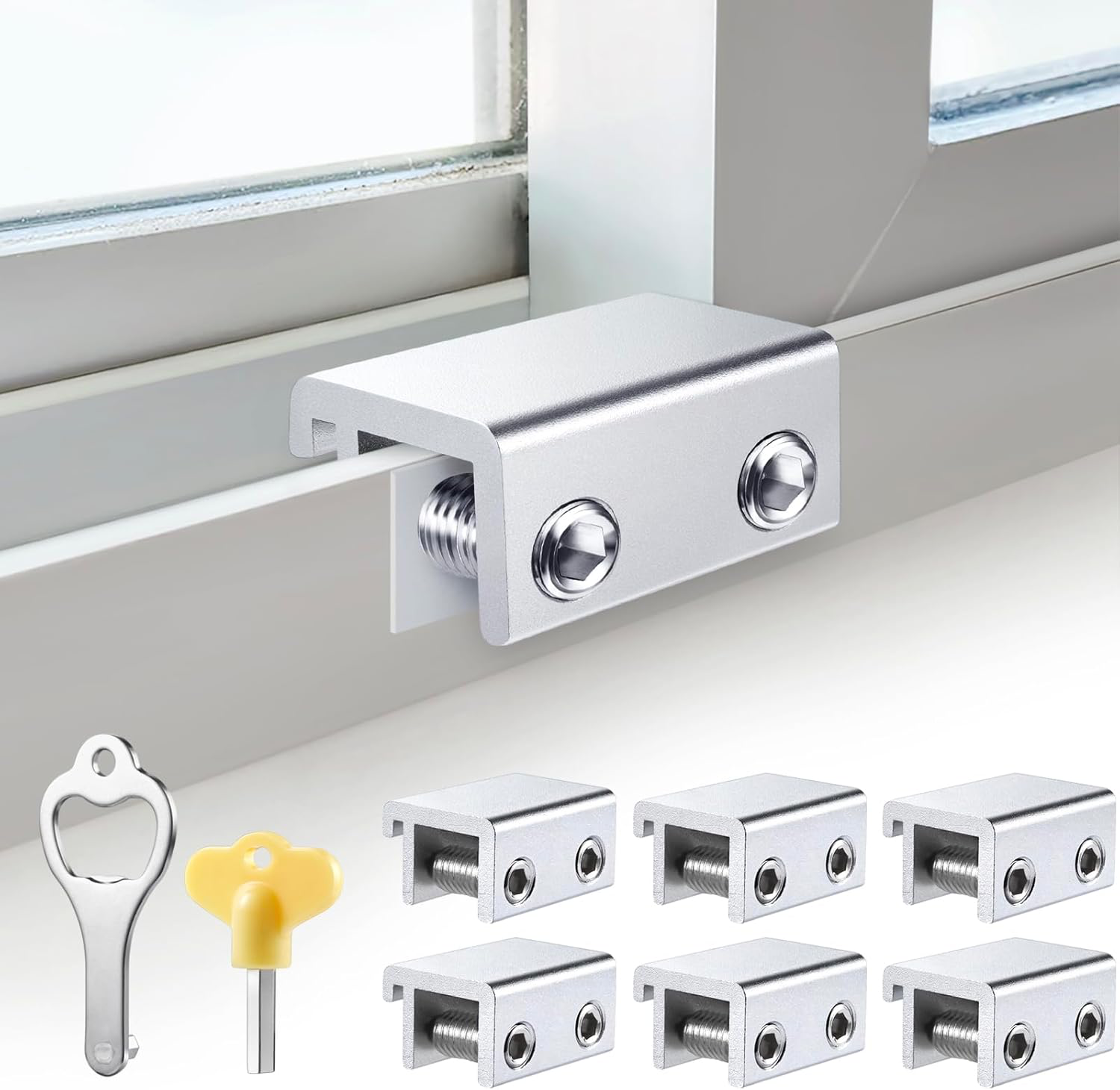
Sliding Window Locks
Adjustable security locks for sliding windows and doors to prevent children from opening them.
View details →
LifeVac Home Choking Rescue Device
A non-powered suction device used as a last resort during a choking emergency when back blows and abdominal thrusts have failed. Keep one in the kitchen and one in the diaper bag.
View details →